10 Best Terminal Connectors for Global Buyers?

Time:2026-10-13 Author:Liam
0%

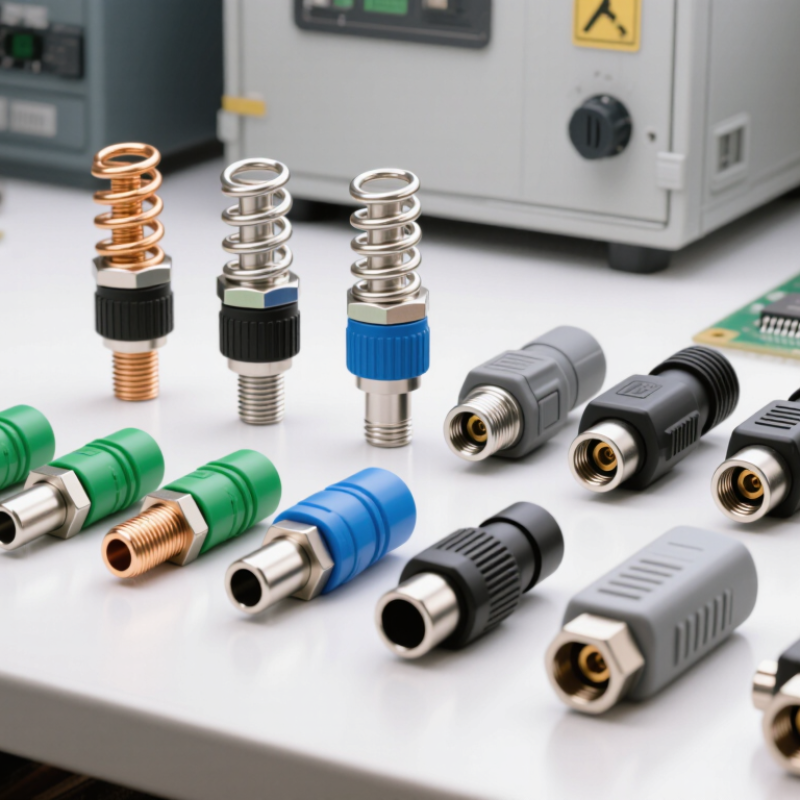
For global buyers, selecting Terminal Connectors involves more than comparing prices or browsing attractive product photos. A connector must match the wire gauge, current load, voltage, insulation, and installation environment. A compact PCB connector may suit control equipment, while a barrier terminal block may better support field wiring. These differences affect assembly time, maintenance, safety, and long-term equipment performance. The wrong pitch can create costly rework. Real procurement is less glamorous.

This guide introduces ten strong Terminal Connectors for international purchasing teams, equipment makers, distributors, and maintenance professionals. The selection considers contact quality, clamping strength, material durability, temperature tolerance, vibration resistance, and documentation. It also examines screw, spring, crimp, quick-connect, waterproof, and PCB-mounted designs. Certification evidence matters. UL, IEC, RoHS, and regional requirements can help buyers assess suitability, but they should not be treated as identical approvals. Reliable suppliers should provide drawings, test data, traceability, sample support, and consistent packaging. Those details reduce surprises at customs and during production.

No ranking is perfect. A connector that performs well in a factory cabinet may fail under outdoor moisture or repeated vibration. Practical evaluations often show that impressive specifications do not guarantee easy field installation. That is why this overview favors verifiable performance over marketing language. Buyers should confirm local standards, application conditions, delivery terms, and after-sales support before placing volume orders. Use the list as a practical starting point, not a substitute for engineering validation. Small checks prevent large problems.
10 Best Terminal Connectors for Global Buyers?

What Are Terminal Connectors and Why Do Global Buyers Need Them?

Terminal connectors are compact devices that join, route, or disconnect electrical conductors. They appear inside control cabinets, solar equipment, appliances, and industrial machinery. A screw, spring, or crimp mechanism holds the wire firmly. The right connector prevents loose strands, heat buildup, and difficult maintenance. Small parts can create major failures.

Global buyers need them because wiring conditions vary across countries and applications. A 24-volt control cabinet may require a 2.5 mm² copper conductor, while a power circuit needs higher current capacity. Buyers should check rated voltage, current, wire range, insulation material, temperature limits, and vibration resistance. Protection ratings also matter in dusty workshops or damp enclosures. A connector that fits physically may still fail electrically.

Industry estimates show why this category deserves careful sourcing. The 2024 MarketsandMarkets analysis forecasts the global electrical connectors market to grow at roughly 5% annually through 2029. Grand View Research also identifies industrial automation, transportation, and electronics as major demand areas. However, market figures differ by scope and definition. That inconsistency deserves attention. Buyers should compare test reports, conformity documents, batch traceability, and sample performance before placing volume orders. A low unit price means little if installation takes longer or terminals loosen after thermal cycling. Reliability is measured in service, not only on a quotation sheet.

10 Best Terminal Connectors for Global Buyers

Terminal connectors provide secure electrical and mechanical connections for wiring, control panels, industrial equipment, automotive systems, and power distribution. Global buyers should compare current capacity, installation method, environmental protection, conductor compatibility, and compliance requirements before selecting a connector.

The chart compares representative continuous current capacities commonly found in commercial terminal connector categories. Actual ratings depend on conductor size, temperature rise, insulation material, contact design, spacing, and applicable safety standards. Always verify the manufacturer’s datasheet for the intended application.

Key Types of Terminal Connectors for Different Applications

Choosing terminal connectors starts with the application, not the product list. Barrier strip connectors suit fixed control panels and organized multi-wire layouts. Ring and fork terminals work well with screw studs, especially where maintenance is frequent. Spring-clamp terminals handle vibration better because they maintain pressure without repeated tightening. Pluggable terminal blocks save service time. They allow quick disconnection during testing or replacement. Wire-to-board connectors support compact equipment, while waterproof terminals protect outdoor or washdown assemblies. For circuit boards, screw terminals offer firm clamping, but they need enough board support.

Current rating matters, but it is not the only decision. Check wire size, insulation diameter, temperature range, contact material, and rated voltage. A connector carrying 20 amps in a cool cabinet may perform differently in a hot enclosure. Vibration, dust, moisture, and limited installation space also change the best choice. In practical panel inspections, loose screws and poorly stripped wires appear more often than connector failure. That detail is easy to overlook. A perfect connector rarely exists; a secure installation depends on matching the terminal to the whole system.

Tips: Confirm the conductor gauge before ordering. Test the largest wire first. Leave room for bending and tools. For outdoor use, verify the sealing method and ingress rating. Do not rely on appearance alone. A compact connector may look efficient but create difficult maintenance later. When specifications conflict, record the compromise and review it with an experienced electrical engineer. That extra check can prevent heating, intermittent signals, and costly rework.

10 Best Terminal Connectors for Global Buyers

10 Best Terminal Connectors for Global Buyers

Global buyers need terminal connectors that match real operating conditions, not just catalog pictures. The ten most useful choices include ring, fork, pin, blade, bullet, butt-splice, barrier-strip, screw-clamp, spring-clamp, and PCB terminal connectors. Ring terminals suit fixed connections and resist accidental release. Fork terminals speed up service work. Pin and blade types fit compact equipment. Bullet connectors support quick disconnection. Butt-splice connectors join wires securely when correctly crimped. Barrier strips handle organized multi-wire connections. Screw and spring clamps serve control panels. PCB terminals simplify board wiring.

Check conductor size, contact material, insulation rating, temperature range, and vibration resistance. Copper terminals often provide strong conductivity, while tin plating can improve corrosion resistance.

Crimp quality matters more than appearance. A loose crimp may heat under load, even when the connector looks perfect. Confirm voltage and current ratings through technical documents, not sales descriptions.

Also review recognized testing requirements for your destination market. Requirements differ across regions, and “global” does not mean universal.

Tips: Request samples first. Test crimp pull strength, insertion force, and heat rise. Keep a small batch for aging checks. Ask for material declarations and inspection records. One detail is easy to miss: the tool must match the connector barrel. An impressive connector can still fail with the wrong die. That mistake is common, and it deserves a second review before mass ordering.

How to Compare Materials, Ratings, and Connection Performance

Choosing among the 10 best terminal connectors requires more than comparing prices. Material affects heat, corrosion, and long-term contact stability. Copper offers excellent conductivity, while brass provides stronger mechanical performance. Tin plating suits general environments, but nickel plating performs better near heat and chemical exposure. A higher current rating is not automatically better.

Bishop & Associates estimated the global connector industry at roughly USD 84 billion in 2023, showing how widely these components support industrial and electrical systems. However, ratings must match real conditions. Check voltage, current, wire size, temperature range, vibration resistance, and insulation performance. IEC 60512 test methods evaluate contact resistance, mechanical endurance, and environmental durability. UL 486A-486B requirements also help verify wire-terminal reliability. In my experience, loose crimp height causes more field problems than low-cost materials. Small errors matter.

Tips: Inspect cross-sections from sample crimps. Measure pull-out force. Test the connector after heat cycling, not only when new. For outdoor equipment, confirm the stated IP rating and corrosion test details. Do not trust a catalog headline alone. Some ratings look impressive but assume ideal installation. Recheck them against your wire, enclosure, and actual load.

10 Best Terminal Connectors for Global Buyers: Comparing Materials, Ratings, and Connection Performance
Rank Connector Type Typical Contact Material Insulation / Body Material Typical Wire Range Typical Voltage Rating Typical Current Capacity Temperature Range Connection Performance Best-Fit Applications
1 Closed-Ended Ring Terminal Tinned copper; copper alloy variants are also available Polyvinyl chloride (PVC), nylon, or heat-shrink polyolefin 0.5–6 mm² (approximately 20–10 AWG) Up to 600 V, design dependent Up to approximately 50 A, size and crimp dependent -40°C to 105°C for common insulated versions Excellent resistance to pull-out and vibration when correctly crimped and secured under a fastener Automotive wiring, control panels, grounding, battery and power-distribution connections
2 Fork / Spade Terminal Tinned copper or copper alloy PVC, nylon, or heat-shrink polyolefin 0.5–6 mm² (approximately 20–10 AWG) Up to 600 V, design dependent Up to approximately 40 A, size and crimp dependent -40°C to 105°C for common insulated versions Fast installation and removal; lower mechanical retention than a closed ring under vibration Terminal blocks, switches, relays, serviceable control equipment
3 Butt-Splice Connector Tinned copper barrel; seamless barrels generally provide better mechanical consistency PVC, nylon, or heat-shrink polyolefin 0.5–6 mm² (approximately 20–10 AWG) Up to 600 V, insulation system dependent Up to approximately 50 A, conductor size and crimp quality dependent -55°C to 125°C for many heat-shrink designs Provides a compact in-line joint; heat-shrink versions offer improved moisture and strain protection Wire harness repair, cable extensions, automotive and industrial maintenance
4 Quick-Disconnect Female Receptacle Phosphor bronze or brass with tin plating PVC, nylon, or uninsulated metal body 0.5–6 mm² (approximately 20–10 AWG) Up to 600 V, design dependent Up to approximately 30 A, terminal size dependent -40°C to 105°C for common insulated types Fast mating and unmating with consistent contact force when matched with the correct tab size Appliances, relays, switches, control cabinets, and replaceable assemblies
5 Quick-Disconnect Male Tab Brass or phosphor bronze with tin or nickel plating Usually uninsulated; optional PVC or nylon covers are available 0.5–6 mm² (approximately 20–10 AWG) Up to 600 V, design dependent Up to approximately 30 A, terminal size dependent -40°C to 105°C for common assemblies Reliable when the tab and receptacle are properly matched; exposed versions need protection from contamination Switches, relays, circuit boards, appliance wiring, and serviceable harnesses
6 Pin Terminal Tinned copper or copper alloy PVC, nylon, or polyolefin 0.5–6 mm² (approximately 20–10 AWG) Up to 600 V, design dependent Up to approximately 40 A, size and crimp dependent -40°C to 105°C for common insulated versions Creates a neat insertion point for terminal blocks and spring-clamp devices; helps prevent wire-strand spreading Industrial control panels, plug-in terminal blocks, distribution modules, and test equipment
7 Bootlace Ferrule Tinned copper sleeve Polyamide or polypropylene collar 0.25–6 mm² (approximately 24–10 AWG) Up to 600 V, equipment and insulation dependent Up to approximately 30 A, conductor size and terminal design dependent -20°C to 105°C for many standard types Improves strand retention and insertion reliability in screw-clamp and spring-clamp terminals; requires an appropriate ferrule crimp Control cabinets, circuit breakers, terminal blocks, and finely stranded cable assemblies
8 Bullet Connector Brass, copper alloy, or phosphor bronze with tin or gold plating Nylon, polyamide, PVC, or heat-shrink insulation 0.5–6 mm² (approximately 20–10 AWG) Typically 300–600 V, design dependent Approximately 5–30 A, contact diameter and plating dependent -40°C to 105°C; sealed designs may support wider ranges Provides repeatable mating and 360-degree contact; sealed versions offer better resistance to moisture and dust Automotive, marine, robotics, lighting, battery leads, and detachable harnesses
9 Heat-Shrink Ring Terminal Tinned copper with an inspection window in many designs Adhesive-lined polyolefin heat-shrink sleeve 0.5–6 mm² (approximately 20–10 AWG) Up to 600 V, design dependent Up to approximately 50 A, crimp and conductor size dependent -55°C to 125°C for many high-quality assemblies Combines strong ring-terminal retention with improved sealing, strain relief, and corrosion resistance Outdoor equipment, marine systems, vehicles, battery connections, and harsh environments
10 Barrier-Strip Screw Terminal Tin-plated copper or brass clamp and terminal hardware Thermoplastic, phenolic resin, or polyamide housing 0.5–10 mm² (approximately 20–8 AWG) Typically 300–600 V Approximately 10–30 A per circuit, pitch and design dependent -40°C to 105°C for common thermoplastic versions High serviceability and clear circuit separation; screw torque must be controlled to maintain stable contact resistance Industrial equipment, power supplies, HVAC controls, instrumentation, and fixed wiring
Technical values are typical ranges for commonly used commercial designs, not universal limits. Actual ratings depend on conductor size, terminal geometry, insulation material, crimp tooling, mounting method, environmental conditions, and applicable safety standards. Always verify the product-specific datasheet and required certification before purchasing.

What Global Buyers Should Check Before Placing an Order

10 Best Terminal Connectors for Global Buyers?

What Global Buyers Should Check Before Placing an Order

Choosing terminal connectors requires more than comparing prices. Buyers should match the connector to wire size, current rating, voltage, and operating temperature. Check the contact material and plating, especially for humid or corrosive environments. A connector that performs well in a dry warehouse may fail near saltwater or heavy machinery.

Request a complete technical sheet before approval. It should show dimensions, tolerances, insertion force, pull strength, and test methods. Samples matter. Test them with your actual cables, tools, and enclosure, not only with laboratory fixtures. A small mismatch can cause loose connections, heat buildup, or difficult assembly. This step is often skipped when deadlines become tight.

Tips: Confirm destination-market requirements and request relevant test reports. Ask how raw materials are traced and how production changes are controlled. Review packaging details, because bent terminals or moisture damage can appear during long transport. Clarify minimum order quantities, replacement procedures, lead times, and inspection rights in writing. Factory photos are useful, but an independent inspection can reveal more. Even experienced buyers can overlook a tolerance hidden in a drawing. Leave time for a second sample review. It may feel inefficient, but reworking thousands of connectors is worse.

FAQS

What is a terminal connector?

It joins, routes, or disconnects electrical conductors. Small parts matter. Screws, springs, or crimps hold wires securely inside equipment.

Why do global buyers need careful connector selection?

Wiring conditions differ between countries and applications. Check voltage, current, conductor size, insulation, temperature, and vibration limits. Physical fit does not guarantee electrical safety.

Which terminal connector types are commonly useful?

Ring, fork, pin, blade, bullet, butt-splice, barrier-strip, screw-clamp, spring-clamp, and PCB types are practical choices. Each serves a different wiring task. The best choice depends on installation space and maintenance needs.

Which connector is suitable for fixed electrical connections?

Ring terminals suit fixed connections and resist accidental release. Fork terminals allow faster servicing. That convenience may reduce maintenance time, but the connection still needs proper tightening.

What should buyers check before placing a volume order?

Request samples and technical documents first. Check conductor range, contact material, ratings, temperature limits, and inspection records. Keep samples for aging checks. Do not trust catalog images alone.

Why is crimp quality important?

A loose crimp can heat under electrical load. It may look perfect and still fail later. Test crimp pull strength and confirm the tool matches the connector barrel.

Do copper terminals and plated terminals perform differently?

Copper usually offers strong conductivity. Tin plating can improve corrosion resistance. The final result depends on material quality, contact pressure, and the operating environment.

Are market forecasts enough for sourcing decisions?

No. Forecasts can show demand direction, but their scope and definitions may differ. Compare test reports, conformity documents, traceability records, and sample performance before ordering.

How can buyers reduce failures in dusty or damp environments?

Review protection ratings and insulation materials. Consider heat, moisture, dust, and vibration together. A connector may fit a cabinet yet fail under thermal cycling. That deserves a second review.

Conclusion

Terminal Connectors are essential components for creating secure, organized, and serviceable electrical connections in industrial equipment, control systems, vehicles, power distribution units, and automation projects. This guide explains why global buyers rely on them and introduces ten practical connector options, including screw, spring, barrier, ring, fork, butt, pluggable, feed-through, waterproof, and high-current types. Each design offers different benefits in terms of installation speed, vibration resistance, space efficiency, and maintenance requirements.

To select the right product, buyers should compare housing and contact materials, current and voltage ratings, wire-size compatibility, temperature range, insulation performance, and connection stability. Before placing an international order, it is also important to confirm dimensions, certifications, packaging, minimum order quantities, lead times, sample availability, and quality-control procedures. A careful evaluation of technical specifications and supplier communication can help global purchasers reduce compatibility risks, control costs, and achieve reliable long-term electrical performance.


Liam

Liam

Liam is a dedicated marketing professional with a profound expertise in the industry, where he excels at highlighting the unique advantages of our core products. With a keen understanding of market trends and consumer needs, Liam frequently updates our company’s professional blog, providing......