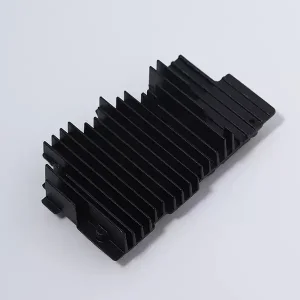
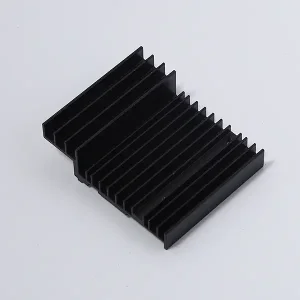
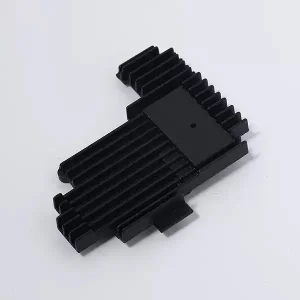
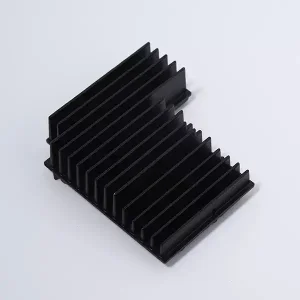
Explore our engineering capabilities in manufacturing high-precision die-cast aluminum heat sinks tailored for severe environments.
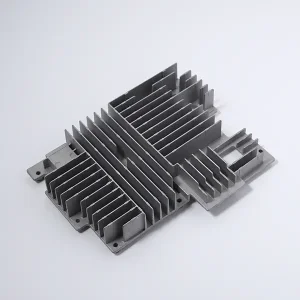
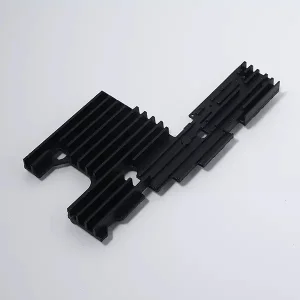
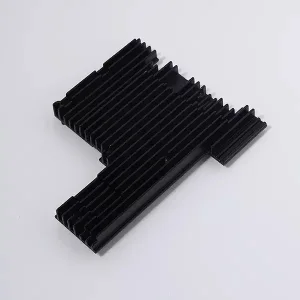
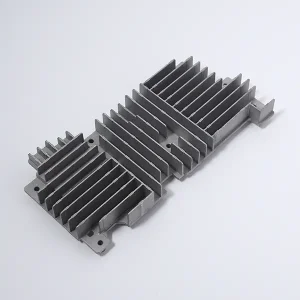
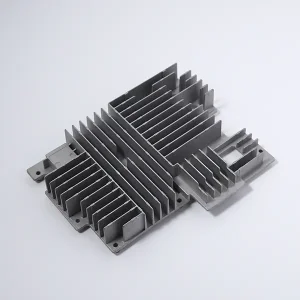
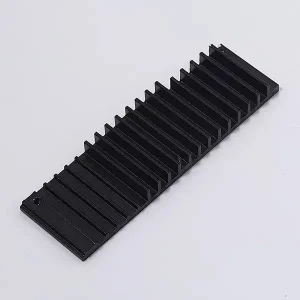
As microprocessors, power components, and optical systems scale up performance, they generate substantial heat fluxes. Conventional extruded or stamped metal profiles no longer meet the geometric tolerances or thermodynamic demands required by contemporary industries. High-Pressure Die Casting (HPDC) heatsinks have emerged as the standard solution for applications requiring complex, 3D configurations, thin fins, and integrated enclosures.
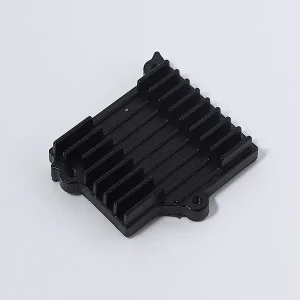
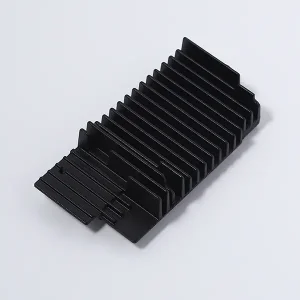
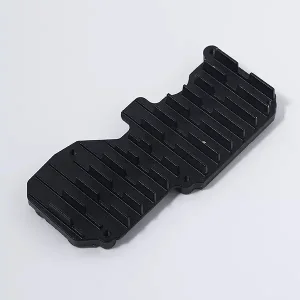
By forcing molten aluminum alloys under high velocity into high-strength steel molds, die casting enables the manufacturing of complex cooling structures. This methodology eliminates post-machining stages, saves raw material weight, and integrates custom mounting bosses, seals, and specialized airflow ducts directly into the casing.
While extrusion offers higher raw thermal conductivity (e.g., Al 6063 at ~200 W/m·K), HPDC with alloys like ADC12 or A380 offers vastly superior geometric capability. This allows engineers to place cooling fins in varying directions, optimizing thermal performance in convective airflows.

Figure 1: Wenzhou Stpete Electronics Precision Manufacturing Center
Sourcing engineers prioritize structural integrity, cost structures, and thermal dissipation metrics.
Aluminum remains the material of choice due to its light weight, corrosion resistance, and thermal characteristics. Selecting the exact alloy grade requires balancing casting fluid dynamics, machining post-processing, and thermal conductivity:
One of the primary concerns for global procurement teams is micro-porosity in die-cast parts. Porosity acts as an insulating barrier, reducing localized thermal efficiency. Stpete Electronics overcomes this challenge utilizing:
| Alloy Specification | Thermal Conductivity (W/m·K) | Tensile Strength (MPa) | Key Industry Application | Corrosion Resistance |
|---|---|---|---|---|
| ADC12 / AlSi9Cu3 | 92 - 96 | 310 | Telecom RF Modules & Industrial Sensors | Moderate (Requires Anodizing/Coating) |
| A380 / AlSi8Cu3Fe | 96 - 100 | 320 | Automotive EV Inverters & Motor Drives | Excellent with Conversion Coatings |
| A360 | 113 | 290 | Marine Environments & Outdoor LED Enclosures | Superior Raw Corrosion Resistance |
Established in 2005, Wenzhou Stpete Electronics Technology CO., LTD has developed into a high-tech enterprise specializing in the research, development, production, and sales of electronic connectors and thermal management solutions. Over the past two decades, we have established a strong reputation among domestic and international customers for high-quality production and efficient trading services.
Operating a manufacturing center in Wenzhou, China, we integrate the tenets of Factory 4.0: digitalization of production tracking, automated manufacturing, and rigorous quality gates. From raw material input to the final packaging stage, our processes ensure quality and stability.
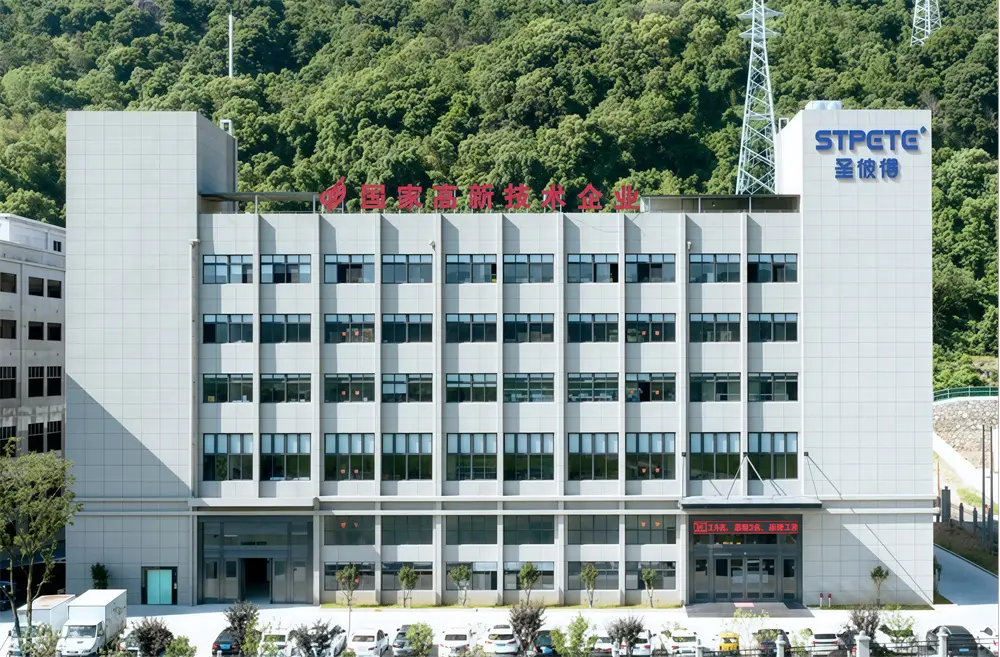
Figure 2: Quality Inspection and Testing Lab at Stpete Electronics
Our manufacturing and engineering ecosystem is built on three pillars: R&D innovation, systematic quality control, and scalable high-volume output.
With a dedicated team of over 30+ technical R&D personnel, we allocate an annual R&D investment of over 15 million Yuan. We hold 21+ research and development patents, ensuring our clients receive top-tier design optimization for manufacturing (DFM).
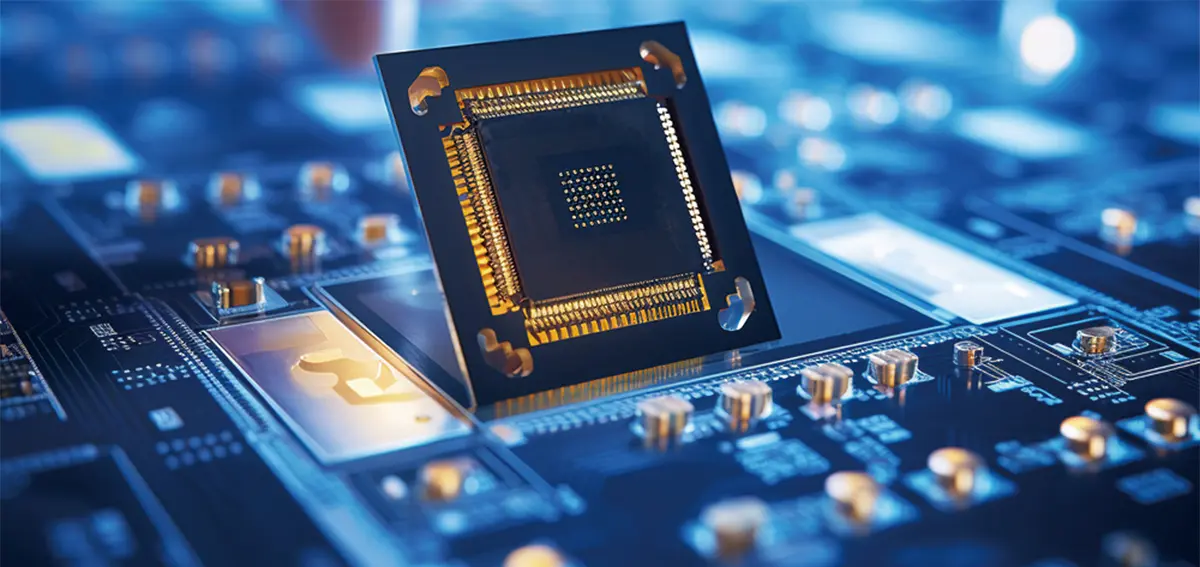
Operating under ISO 9001, 14001, and 18001 standards, we deploy advanced testing and inspection machinery. Our multi-stage inspection routing safeguards product conformance, serving top-tier companies like Huawei and Hisense.
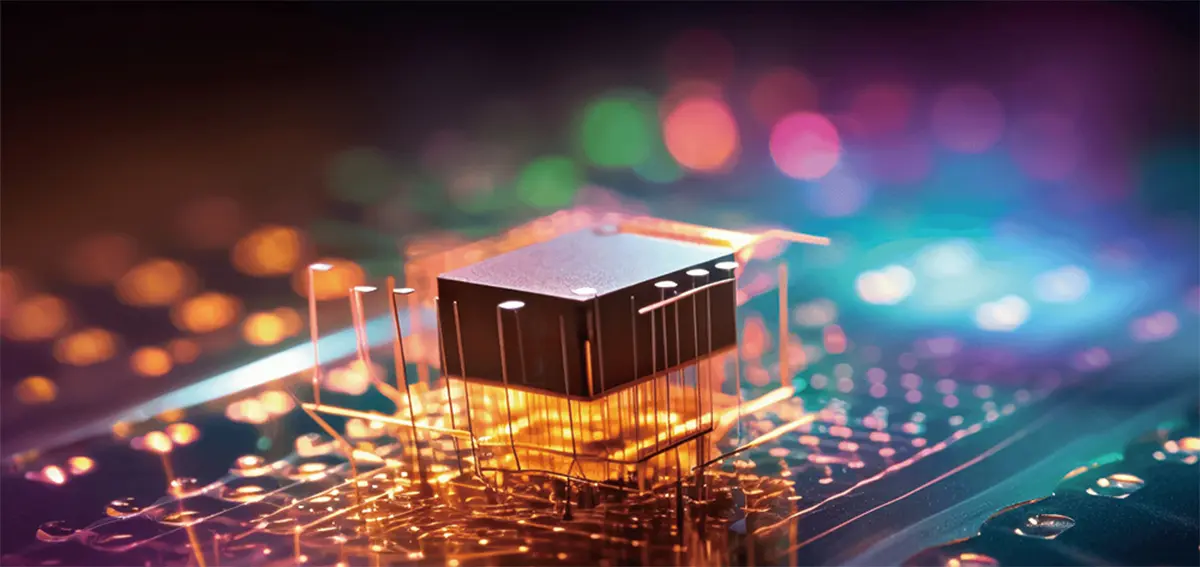
Our manufacturing plant features high-tonnage die-casting, insert molding, and automated connector assembly. We continuously invest in CNC machining and high-speed punching centers to maintain high-accuracy output.

Providing specialized cooling solutions for global high-power commercial and industrial infrastructure.
5G base station remote radio units (RRU) and active antenna units (AAU) require robust thermal management to withstand high outdoor heat fluxes. Die-cast aluminum enclosures function as both the protective chassis and the cooling system, utilizing deep, aerodynamic fins to maximize passive natural convection.
Electric vehicle inverters, onboard chargers (OBC), and motor controllers generate high levels of heat. The structural strength of die castings allows for the integration of liquid cooling channels and O-ring grooves directly into the housing, ensuring water-tight reliability and cooling performance.
High-bay industrial lights and outdoor street illumination require efficient thermal management to prevent luminaire degradation. Die-cast housings provide the thermal pathway needed to maintain low LED junction temperatures, extending system lifespans.
Solar and wind power grid inverters require durable outdoor housings with high heat dissipation capabilities. Custom die-cast heatsinks provide IP65+ weather protection, EMI shielding, and high thermal performance.

Figure 3: Quality-Inspected Radiator and Thermal Units Staged for Global Export
In addition to our machinery and engineering investments, we believe that organizational synergy is a key driver of manufacturing consistency. Our corporate philosophy prioritizes teamwork, communication, and mutual trust.
We organize annual outdoor team-building activities to strengthen internal cohesion, foster collaborative problem-solving, and align our departments. This focus on communication helps ensure our engineering, sales, and manufacturing teams work together effectively to deliver custom projects on time.
Our collaborative team structure allows us to respond to inquiries with detailed quotes and design reviews within 24 hours. By integrating engineering inputs early in the development cycle, we help customers resolve manufacturing challenges before production begins.
For inquiries about our products or pricelists, please contact our team and we will reply within 24 hours.
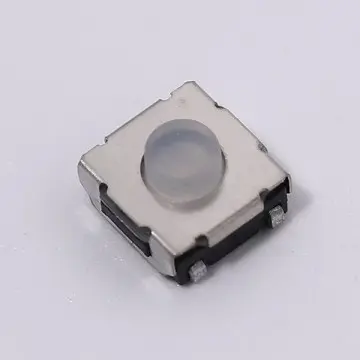
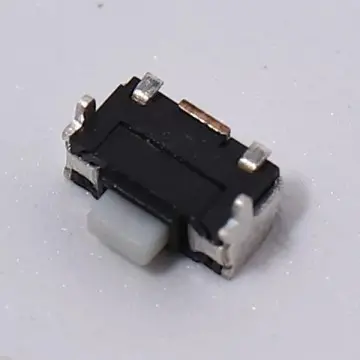
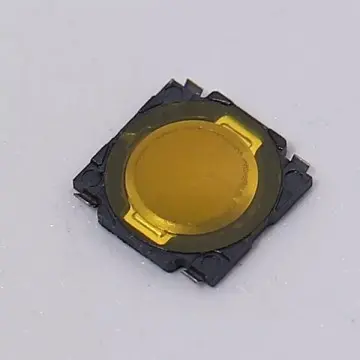
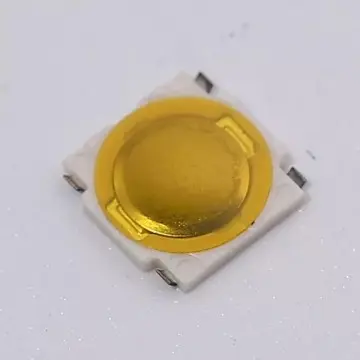
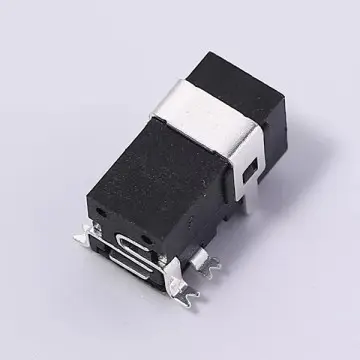
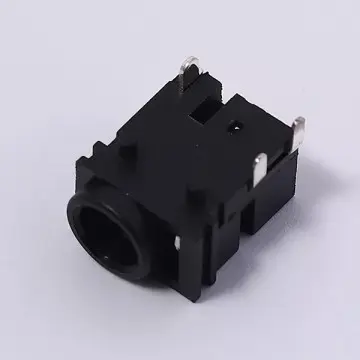
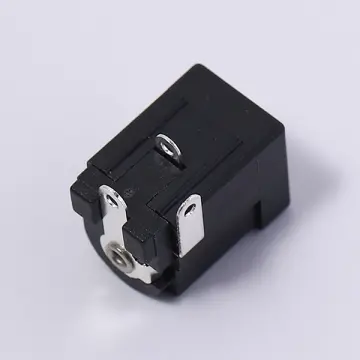
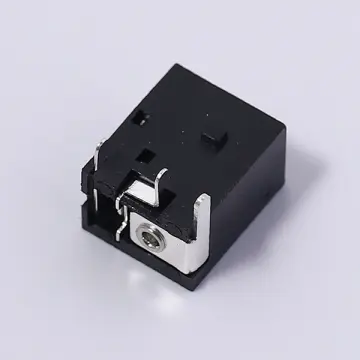
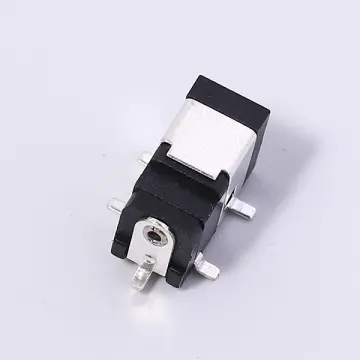
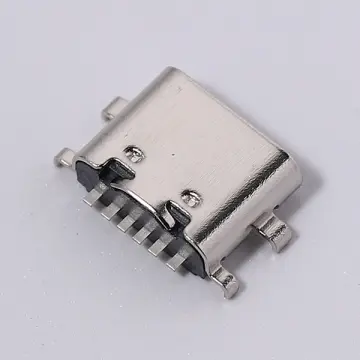
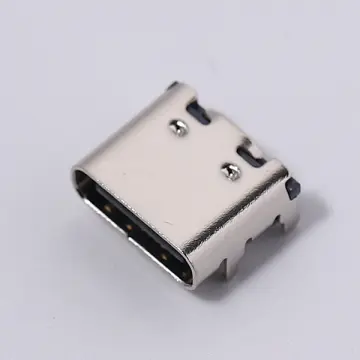
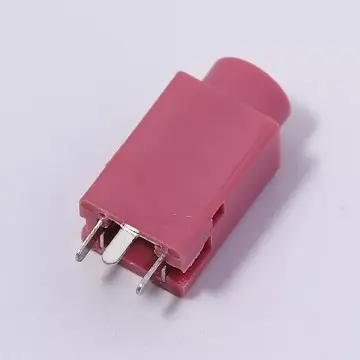
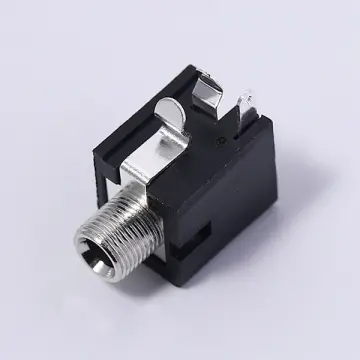
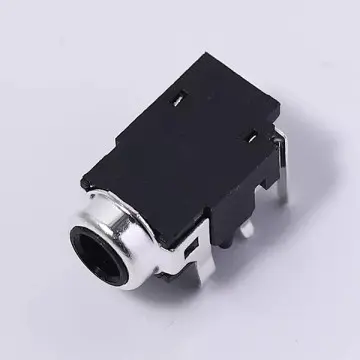
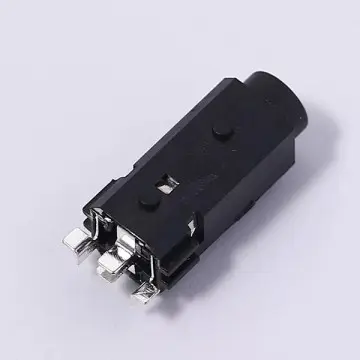
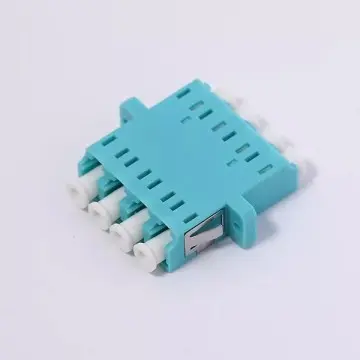
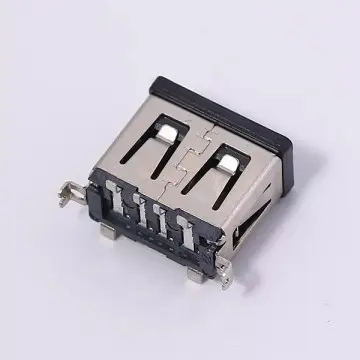
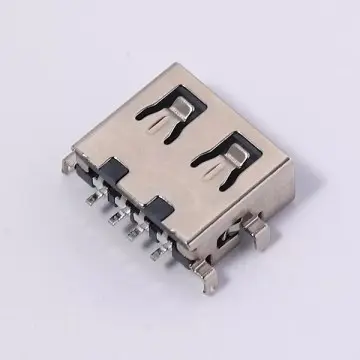
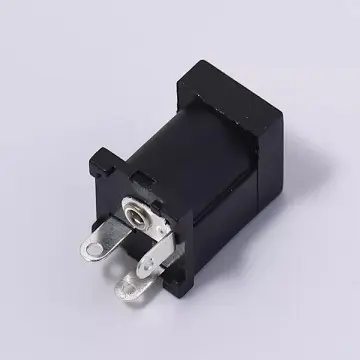
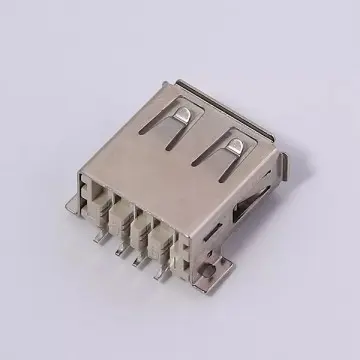
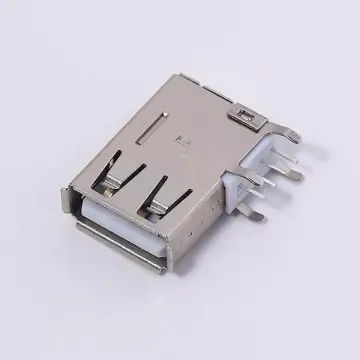
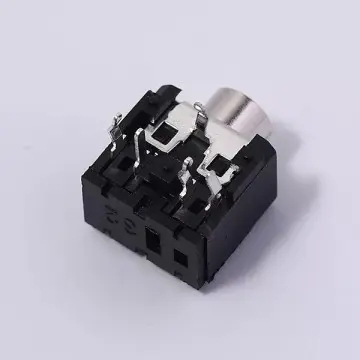
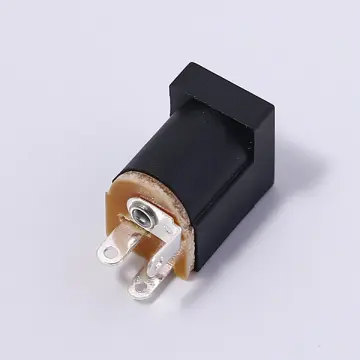
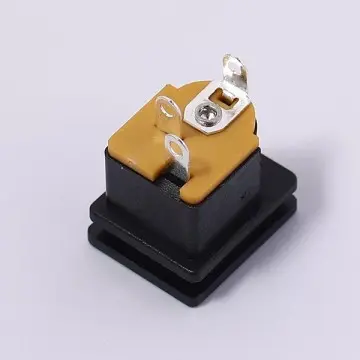
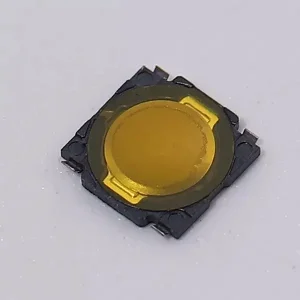
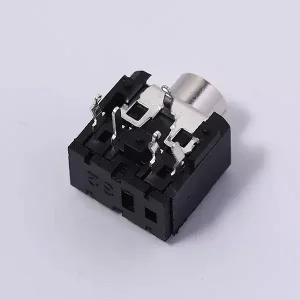
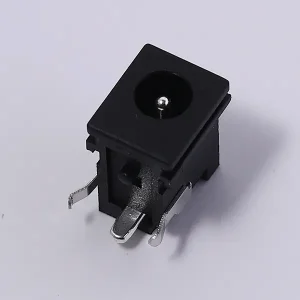
As an electronics manufacturer, we offer a comprehensive portfolio of high-durability switches, DC jacks, audio connectors, and USB interfaces.
Find detailed responses to technical questions about die-cast aluminum thermal solutions.
Browse our catalog of certified electrical connect solutions, RF terminals, and custom switches.
 Stpete Electronics