China Die Cast Heat Sink Suppliers, Manufacturer

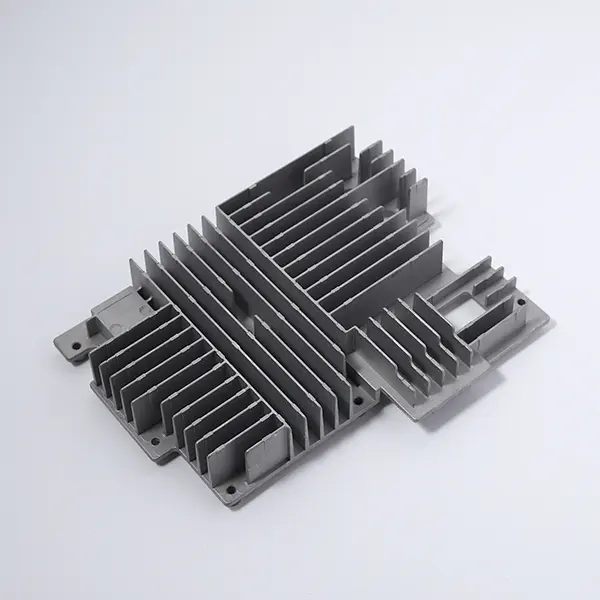
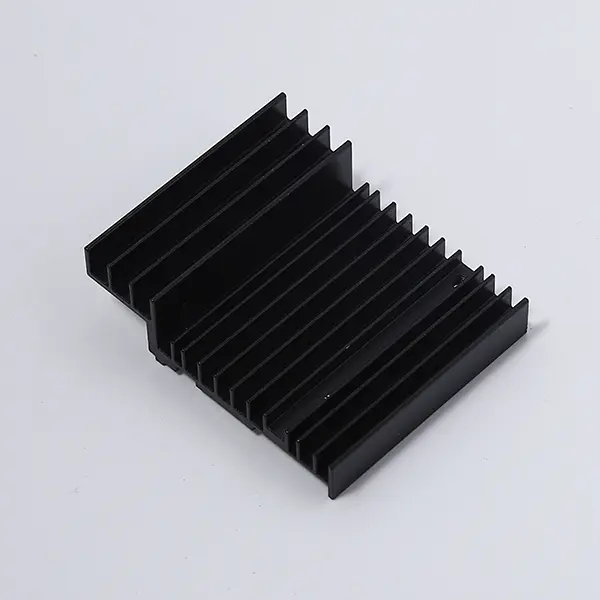
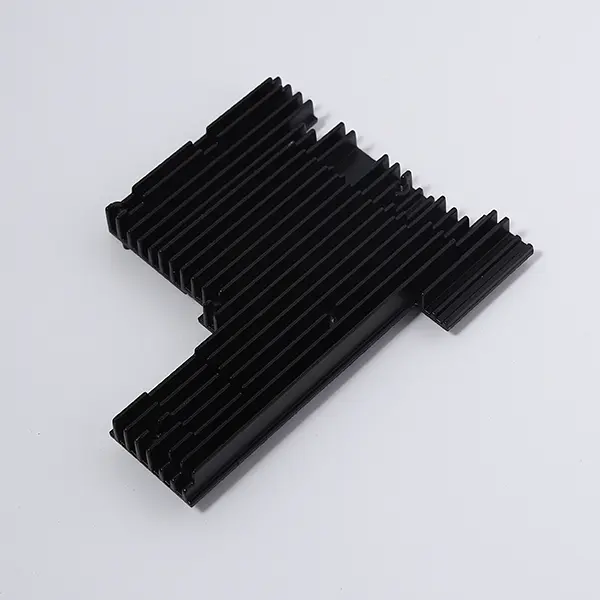
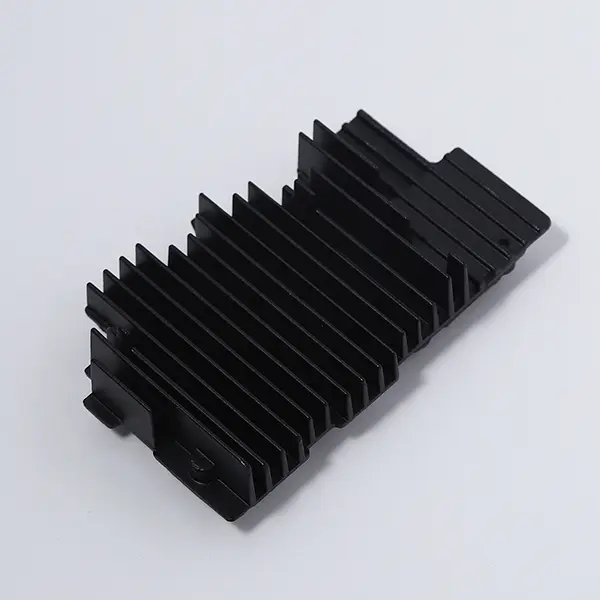
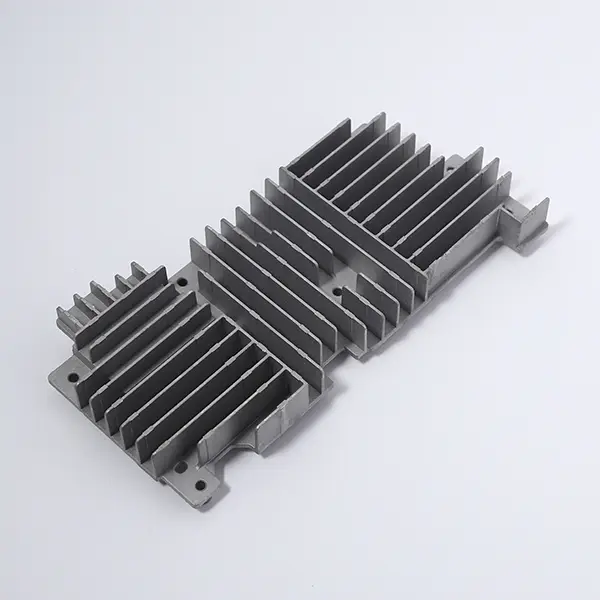
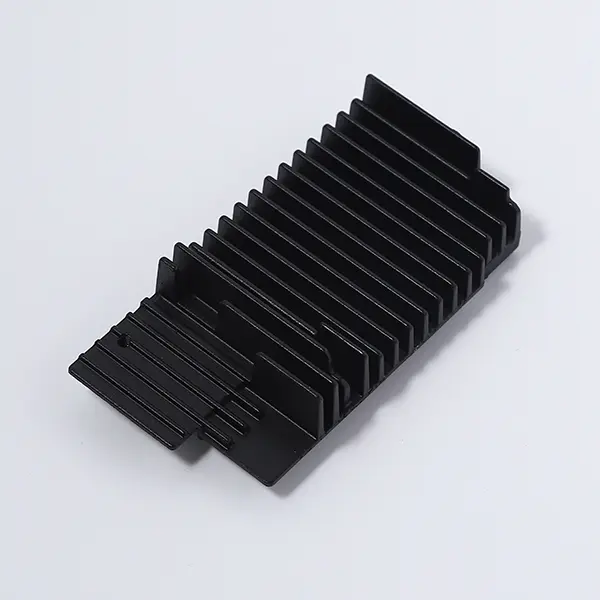
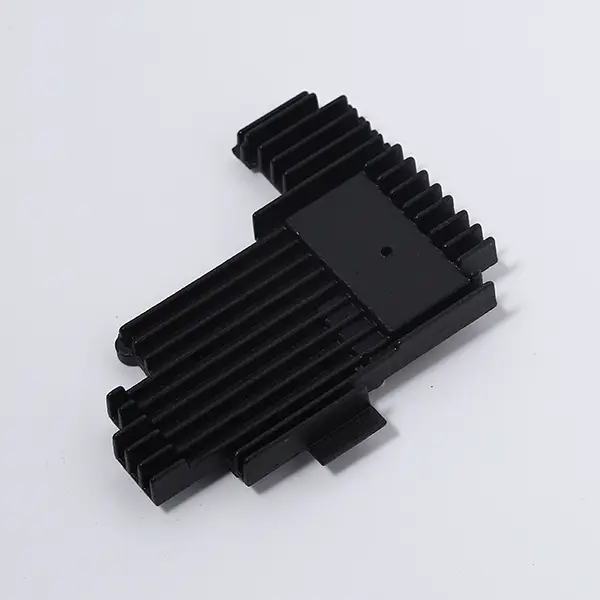
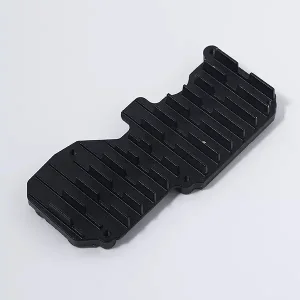
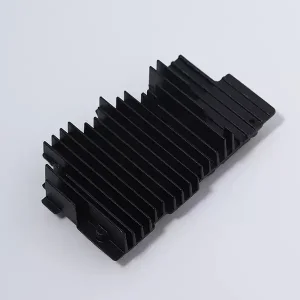
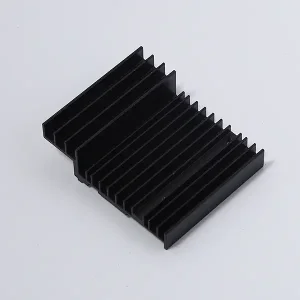
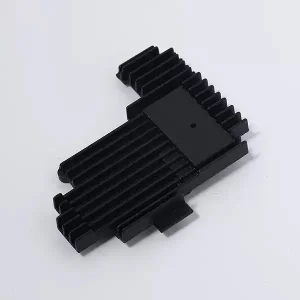
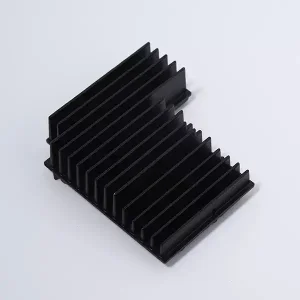
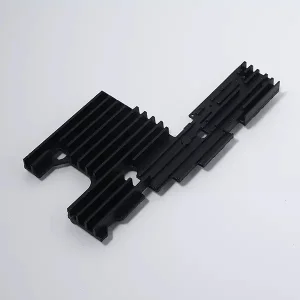
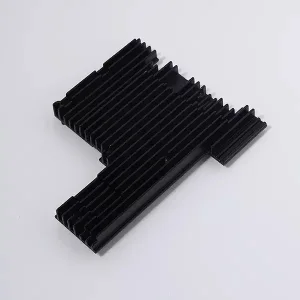
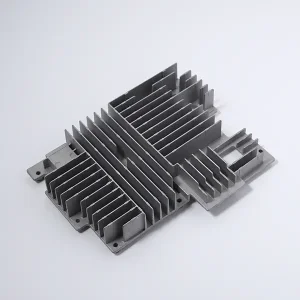
 Aluminum Die-Cast Heat Sink is a device used for conducting and releasing heat, widely used in electronic devices, heating systems, and other fields. Its core function is to transfer thermal energy from the heat source to air or other media, thereby reducing the temperature of the heat source and ensuring the stable operation of the equipment or system.

Product Description

Die Cast Radiator Function Introduction

Function Introduction

  • Efficient heat dissipation: Manufactured by die-casting process, the radiator has tight structure and high heat dissipation efficiency.
  • Lightweight design: Aluminum alloy material, light weight, easy to install and transport.
  • Beautiful and durable: The surface can be treated with a variety of treatments (such as anodizing, sandblasting, etc.) to improve appearance and corrosion resistance.
  • Strong customization: Different shapes and sizes can be designed according to customer needs to adapt to a variety of application scenarios.
Die Cast Radiator Application Plate

Application Plate

  • Electronic equipment: such as CPU, GPU radiator, LED radiator, etc.
  • Automotive industry: engine radiator, transmission radiator, etc.
  • Industrial equipment: frequency converter, power module and other heat dissipation requirements.
  • Household appliances: cooling parts of household appliances such as air conditioners and refrigerators.

Frequently Asked Questions

What are the primary benefits of die-cast radiators?

Die-cast radiators feature a dense physical structure with high heat dissipation efficiency, excellent structural integrity, lightweight characteristics, and the capability of supporting highly customized layouts.

Which materials are commonly used in manufacturing?

Typically, aluminum alloys are selected because of their outstanding thermal conductivity, light weight, and structural reliability for complex mechanical configurations.

Are custom shapes and sizes available?

Yes. Based on specific system design requirements, radiators can be fully customized in size, shape, and fin layout to optimize performance for different hardware structures.

What surface treatments can be applied?

We support a variety of surface treatments, including anodizing, sandblasting, and custom coatings, which improve both the aesthetic qualities and corrosion resistance of the components.

In which industrial applications are these radiators used?

They are widely applied in electronic systems (CPUs, GPUs, and LEDs), the automotive industry (engine and transmission coolers), power supply equipment (frequency converters), and consumer appliances.
Related Products