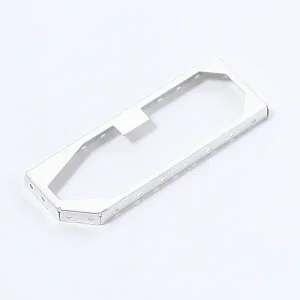
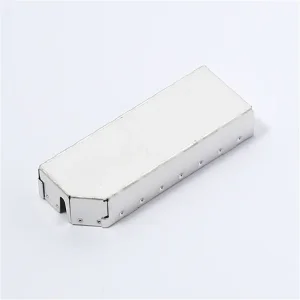
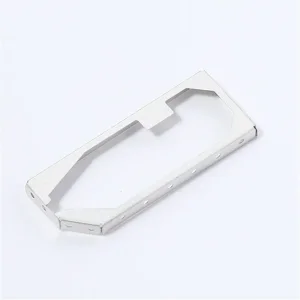
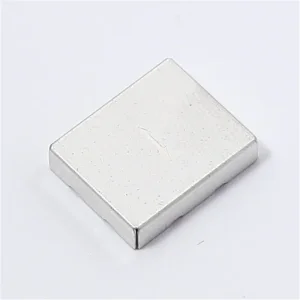
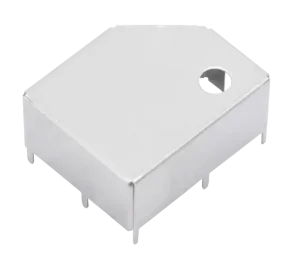
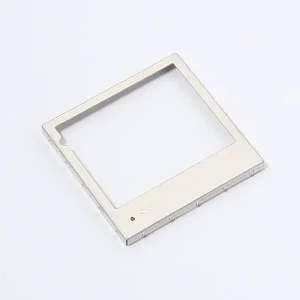
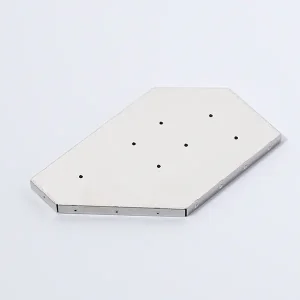
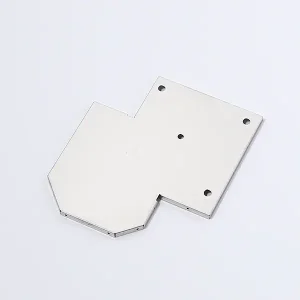
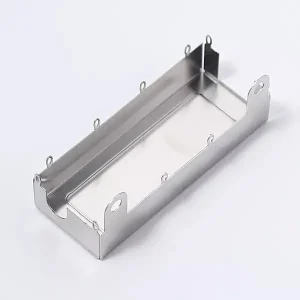
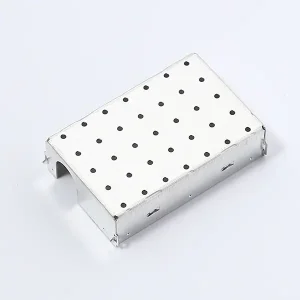
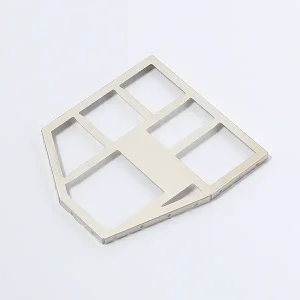
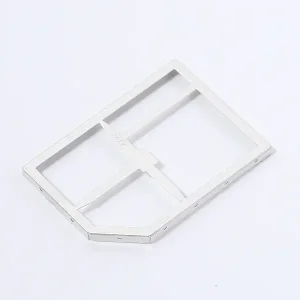
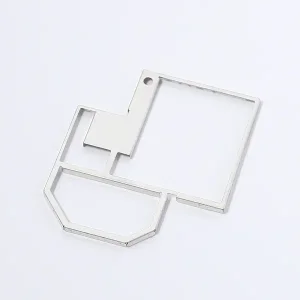
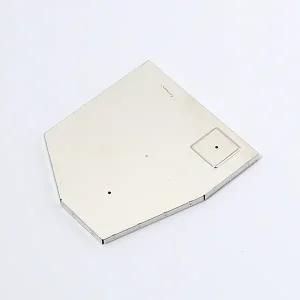
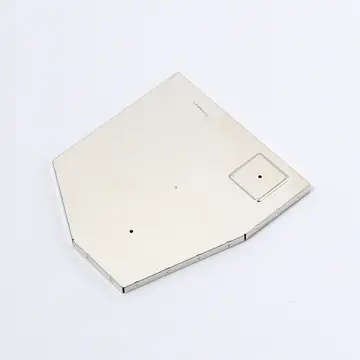
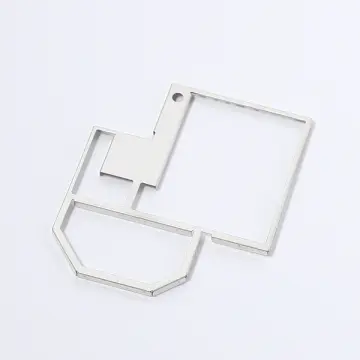
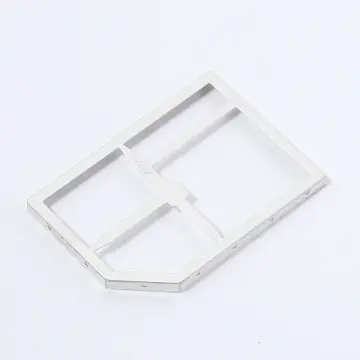
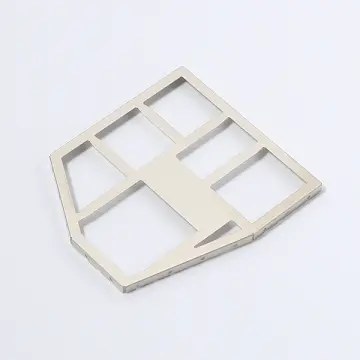
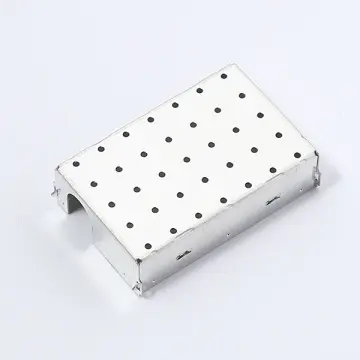
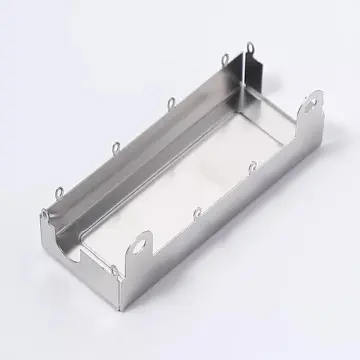
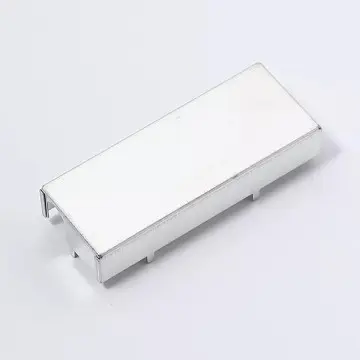
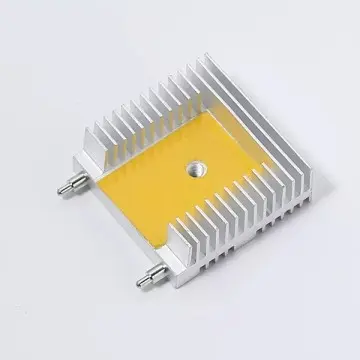
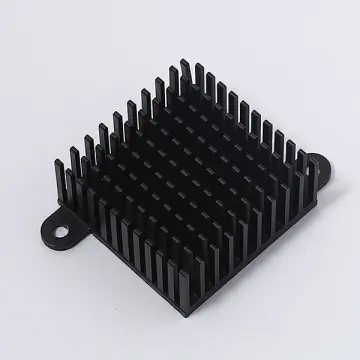
Engineered EMI shielding cans and frames designed for robust high-frequency isolation and reliable board-level SMT assembly.

As microelectronics shift to sub-millimeter scales, electromagnetic interference (EMI) and radio-frequency interference (RFI) containment has escalated from a secondary design check to a structural imperative. Board-level shielding (BLS), comprising precision shielding frames and detachable shielding cans, forms the defensive boundary for vulnerable components such as RF transceivers, microprocessors, and flash memory arrays.
For procurement officers and RF engineers worldwide, securing a consistent Shielding Frame Supplier who understands the mechanical subtleties of automated pick-and-place lines is paramount. Global systems in automotive ADAS, 5G base stations, satellite communications, and precision medical diagnostics require shielding cages capable of withstanding thermal cycling without losing coplanarity. If a frame has a coplanarity variation exceeding 0.08mm, standard reflow soldering fails, leading to micro-cracks and electromagnetic leakage.
By partnering directly with a high-tech Chinese stamping factory, global OEMs bridge the gap between design flexibility and raw scale. Wenzhou Stpete Electronics combines advanced progressive die design with ISO-standard metallurgical controls to produce shielding structures that meet strict EMI attenuation thresholds.
Wenzhou Stpete Electronics Technology Co., Ltd. (established in 2005) stands as a prominent authority in high-frequency hardware and interface electronic connectors.
Equipped with a technical R&D force exceeding 30 key engineers. We maintain an annual R&D investment of over 15 million RMB, producing a patent portfolio of 21+ domestic and international structural designs. This constant innovation is backed by direct field application engineer (FAE) support for custom electronics development.
Operating in rigid adherence to ISO 9001, ISO 14001, and OHSAS 18001 standards. Stpete products undergo physical, thermal, and electrical evaluations. Every stage, from premium material coil loading, progressive stamping, inline automated inspection, to multi-point packaging, is calibrated to secure defect-free components.
We deploy high-speed precision punching systems, automated plastic molding equipment, and multi-cavity progressive dies. Working directly with global technological giants like Huawei and Hisense, we have optimized our lead times to align with fast SMT supply chains.
Developing shielding frames that meet strict shielding requirements begins with metallurgy. The choice of raw material impacts tensile strength, SMT solderability, structural rigidity, and electrical conductivity:
Wenzhou Stpete Electronics ensures that custom frame designs feature micro-ventilation patterns. These holes are calculated to allow hot air escape during SMT reflow, preventing popcorning effects without allowing RFI leakage at target gigahertz bands.
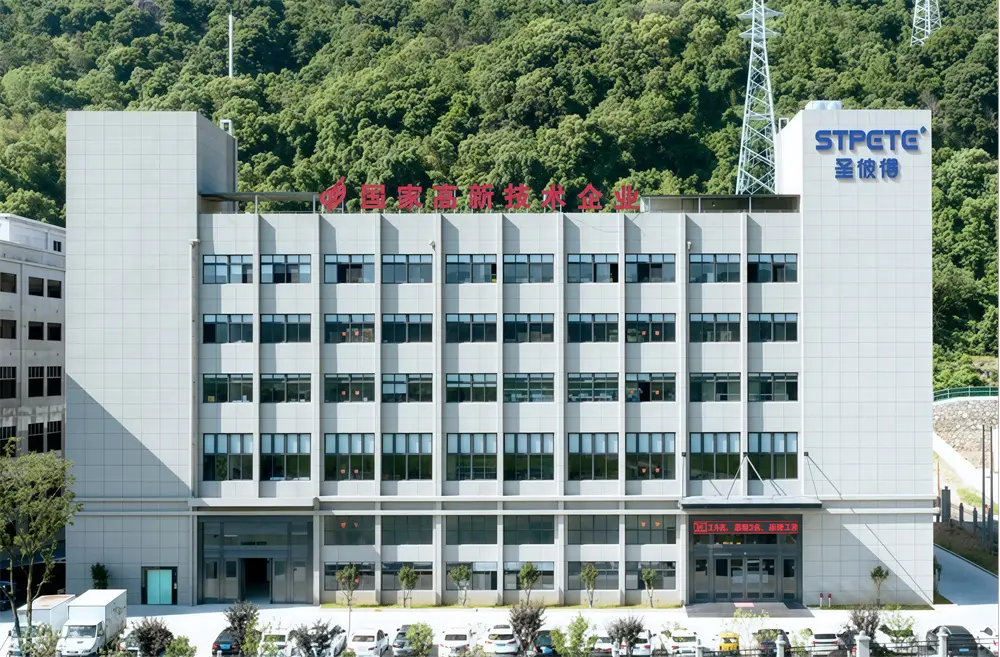

At Stpete Electronics, we recognize that engineering consistency is powered by human coordination. Our team-building events are designed to cultivate trust, transparent communication, and collaborative problem-solving among our workforce.
Our engineers, quality inspectors, and logistics experts participate in structured team-building exercises that mirror our complex production environments. Translating cross-departmental coordination into manufacturing efficiency helps reduce lead times, prevent design-to-production errors, and ensure global customer inquiries are addressed within 24 hours.
Stay ahead of global market transitions through our predictive analysis of next-generation EMI designs.
Modern mobile platforms and IoT modules demand ultra-low profiles. Our factory stamps advanced 1-piece and 2-piece shielding systems with heights of less than 1.0mm, keeping weight minimal while retaining mechanical rigidity.
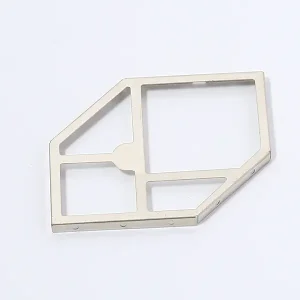
To shield multiple RF domains within a single layout, we engineer multi-cavity frames with internal walls. This reduces the SMT footprint and assembly costs compared to using multiple individual shielding cans.
Our frames are designed with flat pickup zones and are supplied in tape-and-reel packaging, enabling high-speed automated pick-and-place lines to run at maximum speeds with minimal misalignments.
Insights from our engineering department regarding materials, dimensional tolerances, and SMT assembly.
CE-certified and custom-engineered shielding frames designed to prevent electromagnetic interference in high-density board layouts.
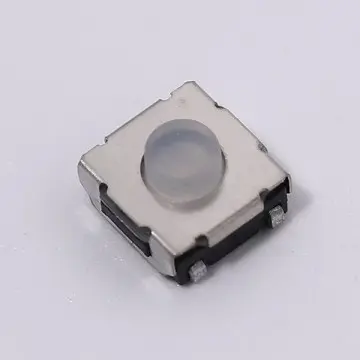
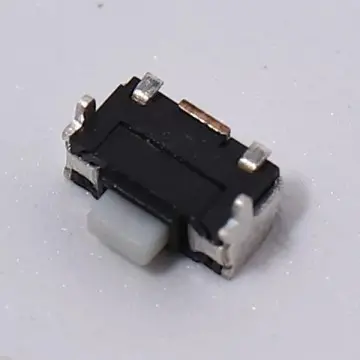
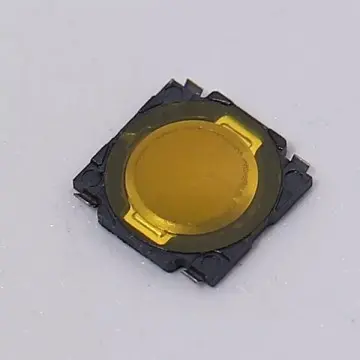
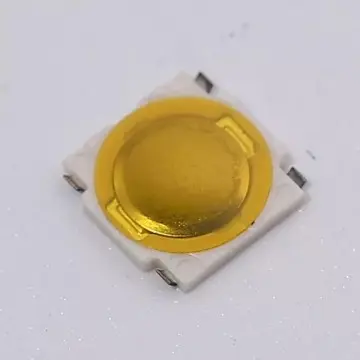
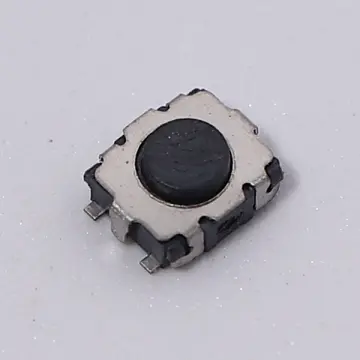
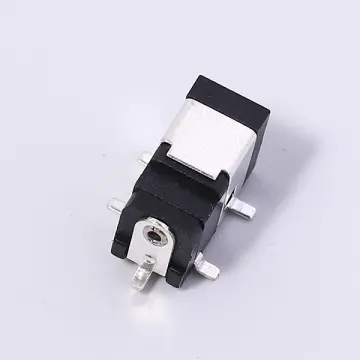
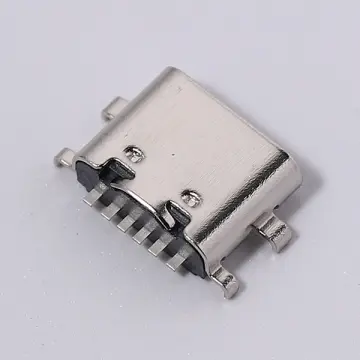
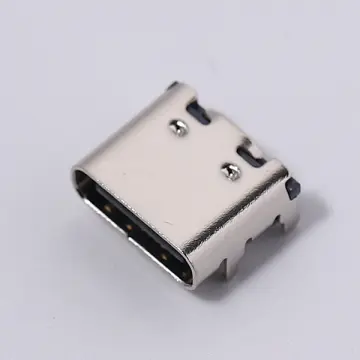
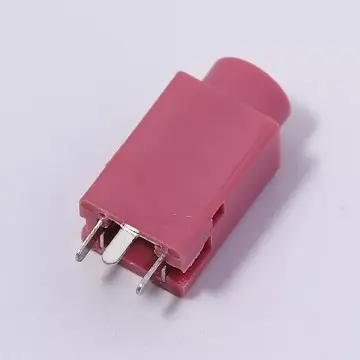
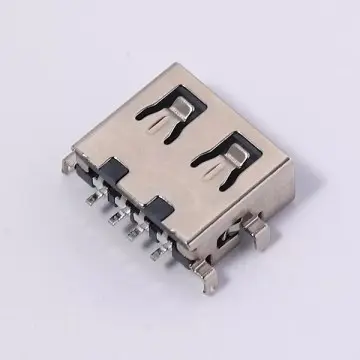
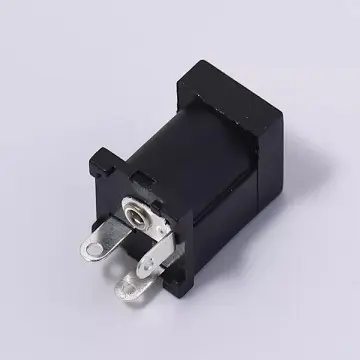
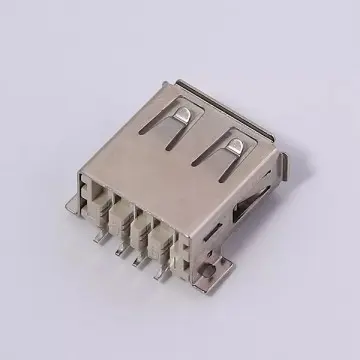
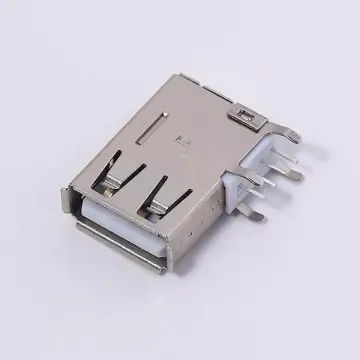
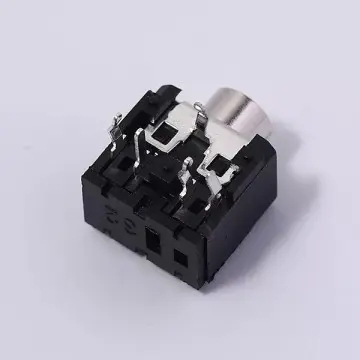
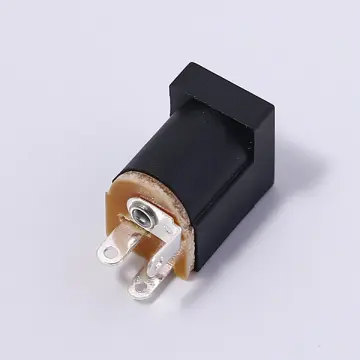
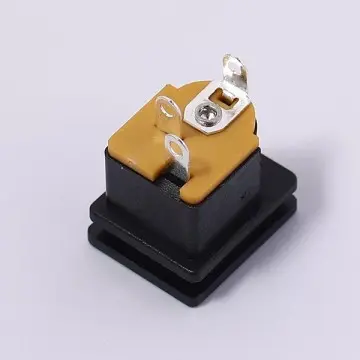
Wenzhou Stpete Electronics provides high-reliability tactile switches, DC power jacks, USB/Type-C ports, and RF connection interfaces.
Essential parameters for RF design and sourcing engineers to optimize board-level shielding systems.
The shielding effectiveness of a metal enclosure is determined by absorption loss, reflection loss, and correction factors for internal reflections. Mathematically represented as:
SE (dB) = R (dB) + A (dB) + B (dB)
Our engineers use specialized modeling software to optimize micro-perforation grids. This ensures the frame provides the required dB attenuation at high frequencies (up to 10GHz and above) while maintaining sufficient airflow for thermal dissipation.
We utilize precision CNC machining and wire EDM to manufacture stamping dies in-house. This allows us to rapidly produce prototype iterations. Our automated optical inspection (AOI) systems monitor dimensional coplanarity at every stage of the stamping process, ensuring consistent quality for high-volume SMT production runs.
Our engineering team is ready to assist with material selection, coplanarity optimization, and custom RF shielding designs. Contact us for inquiries or pricelists, and receive a response within 24 hours.
Contact Our Engineers Stpete Electronics