In modern networking, the SFP connector plays a crucial role. It provides flexibility and scalability in connecting devices. According to a report by MarketsandMarkets, the global SFP market is expected to grow significantly, driven by the increasing demand for high-speed data transmission.
Businesses in various sectors rely on SFP connectors. They enable faster data transfer rates and support diverse applications. With advancements in technology, new types of SFP connectors emerge regularly. Each type serves unique needs and enhances network performance. Additionally, the rise in cloud computing and data centers boosts the demand for these connectors.
However, choosing the right SFP connector can be challenging. Factors such as compatibility and data rate specifications are critical. An informed decision can improve network efficiency. Thus, understanding the top SFP connector types is essential for network professionals. Their insights help mitigate potential issues and optimize performance.
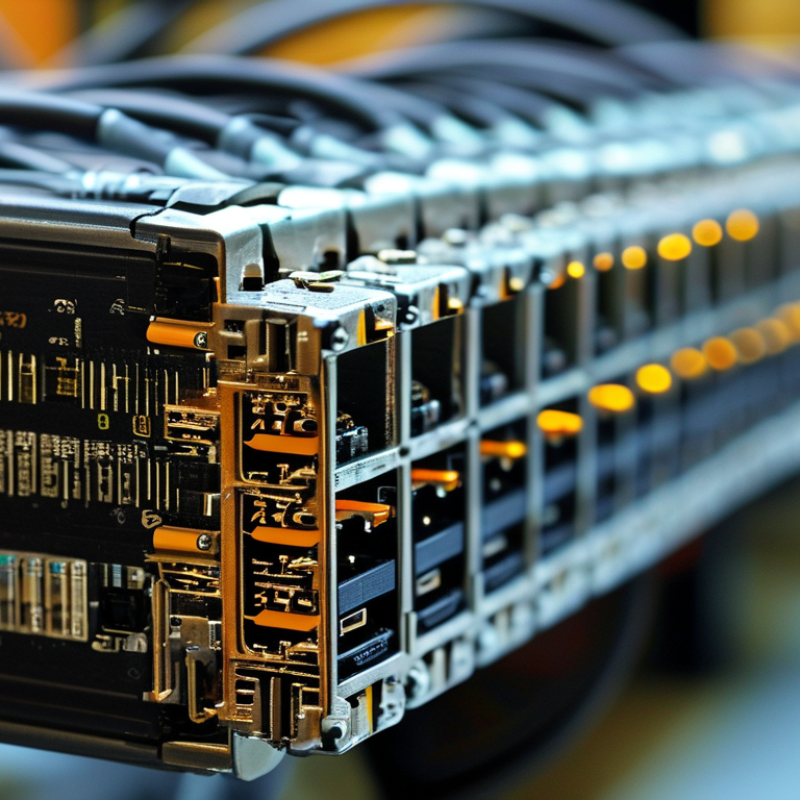
Understanding SFP connectors is vital for modern networking environments. These small form-factor pluggable transceivers enable flexible connections for data transmission. According to industry reports, SFP connectors account for over 70% of the market share in optical modules. This popularity stems from their versatility and the growing demand for high-speed data transfer.
SFP connectors support various protocols, including Gigabit Ethernet and Fibre Channel. Their pluggable design allows for easy upgrades without replacing entire systems. Research indicates that organizations can reduce expenses by 40% when they integrate SFP technologies. This efficiency is crucial as networks continue to expand.
**Tip:** Always verify compatibility before purchasing SFP modules. Mixing different types can lead to performance issues.
Improving network performance requires attention to detail. Daily operations may expose difficulties in maintaining consistent connection quality. Regular testing and monitoring can prevent unforeseen problems. Look into available diagnostics tools that can help with this.
**Tip:** Consider the environment where SFP connectors are used. Temperature, humidity, and other factors may impact reliability.
| SFP Connector Type | Data Rate | Distance | Wavelength | Application |
|---|---|---|---|---|
| SFP-GE-SX | 1 Gbps | 550 m (OM2) | 850 nm | Short-Range Ethernet |
| SFP-GE-LX | 1 Gbps | 10 km | 1310 nm | Long-Range Ethernet |
| SFP-10G-SR | 10 Gbps | 300 m (OM3) | 850 nm | Data Center Interconnect |
| SFP-10G-LR | 10 Gbps | 10 km | 1310 nm | Long-Distance Links |
| SFP-25G-SR | 25 Gbps | 70 m (OM3) | 850 nm | High-Speed Networks |
| SFP-100G-SR4 | 100 Gbps | 150 m (OM4) | 850 nm | Data Center Applications |
| SFP-100G-LR4 | 100 Gbps | 10 km | 1310 nm | Long Haul Networking |
| SFP+DAC | 10 Gbps | Up to 7 m | N/A | Short Distances |
| SFP-4G-LX | 4 Gbps | 10 km | 1310 nm | Fibre Channel Links |
| SFP-1G-T | 1 Gbps | 100 m | N/A | Copper Ethernet |
: The main types are SFP, SFP+, and SFP28. Each type serves specific applications based on data rate needs.
SFP connectors support 1 Gbps, SFP+ up to 10 Gbps, and SFP28 allows for 25 Gbps transmission.
SFP connectors are common in enterprise switches and connect servers to networking equipment for reliable data flow.
Single-mode is for long distances with lasers, while multi-mode is for shorter distances using LED light sources.
Multi-mode connectors are more cost-effective and suitable for small networks within one building or campus.
Always check compatibility with existing hardware. Future-proofing your network is also important for long-term performance.
SFP connectors are being integrated with 5G and IoT technologies to meet rising data traffic demands.
Compatibility issues arise as newer connectors may not work with older systems, creating adaptation concerns.
There is a trend towards miniaturization for denser arrangements, but this raises reliability and heat dissipation concerns.
A thorough understanding of connector types is essential. Ignoring this could lead to inefficiencies and increased costs.
SFP connectors, or Small Form-factor Pluggable connectors, play a vital role in networking by enabling high-speed data transmission and flexibility in network design. Understanding the different types of SFP connectors, such as those designed for single-mode and multi-mode fibers, is essential for optimizing specific applications in a network. The choice between these types depends on factors like distance, bandwidth requirements, and the overall architecture of the network.
As technology continues to advance, future trends in SFP connector technology may lead to innovations that enhance performance and expand compatibility with various networking standards. When selecting an SFP connector, it's crucial to consider factors such as data rate, transmission distance, and the environment in which the connector will be used. By making informed choices, network professionals can ensure robust connectivity and support for their growing infrastructure.

 Stpete Electronics