Top Socket Connector Manufacturers and Suppliers for Global Buyers

Time:2026-09-23 Author:Charlotte
0%

Global demand for reliable interconnection continues to expand across automotive electronics, data centers, industrial automation, and consumer devices. Grand View Research estimates that the global connectors market reached approximately USD 84.25 billion in 2023. Its report projects a 6.2% compound annual growth rate from 2024 to 2030. These figures cover several connector categories, not Socket Connector products alone. That limitation matters.

Dennis Zogbi, president of Bishop & Associates, has described the connector industry as “the bellwether of the electronics industry.” His observation remains relevant for buyers comparing Socket Connector manufacturers and suppliers worldwide. A supplier’s real strength is not shown by a catalogue alone. It appears in contact resistance data, mating-cycle results, temperature ratings, and delivery records. Small details matter. A loose terminal can interrupt an entire control system.

This guide evaluates leading Socket Connector manufacturers through practical purchasing criteria. These include product consistency, engineering support, factory capacity, certification, customization, and global logistics. Data from Grand View Research, MarketsandMarkets, and major manufacturer reports indicate continued investment in high-speed, high-density, and miniaturized interconnection systems. However, market estimates differ because researchers define “connector” differently. Buyers should remain cautious.

A credible supplier should provide clear datasheets, test conditions, material declarations, and traceable quality procedures. Relevant evidence may include IEC or IPC alignment, UL recognition, RoHS and REACH documentation, and documented change-control practices. Regional availability also affects total cost. A lower unit price may become expensive after tooling delays, inconsistent plating, or urgent air freight. This comparison aims to make those risks visible, even where public information remains incomplete.
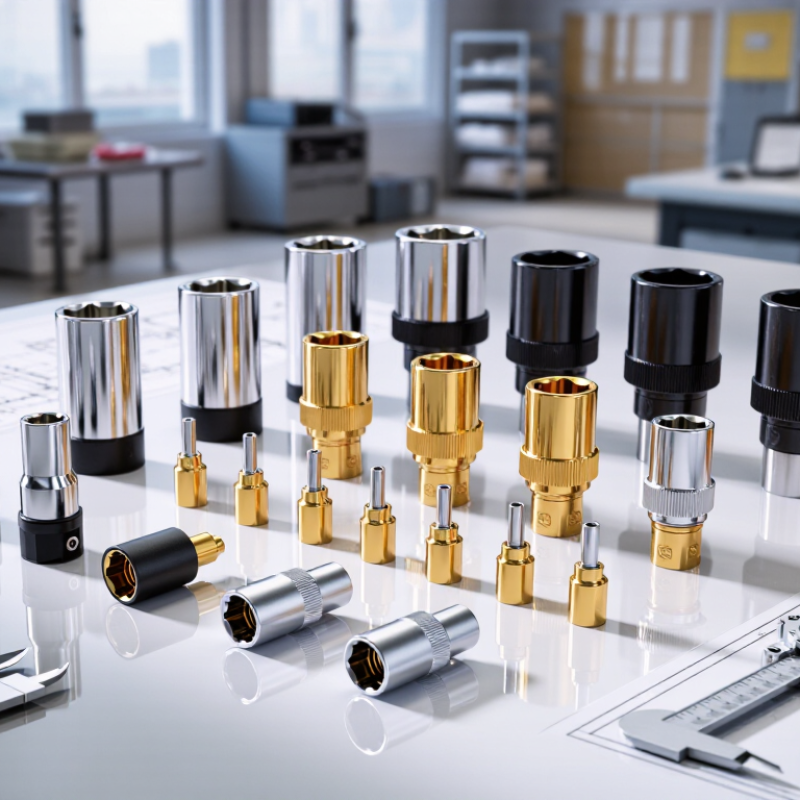
Top Socket Connector Manufacturers and Suppliers for Global Buyers

Socket Connectors: Definition, Structure, and Core Functions

Socket connectors are detachable interfaces that join a plug, cable, or circuit board without permanent soldering. They carry power, signals, or both. Their removable design supports maintenance, testing, and product upgrades.

A typical socket includes an insulating housing, conductive contacts, retention features, and a keying system. Contacts may use copper alloys with nickel or gold plating. The housing controls alignment and insulation. Keying prevents incorrect insertion.

Small details matter. A 2.54 mm pitch can suit control boards, while rugged circular designs fit industrial equipment.

Spring force, contact resistance, mating cycles, and operating temperature should be checked against IEC 60512 test methods.

Market demand reflects this complexity. MarketsandMarkets estimates the global electronic connector market will grow from about USD 84.9 billion in 2023 to USD 97.4 billion by 2028. Bishop & Associates also reported continued growth in automotive, industrial, and data-related connector applications.

These figures help global buyers compare suppliers, but market size does not guarantee product quality. A polished datasheet is not proof.

In practical evaluations, suppliers should provide current test reports, material details, traceability records, and samples from normal production.

One overlooked issue is contact heating under continuous load. It can remain invisible during a short inspection. Supplier capability, application engineering, and consistent quality control often matter as much as unit price.

Major Socket Connector Types and Their Industrial Applications

Top Socket Connector Manufacturers and Suppliers for Global Buyers

Major Socket Connector Types and Their Industrial Applications

Socket connectors differ by contact geometry, service needs, and installation environment. IC sockets support removable chips during testing, maintenance, and field upgrades. Board-to-board sockets link control boards in compact automation systems. Their guided contacts help maintain alignment, especially where vibration is present. Wire-to-board sockets connect sensors, relays, and power modules inside industrial equipment.

Pogo-pin sockets use spring-loaded contacts for charging stations, test fixtures, and portable instruments. They tolerate repeated mating cycles when contact force remains stable. Circular sockets suit robotics, medical equipment, and outdoor controls. Sealed versions resist dust and moisture. The IEC 60529 ingress ratings help engineers specify protection levels, although ratings alone cannot predict every field failure.

Demand is moving toward smaller and denser interconnects. The IEA reported nearly 14 million electric cars sold worldwide in 2023, increasing pressure on battery monitoring and power-control assemblies. MarketsandMarkets also projects continued growth in the global connector market through 2028, driven by vehicles, data systems, and factory automation. These figures support investment, but they do not remove design trade-offs.

A smaller socket saves space. It may reduce repair access. Engineers should check current capacity, mating cycles, temperature range, vibration, and creepage distance. IPC and IEC test methods improve comparison between suppliers, yet real machines remain imperfect. Dust, cable stress, and rushed assembly can defeat an excellent specification. Procurement teams should request test records, traceability, and samples before approving production quantities.

Key Standards and Performance Factors for Global Buyers

Global socket connector buyers need more than a low quotation. Standards and measurable performance determine whether a connector survives real equipment conditions. IEC 60512 test methods can support checks for contact resistance, mechanical strength, and mating durability. IEC 60664 is relevant when insulation coordination and clearance distances affect safety. For plastic housings, UL 94 flammability ratings may matter in controlled applications. Verify the required edition and market approvals before ordering.

Performance begins with the contact system. Ask for rated current, voltage, temperature range, and maximum resistance after aging. Gold, nickel, or tin plating can suit different environments, but thickness and base material matter more than attractive terminology. In factory inspections, I check terminal alignment, insertion force, and a sample batch under magnification. Small burrs can damage mating parts. They are easy to miss.

Dimensional control also affects global sourcing. Request drawings with tolerances, mating specifications, and test reports linked to lot numbers. Packaging should prevent oxidation, dust, and bent terminals during long transport. A supplier should explain sampling plans, corrective actions, and change-control procedures. ISO 9001 certification helps, but it does not replace product testing. A datasheet can look complete and still hide weak evidence. I have seen connectors pass room-temperature checks but fail after thermal cycling. That result deserves a review of materials, plating, and test duration, not a rushed approval.

How to Evaluate Socket Connector Manufacturers and Suppliers

How to Evaluate Socket Connector Manufacturers and Suppliers

Selecting a socket connector supplier requires more than comparing unit prices. The MarketsandMarkets 2023 report estimates the electronic connectors market will grow from USD 84.6 billion in 2023 to USD 103.7 billion by 2028. This growth attracts capable factories and inconsistent intermediaries. Verify whether the supplier controls molding, plating, assembly, and final inspection. Request ISO 9001 certification, material declarations, and batch traceability. A reliable supplier should provide mating-cycle results, contact resistance, insulation resistance, and thermal-aging data. Ask for samples from regular production, not specially prepared units.

Field experience also matters. Check whether the manufacturer understands your operating environment, including vibration, humidity, current load, and installation errors. Ask for test conditions and acceptance limits. The IEC 60512 standard provides recognized methods for connector testing, but compliance claims still require evidence. Review factory audit reports, corrective-action records, and delivery history. Lead time deserves attention too. Low prices can hide unstable plating thickness or weak quality control. I have seen attractive samples fail after repeated mating. That mistake is expensive.

Tips: Compare at least three suppliers using one written scorecard. Include quality, capacity, tooling ownership, warranty response, and documentation. Request a pilot order before annual volume commitments. Keep two qualified sources when failure would stop production. A supplier may pass every document check and still communicate poorly. Test that relationship early. Recheck specifications after design changes, because small housing revisions can alter fit, heat buildup, and contact reliability.

Global Sourcing, Quality Control, and Supply Chain Considerations

Top Socket Connector Manufacturers and Suppliers for Global Buyers

Global Sourcing, Quality Control, and Supply Chain Considerations

Global buyers need more than a low unit price when selecting socket connector suppliers. A reliable sourcing process starts with application details. Define contact pitch, current rating, insulation material, mating cycles, and operating temperature. Ask suppliers for controlled drawings and revision histories. Small dimensional changes can disrupt automated assembly. That risk is often underestimated.

A capable supplier should provide lot traceability, inspection records, and material declarations. Request samples from the intended production line, not a special laboratory batch. Check plating thickness, terminal retention, insertion force, and housing fit. Use calibrated gauges and record results by lot. Independent testing can verify temperature rise and durability. Factory audits should examine process controls, worker training, mold maintenance, and corrective-action records. Documents help. Physical evidence matters more.

Global supply chains need a practical plan for tooling, capacity, packaging, and transport. Confirm lead times for prototypes and repeat orders separately. Keep approved samples at both buyer and supplier sites. Buffer stock may protect production, but it can also hide weak forecasting. Dual sourcing can reduce disruption, although qualification costs are real. Do not assume a second supplier is automatically ready. Review customs documents, labels, and moisture protection before shipment. One overlooked carton detail can delay an entire line. Supplier scorecards are useful, yet they remain incomplete.

Top Socket Connector Manufacturers and Suppliers for Global Buyers - Global Sourcing, Quality Control, and Supply Chain Considerations

Sourcing Region Typical Product Scope Indicative MOQ for Standard Items Typical Production Lead Time Common Material Options Quality-Control Priorities Frequently Requested Compliance Supply-Chain Considerations
East Asia IC sockets, board-to-board sockets, wire-to-board connectors, terminal blocks, and custom stamped-contact assemblies Approximately 1,000–10,000 pieces, depending on tooling and customization 4–8 weeks for repeat products; 8–14 weeks when new tooling is required Copper alloys for contacts, tin or gold plating, glass-filled nylon, PBT, LCP, and other engineering thermoplastics Plating thickness, contact resistance, insertion and withdrawal force, dimensional capability, terminal retention, and automated optical inspection RoHS, REACH, IEC 61984, UL 1977, flammability testing such as UL 94, and customer-specific material declarations Broad component ecosystems and competitive tooling costs; buyers should confirm capacity allocation, mold ownership, export documentation, and backup sources for resin and metal strip
Southeast Asia Automotive, industrial, consumer-electronics, and cable-assembly socket connectors Approximately 2,000–20,000 pieces for recurring production programs 6–12 weeks, with additional time for validation of new production lines Tin-plated copper alloys, gold-plated contacts, PBT, PA66, LCP, silicone seals, and thermoplastic elastomers Crimp-height verification, pull-force testing, seal integrity, thermal cycling, vibration resistance, and process traceability RoHS, REACH, ISO 9001-based quality systems, IATF 16949 for qualifying automotive facilities, and applicable customer standards Useful for regional diversification and tariff planning; confirm local content rules, port congestion exposure, minimum annual volumes, and disaster-recovery arrangements
South Asia Lower-to-mid-volume cable connectors, terminal housings, wire harness components, and selected electromechanical parts Approximately 500–5,000 pieces, subject to tooling and material availability 6–12 weeks for production orders; pilot builds may require separate scheduling Copper and copper-alloy contacts, tin plating, nylon, PBT, PVC, and general-purpose engineering plastics Dimensional inspection, crimp performance, terminal locking, molding consistency, electrical continuity, and lot segregation RoHS, REACH, ISO 9001, IEC or customer-specific electrical safety requirements, and material test reports Can support cost-sensitive programs; buyers should assess tooling capability, engineering change control, packaging standards, and consistency of raw-material supply
Europe High-reliability industrial, energy, transportation, medical, and specialized socket connector assemblies Approximately 100–2,000 pieces for engineered or certified products 6–16 weeks, depending on engineering review, certification, and production capacity High-conductivity copper alloys, selective gold or tin plating, flame-retardant thermoplastics, stainless steel, and specialty elastomers Design verification, process validation, electrical safety, environmental testing, statistical process control, and full batch traceability RoHS, REACH, IEC 61984, EN standards where applicable, ISO 9001, ISO 14001, and sector-specific requirements Strong documentation and engineering support; buyers should account for higher labor costs, longer qualification cycles, and regional chemical or environmental obligations
North America Industrial controls, aerospace-support equipment, data infrastructure, medical devices, and custom connector assemblies Approximately 100–2,500 pieces for engineered products; larger volumes for catalog items 6–14 weeks, with expedited production available for selected standard products Copper alloys, nickel underplating, gold or tin finishes, flame-retardant nylon, PBT, LCP, and aluminum or stainless-steel hardware First-article inspection, electrical performance, mating-cycle testing, environmental qualification, supplier corrective action, and serialization where required UL 1977, UL 94, RoHS, REACH, IEC requirements, ISO 9001, and industry-specific quality or traceability standards Shorter domestic replenishment routes for regional buyers; evaluate labor cost, import exposure for raw materials, cybersecurity requirements, and controlled-drawing management
Global Supplier Evaluation Applicable to all regions and product categories Set MOQ from annual demand, tooling amortization, packaging quantity, and forecast stability Separate prototype, qualification, first production, and repeat-order lead times Require material specifications, plating standards, resin grade, recycled-content declaration, and change-notification procedures Use an approved sample, control plan, inspection checklist, certificate of analysis, and independent pre-shipment inspection when risk justifies it Verify certificates directly with the issuing body or laboratory; confirm that certification applies to the exact part number and material configuration Compare total landed cost, not unit price alone, including tooling, freight, duties, inspection, inventory carrying cost, payment terms, and warranty exposure
Planning note: MOQ and lead-time figures are indicative procurement ranges rather than guaranteed quotations. Actual values vary by socket type, contact count, pitch, plating specification, tooling status, qualification requirements, order volume, seasonality, and shipping lane.

FAQS

What is a socket connector?

A socket connector is a removable interface for plugs, cables, or circuit boards. It carries power, signals, or both. No permanent soldering is required.

What parts make up a typical socket connector?

A typical socket has an insulating housing, conductive contacts, retention features, and a keying system. The housing guides alignment and limits unwanted contact. Keying helps prevent incorrect insertion.

Which socket connector types suit industrial equipment?

IC sockets support removable chips during testing and maintenance. Board-to-board sockets link compact control boards. Wire-to-board sockets connect sensors, relays, and power modules.

Where are spring-loaded socket connectors commonly used?

Spring-loaded contacts suit charging stations, test fixtures, and portable instruments. They support repeated mating when spring force remains stable. Performance can decline after heavy use.

How should buyers select a socket connector?

Check rated current, voltage, temperature range, mating cycles, vibration resistance, and contact resistance. Also review clearance, creepage distance, and repair access. A smaller socket may save space but complicate maintenance.

Which tests and standards can support connector evaluation?

IEC 60512 methods can help assess resistance, mechanical strength, and mating durability. IEC 60664 supports insulation coordination and clearance checks. Flammability ratings may matter for selected plastic housings.

What supplier evidence should global buyers request?

Request current test reports, material details, drawings, tolerances, and lot-linked traceability records. Ask for samples from normal production. A polished datasheet is not enough.

What problems can appear during real equipment use?

Continuous current can create contact heating that short inspections miss. Dust, cable stress, vibration, and rushed assembly may cause failures. Thermal cycling can expose weak materials or plating.

How should socket connectors be protected during transport?

Packaging should reduce oxidation, dust, and bent terminals during long transport. Suppliers should explain sampling plans, corrective actions, and change-control procedures. Packaging is easy to underestimate.

Does certification guarantee socket connector quality?

No. A quality certificate supports process evaluation, but it does not replace product testing. I would still compare samples, inspection records, and thermal-cycle results. Some assumptions fail.

Conclusion

This guide explains the definition, structure, and core functions of a Socket Connector, highlighting how its contacts, housing, insulation, and locking mechanisms support reliable electrical and mechanical connections. It reviews major socket connector types and their applications across industrial automation, telecommunications, automotive systems, consumer electronics, and other demanding environments. Readers will also learn how voltage, current capacity, signal integrity, durability, temperature resistance, ingress protection, and relevant international standards influence product selection.

For global buyers, the article provides a practical framework for evaluating socket connector manufacturers and suppliers. Key considerations include engineering expertise, material quality, manufacturing consistency, testing capabilities, certifications, customization support, production capacity, delivery reliability, and after-sales service. It also addresses global sourcing, quality control, documentation, packaging, logistics, and supply chain risk management, helping procurement teams compare suppliers systematically and choose dependable connection solutions that meet technical requirements, compliance expectations, and long-term operational goals.

Charlotte

Charlotte

Charlotte is a seasoned marketing professional with a deep understanding of the company's portfolio and a passion for elevating its presence in the market. With a keen eye for detail and a commitment to excellence, she ensures that our professional blog is regularly updated with insightful articles......