In the realm of networking solutions, the RJ45 connector emerges as a fundamental component. Known for its versatility, the RJ45 connector plays a crucial role in connecting various devices. It is at the heart of Ethernet networks, enabling seamless communication between computers, routers, and switches. This small yet powerful connector supports data transmission at high speeds, making it a preferred choice for many tech professionals.
One might overlook the significance of the RJ45 connector in designing modern networks. However, its impact cannot be ignored. Beyond basic connectivity, it facilitates advancements in communication technologies. Each application emphasizes the connecter’s reliability and effectiveness in diverse environments. Whether in homes or large enterprises, the RJ45 connector remains key to building robust networks.
However, it’s essential to recognize some challenges. Improper usage or lower quality RJ45 connectors can degrade network performance. Being aware of these pitfalls is crucial for anyone involved in networking. By understanding the multiple uses of RJ45 connectors, professionals can make informed decisions to enhance their networking solutions.
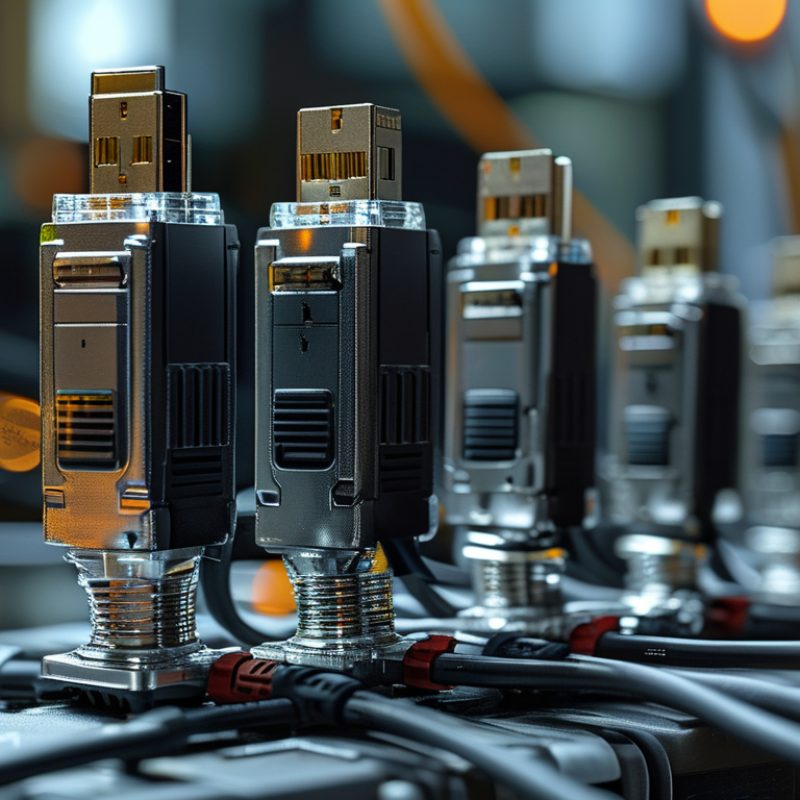
RJ45 connectors are essential components in modern networking solutions. Often used to connect devices to Ethernet networks, they facilitate the transmission of data at high speeds. These connectors have eight pins and support various network cables, such as Category 5, 5e, 6, and 6a. Their design allows for reliable and consistent connections, crucial for both home and enterprise networks.
In practice, maintaining RJ45 connectors is vital. Regular inspections for wear and tear can prevent connectivity issues. Ensure that cables are not bent sharply, as this can damage the internal wiring. Using protective boots on connectors can also enhance durability.
Consider organizing your network cables neatly. Poorly managed cables can lead to interference and signal loss. Labeling your cables can save time during troubleshooting. By following these tips, you improve overall network performance and reliability.
RJ45 connectors play a crucial role in home networking solutions. These connectors are essential for establishing stable and high-speed internet connections. According to industry reports, over 90% of wired home networks utilize Ethernet technology, with RJ45 connectors being the primary interface.
In residential setups, RJ45 connectors link devices such as routers, switches, and computers. They support various Ethernet standards, including Fast Ethernet (100 Mbps) and Gigabit Ethernet (1 Gbps). This versatility makes them ideal for streaming, gaming, and remote work. However, not all setups are optimized. Many homes experience connectivity issues due to poor cabling practices or outdated infrastructure.
Moreover, with the shift towards smart homes, RJ45 connectors are more relevant than ever. Internet of Things (IoT) devices often require a stable connection that only wired solutions can offer. Reports indicate that around 60% of families are integrating IoT devices, emphasizing the need for reliable networking solutions. It's crucial for homeowners to assess their current wiring and consider upgrades where necessary, as this can vastly improve performance.
RJ45 connectors play a crucial role in modern business and enterprise networking. In environments with high data traffic, these connectors ensure reliable network connections for various devices. According to a 2022 report by the International Data Corporation (IDC), over 80% of businesses rely on Ethernet technologies, with RJ45 connectors as the backbone for wired networks. This statistic highlights their integral role in maintaining stable and fast connections.
The simplicity of RJ45 connectors allows for easy installation and maintenance. Most IT professionals can connect devices without extensive training. However, poorly installed connectors can lead to intermittent connectivity issues. A study by Gartner indicated that up to 25% of network failures stem from inferior cabling and connector setups. Businesses must prioritize proper installation techniques to avoid these pitfalls.
Furthermore, the versatility of RJ45 connectors makes them suitable for various applications. From connecting computers to switches in a local area network (LAN) to supporting VoIP systems, their adaptability is significant. Nevertheless, as technology evolves, organizations must remain vigilant about emerging standards, such as higher data throughput requirements. Keeping up with these changes ensures continued network efficiency and performance.
| Use Case | Description | Industry Application | Benefits |
|---|---|---|---|
| Ethernet Connections | Connects devices in local area networks using twisted-pair cabling. | Office Networks | High-speed data transfer, reliability. |
| VoIP Phones | Connects Voice over IP phones to network switches. | Corporate Communications | Cost-effective, quality audio, ease of integration. |
| Print Servers | Allows networked printers to connect and communicate. | Office Environments | Streamlined printing, reduced clutter from local printers. |
| Surveillance Cameras | Connects IP cameras to the network for monitoring. | Security Systems | Enhanced security, remote monitoring capability. |
| Network Attached Storage (NAS) | Connects storage devices to the network for shared access. | Data Management | Centralized data access, easy backups. |
| Wi-Fi Access Points | Connects access points to the wired network. | Wireless Networking | Broader wireless coverage, improved connectivity. |
| Load Balancers | Distributes network traffic across multiple servers. | Data Centers | Increased reliability, performance optimization. |
| Smart TVs and Media Players | Connects smart devices to the network for streaming. | Entertainment | Seamless media streaming, enhanced quality. |
| Point of Sale (POS) Systems | Connects POS terminals to the network for transactions. | Retail | Faster transactions, centralized management. |
RJ45 connectors play a vital role in data centers and server management. These connectors facilitate reliable network connections. Each RJ45 connector can manage multiple data streams securely. Their standardized design allows teams to utilize them across various networking equipment. This compatibility proves essential for system upgrades and expansions, making RJ45 connectors a key element in infrastructure planning.
In data centers, RJ45 connectors are crucial for ensuring fast and stable communications. They are frequently used in Ethernet networks to connect devices like switches and routers. The performance of these connectors impacts overall network efficiency. Nonetheless, improper installation can lead to connection issues. Strain relief and proper cabling practice must be priorities to prevent potential network failures.
Server management also leverages RJ45 connectors for remote access and monitoring. Technicians rely on them to establish connections to servers for routine checks and updates. However, overlooking the physical condition of these connectors can lead to unnecessary downtime. Regular inspections and maintenance are essential to uphold their reliability. Understanding their role can help optimize networking solutions in complex data centers.
RJ45 connectors are integral to modern networking. As technology evolves, so do their applications. Future trends indicate a shift towards more advanced RJ45 designs. These will support higher data speeds and better reliability. Enhanced materials will resist wear and tear, contributing to longer lifespans.
Moreover, the rise of IoT devices will increase RJ45's relevance. With more smart devices connecting to networks, robust connectors become crucial. Innovations in RJ45 technology could allow seamless integration with wireless systems. While the possibilities are exciting, it’s essential to consider challenges. Installing these connectors in dense environments can become problematic. In addition, keeping up with rapid advancements may lead to compatibility issues.
It's worth noting the ongoing development in PoE technology too. Enhanced Power over Ethernet solutions will use RJ45 connectors for delivering electricity and data together. This trend could reduce cable clutter, creating cleaner installations. Nonetheless, planners must be cautious when designing these systems. Balancing efficiency and practicality remains a critical focus.
: RJ45 connectors connect devices to Ethernet networks, facilitating high-speed data transmission.
Regular inspections prevent connectivity issues and ensure reliable connections in networks.
Poorly managed cables can cause interference and signal loss, reducing overall network efficiency.
Proper installation techniques are crucial, as poor setups can lead to network failures.
They ensure fast, stable communications between devices like switches and routers.
Yes, they are designed to manage multiple data streams securely in networking environments.
They allow technicians remote access for routine checks and updates on servers.
Overlooking their condition can lead to downtime, making inspections essential for reliability.
Sharp bends in cables can damage wiring, causing connection issues over time.
They need to stay updated on standards to maintain network efficiency as technology evolves.
RJ45 connectors are essential components in networking solutions, serving as the backbone for data transmission in various environments. Their importance is particularly evident in home networking applications, where they facilitate reliable internet connectivity for devices such as computers, gaming consoles, and smart home devices. In business and enterprise settings, RJ45 connectors enable efficient communication and data sharing, supporting a robust network infrastructure vital for daily operations.
Moreover, in data centers and server management, RJ45 connectors play a crucial role in ensuring seamless connectivity between servers and network equipment. As technology evolves, the future of RJ45 connectors is promising, with advancements aimed at enhancing their performance and adaptability to emerging networking standards. Overall, RJ45 connectors remain a key element in the development of efficient and effective networking solutions.

Stpete Electronics