Why Choose SC FC Connector for Global Fiber Networks?

Time:2026-09-08 Author:Mason
0%

Global fiber networks face dust, vibration, temperature changes, and repeated maintenance. A dependable connector must handle these conditions without creating hidden signal loss. The Sc Fc Connector remains a practical choice because it combines proven designs with broad field familiarity.

SC connectors use a push-pull mechanism. Technicians can install them quickly in dense network cabinets. FC connectors use a threaded coupling, which supports stable connections in environments with movement or vibration. This difference matters. Small details matter.

Jim Hayes, a veteran fiber-optics educator and former president of the Fiber Optic Association, has emphasized, “The connector is only as good as the installation behind it.” That principle guides every serious deployment. Even a high-quality Sc Fc Connector can perform poorly when technicians skip end-face inspection, cleaning, or insertion-loss testing.

In real installations, a technician may connect fibers inside a dusty roadside cabinet or a crowded data center rack. The connector must fit the equipment, cable type, and maintenance routine. It should also align with recognized practices, including proper polishing, inspection, labeling, and test documentation.

SC FC solutions are not automatically ideal for every network. That deserves honest consideration. Modern systems may need smaller duplex connectors or higher-density formats. Still, SC and FC designs remain valuable where reliability, compatibility, and serviceability matter more than maximum port density. The right decision comes from measured performance, environmental demands, and long-term operational experience.
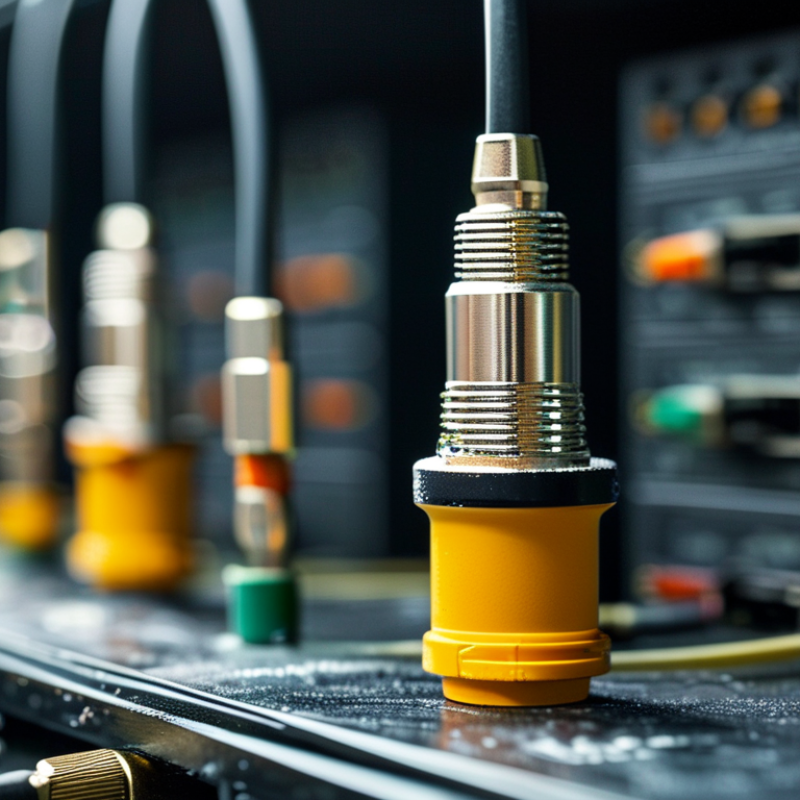
Why Choose SC FC Connector for Global Fiber Networks?

SC FC Connector Basics and Their Roles in Fiber Networks

SC and FC connectors are basic but important fiber-network interfaces. An SC connector uses a push-pull coupling, making installation quick in cabinets and distribution boxes. Its square housing also supports higher port density. An FC connector uses a threaded coupling, which resists vibration and accidental movement. Both commonly use a 2.5-millimeter ferrule for precise fiber alignment. Small errors matter.

The International Telecommunication Union reported 5.4 billion Internet users in 2023, equal to about 67% of the global population. This growth increases pressure on access, data-center, and backbone networks. SC connectors often suit FTTH and structured cabling because technicians can connect them quickly. FC connectors remain useful in testing equipment, carrier environments, and locations needing stronger mechanical stability. The Fiber Optic Association identifies about 0.3 dB as a practical insertion-loss target for a mated connection. Clean end faces are essential.

A connector is not automatically reliable. Dust, poor polishing, and excessive bending can raise loss and reflection. Technicians should inspect, clean, and test every connection before acceptance. IEC 61754 interface standards help maintain dimensional compatibility, but real field conditions can still expose weaknesses. A loose adapter may pass an early check, then fail after repeated handling. That is easy to underestimate. Rescue work often costs more than careful installation.

Key Design Differences Between SC and FC Connector Interfaces

Why Choose SC FC Connector for Global Fiber Networks?

SC and FC connector interfaces serve different network needs. Their designs affect installation speed, panel density, and connection stability. The SC connector uses a square push-pull housing. It locks quickly with a simple insertion motion. This suits structured cabling, distribution frames, and high-density installations. Its larger body can make crowded panels harder to manage.

The FC connector uses a threaded coupling mechanism. The metal or reinforced housing holds the connector firmly during vibration and repeated handling. This design benefits laboratory equipment, outdoor cabinets, and precision measurement links. However, threading takes more time and requires careful alignment. Both interfaces commonly use a 2.5-millimeter ferrule, yet housing design changes the user experience. In field work, a fast SC connection may reduce labor. In unstable environments, an FC connection may offer better mechanical security. That assumption still needs testing.

Tips

Check the adapter type before ordering cables. Inspect the end face under proper magnification. A small dust particle can increase insertion loss. Clean both interfaces before mating. Do not force a threaded connector. If the panel is crowded, measure clearance first. This simple step is often missed.

Technicians should also review return loss, insertion loss, connector polish, and operating temperature. These details matter more than connector appearance. My practical preference is conditional, not absolute. SC often supports efficient deployment, while FC supports controlled, secure alignment. Installation conditions should decide the interface.

Performance Factors for Global Fiber Network Deployment

Why Choose SC FC Connector for Global Fiber Networks?

Performance Factors for Global Fiber Network Deployment

Global fiber networks face different temperatures, dust levels, and maintenance habits. Connector selection must match real deployment conditions. SC connectors provide simple push-pull installation and stable alignment. FC connectors use a threaded coupling, which resists vibration and accidental movement. This difference matters in cabinets near roads, railways, or industrial equipment. The best choice depends on the network environment, not appearance alone.

Insertion loss affects signal reach and operating margin. Return loss influences transmission quality, especially in dense or high-speed systems. Technicians should also check ferrule alignment, mating durability, cable bend limits, and adapter compatibility. In coastal locations, sealed enclosures and careful cleaning become essential. Field inspections often reveal a neglected detail: one dusty end face can weaken an otherwise excellent link. The first design is rarely perfect. That deserves honest review.

Tips: Confirm connector type before ordering patch panels. Test insertion loss after installation. Keep protective caps attached during transport. Label polarity clearly at both ends. Avoid tight bends near the connector boot. Document test results for future maintenance. A connector may meet its specification, yet still fail in practice when installation training is weak. Regular inspection remains necessary.

Compatibility, Installation, and Maintenance Considerations

SC-FC connectors remain useful in global fiber networks because they bridge different interface types without replacing every installed component. Their compatibility supports gradual upgrades, especially where SC ports serve older equipment and FC ports remain on precision instruments. Always verify the fiber mode, connector polish, ferrule size, and adapter alignment before ordering. A familiar housing does not guarantee optical compatibility.

Installation quality matters more than connector appearance. Technicians should inspect both end faces with a fiber microscope before mating them. Dust particles can create high insertion loss or permanent scratches. Clean with approved lint-free tools, then test insertion loss and return loss with calibrated equipment. Keep the bend radius within the cable specification. A small routing mistake behind a rack can weaken performance over time. It happens more often than expected.

Maintenance should include inspection records, port labels, and protective dust caps on unused adapters. Avoid repeated reconnection because each cycle may add contamination or mechanical wear. In humid or dusty environments, schedule checks more frequently. Field experience shows that many failures begin with loose routing or poor cleaning, not the connector design itself. I have also seen teams trust a passing power reading too quickly. That can be misleading; stable links need documented tests, visual checks, and periodic review.

Why Choose SC FC Connector for Global Fiber Networks?

This comparison uses a practical 1–5 field rating based on commonly recognized connector characteristics. SC connectors use a push-pull coupling mechanism that supports fast installation and broad network compatibility, while FC connectors use a threaded coupling mechanism that provides stronger resistance to vibration and movement. Actual performance depends on connector quality, polishing type, adapters, cleanliness, and installation practices.

Selecting SC or FC Connectors for Different Network Environments

Why Choose SC FC Connector for Global Fiber Networks?

Selecting SC or FC connectors depends on the network environment, not personal preference. In crowded offices, I often favor SC connectors because their push-pull design allows quick installation. Technicians can connect them without twisting, even when rack space is limited. Their larger housing also makes cleaning and inspection easier. This matters when many patch cords run behind a busy cabinet. A small mistake there can create hours of troubleshooting.

FC connectors suit environments that demand stronger mechanical stability. Their threaded coupling resists vibration and accidental movement, making them useful in industrial rooms, test equipment, and outdoor cabinets. I have seen loose connections appear after repeated equipment handling. FC’s screw mechanism reduced that risk. However, installation takes longer, and damaged threads can create new problems. That detail is easy to overlook. SC may be the practical choice for fast maintenance, while FC can provide steadier performance under physical stress. Fiber type, adapter compatibility, insertion loss, cleaning access, and technician skill should guide the decision. I once selected a connector only because it was familiar. The network worked, but maintenance became inconvenient. A field trial would have exposed that weakness earlier.

FAQS

: What are SC and FC connectors used for?

: They connect fiber cables with different interface designs. SC connectors suit quick patching in cabinets and distribution boxes. FC connectors suit stable connections in vibration-prone areas. Both commonly use 2.5-millimeter ferrules.

How do SC and FC connectors differ mechanically?

SC connectors use a push-pull coupling. They connect quickly without twisting. FC connectors use a threaded coupling. That design resists movement, vibration, and accidental pulling.

When is an SC connector a practical choice?

SC connectors work well in FTTH and structured cabling. Their square housing supports dense cabinet layouts. Technicians can connect them quickly in crowded racks. Fast does not always mean better.

When should an FC connector be considered?

FC connectors suit test equipment, carrier environments, and industrial rooms. They can remain steadier during repeated handling. Outdoor cabinets may also benefit from threaded coupling. Damaged threads create another maintenance problem.

Are SC and FC connectors automatically compatible?

No. Verify fiber mode, polish type, ferrule size, and adapter alignment. A familiar housing proves very little. Different interfaces may require a suitable hybrid adapter. Check before ordering.

What insertion loss should a mated connection generally target?

About 0.3 dB is a practical target for one mated connection. Actual results depend on cleanliness, polishing, alignment, and cable routing. A passing power reading may still hide weakness. That can mislead.

How should technicians prepare a connector before mating?

Inspect both end faces with a fiber microscope. Clean them using approved lint-free tools. Keep unused adapters covered with dust caps. Then test insertion loss and return loss.

What maintenance problems commonly affect fiber connectors?

Dust can increase loss and create permanent scratches. Poor polishing may increase reflection. Excessive bending can weaken performance over time. Loose routing behind a rack is easy to miss. Review records regularly.

Conclusion

SC and FC connectors are widely used fiber interfaces that support reliable signal transmission across local, regional, and international networks. A Sc Fc Connector solution combines the practical strengths of both connector types: SC connectors offer a simple push-pull design for fast installation, while FC connectors use a threaded coupling mechanism that provides strong retention and stable alignment. Their roles are especially important in systems where low signal loss, repeatable performance, and dependable physical connections are required.

When selecting connectors for global fiber network deployment, engineers should evaluate insertion loss, return loss, environmental resistance, installation space, and maintenance needs. SC interfaces are often suitable for high-density environments and routine service work, whereas FC interfaces can be preferred where vibration resistance and precise alignment are priorities. Compatibility with fiber type, adapters, patch panels, and testing equipment must also be confirmed. By balancing performance, handling efficiency, and operating conditions, network planners can choose the most suitable SC or FC configuration for each application.


Mason

Mason

Mason is a seasoned marketing professional with a deep expertise in the company's offerings and a passion for driving brand awareness. With a strong background in digital marketing strategies, he has an innate ability to connect with diverse audiences and effectively communicate product benefits.......