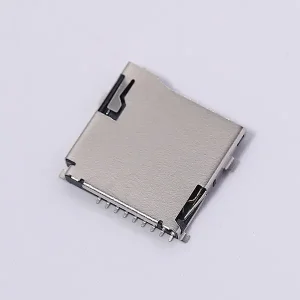
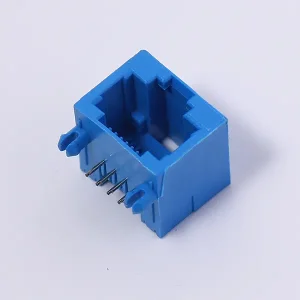
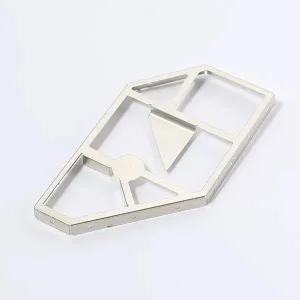
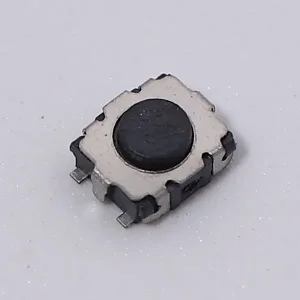
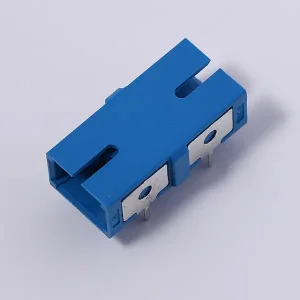
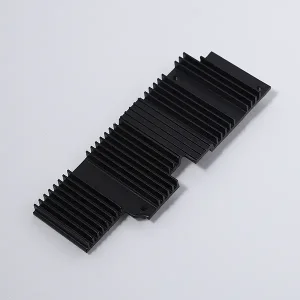
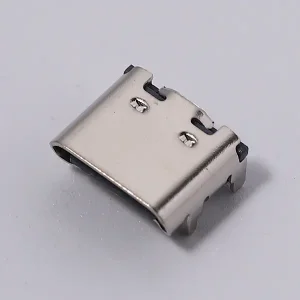
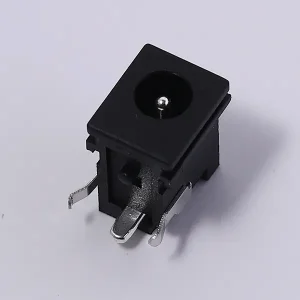
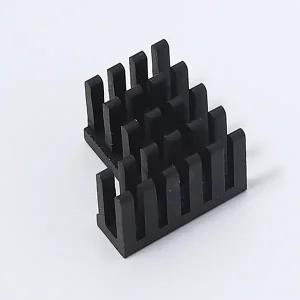
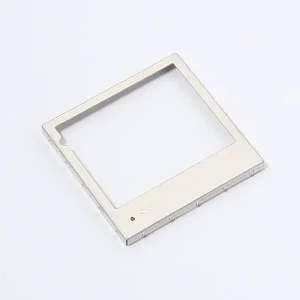
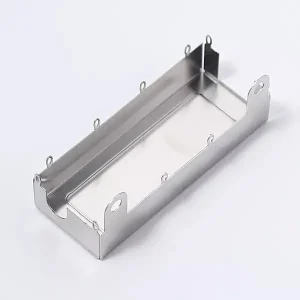
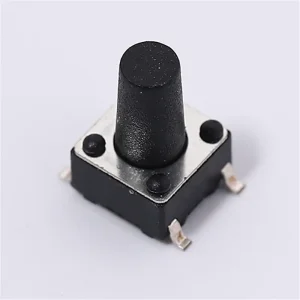
Explore our state-of-the-art electronics connectors, structural radiators, and advanced switches engineered for global enterprises.
A Whitepaper on Heat Dissipation Efficiencies, Materials Science, and Manufacturing Precision
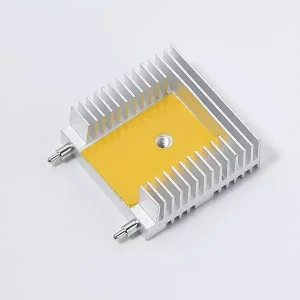
As microprocessors grow smaller and power densities escalate exponentially, thermal management has transitioned from a structural afterthought to a primary bottleneck in high-performance system design. Aluminum extrusion, coupled with high-precision computer numerical control (CNC) machining, represents the sweet spot of cost-effectiveness, material performance, and design flexibility. Whether dissipating heat from electric vehicle (EV) silicon carbide (SiC) inverters, telecommunication base station RF amplifiers, or enterprise datacenter servers, CNC extruded aluminum heatsinks are foundational components that guarantee operational integrity and component longevity.
Thermal Physics Context: According to Fourier's Law of Heat Conduction, the rate of heat transfer through a material is proportional to the negative gradient in the temperature and to the area through which the heat flows. In practical application, this means maximizing the surface area-to-volume ratio via optimized fin profiles while ensuring the base plate thickness prevents localized thermal choking.
While copper offers superior thermal conductivity (approx. 400 W/m·K), its heavy mass, raw material cost, and machining difficulty restrict its use to specialized heat pipes, vapor chambers, or localized inserts. Aluminum alloys, specifically 6063 and 6061, serve as the backbone of thermal dissipation profiles:
Established in 2005, Wenzhou Stpete Electronics Technology Co., Ltd. is a premier high-tech enterprise specializing in the research, development, custom manufacturing, and global sales of advanced electronic connectors and thermal management solutions.
Over the past two decades, we have developed a reputation for excellent product quality and highly responsive trading services. By matching rigorous German-level quality inspection courses with China's flexible supply chains, we serve tier-1 global equipment manufacturers, automotive innovators, and high-frequency communication system designers.

Purchasing components from a China CNC extruded heatsink factory provides distinct structural advantages that extend beyond raw labor cost savings. The integration of local manufacturing clusters, supply chain depth, and advanced technological tooling creates a competitive landscape that cannot easily be replicated elsewhere:
From aluminum smelting and primary billet casting to final surface treatments (such as hard anodizing or selective plating), every stage of the manufacturing process is executed within a 50-mile radius. This dramatic reduction in logistical friction speeds up development times and reduces lead-times for tool modifications.
Modern Chinese factories feature multi-axis CNC machines capable of holding sub-millimeter tolerances on post-extrusion processes. High-speed CNC milling ensures that flatness tolerances across critical contact plates are maintained under 0.05 mm, essential for minimal thermal interface material resistance.
Low tooling costs for custom extrusion dies enable OEMs and engineering firms to rapidly iterate designs without massive upfront capital expenditure. Typical extrusion die tooling costs in China range from $500 to $2,000, a small fraction of the cost in North America or Europe.
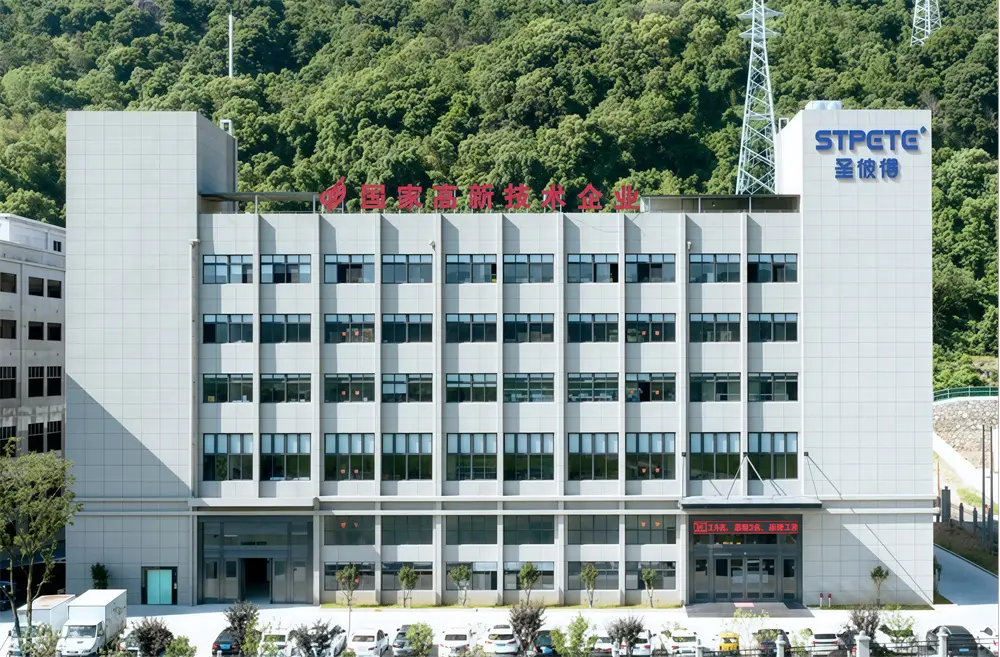
We maintain a full suite of state-of-the-art testing equipment to inspect and verify every production batch. Our high-precision testing machines monitor inbound raw metal chemistry, verify connector tolerances, and stress-test structural items.
By running multi-step inspection loops at each workstation, we eliminate manufacturing variance before products reach packaging. Our factory has achieved ISO 9001, ISO 14001, and ISO 18001 certifications. With over 20 R&D personnel, we regularly collaborate with industry-leading electronics and telecommunications giants including Huawei and Hisense to engineer high-frequency connectors, IF radio-frequency terminals, PCB network jacks, DC outlets, and custom aluminum radiators.
Different application environments demand specific design configurations. For example, forced convection setups can tolerate narrower spacing than natural convection systems, while outdoor units require resilient corrosion protection.
AI graphics processors (GPUs) and server CPUs generate dense thermal envelopes. Custom-designed, high-fin-density aluminum heatsinks with integrated copper cores provide rapid heat spreading. Precise CNC fly-cutting guarantees smooth contact surfaces for low thermal impedance interface layers.
Solar inverters and wind energy convertors utilize massive IGBT modules. Large-format extruded profiles, up to 600mm wide, function as both structural enclosures and active heatsinks, dissipating high wattages while resisting outdoor UV exposure and temperature cycling.
Electric vehicle (EV) drivetrains convert DC battery power into AC motor current via heavy-duty switches. These modules require rugged extruded heatsinks with liquid-cooling channels or pin-fin configurations to manage thermal loads in confined under-hood spaces.
Aluminum's natural oxide layer provides moderate protection, but industrial applications demand advanced surface treatments to resist environmental degradation, improve surface emissivity, or provide electrical isolation:
Highlighting our corporate investment, manufacturing scalability, and collaborative teamwork.

To strengthen cohesion and foster teamwork, our company regularly organizes team-building initiatives. These activities encourage trust, coordination, and creative thinking, allowing our teams to build strong bonds outside of the factory floor.
This collaborative spirit translates directly into our engineering work. Whether our teams are optimizing die patterns for complex geometries or tracking down shipping bottlenecks, our unified focus guarantees that global purchasers receive high-quality parts on schedule.
Our dedicated R&D division is composed of 30+ technical engineers. With an annual R&D investment exceeding 15 million RMB, we hold more than 21 registered utility and design patents, proving our technical capabilities in thermal design.
For Stpete, quality is guided by engineering and verified by test metrics. From raw material sorting to final packaging checks, every product run is inspected to ensure compliance with our strict internal standards.

Our facility features automated insert molding, high-tonnage punching presses, dynamic CNC milling machines, and automated assembly stations. This setup allows us to easily scale production to meet large volume orders.
Sourcing custom mechanical components internationally requires reliable logistics, clear design handoffs, and consistent communication. Global purchasers must consider several key factors to ensure a smooth transition from drawing board to volume production:
Supply Chain Security Note: Stpete provides raw material certifications (chemical composition analysis) and RoHS/REACH compliance declarations for every shipment, helping you meet strict international environmental guidelines.
Providing clear answers to common engineering, purchasing, and quality questions.
Our extrusion capability is determined by press tonnage, ranging from 600 to over 5,000 tons. We can extrude profiles up to 600mm in width, depending on the specific height-to-gap ratio. For wider applications, we offer custom multi-profile assemblies or friction-stir welded heatsinks.
We use CNC fly-cutting and face-milling to achieve high flatness. For critical high-power components, we can achieve flatness tolerances within 0.05mm across a 100mm span, helping minimize the thickness of the thermal interface material.
Yes. We can press-fit copper plates or run heat pipes into pre-machined channels in the aluminum heatsink base. This combines the rapid heat absorption of copper with the light weight and low cost of aluminum fins.
Extrusion tooling is typically completed within 10 to 15 days, and first-article prototype parts are delivered within 7 to 10 days of tooling sign-off. Volume production starts shortly after you approve the prototypes.
Review our second collection of connectors, interfaces, and customized thermal adapters.
Connect with our engineering team to review drawing tolerances, evaluate prototype schedules, or request custom quotes. We respond to all inquiries within 24 hours.
 Stpete Electronics