Explore our certified catalog of high-performance components designed to support modern heat sinks, telecommunications modules, and high-frequency RF systems.
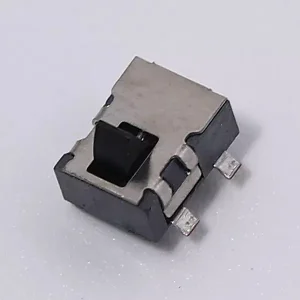
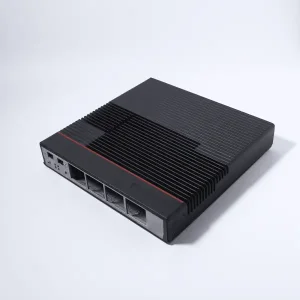
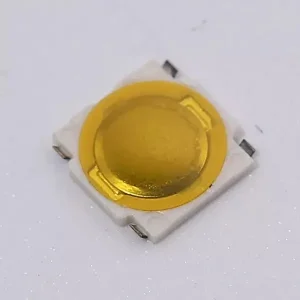
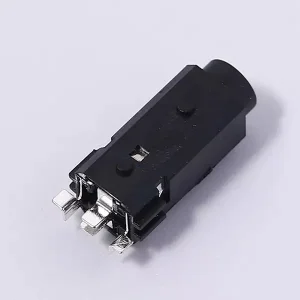
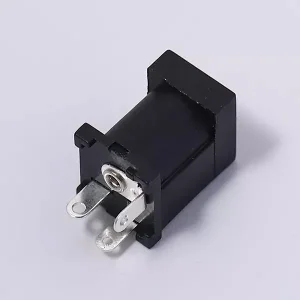
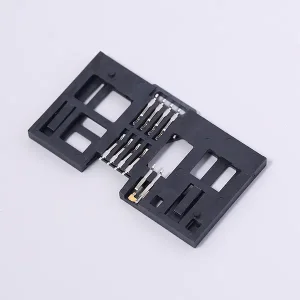
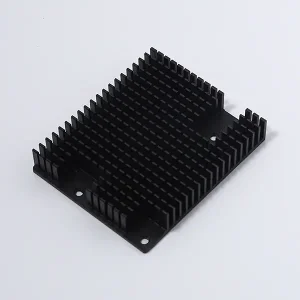
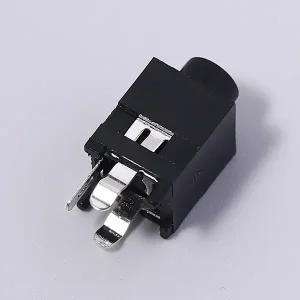

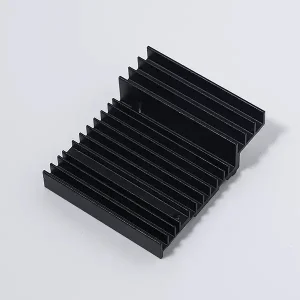
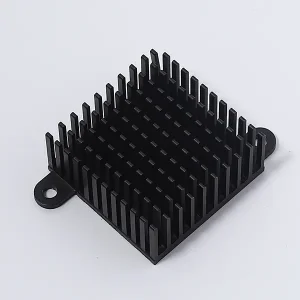
In the era of hyper-scale data processing, electric mobility (EV), and massive telecom integration, thermal management is no longer a secondary design element—it is a critical system bottleneck. Profile heat sinks, primarily manufactured through aluminum extrusion, serve as the frontline defense against thermal runaway in high-density electrical assemblies.
As semiconductor devices like silicon carbide (SiC) and gallium nitride (GaN) push operational boundaries, the heat flux levels rise dramatically. Without custom-engineered cooling profiles, system efficiencies plummet, leading to premature component failure. Extruded aluminum profile heat sinks offer an optimal combination of high thermal conductivity, low weight, and structural strength, ensuring stable temperatures across critical circuits.
An overview of the demand driving heat dissipation designs across international industrial sectors.
Next-generation 5G hardware and server units generate massive heat. Custom extruded heat sinks offer optimal fin patterns to lower thermal resistance during forced-air cooling cycles.
Electric vehicle charging stations and powertrain inverters demand highly robust heatsink profiles. Using optimized alloys like AL6063-T5 ensures both reliability and structural integrity.
Large solar power plants and wind energy conversion circuits deploy heavy-duty profile heat sinks to dissipate high thermal levels from high-capacity IGBT modules.
Compare key material values and structural standards used in the design of OEM profiles.
| Aluminum Alloy | Thermal Conductivity (W/m·K) | Yield Strength (MPa) | Extrusion Feasibility | Ideal Application |
|---|---|---|---|---|
| AL6063-T5 | 201 - 209 | ≥ 130 | Excellent | Complex high-fin profiles for telecom & electronics enclosures |
| AL6061-T6 | 160 - 170 | ≥ 240 | Moderate | High structural integrity applications (EV, Aerospace structures) |
| AL1060 | 230 | ≥ 35 | Poor (High Ductility) | Simple configurations demanding maximum possible raw thermal transfer |
*Note: Selecting the proper alloy requires balancing the thermal conductivity needs against the mechanical requirements and extrusion complexity (fin-to-gap ratio limit of up to 10:1 or higher depending on the press design).
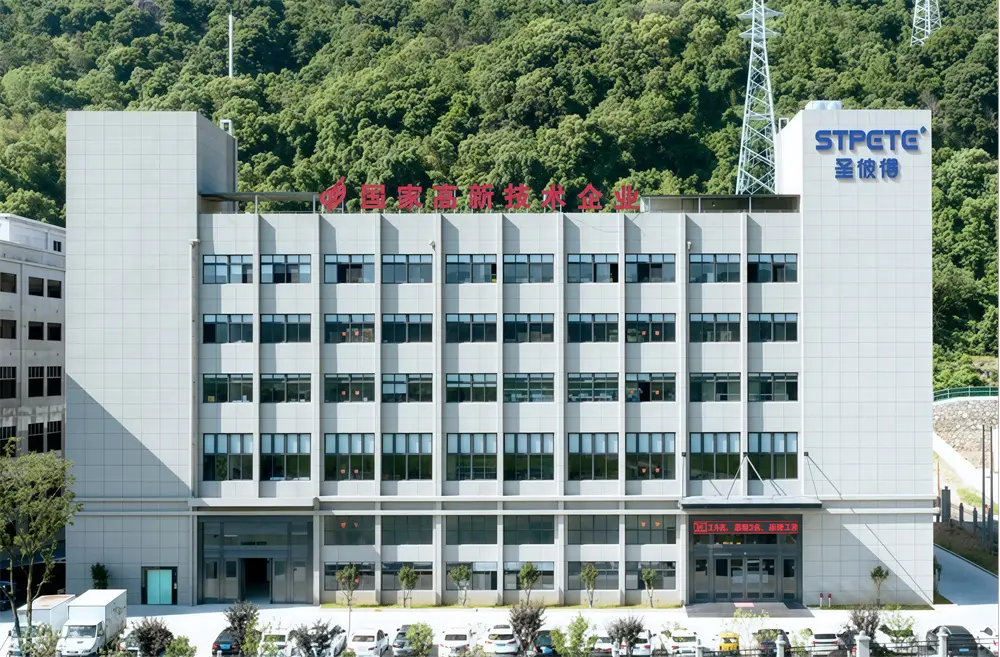
Chinese manufacturing bases provide unique benefits for industrial electronics sourcing. Modern plants feature vertically integrated processes, starting from CAD prototyping and tool/die fabrication through advanced aluminum extrusion, state-of-the-art CNC secondary operations (drilling, tapping, milling), and final surface finishes (black/clear anodizing, powder coating).
Our facilities utilize fully automated punching machines, high-accuracy inspection instruments, and advanced testing setups to eliminate deviations. This integrated approach ensures consistent quality, reduces shipping times, and provides reliable high-volume production for international markets.
Established in 2005, Wenzhou Stpete Electronics Technology Co., Ltd. is a high-tech enterprise specializing in the development, production, and sales of electronic connectors and thermal management solutions. Over two decades, we have built a solid reputation for quality and trading efficiency among customers at home and abroad.
Our advanced production facility is equipped to manufacture IF Radio-Frequency Terminals, FCB Network Jacks, DC Power Outlets, USB Sockets, AV Pin Jack Boards, and high-performance Radiators (heat sinks). By utilizing high-level punching machines and precision CNC machinery, we deliver reliable mechanical components designed to perform under demanding conditions.

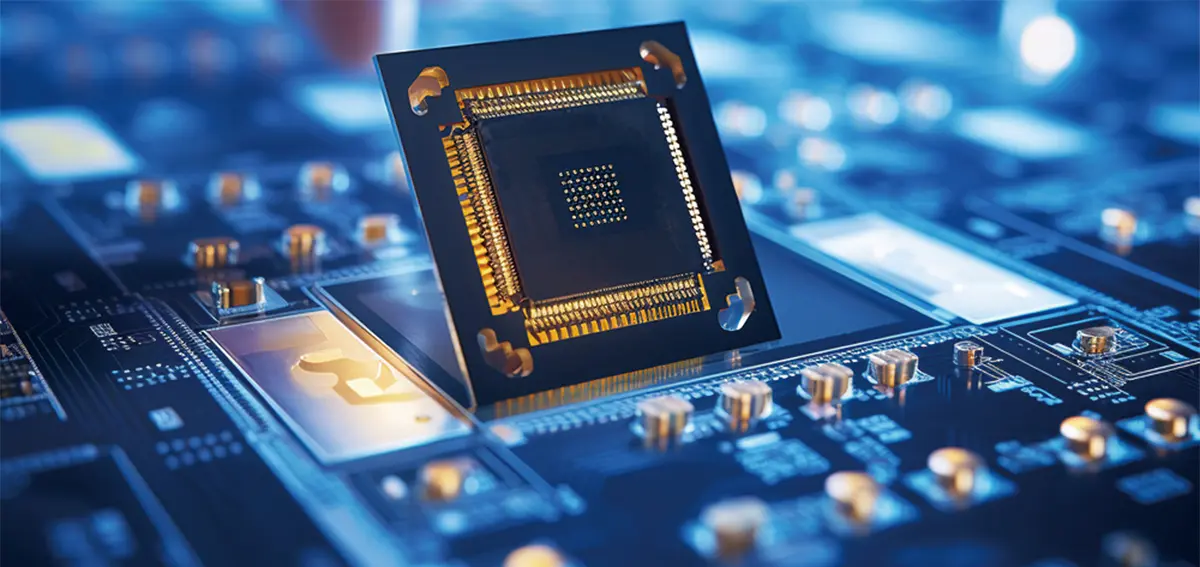
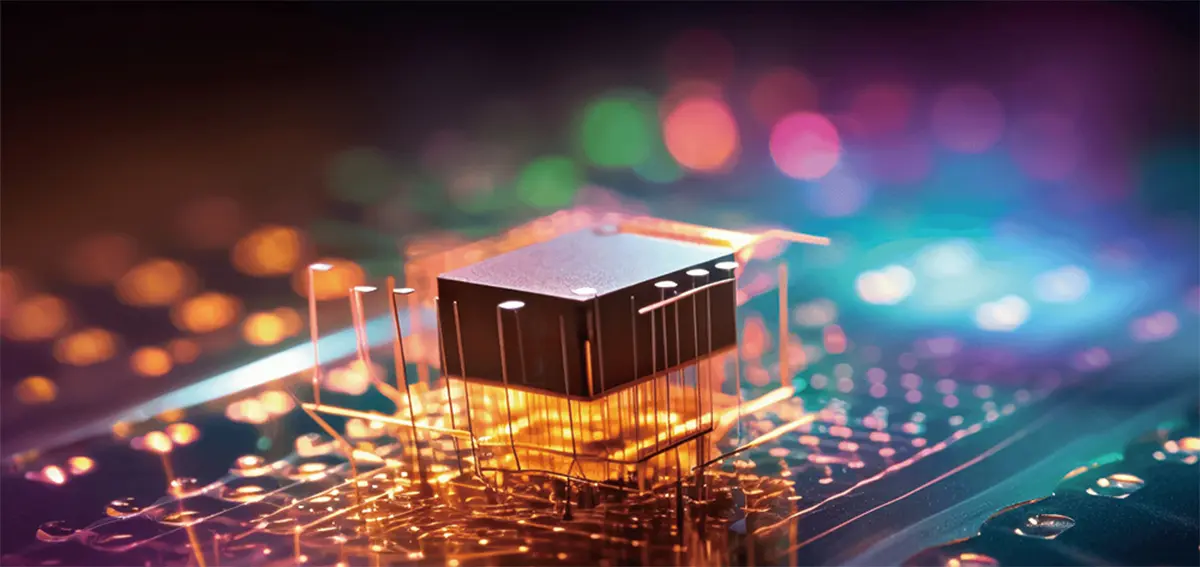
For Wenzhou Stpete, quality is guided by technology and built on safety. Our manufacturing processes include multiple control points, spanning raw material incoming quality control (IQC), in-process inspection (IPQC), and final quality control (FQC) before packaging.
We hold ISO 9001, ISO 14001, and ISO 45001 certificates, ensuring compliance with global environmental and safety standards. Our R&D center is backed by over 30 technical specialists, an annual R&D investment exceeding 15 million RMB, and a robust patent portfolio. Through this technical foundation, we collaborate with Tier-1 technology brands such as Huawei and Hisense to design and produce high-reliability thermal management products.

A robust quality assurance system relies on a stable, collaborative organization. To strengthen cohesion and foster teamwork, our company regularly organizes team-building initiatives in natural outdoor environments, providing a positive backdrop for enhancing cooperation and shared goals.
These activities are designed to promote unity and improve communications across departments. Through series of collaborative challenges that build trust, quick thinking, and creative problem-solving, our technical and service teams enhance their communication channels outside the office environment. This collaborative atmosphere builds organizational stability, boosting morale and driving the dedication needed to deliver quality products to our global partners.
Advancements reshaping structural design, sustainability, and high-capacity cooling.
Advanced tooling technologies now allow extrusion ratios exceeding 15:1. This enables denser fin designs that increase the surface area within compact structural envelopes.
Increasing thermal densities are driving the adoption of hybrid designs. Aluminum profiles are now combined with internal heat pipes or liquid-cooled loops to boost localized heat dissipation.
Global procurement teams prioritize sustainability. Modern manufacturers are adopting low-carbon aluminum smelted with renewable energy, alongside optimized recycling of extrusion scrap.
Common technical, design, and sourcing questions about custom profile heat sinks answered by our engineering team.
The primary constraints are the extrusion aspect ratio (the ratio of fin height to the gap between fins, typically limited to 10:1 or 12:1 for standard presses) and minimum wall thicknesses. Fin tip thickness and base plate balance also play a role; if the base is too thin relative to high fins, the metal may not flow evenly during the extrusion process, leading to structural deviations.
Anodizing (black or clear) improves surface emissivity. In natural convection environments, an anodized surface can increase heat dissipation performance by up to 10% to 15% compared to raw mill-finish aluminum. However, thick powder coatings can act as thermal insulators and should be kept away from direct semiconductor mounting surfaces.
AL6063 provides superior thermal conductivity (~201-209 W/m·K) compared to AL6061 (~160-170 W/m·K) and is more ductile, allowing for more complex fin shapes and smoother surface finishes. AL6061 is preferred only when high mechanical strength is required, such as in structural brackets or load-bearing EV enclosures.
We provide full-service in-house post-processing. This includes precision CNC milling, multi-spindle drilling, tapping, fly-cutting for optimal surface flatness (< 0.05mm), precise cutting-to-length, and custom metal stamping for mounting brackets.
We operate under an ISO 9001 quality management system. Production batches undergo coordinate measuring machine (CMM) testing, optical measurement analysis, and surface flatness checks. This process maintains tight tolerances across high-volume production runs.
Submit your CAD files (.STEP, .DWG, .PDF) to our engineering department. We will provide a design feedback report and a quotation within 24 hours.
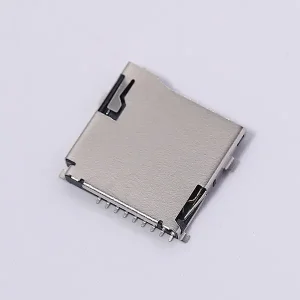
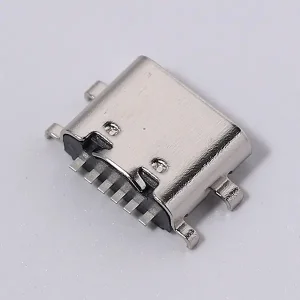
Explore our secondary catalog of interfaces, card assemblies, and high-frequency power components supporting complete system builds.
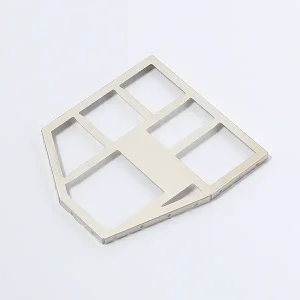
 Stpete Electronics