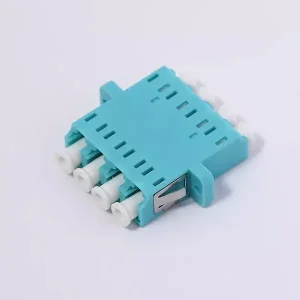
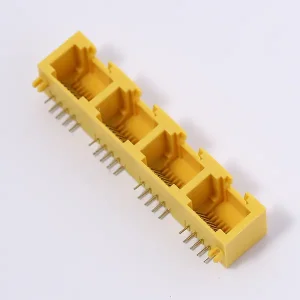
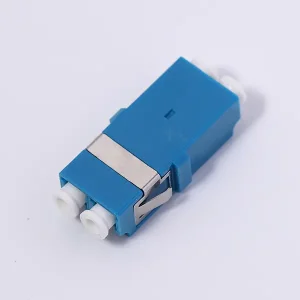
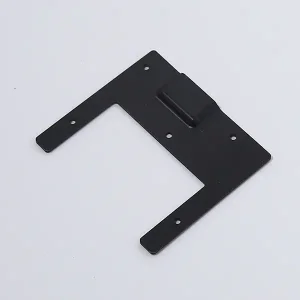
Explore our certified inventory of precision high-speed data linkages, RF coaxial interfaces, copper terminals, and robust shielding products designed to work in synergy with thermal management systems.
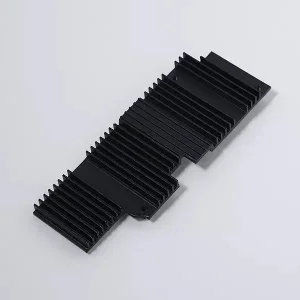
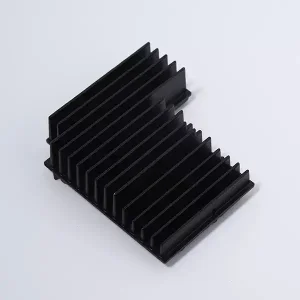
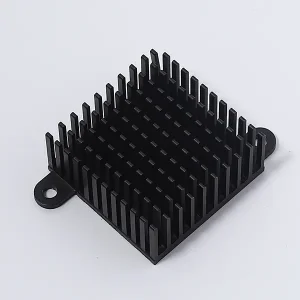
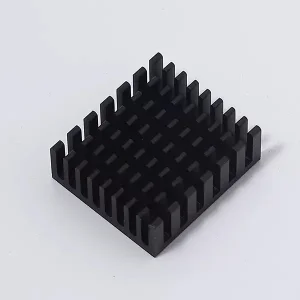
In modern microelectronics and high-power system architectures, managing thermal accumulation is not simply a metric of system efficiency; it is a vital pillar of component reliability, structural integrity, and long-term operating life. As high-speed computing platforms, radio-frequency (RF) terminals, telecommunication backbones, and automotive battery management units shrink in physical scale, their thermal footprints increase exponentially. The challenge facing electronic hardware engineers is to deploy heat sinks that possess high thermal dissipation ratios while maintaining strict regulatory compliance, low mass profiles, and robust mechanical structures. This industry white paper explores the design criteria, processing capabilities, and technological trajectories of CE Certified Aluminum Alloy Heat Sinks.
Aluminum alloys—specifically the 6000 series (6063, 6061)—have emerged as the material of choice for complex thermal management challenges. By blending mechanical workability, structural strength, high thermal conductivity (ranging from 160 to 220 W/m·K depending on tempering conditions), and corrosion resistance, these alloys allow developers to craft high-density fin profiles and complex geometries. As a premier manufacturer of high-tech interfaces and heat dissipation components, Wenzhou Stpete Electronics Technology Co., Ltd. stands at the nexus of precision design and global delivery. By integrating advanced production equipment with strict CE compliance procedures, we ensure that our global partners receive optimized thermal solutions that satisfy the complex demands of modern computing and communication systems.
The global heat sink market is experiencing a profound transition driven by several macro-industrial developments. The global push toward electrification, smart grids, 5G wireless networks, and high-performance server clusters has catalyzed the demand for optimized thermal management frameworks. Let us examine the three key drivers reshaping the demand for aluminum alloy radiators:
The deployment of massive MIMO base stations requires high-frequency transmission terminals operating under harsh ambient conditions. These terminals generate immense localized heat. Extruded aluminum radiators, surface-treated with black anodization, optimize radiative and convective cooling pathways, ensuring base station transceivers remain within safe operating temperatures.
Modern electric vehicles (EVs) rely on Advanced Driver Assistance Systems (ADAS) and sophisticated battery management systems (BMS) that process millions of calculations per second. These onboard computer processors generate considerable heat. Custom lightweight aluminum alloy thermal components ensure low mass while safeguarding safety-critical processors from thermal runaway events.
Artificial Intelligence training clusters utilize ultra-dense CPU-GPU architectures where power dissipation can surpass 700W per chip socket. Specialized heat sinks featuring vapor chambers, integrated copper plates, and ultra-high ratio aluminum fin profiles are required to maintain junction temperatures below critical limits, preventing thermal throttling.
Established in 2005, Wenzhou Stpete Electronics Technology Co., Ltd. has evolved into a premier high-tech enterprise dedicated to the design, prototyping, testing, and volume manufacture of electronic connectors and thermal management components. Over the last two decades, our unwavering dedication to manufacturing precision, technical innovation, and customer-focused services has established us as a trusted partner for regional and international markets.
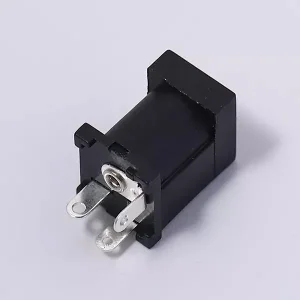
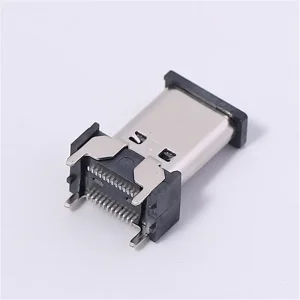
Our core capabilities include the fabrication of high-performance IF Radio-Frequency terminals, FCB network jacks, DC power outlets, USB sockets, AV pin jack boards, and high-efficiency extruded aluminum heat sinks. By utilizing high-speed punching presses, advanced multi-axis CNC milling machines, and automated assembly operations, we maintain tight tolerances and high structural consistency. We collaborate with tier-one electronics and telecommunication brands across mainland China, including technology leaders like Huawei and Hisense, to develop reliable solutions that perform under demanding operations.

For Stpete, quality is the cornerstone of our manufacturing philosophy. We utilize a comprehensive quality control framework that spans raw material verification to final optical inspections. Our facility operates in compliance with ISO 9001:2015, ISO 14001, and ISO 45001 guidelines, ensuring that every batch of heat sinks and electrical terminals meets international performance criteria.
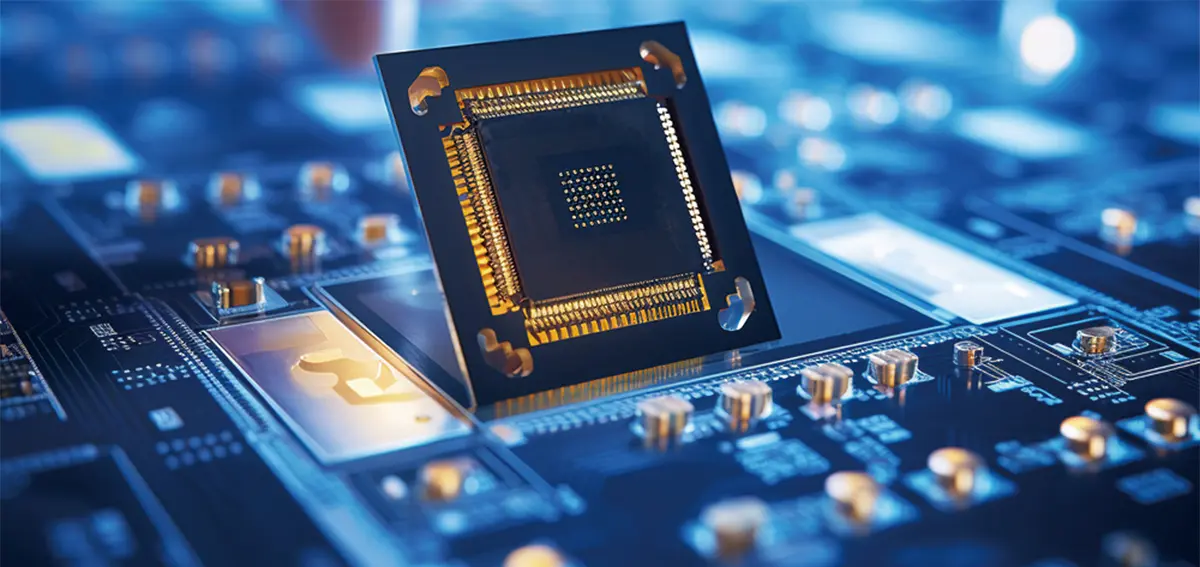
Our engineering division has 30+ technical R&D personnel, backed by an annual development budget exceeding 15 million RMB. Our design team has secured 21+ independent patents, giving us the tools to offer advanced OEM/ODM services for complex custom cooling designs.
From initial metal assay testing to salt spray chambers, coordinate measuring machines (CMM), and digital microscopes, every raw material batch and finished component is inspected to ensure compliance and mechanical tolerances.

Our manufacturing workshop utilizes advanced multi-cavity plastic injection molders, progressive high-speed stamping systems, automated pin insertion mechanisms, and CNC fabrication tools to ensure consistent volume production capacity.
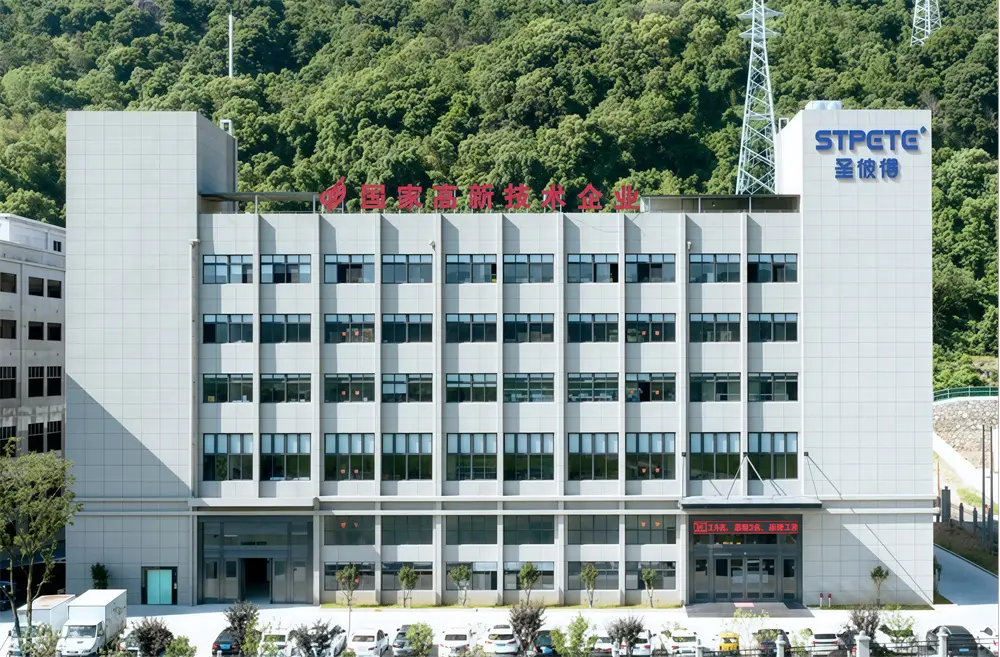
Our quality assurance testing department validates incoming aluminum extrusions for correct alloy distribution, hardness, and grain size. We use high-precision testing systems to confirm that our radiators fit securely on printed circuit board assemblies (PCBAs) and power modules. By optimizing flat surfaces to microscopic tolerances, we reduce contact resistance between the semiconductor junction and the heat sink base, maximizing thermal performance. With our comprehensive internal monitoring, we keep defect rates below standard limits, ensuring reliability for critical aerospace, telecommunication, and automotive deployments.
Global supply chain managers must coordinate various engineering, compliance, logistics, and financial considerations when sourcing thermal components. At Stpete, we align our product development and production pipelines to ease sourcing and development complexities for procurement teams:
For custom engineering projects, we support rapid prototyping through CNC machining of solid billet aluminum (6061-T6 or 6063-T5). This allows engineering teams to perform physical thermal tests and wind-tunnel validations before committing capital to mass-production extrusion tooling.
Our factory provides a comprehensive range of surface treatment configurations to protect components and enhance performance. These treatments include clear, black, and colored anodizing, chemical conversion coatings (chromate or non-chromate), electroplating, and powder coating, ensuring compliance with RoHS and REACH requirements.
Because we design and produce both high-efficiency radiators and complex interface connectors, we understand how thermal and electrical paths interact. We optimize heat sink structures to fit around ports, cables, and shielding housings, ensuring a compact, interference-free footprint.
As microprocessors push toward sub-2nm nodes and power densities rise, traditional passive aluminum radiators face performance limits. The next stage of thermal engineering requires hybrid, smart designs. Stpete is actively building the following innovations into our long-term product roadmap:
For European and international markets, the CE Mark is a critical requirement. It demonstrates that our products meet essential health, safety, and environmental protection standards. Although heat sinks are typically passive mechanical elements, their integration into active electrical equipment requires compliance with the Low Voltage Directive (LVD 2014/35/EU) and RoHS Directive (2011/65/EU).
Our manufacturing and treatment processes are audited to confirm that lead, mercury, cadmium, and other regulated substances remain below permissible limits. When sourcing components from Stpete, you receive fully documented parts ready for integration into CE-compliant systems, streamlining your compliance processes.

At Stpete, we believe that manufacturing precision and product quality rely on a motivated and collaborative team. To strengthen internal cohesion, our company organized an outdoor team-building event set in a scenic natural environment, providing a constructive backdrop for enhancing team spirit and collaboration.
The team-building activity was designed to promote unity and cooperation among our employees. Through a series of challenging and engaging exercises, our team members collaborated, communicated, and solved problems as a team, building strong personal and professional connections outside the office.
A highlight of the event was a series of team-based challenges that required trust, coordination, and quick thinking. These activities encouraged individuals to step out of their comfort zones, build trust in their colleagues, and see the value of working together towards common goals. The event boosted overall morale and team alignment, which translates directly into higher quality and consistency on our factory floor.
"A unified engineering, production, and quality assurance chain is our primary asset, helping us maintain consistency across every batch of products we ship."
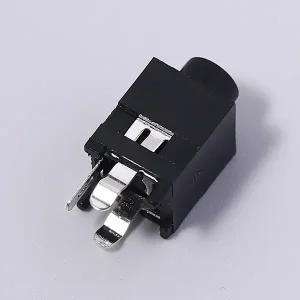
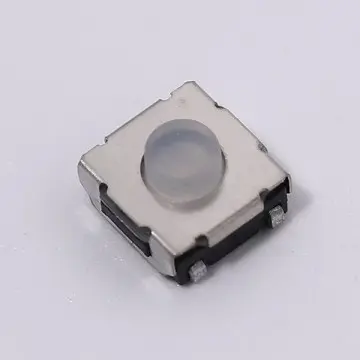
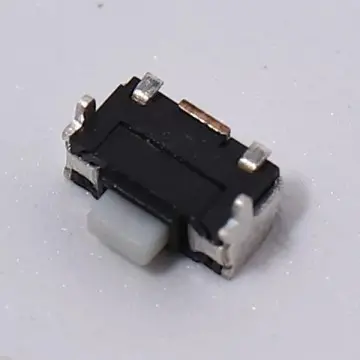
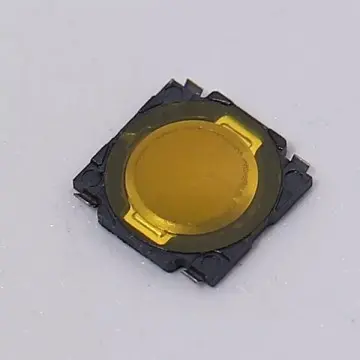
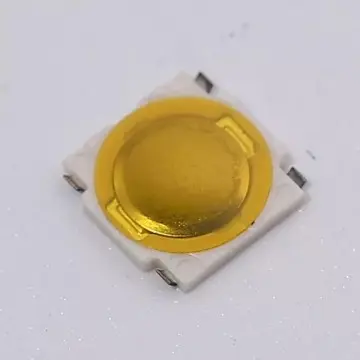
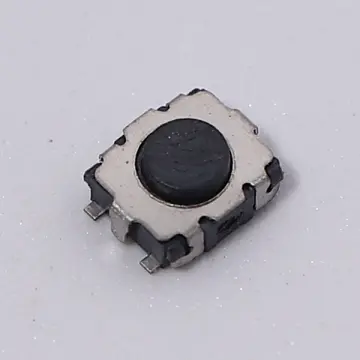
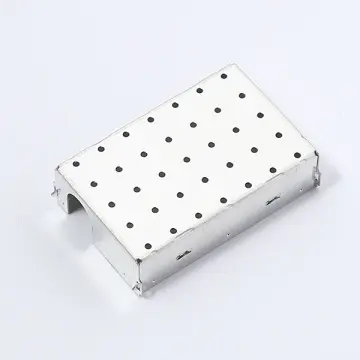
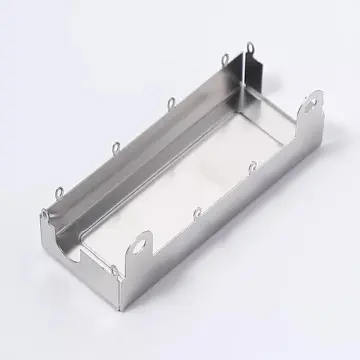
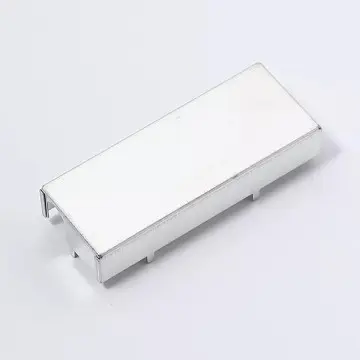
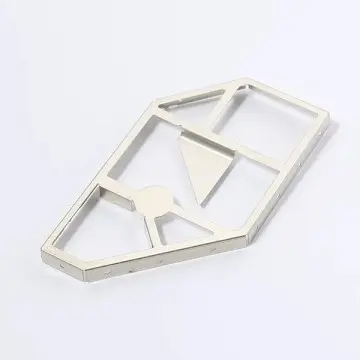
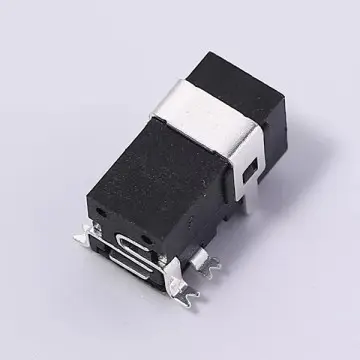
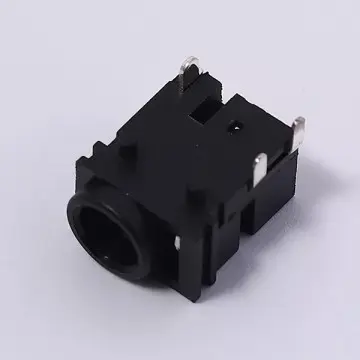
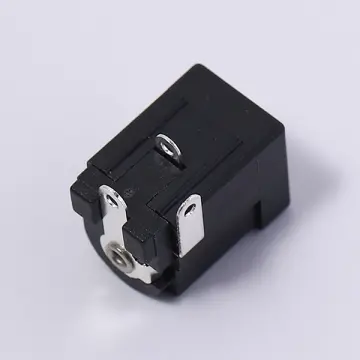
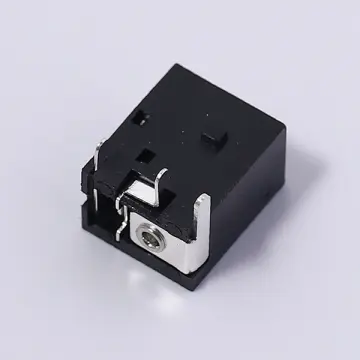
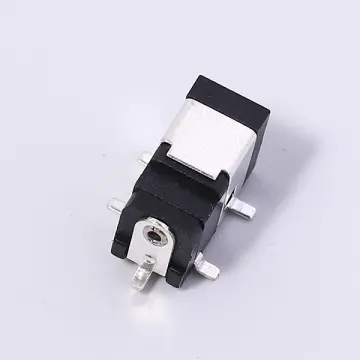
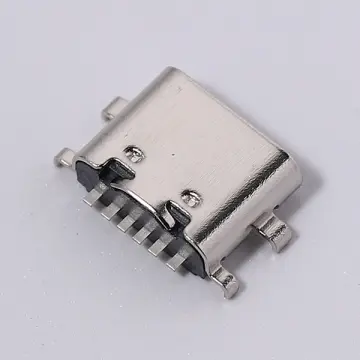
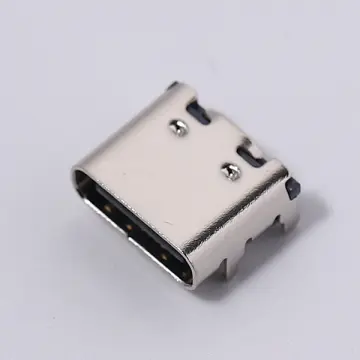
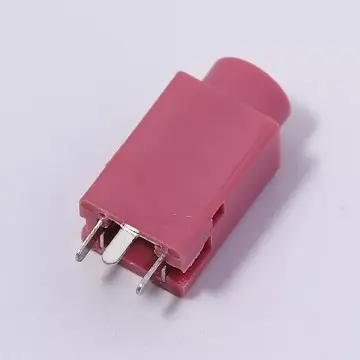
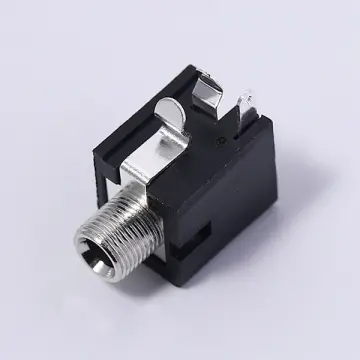
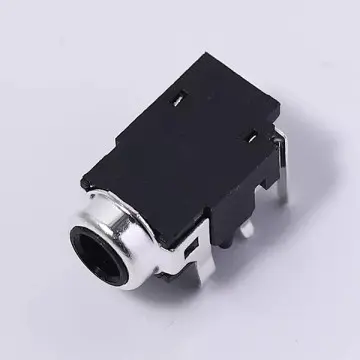
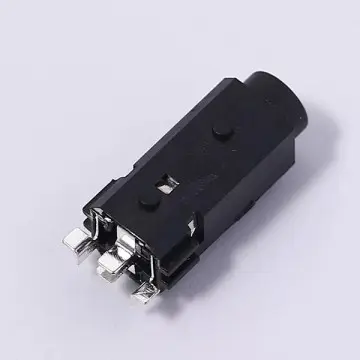
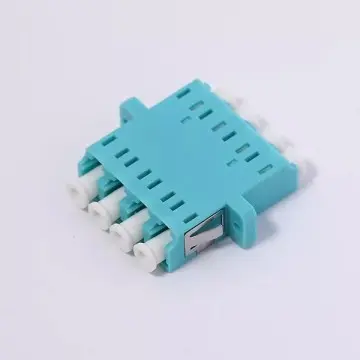
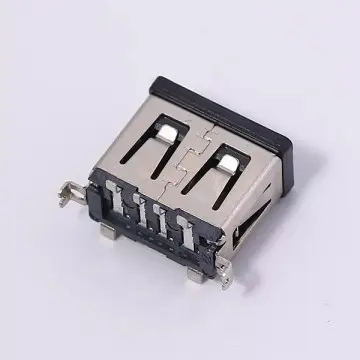
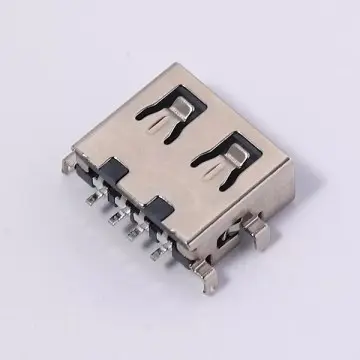
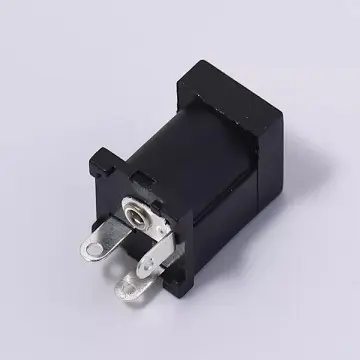
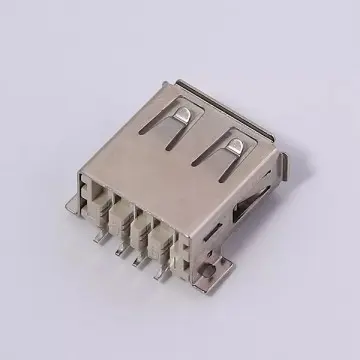
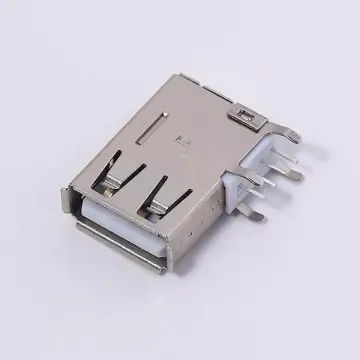
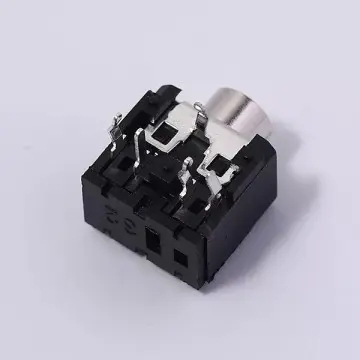
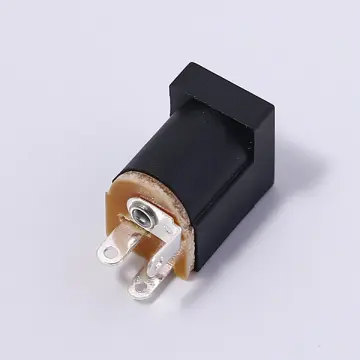
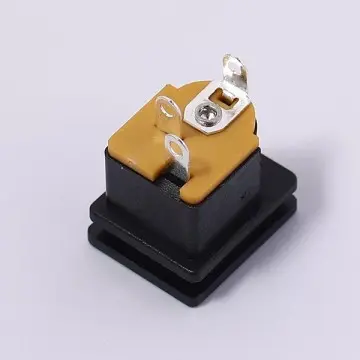
In addition to custom extrusion solutions, we maintain modern production lines for tactile switches, jacks, and interface elements:
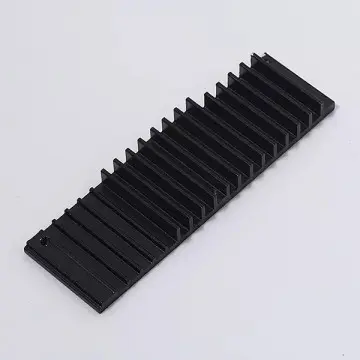
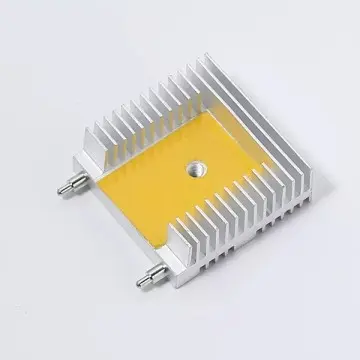
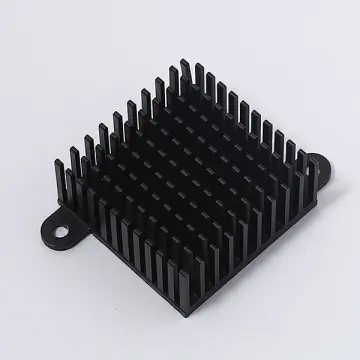
Here are detailed answers to key questions about thermal performance, design customization, and procurement procedures:
Aluminum 6063 is the most common alloy used for extruded heat sinks. It provides excellent extrudability, allowing for complex thin-fin geometries, and offers a high thermal conductivity of approximately 201 W/m·K. Aluminum 6061 has slightly lower thermal conductivity (around 166 W/m·K) but features higher mechanical strength and tensile properties, making it suitable for structurally demanding applications or precision CNC-machined structural frames.
Anodization creates a thin oxide layer that prevents corrosion and provides electrical insulation. In natural convection environments, surface color (especially black anodizing) increases thermal emissivity, boosting radiative heat transfer. However, in forced convection environments with active fan cooling, the radiative component is minimal, making surface color less critical than raw convective surface area.
While heat sinks are passive components, they are assessed as part of the host electrical system under LVD (Low Voltage Directive) and EMC directives. We verify dimensional stability under thermal loads, evaluate electrical grounding pathways if the radiator acts as a shield, and ensure compliance with RoHS restriction limits for heavy metals.
Yes. Our engineering division designs and builds hybrid thermal structures. We press-fit copper heat pipes or solder vapor chambers directly into the base of extruded aluminum fin blocks, combining the rapid heat spreading of copper with the lightweight dissipation of aluminum.
For custom aluminum extrusions, tooling design and fabrication takes 10 to 15 working days. Once the tool is verified, we can supply initial prototype samples within 5 to 7 days. Standard mass-production orders are typically completed within 20 to 30 days, depending on configuration and quantities.
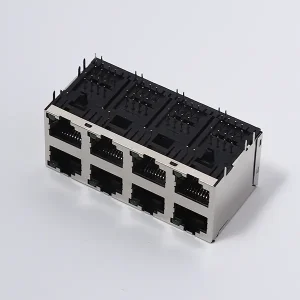
Verify our CE-compliant network, power interfaces, and high-frequency connectors designed for demanding electronics packaging environments:
 Stpete Electronics