 Stpete Electronics
1 / 1
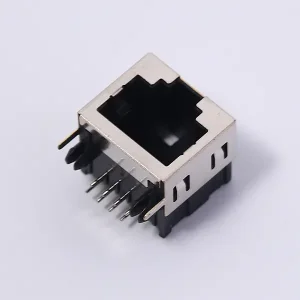
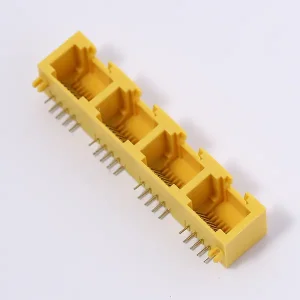
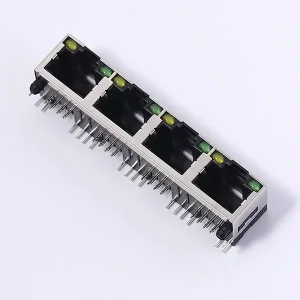
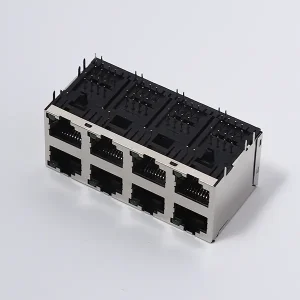
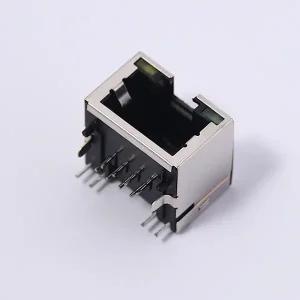
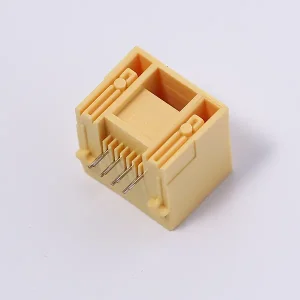
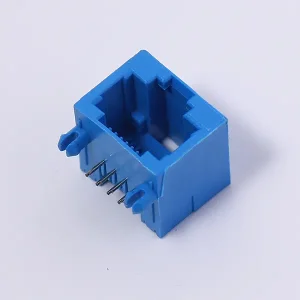
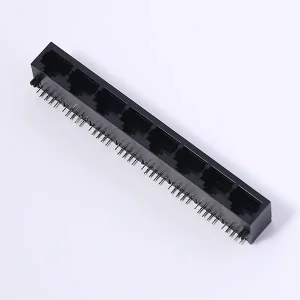
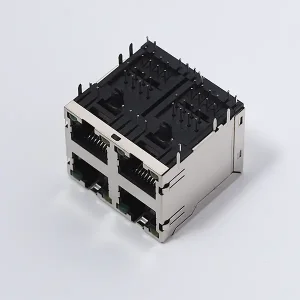
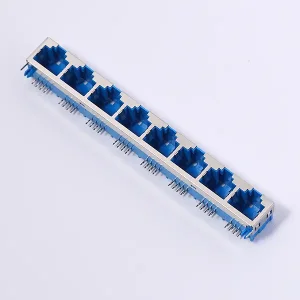
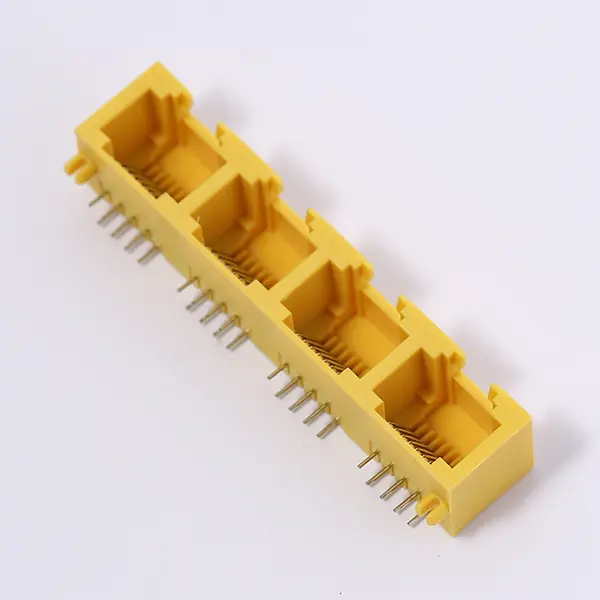
The RJ45 Ethernet port has a rectangular appearance and is equipped with 8 pins (8P8C), which are precisely compatible with common Ethernet cable crystal heads (RJ45 connectors). It adopts a modular design internally, with metal contact pins specially gold-plated to a thickness of 50 microinches, effectively enhancing corrosion resistance and electrical performance, ensuring stable signal transmission. The shell of the Ethernet port is mostly made of high-strength engineering plastic, with a fire resistance rating of UL94 V-0 standard, and can withstand a plug-in force of more than 50N, ensuring that it is not easily damaged after multiple uses; Some industrial grade Ethernet ports also have metal shielding covers, which can effectively resist electromagnetic interference, with a protection level of up to IP67, suitable for harsh environments.
In terms of performance, RJ45 Ethernet ports support multiple network transmission rates, with a transmission rate of 10Mbps under the 10Base-T standard, 100Mbps under 100Base TX, and up to 1Gbps for Gigabit Ethernet (1000Base-T) and 10Gbps for 10GBase-T. Its transmission distance can theoretically reach 100 meters under unshielded twisted pair (UTP) conditions; Paired with shielded twisted pair (STP) cables, it can not only reduce signal attenuation, but also effectively reduce crosstalk, ensuring the accuracy and integrity of data transmission. At the same time, the RJ45 network port has automatic negotiation function, which can automatically match the transmission rate and duplex mode with the connected devices, greatly improving the convenience of use.
RJ45 Ethernet ports have a wide range of applications. In a home network, routers, smart TVs, and desktop computers connect to the network through it to achieve high-speed internet access; In the enterprise office environment, switches and servers rely on RJ45 network ports to build a stable local area network, supporting daily office work and data exchange; In industrial automation scenarios, PLC controllers and industrial cameras achieve stable communication between devices through industrial grade RJ45 network ports; In the security monitoring system, network cameras use RJ45 network ports to transmit high-definition video data in real time to the monitoring center. With its advantages of strong universality, low cost, and stable transmission, RJ45 Ethernet ports have become the cornerstone of the network connectivity field.
The RJ45 port features a rectangular design with 8 pins (8P8C configuration), making it precisely compatible with standard Ethernet crystal heads and network cabling.
RJ45 ports support versatile speeds, including 10Mbps (10Base-T), 100Mbps (Fast Ethernet), 1Gbps (Gigabit Ethernet), and up to 10Gbps (10GBase-T) depending on the configuration and cabling quality.
The theoretical transmission distance is up to 100 meters using standard Unshielded Twisted Pair (UTP) cables before signal degradation occurs.
The port pins are gold-plated to 50 microinches to resist corrosion. The housing uses high-strength engineering plastic rating UL94 V-0, capable of withstanding insertion forces of over 50N.
Industrial versions feature metal shielding covers to prevent electromagnetic interference and offer protection ratings up to IP67, making them dustproof and waterproof for harsh environments.
They are highly universal, serving as standard connectors in home network setups (routers, TVs), enterprise networks (servers, switches), industrial automation (PLCs, cameras), and security monitoring systems.