Explore our highly specified product line designed for extreme industrial electronics, connectivity systems, and heavy-duty power installations.
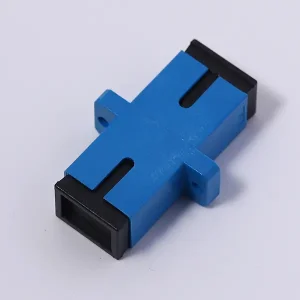
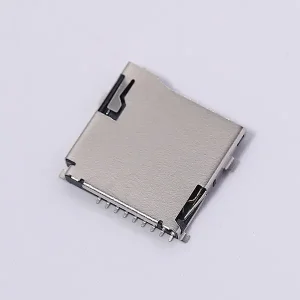
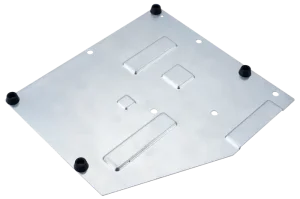
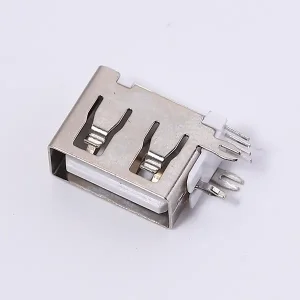
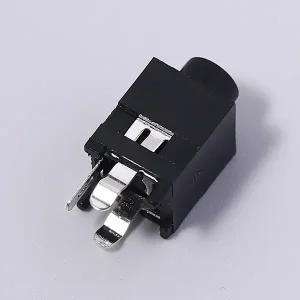
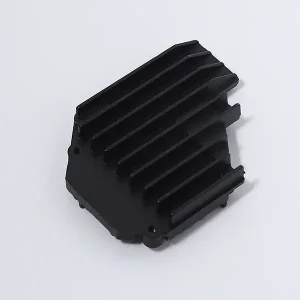
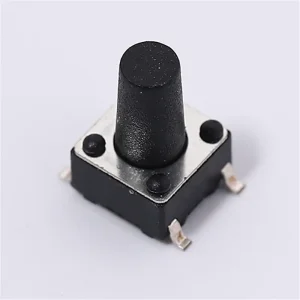
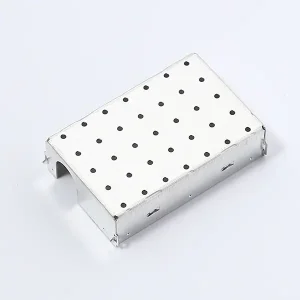
Wenzhou Stpete Electronics Technology Co., Ltd. is a high-tech enterprise specialized in the R&D, advanced design, precision production, and global sales of premium electronic connectors and state-of-the-art aluminum die-casting thermal radiators. Our company has forged an impeccable reputation among international customers for maintaining zero-defect tolerances and delivering highly efficient trading and logistical support services.
Operating a sprawling manufacturing base, we deploy professional-grade high-precision automatic punching centers, multi-axis CNC machines, and high-pressure die-casting lines to serve the evolving needs of industrial sectors such as telecommunications, electric vehicles, renewable energy, and enterprise-grade computing platforms.

Analyzing thermodynamic challenges across fast-paced industrial ecosystems and outlining the strategic importance of high-pressure die-cast aluminum heat dissipation structures.
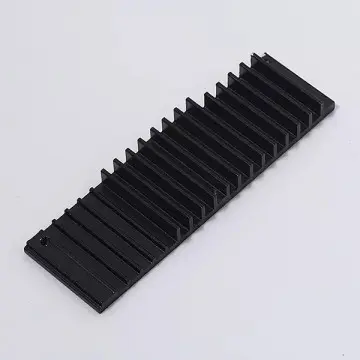
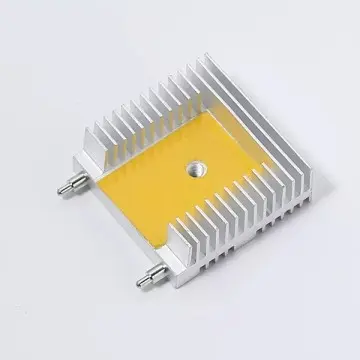
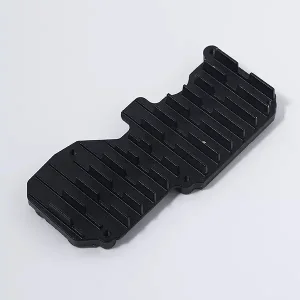
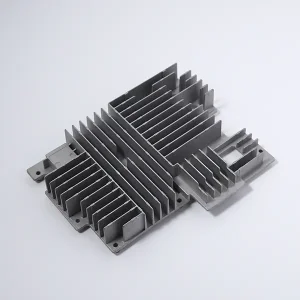
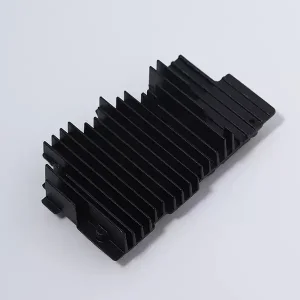
In high-power solar inverters and EV powertrain components, thermal energy densities are escalating exponentially. Our custom-designed, CE-compliant ADC12 aluminum die-cast heat sinks offer superior thermal conductivity (approx. 96 W/m·K) to dissipate localized hot spots, preventing catastrophic thermal runaway while ensuring safety-critical longevity.
High-frequency RF transceivers, network switch cabinets, and 5G base stations demand ruggedized, weatherproof enclosures that double as high-performance heat sinks. By optimizing fin-geometry thickness and drafts in die-casting molds, we maximize active convection surface areas while shielding inner electronic assemblies from dust and humidity.
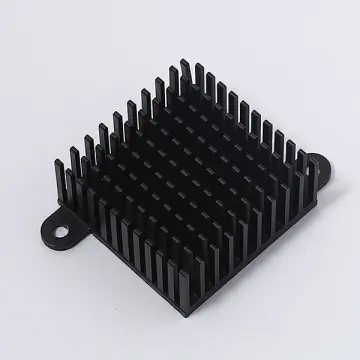
Next-generation processing units (CPUs/GPUs) are pushing heat dissipation frameworks to their absolute physical boundaries. Our multi-axis CNC secondary finishing processes allow for sub-micron flatness tolerances across the contact base plates, establishing seamless interfaces with Thermal Interface Materials (TIMs) for ultra-low thermal contact resistance.
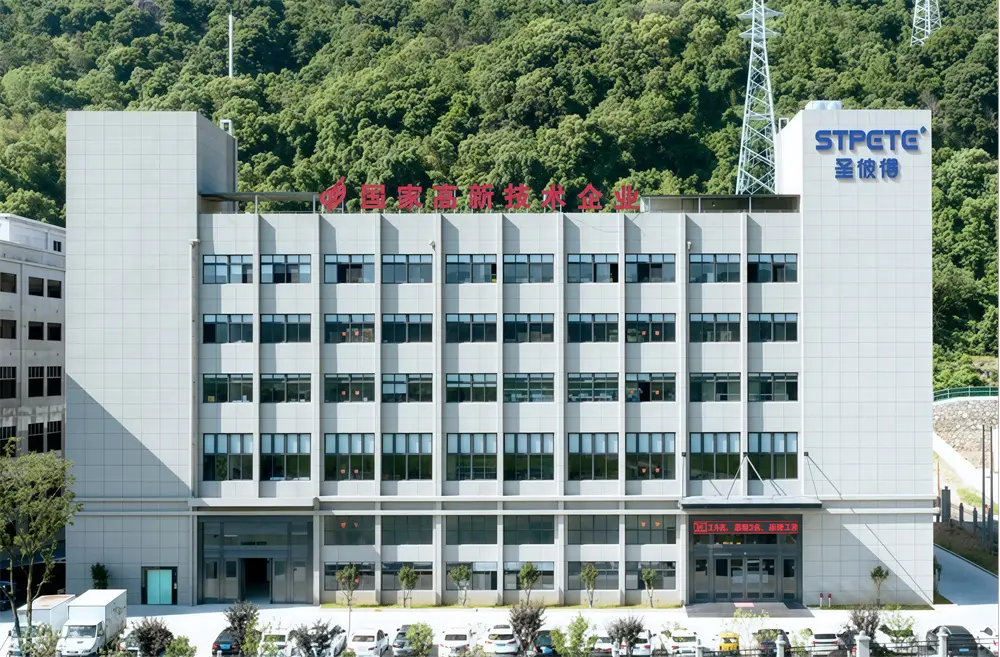
The core limitation of standard die-casting components in high-performance electronics has historically been microscopic porosity. To overcome this engineering barrier, our production facility has transitioned to state-of-the-art Vacuum High-Pressure Die Casting (V-HPDC). By evacuating the air from the mold cavity prior to molten aluminum injection, we decrease gas entrapment, achieving denser metallic matrices.
Our ongoing metallurgical research focuses on hybrid Al-Si-Cu alloys that yield enhanced structural rigidity and corrosion resistance without compromising high thermal transfer indexes. Coupled with an annual R&D investment of over 15 million RMB, our team works continuously alongside leading industry giants, including Huawei and Hisense, to develop specialized cooling structures compatible with high-voltage and high-frequency operating conditions.
Why European and North American industrial buyers choose CE certified and ISO-approved manufacturing lines to shield operations from regulatory bottlenecks.
Our aluminum heat sinks carry full CE compliance certifications. This guarantees that every shipped batch adheres to mechanical safety directives, RoHS hazardous substance limitations, and REACH requirements, facilitating seamless entry through European customs without regulatory audits.
We strictly apply a quality ecosystem certified to ISO 9001 (Quality Management), ISO 14001 (Environmental Standards), and ISO 45001/18001 (Occupational Safety). Product parameters are verified using Coordinate Measuring Machines (CMM) and thermal cycling analysis to eliminate defects at the source.
Anodizing, chemical passivation, and robotic liquid/powder coating operations are integrated directly in-house. These post-processes ensure the heat sink surfaces withstand saline air, high humidity, and aggressive industrial pollutants without degradation of thermal radiative properties.
From basic raw alloy material procurement to mechanical processing and precision inspection, quality is built into every step.
Supported by a technical force of 30+ dedicated R&D engineers, we secure an active portfolio of 21+ manufacturing patents. We regularly design heat sink layouts from scratch, analyzing thermal models using finite element method software to predict boundary layer air flow behaviors.
Incoming metal ingots are checked using optical emission spectrometers. This guarantees that copper, iron, zinc, and magnesium ratios comply with global industrial grades, assuring repeatable casting characteristics and reliable heat flow values.
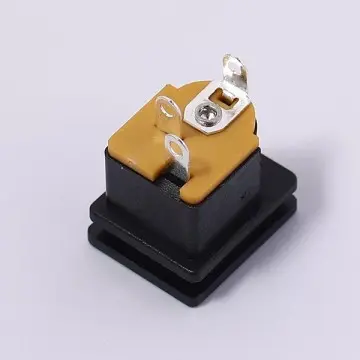
Combining connector terminals with physical heat sinks, Wenzhou Stpete Electronics provides single-source sub-assemblies. This cuts down assembly times at client factories, matching connector geometries to thermal enclosures seamlessly.
At Wenzhou Stpete Electronics, we realize that delivering quality aluminum die-casting components is directly tied to the skill levels, synergy, and structural health of our employee base. We frequently host advanced engineering training seminars and outdoor team-building activities to foster collaboration and build trust among our multi-disciplinary departments.
These exercises enable our production floor operators, quality inspection specialists, and front-office technical support managers to coordinate seamlessly. By nurturing an environment of open communication, we maintain low turnover rates, keeping specialized expertise inside our factory to the benefit of our international supply chain partnerships.

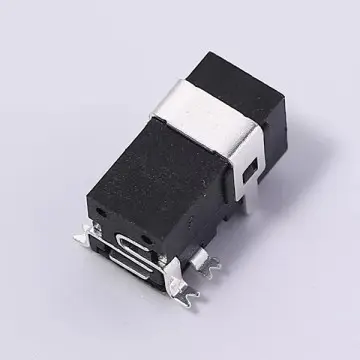
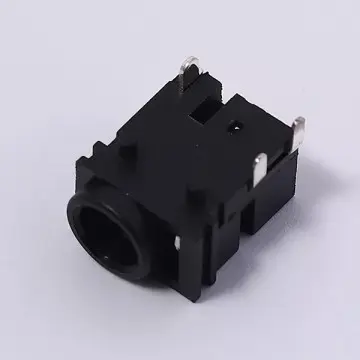
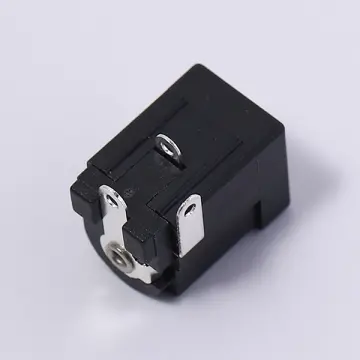
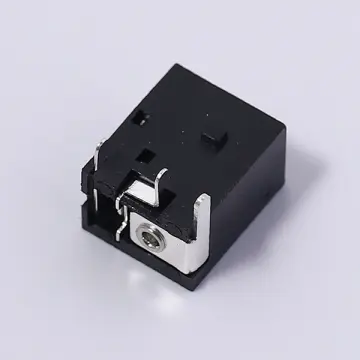
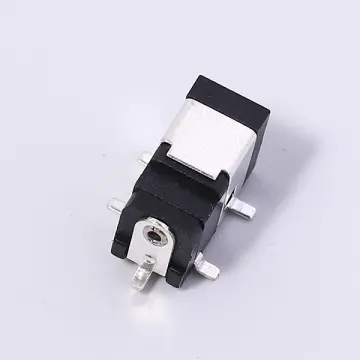
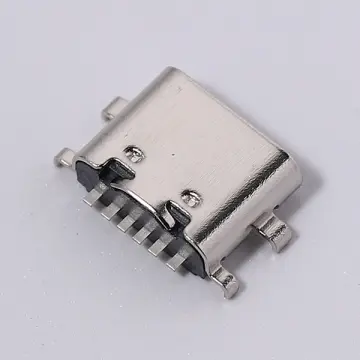
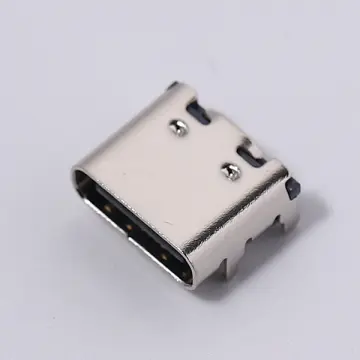
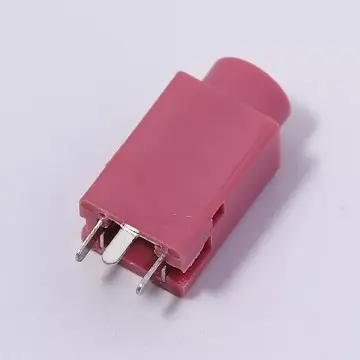
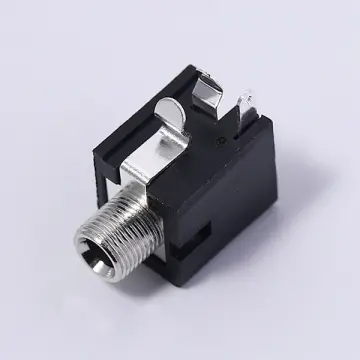
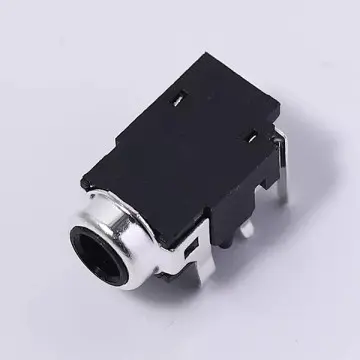
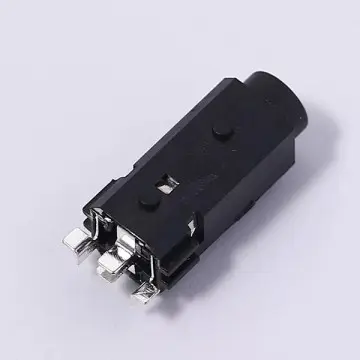
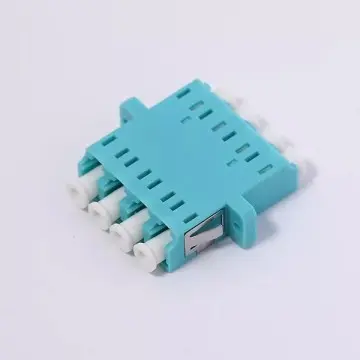
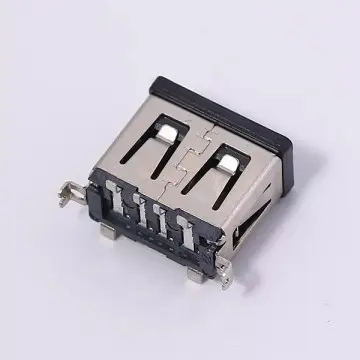
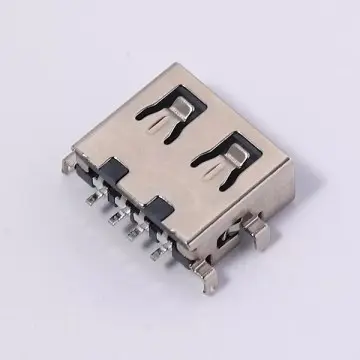
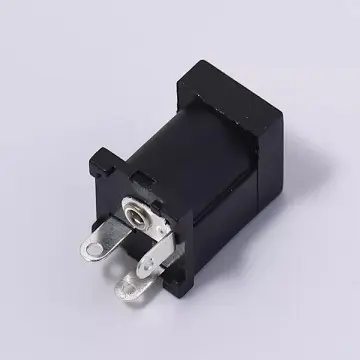
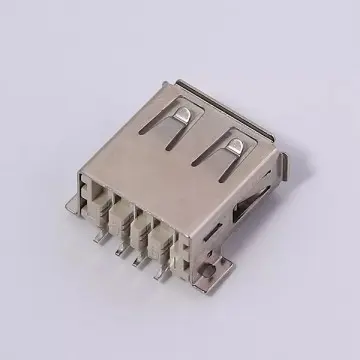
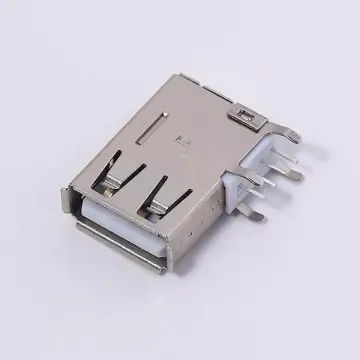
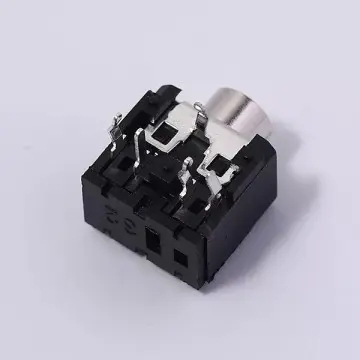
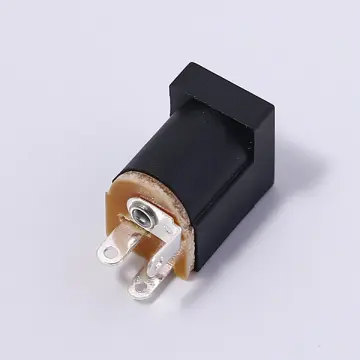
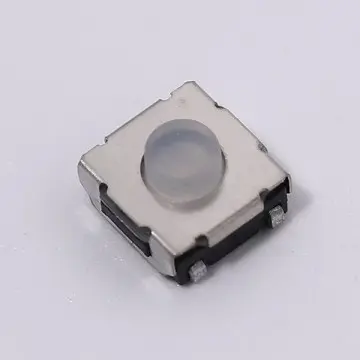
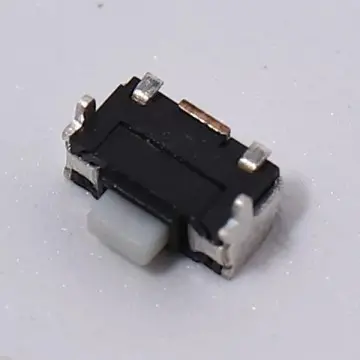
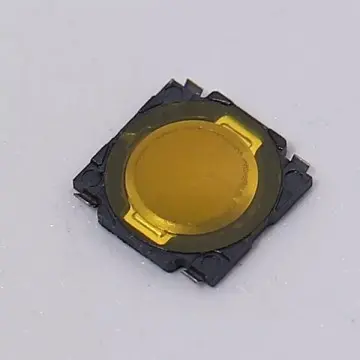
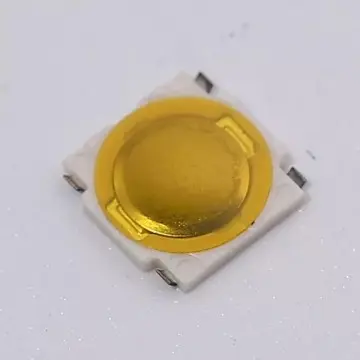
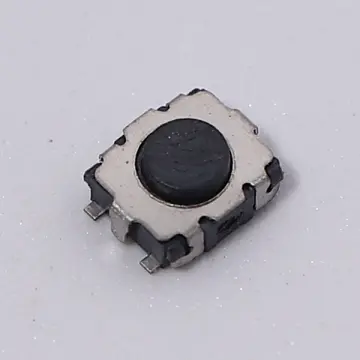
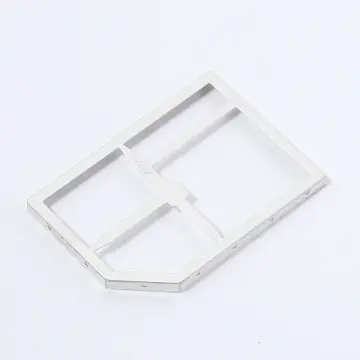
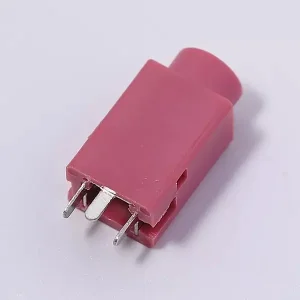
A complete list of our specialized switches, multi-pin DC connectors, and high-frequency RF socket interfaces.
Essential insights for thermal engineers and procurement managers regarding die-casting tolerances, certification, and customization processes.
Aluminum die-cast heat sinks allow for highly complex 3D fin structures, integrated mounting standoffs, and non-linear airflow channels that are impossible to manufacture via standard extrusion processes. While aluminum extrusions (such as 6063-T6) offer slightly higher raw thermal conductivity, die-casting (using alloys like ADC12 or A380) allows for advanced mechanical integration, optimizing overall volumetric heat transfer efficiency in spaces where complex geometry is required.
While a passive aluminum component does not inherently require CE certification on its own, when it is integrated as a structural or protective enclosure component for active electronics, it must comply with low voltage directives (LVD), electromagnetic compatibility (EMC) regulations, and mechanical safety standards. A pre-certified CE thermal radiator assures system integrators that the base material meets structural safety, flame retardancy, and heavy-metal contamination guidelines (RoHS/REACH).
For critical thermal interfaces, we utilize high-precision multi-axis CNC milling centers to face the contact pads. We routinely achieve flatness tolerances of ≤ 0.05 mm and surface roughness values (Ra) down to 0.8 μm. This ensures optimal thermal interface material coupling, preventing air pockets that would otherwise degrade component heat flow dynamics.
Yes. For maritime or highly corrosive industrial environments, we modify the silicon, iron, and copper ratios of the melt (e.g., specifying AlSi12 or lower copper alloys) to prevent galvanic corrosion. This is supplemented by chemical conversion coatings, chrome-free passivation, and outdoor-rated powder finishes.
Ensuring mechanical compatibility and continuous signal transmission under severe thermal load profiles.
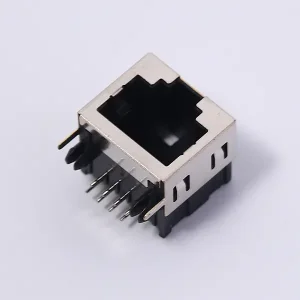
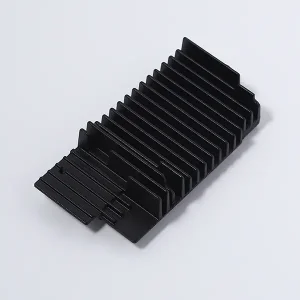
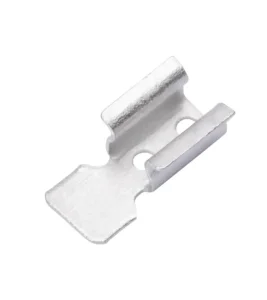
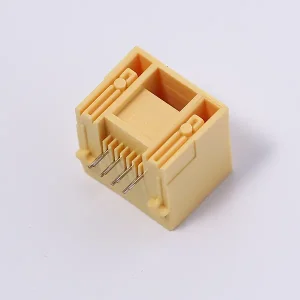
For inquiries about our products, custom die-cast tooling lead times, or alloy specifications, please submit your mechanical drawings (STEP/DWG format). Our R&D team will evaluate your thermal dissipation parameters and reply with a complete quotation within 24 hours.
 Stpete Electronics