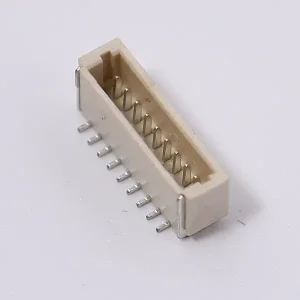
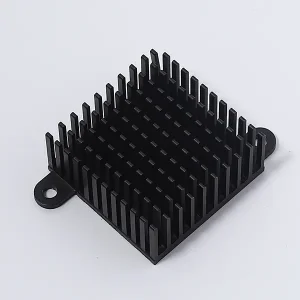
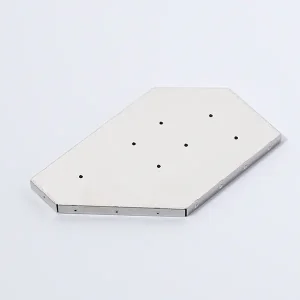
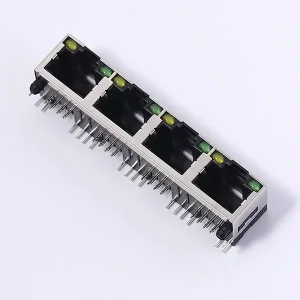
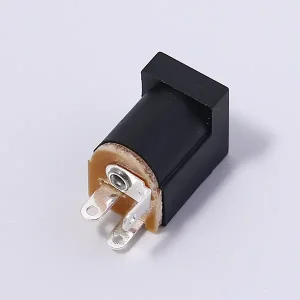
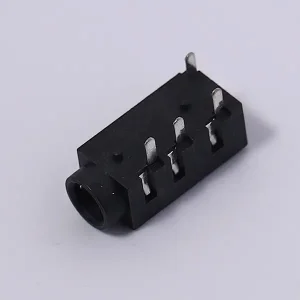
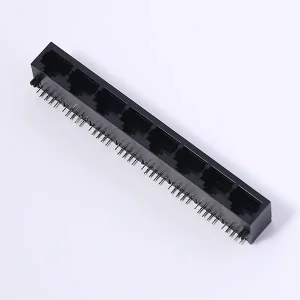
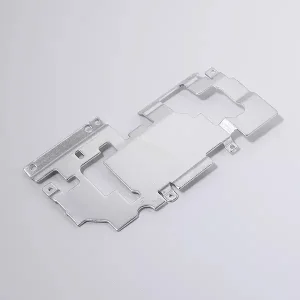
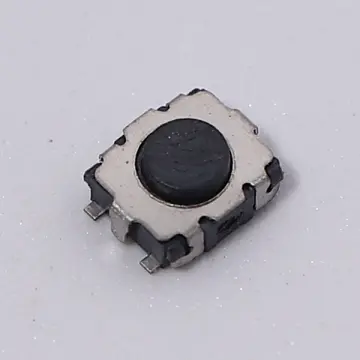
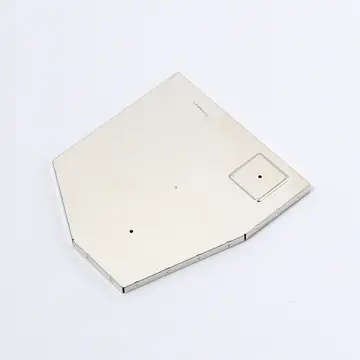
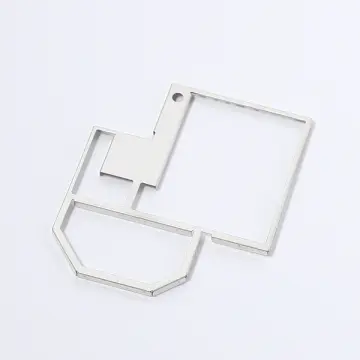
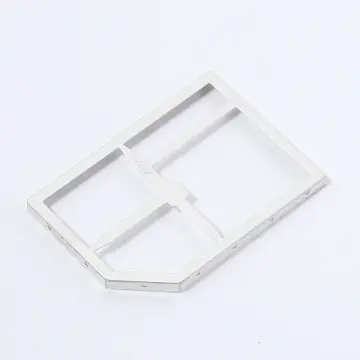
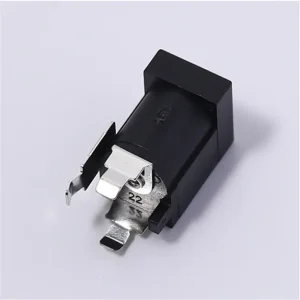
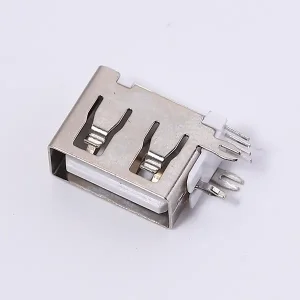
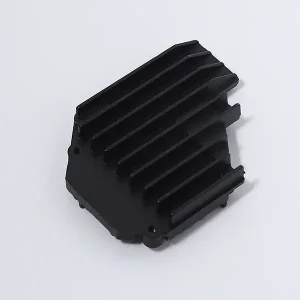
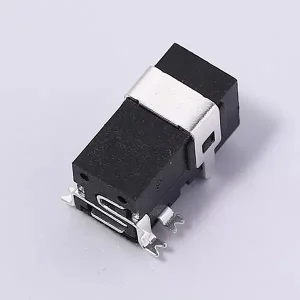
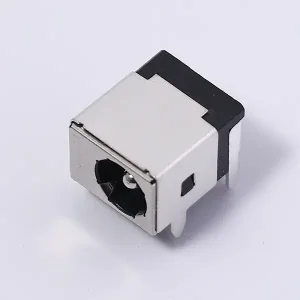
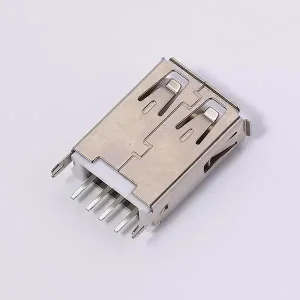
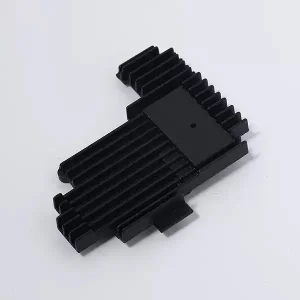
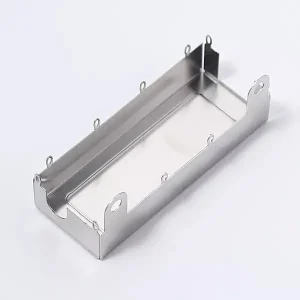
Premium industrial selection of high-accuracy electronic connectors, radiators, and structural components.
In modern electronic systems, thermal density is rising exponentially. The micro-electronics industry, automotive electrification (EVs), 5G telecommunication infrastructures, and AI hyperscale computing matrices demand exceptionally efficient heat dissipation. Aluminum remains the preeminent material for heat sink applications due to its high thermal conductivity (ranging from 160 to 220 W/m·K depending on the alloy class), low density, cost-effectiveness, and excellent extrusion capabilities.
The global demand for CE-certified aluminum heat sinks is propelled by strict regulatory guidelines in the European Union and other Western markets. Thermal interfaces and enclosure devices must satisfy high compliance standards. As heat sinks are often integrated directly into active power circuits or close to radio-frequency (RF) systems, demonstrating CE compliance ensures that raw material composition, environmental toxicity (RoHS/REACH), and manufacturing tolerances align with the EU's Low Voltage Directive (LVD) and Electromagnetic Compatibility (EMC) guidelines.
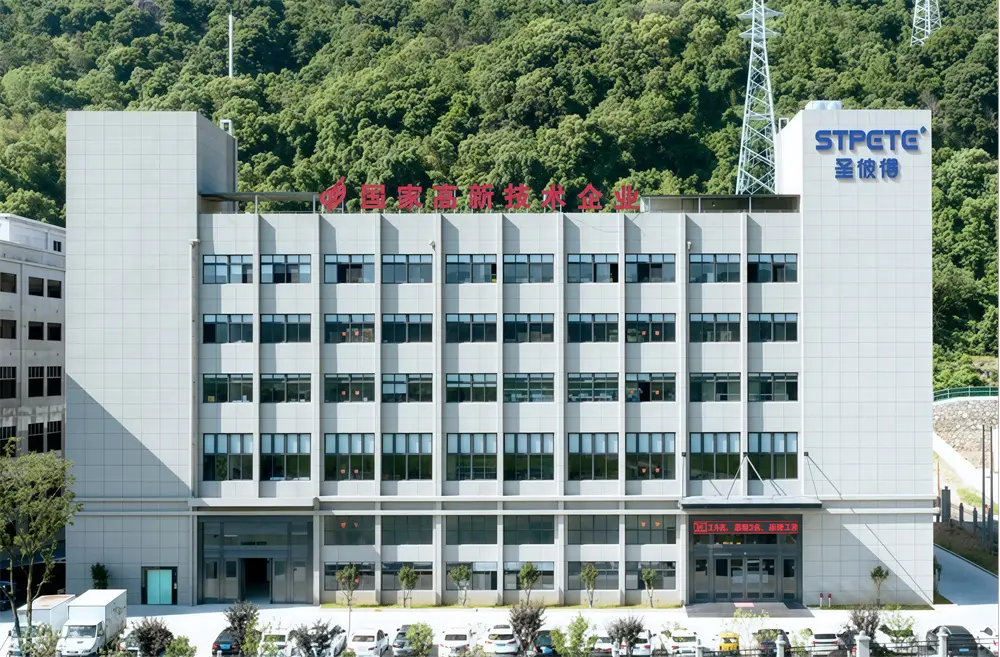
Established in 2005, Wenzhou Stpete Electronics Technology Co., Ltd. has developed into a leading high-tech enterprise specialized in the R&D, precision manufacturing, and export of high-grade electronic connectors and heat-dissipating infrastructure. Over the past two decades, we have gained a solid reputation among international buyers for our stringent quality standards and swift logistics execution.
Our core product catalog encompasses IF Radio-Frequency Terminals, FCB Network Jacks, DC Power Outlets, USB Sockets, AV Pin Jack Boards, and high-performance Radiators/Heat Sinks. By combining structural connector expertise with thermal management components, we deliver holistic layout solutions that minimize signal interference and maximize thermal efficiency.
Stpete operates on a foundational layout of technological innovation. Our R&D team works with top-tier brands including Huawei and Hisense. This collaboration keeps us at the forefront of the strict quality benchmarks required by telecom giants and automotive OEMs.

Our facility integrates modern manufacturing machinery and quality controls to guarantee compliance and performance.
Equipped with high-accuracy punching arrays and multi-axis CNC machines to achieve dimensional tolerances within ±0.01mm, ensuring tight fits with high-power modules.
Fully certified under ISO 9001 (Quality), ISO 14001 (Environmental Management), and ISO 45001 (Occupational Health). Our processes meet CE compliance criteria for direct export.
We source high-purity aluminum alloys (such as AL6063 and AL6061) that exhibit superior thermal transfer capabilities and structural integrity, crucial for extreme heat dissipation.
Heat sink engineering is governed by the laws of thermodynamics: conduction, convection, and radiation. The design of an aluminum heat sink must optimize the surface area while minimizing airflow resistance.
| Alloy Grade | Thermal Conductivity (W/m·K) | Tensile Strength (MPa) | Key Applications | CE Safety Compatibility |
|---|---|---|---|---|
| Aluminum 6063 | 201 - 218 | 185 - 220 | High-fin density extrusions, LED fixtures, standard CPU coolers | Excellent structural safety margin, non-toxic alloy elements |
| Aluminum 6061 | 152 - 170 | 260 - 310 | High-stress structural housings, aerospace electronics enclosures | Meets EN 755 standard for mechanical stability in power systems |
| Aluminum 1050 / 1070 | 220 - 230 | 75 - 110 | Cold-forged pin heat sinks, highly localized heat spreaders | Compliance with ultra-low resistance grounding contacts |
Extruding aluminum into intricate geometries (such as high-aspect-ratio fins) requires specialized manufacturing lines. At Wenzhou Stpete Electronics, we leverage multi-ton hydraulic presses to achieve precise fin spacing, which maximizes passive convection.
Anodizing is a vital post-processing step. While raw aluminum forms a thin natural oxide layer, technical anodization creates a controlled coating (typically 10 to 25 microns deep) that offers two critical advantages:
For Stpete, quality is guided by technology and based on safety. From the initial selection of raw materials to the automated assembly line processing and the final inspection phase, we maintain strict oversight at every stage.
Our manufacturing floor includes multi-axis CNC machines and automated inspection machinery to ensure the physical dimensions of every radiator and component match design drawings. We conduct thermal cycling tests, dimensional tolerance assessments, and optical inspections to minimize defect rates and guarantee consistent reliability.
By implementing a rigorous multi-stage inspection framework, we ensure that every batch of radiators and RF terminals is free from surface imperfections, structural micro-fissures, and geometric warping that could compromise thermal transfer efficiency.
We work closely with global system designers to provide thermal management solutions optimized for specific industrial applications:
5G remote radio heads (RRHs) generate substantial heat due to massive MIMO processing. These systems operate in harsh outdoor environments, demanding durable, fanless heat sinks. Stpete provides high-conductivity, weather-resistant aluminum extrusions that meet CE outdoor durability criteria and resist galvanic corrosion.
EV motor controllers, on-board chargers (OBCs), and ultra-fast DC charging piles convert high power levels, producing significant thermal loads. Our specialized aluminum radiator designs, with integrated copper paths or liquid cooling channels, ensure rapid heat transfer away from high-power IGBT modules.
Integrating RF terminals with heat dissipation plates is a key design challenge. Our experience in manufacturing both RF connectors and radiators allows us to offer dual-function components that shield electromagnetic interference (EMI) while acting as heat sinks, saving valuable space in smart devices.
Our investment in R&D and automation keeps us competitive in the global market.
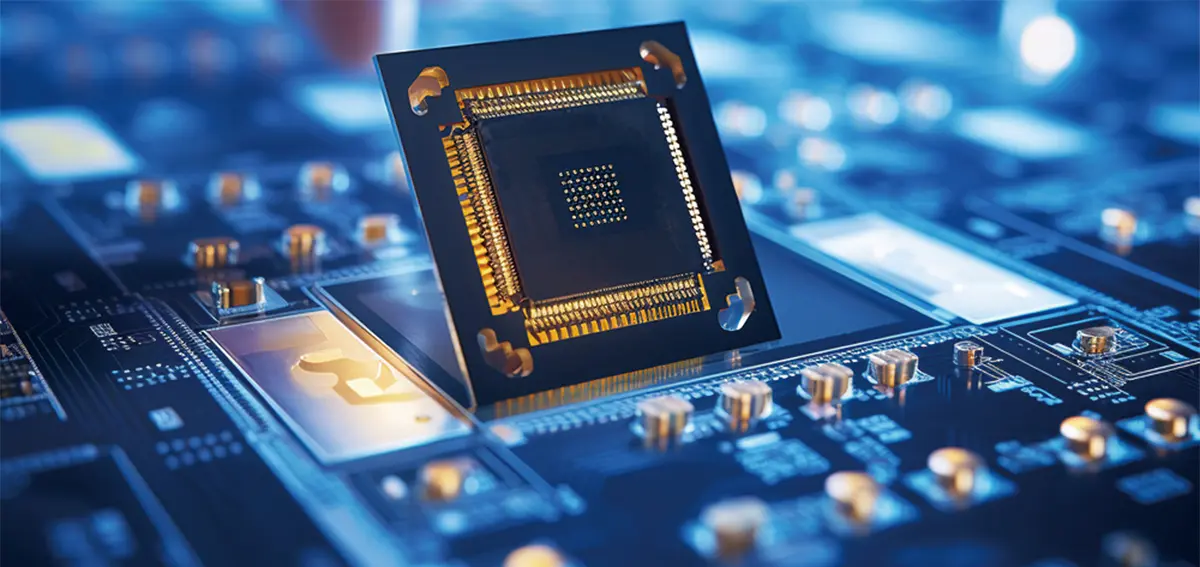
Supported by 30+ technical R&D personnel and an annual investment of over 15 million Yuan. We hold 21 core utility patents, ensuring our customers benefit from state-of-the-art thermal engineering and structural connector design.
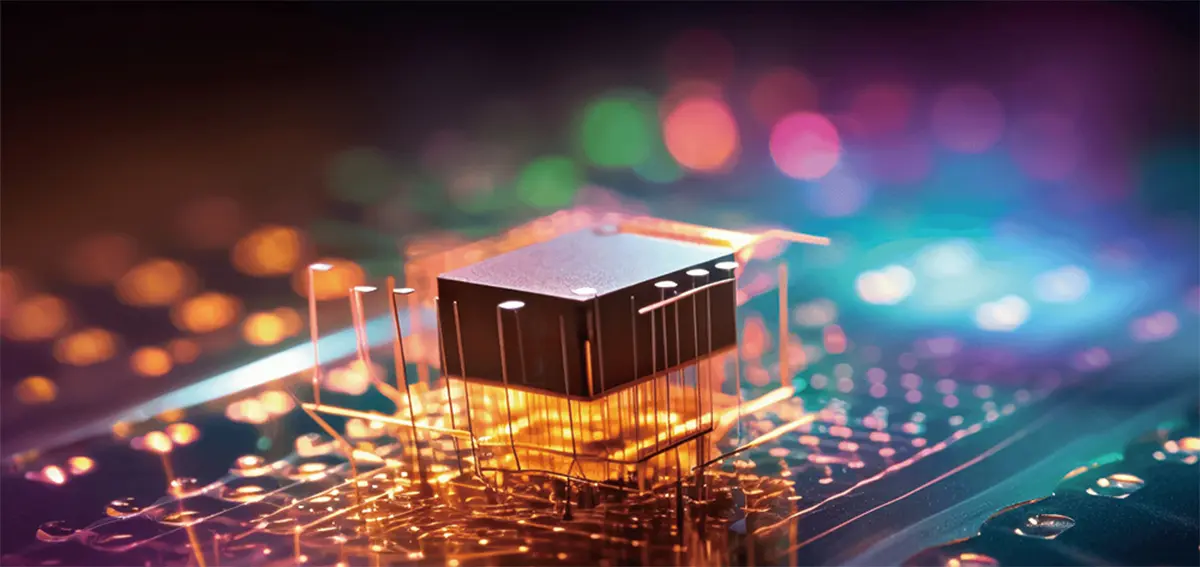
Our quality management system covers incoming raw material verification, in-process monitoring, and final testing. We trace critical parameters, including hardness, anodization thickness, and surface roughness, to guarantee consistent quality.

We implement automated production technologies, including insert molding and robotic assembly lines. This automated workflow maintains high dimensional accuracy, limits variations, and supports scalability for large export volumes.
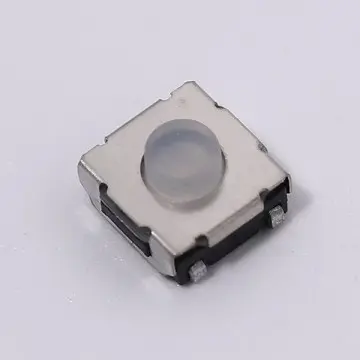
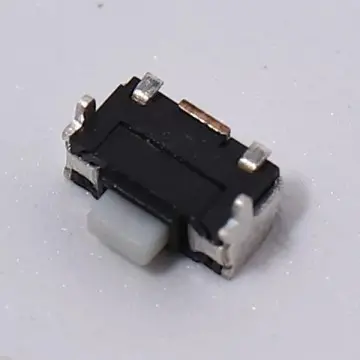
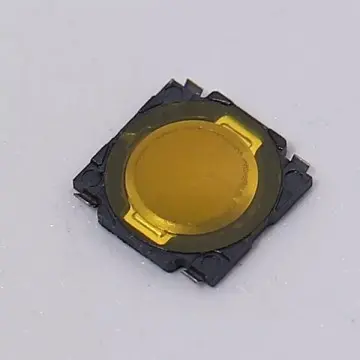
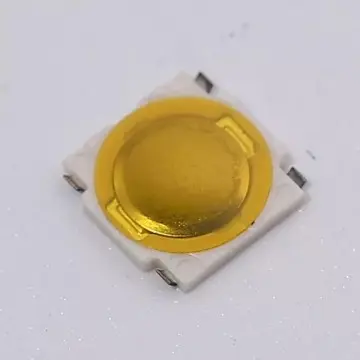
High-durability tactile switches, DC power outlets, headphone jacks, and RF system connectors.
As global power densities rise, traditional extrusion shapes face physical limits. Stpete is actively developing the next generation of heat dissipation technologies:
These engineering directions are supported by our research investments and active prototyping, helping our global export partners prepare for future thermal requirements.
Our focus on engineering extends to our internal corporate culture. Wenzhou Stpete Electronics holds regular team-building activities in natural environments to strengthen cooperation and foster collaboration. These events encourage team trust, improve communication, and help our R&D, manufacturing, and QA groups work together effectively to support our international client base.
Answers to key design and regulatory questions for system engineers and procurement managers.
Standard products engineered for reliability and international compliance.
 Stpete Electronics