 Stpete Electronics
1 / 1
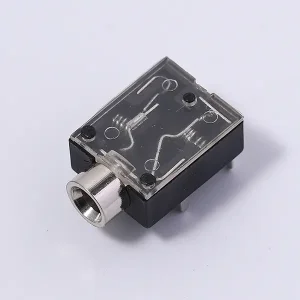
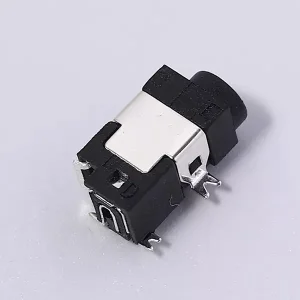
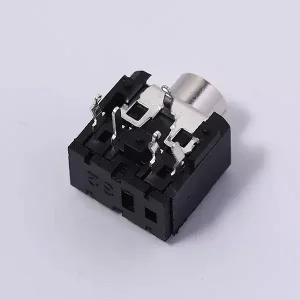
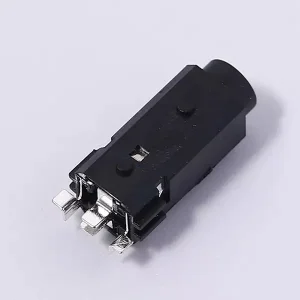
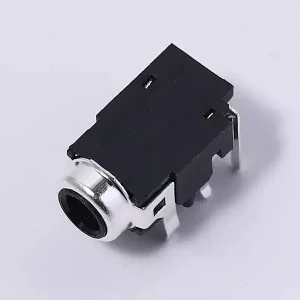
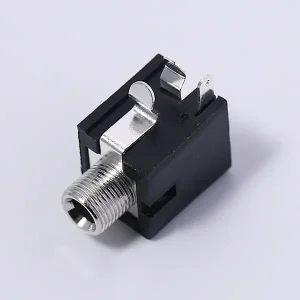
The headphone jack, an indispensable key component in audio equipment, plays a vital role in connecting headphones and transmitting audio signals in various electronic products. It can be found in daily-used devices such as mobile phones, tablets, laptops, as well as music players, TV audio systems, and game consoles.
There are various types of common headphone jack interfaces, among which the 3.5mm headphone jack is the most popular. It has strong universality and is compatible with almost all audio devices on the market. Users don't need to worry about compatibility issues and can easily find matching headphones. This interface achieves stable circuit conduction through the close contact between the carefully designed internal shrapnel and the metal ring of the headphone plug, thereby accurately transmitting the audio signals in the device to the headphones, bringing users a high-quality auditory experience.
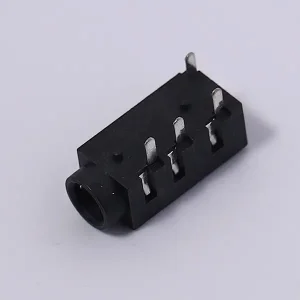
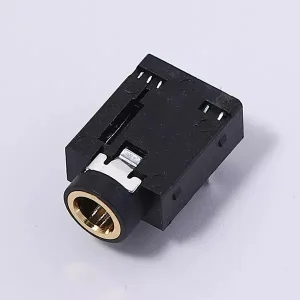
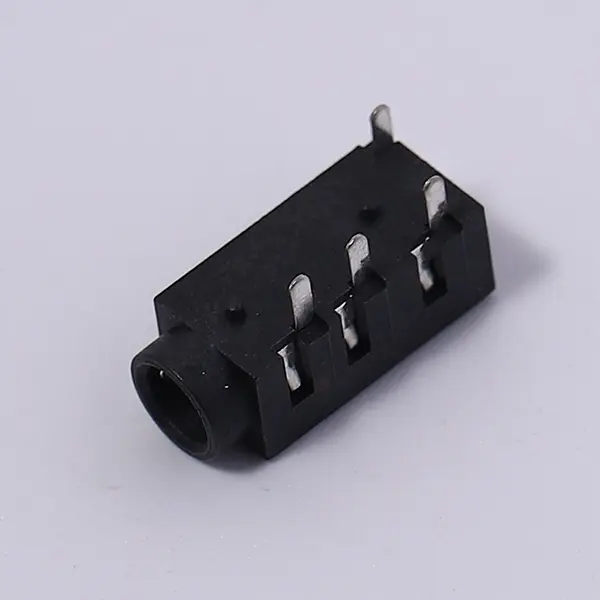
Some headphone jacks have more abundant functions, with microphone input and remote control capabilities. Take the four-section headphone jack as an example. Its four contacts perform their respective duties, corresponding to the left channel, right channel, microphone, and ground wire. In this way, it can not only realize audio playback, recording, and call functions but also integrate convenient operations such as volume adjustment and song switching, greatly meeting users' diverse needs in different scenarios.
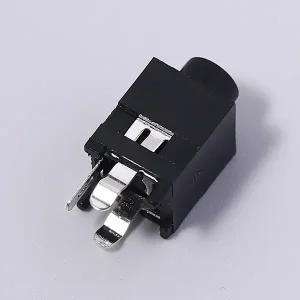
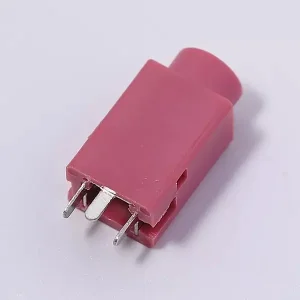
The contact terminals are designed with an elastic structure, ensuring good contact performance. Even after frequent plugging and unplugging, it can still maintain a stable connection, extending the service life of the headphone jack. The installation method is very flexible, providing two options: Surface Mount Technology (SMT) and Dual In-line Package (DIP), adapted according to different circuit board layouts and production requirements.
These parameters ensure that the headphone jack can work stably and reliably under various environments and usage conditions:
In addition, there are waterproof headphone jacks to adapt to special usage scenarios. For example, sports headphones are often exposed to sweat and rain, outdoor sports equipment such as diving gear and motorcycle helmets need to be used in harsh environments, and industrial equipment may come into contact with water during disinfection or cleaning. Waterproof headphone jacks can play a significant role in these cases.
Their waterproof level is marked by the IP code. For instance, IPX4 is splash-proof, IPX7 can be immersed in 1-meter-deep water for 30 minutes, and IPX8 has deep waterproof capability. Common types of waterproof headphone jacks include rubber-sealed sockets, metal-sealed sockets, and spring-sealed sockets, which achieve waterproof functions by using rubber sealing rings, metal shells and sealing rings, and spring structures respectively.
In conclusion, although the headphone jack is small, it plays a crucial role in audio equipment. Its continuously developing technology and diverse functions bring users a better and more convenient audio experience.