Explore our CE-certified selection of high-accuracy electronic connectors, shielding elements, and custom power jacks engineered for seamless device integration.
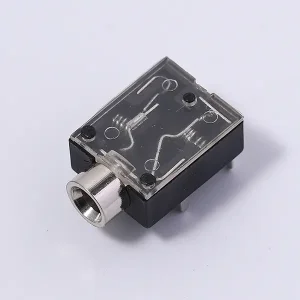
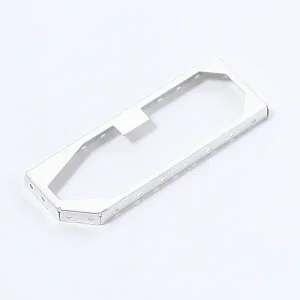
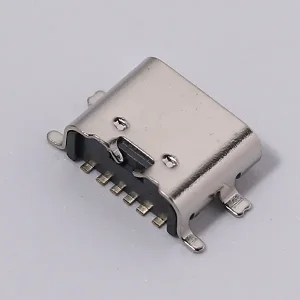
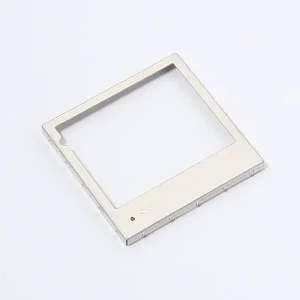
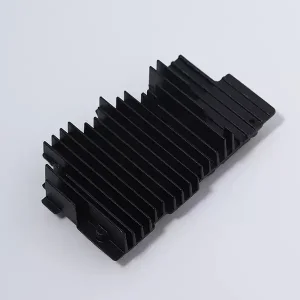
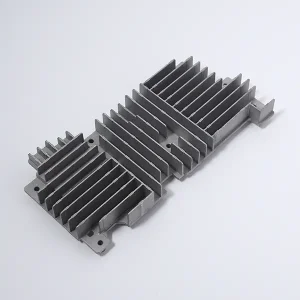
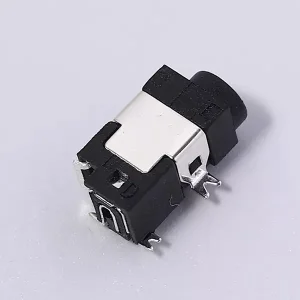
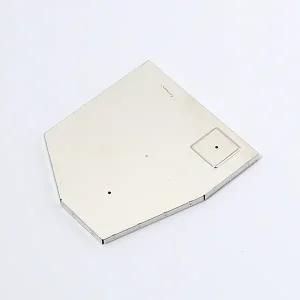

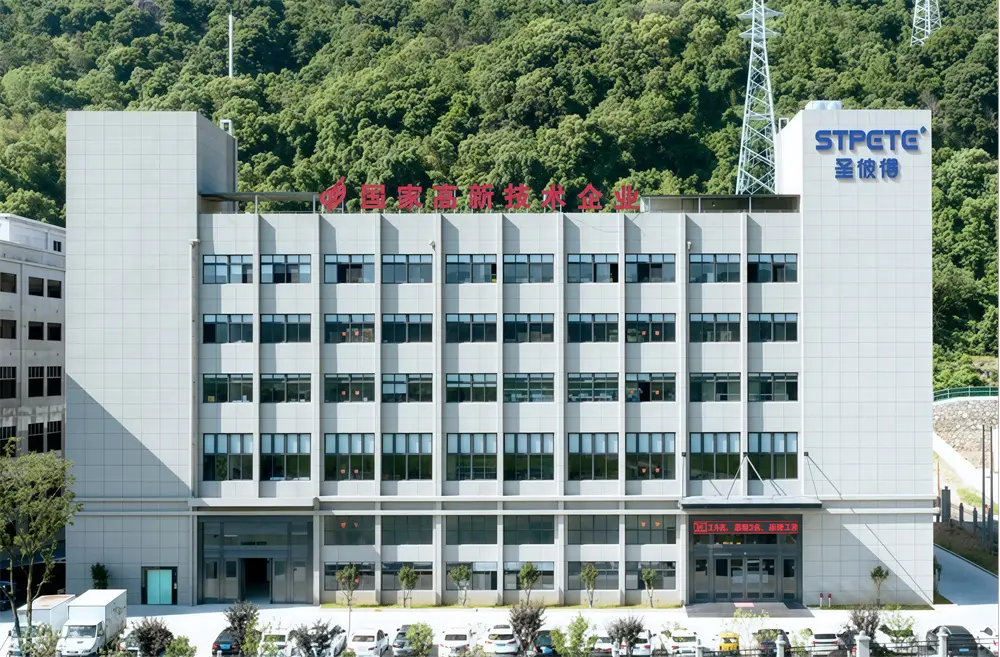
Established in 2005, Wenzhou Stpete Electronics Technology Co., Ltd. has evolved into a premier high-tech enterprise. We are dedicated to the advanced development, precision manufacturing, and global distribution of state-of-the-art electronic connectors, integrated shielding frames, and high-conductivity thermal solutions, such as our Square Body Aluminum Heat Sinks.
With over two decades of technical evolution, we have established an authoritative reputation among top-tier brands including Huawei and Hisense. By integrating comprehensive production lines, including high-speed precision punching and high-accuracy CNC machining centers, we guarantee thermal component stability and superior connection fidelity in every unit shipped.
The scientific principles governing thermal dissipation in square-profile extruded aluminum modules.
In modern industrial power electronics, effective heat regulation determines systemic lifespan and operational reliability. High-performance processors, IGBT modules, power supply units (PSUs), and LED driver arrays generate substantial localized thermal energy. Without efficient dissipation pathways, junctions exceed safe operating temperatures, leading to failure or thermal throttling. The CE-Certified Square Body Aluminum Heat Sink is a foundational architectural solution designed to address high-density heat loads.
The geometric configuration of a square body radiator is optimized to maximize volumetric surface area while fitting standard equipment enclosures. The structural stability of the square body enables consistent mounting pressure across electronic interfaces, a key factor in lowering Thermal Interface Material (TIM) contact resistance. Through precise aluminum extrusion and post-processing, these modules leverage the thermal conductivity of specific aluminum alloys to quickly draw heat away from active components.
Extruded square profiles support dense fin configurations that increase heat dissipation area without expanding the physical footprint.
Using AL6063-T5 and AL6061 alloys, yielding thermal conductivities up to 201 W/m·K to ensure rapid heat transfers.
Fully compliant with the European Union's low voltage directives, environmental standards, and safety requirements.
Analyzing regional demands, localized application scenarios, and key market growth drivers.
The worldwide demand for thermal management hardware is driven by infrastructure modernization, grid digitalization, and industrial automation. According to research, the heat sink market is expanding as high-power applications become more prevalent in diverse industrial fields. Europe, North America, and the Asia-Pacific region are particularly reliant on certified components that comply with local guidelines.
In Europe, where CE certification is mandatory, square-profile heat sinks are heavily used in renewable energy systems, such as solar photovoltaic inverters and wind power converters. Similarly, the rapid growth of localized data centers and vehicle-to-grid (V2G) charging stations highlights the demand for reliable thermal management. Standardized geometries simplify mechanical integration, lowering assembly costs for equipment manufacturers.
In the Asia-Pacific region, industrial production facilities, high-performance computing centers, and telecom base stations require reliable, continuous-duty components. The reliability and material certifications of square heat sinks directly impact system uptime, preventing premature degradation of connected silicon devices.
| Application Category | Primary Heat Source Type | Thermal Resistance Requirement | Recommended Surface Finish |
|---|---|---|---|
| Telecommunications & 5G Systems | RF Transceivers, Power Supplies | < 0.5 °C/W | Anodizing (Black/Clear) |
| Electric Vehicle (EV) Drivetrains | IGBT Power Modules, Inverters | < 0.15 °C/W | Electroless Nickel Plating |
| High-Output Industrial Lighting | COB LED Arrays, Drivers | < 0.8 °C/W | Hard Anodic Oxidation |
| Enterprise Server Stacks | Multi-Core CPUs, Coprocessors | < 0.25 °C/W | Chromate Conversion / Bare Aluminum |
At Stpete Electronics, we leverage high-accuracy fabrication machinery to achieve precise dimensional control. Our facility houses high-level punching machines and specialized CNC tools. This equipment enables us to produce complex geometric patterns, close-tolerance flat bases, and custom mounting arrays with high reproducibility.
Our core manufacturing capabilities include precision extrusion, saw-cutting, slotting, drilling, tapping, and surface preparation. A crucial step in this process is ensuring the flatness of the mounting base. Standard CPU/IGBT contact blocks require mating surface flatness tolerances within 0.05 mm to minimize micro-gaps that restrict heat transfer. We apply chemical surface treatments, such as clear and colored anodizing, to improve corrosion resistance and surface emissivity.
By combining detailed in-house material inspections with standard production workflows, we maintain high consistency across production runs. This structured quality assurance process supports our goal of offering durable and reliable products to the global market.
A look at Stpete's integrated quality control, testing protocols, and industrial certifications.
We operate under a comprehensive quality management system certified to ISO 9001, ISO 14001, and OHSAS 18001. Quality assurance is integrated into every stage of production—from the initial inspection of incoming raw aluminum billets to final package verification. Every process step includes specific quality gates to detect and isolate dimensional deviations, metallurgical impurities, or surface imperfections.
Our thermal test laboratory performs real-world heat load testing, thermal cycle verification, environmental chamber exposure, and electrical insulation tests. We partner with external laboratories to verify raw material characteristics, ensuring compliance with RoHS (Restriction of Hazardous Substances) and REACH regulations for European markets.

Our dedicated technical R&D department of over 30 specialists focuses on developing high-performance interface connectivity and structural thermal systems. We hold 21 research and development patents and invest over 15 million yuan annually in process automation.
By refining our insert molding, finished assembly, and automated manufacturing techniques, we help our partners deploy high-quality electronic components that perform reliably in demanding environments.
Why CE certification is essential for the European market and how it ensures safety in high-stress electronics.
The CE marking indicates that a product complies with applicable European Union directives and harmonized standards. While passive metal heat sinks may not require independent CE marking under their own product group, their integration into active systems (like variable frequency drives or high-power power supplies) directly impacts the system's compliance with the Low Voltage Directive (LVD) 2014/35/EU and the Electromagnetic Compatibility (EMC) Directive 2014/30/EU.
CE-certified assembly components from Stpete Electronics satisfy crucial safety parameters:
Using pre-certified components helps global OEMs streamline their own CE declaration workflows, reducing verification time and accelerating time-to-market.
At Stpete Electronics, we recognize that engineering precision and consistent product quality depend on a highly aligned, collaborative organization. To support team cohesion and improve coordination, we organize regular activities that bridge the gap between engineering, manufacturing, and QA departments.
Through structured collaboration exercises, our engineering and production teams build mutual understanding and streamline internal feedback loops. This collaborative culture supports our focus on continuous process improvements, enabling us to adapt quickly to changing design and manufacturing requirements.
By fostering a communicative work environment, we reduce production cycle delays, optimize engineering handoffs, and maintain consistent quality across our global supply operations.
An overview of next-generation thermal management trends, including phase-change integration and optimized materials.
As silicon-based components are replaced by wide-bandgap semiconductors like Silicon Carbide (SiC) and Gallium Nitride (GaN), power densities are increasing rapidly. This shift requires next-generation thermal designs that can handle higher heat loads. The industry is moving toward integrated, hybrid cooling solutions that combine multiple dissipation mechanisms.
Key trends shaping the future of thermal management include:
Quality is a core priority for St. Peter. We monitor every step of the process, from selecting raw materials to the final inspection and testing procedures. This structured approach helps ensure the reliability and safety of our final products.
Our inspection workflow uses advanced coordinate measuring machines (CMM) to check physical tolerances against original CAD models. In addition, optical comparators verify connector interface alignments, ensuring high precision.
Through rigorous inspection at every stage, we work to eliminate manufacturing defects, providing a reliable thermal and electrical interface for your high-power systems.
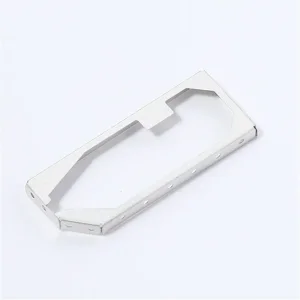
By combining high-speed insert molding, automated product assembly, and precision stamping, we offer integrated subsystem assemblies that simplify the supply chain for our partners.
For example, combining our RF connectors and high-shielding frames with dedicated thermal blocks creates complete modules that are ready for immediate installation. This integration helps reduce assembly times, minimize component tolerance mismatches, and improve overall system reliability.
Stpete Electronics is committed to technological development, regularly investing in new equipment to improve our production capabilities and support our partners' manufacturing needs.

Technical answers to common questions about square body aluminum heat sinks, thermal design, and materials.
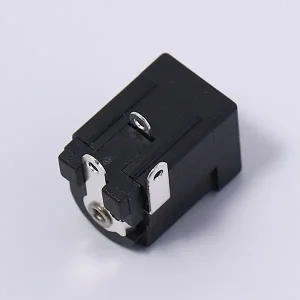
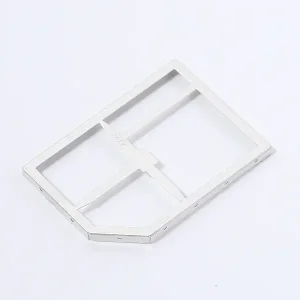
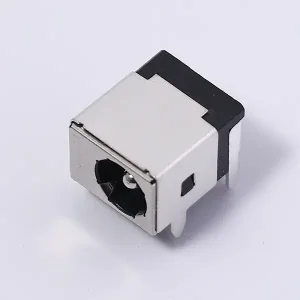
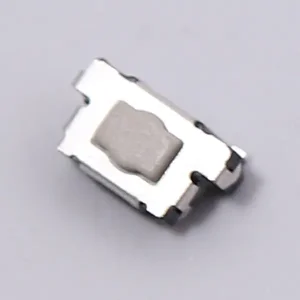
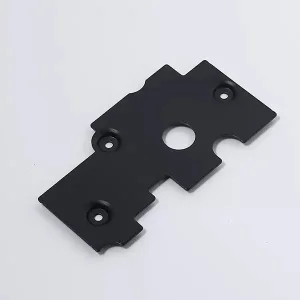
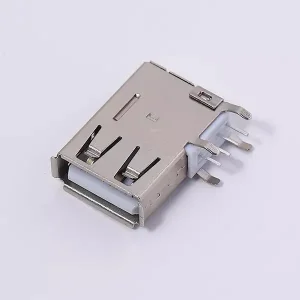
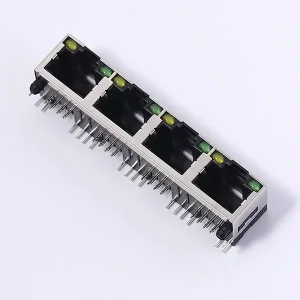
Discover more products from our production facility, including high-speed connectors, control switches, and reliable DC power sockets.
 Stpete Electronics