Explore our custom electronic interfaces, precision power components, and rugged connector systems engineered for strict industrial tolerances.
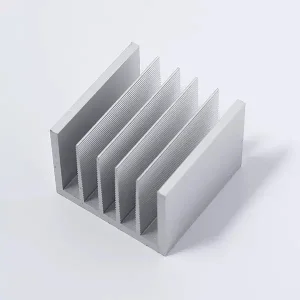
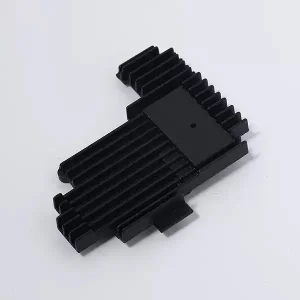
Thermal solutions are the backbone of modern electronics reliability. Here is why black anodized extruded heat sinks represent the gold standard in thermal control.
Black anodizing increases surface emissivity from 0.05 (for raw aluminum) to over 0.85. This drastically improves radiant heat transfer, particularly in enclosed or natural convection systems where air circulation is limited.
Utilizing high-purity alloy 6063-T5/T6 allows our plants to achieve extreme aspect ratios (up to 15:1 or higher), packing more surface area into a smaller envelope to handle higher thermal loads safely.
Anodizing converts the aluminum surface into a rugged aluminum oxide layer. This integrated protective barrier yields excellent electrical isolation and stops environmental degradation cold.
In the engineering space, performance is directly tied to micro-level material behaviors. Standard aluminum heat sinks are highly reflective, which inhibits radiative heat dissipation. Our advanced black anodized extrusion process deposits a highly uniform coating that functions as a thermal emitter. Under natural convection parameters, our customers experience a 10% to 15% reduction in device operating temperatures compared to raw aluminum alternatives. This is critical for industrial power supplies and remote 5G cellular stations where system maintenance is costly and thermal failures are unacceptable.
Our manufacturing processes are engineered to avoid mechanical grain lines. Utilizing automated billet heat treating and state-of-the-art tooling dies, Wenzhou Stpete Electronics ensures that structural integrity is maintained throughout the aluminum's grain structure. The result is a highly isotropic thermal pathway that shuttles heat away from hot junctions with maximum efficiency.
Wenzhou Stpete Electronics Technology Co., Ltd. is a leading high-tech enterprise specializing in development, production, and supply chains of electronic connectors and thermal structures.
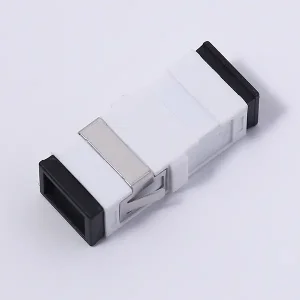
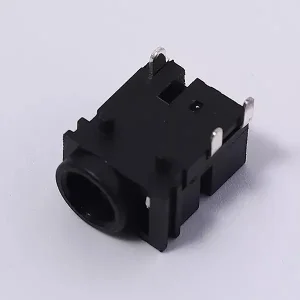
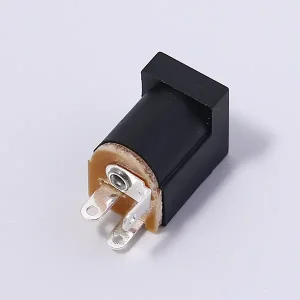
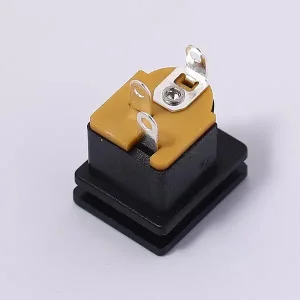
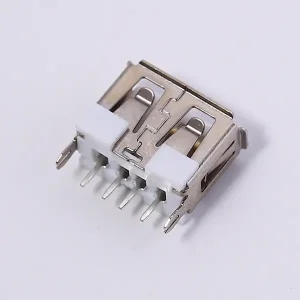
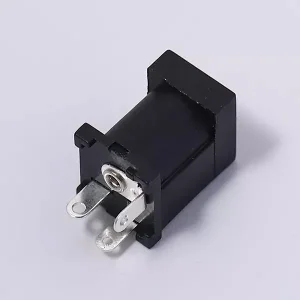
Established in 2005, we have spent nearly two decades refining our capabilities as a premier technology developer. Our manufacturing footprints produce high-performance IF radio-frequency terminals, FCB network jacks, DC power outlets, USB sockets, AV pin jack boards, and high-conductivity radiators/heat sinks.
We operate with advanced processing centers, utilizing high-level automatic punching equipment and high-precision CNC machinery. This guarantees exact geometric tolerances and absolute batch repeatability for global clients like Huawei and Hisense.

From raw alloy composition verification to final coating thickness, our quality gates ensure zero defects leaves our factory floor.
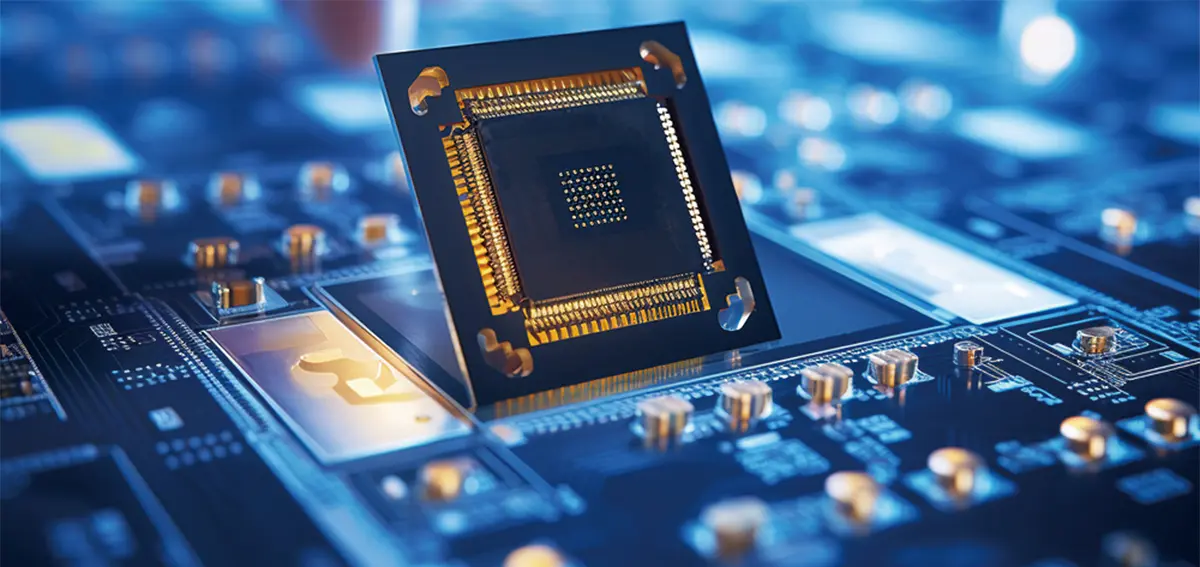
Supported by over 30 dedicated research engineers, an annual R&D investment exceeding 15 million RMB, and holding 21+ critical structural patents.
Certified under ISO 9001, ISO 14001, and ISO 45001. Advanced metallurgical analysis and 3D coordinate-measuring inspection prevent structural anomalies.

Equipped with high-tonnage automated extrusion lines, multi-axis insert molding, and automated secondary CNC machinery.
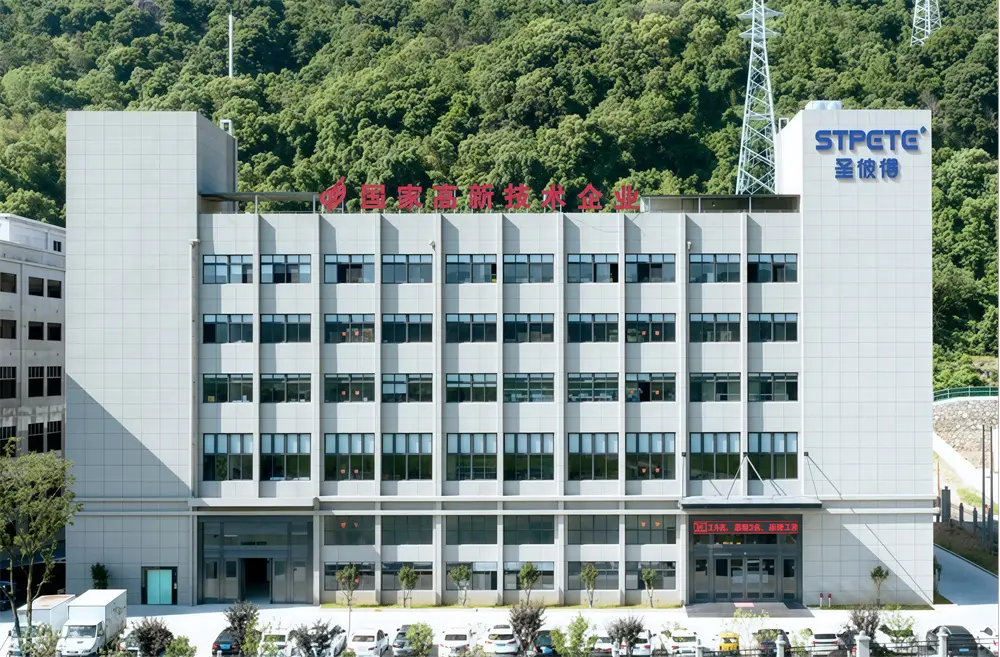
Wenzhou Stpete Electronics controls the entire thermal performance chain. Our process engineering starts with premium AL6063 billets to guarantee uniform raw material composition. Extrusions are precisely cooled under nitrogen shielding to prevent surface oxidation before secondary processes occur. Our high-precision CNC machines handle drilling, tapping, and milling tasks down to ±0.02mm, ensuring interfaces fit power modules seamlessly.
Once fabricated, the profiles undergo electrochemical anodization. Anodizing tank controls maintain accurate temperature, acid concentrations, and current density to grow a highly consistent, non-porous Al2O3 layer colored with non-fading deep black pigments. We monitor this thickness meticulously to meet standard industrial specifications (typically 8 to 20 microns) depending on the field deployment environment.
Global procurement departments face strict hurdles. Here is how our supply chain processes align with current compliance and logistical requirements.
We provide complete material certifications (MTRs) for every batch, confirming raw alloy chemistry and temper ratings. All surface finishes are RoHS and REACH compliant, eliminating restricted heavy metals to prevent regulatory barriers in Western European and North American markets.
With optimized warehouse planning and port access from Ningbo and Shanghai, we support JIT delivery schedules. This lowers holding costs and optimizes working capital for high-volume consumer electronic and automotive manufacturers.
We go beyond simple profiles. We supply ready-to-assemble units with pre-applied thermal interface materials (TIMs), press-fit pins, custom threaded standoffs, and precision masking on mounting surfaces where electrical grounding is required.
Our testing labs use optical coordinate machines (CMM) to map out dimensions, while eddy-current gauges check anodization depth. Salt-spray chambers verify the corrosion resistance of our finishes under harsh marine or industrial conditions.
High-power systems demand specialized structures. Here is how our engineering designs support major technology sectors globally.
We supply thermal solutions for EV on-board chargers (OBC) and battery management systems (BMS). Our thick-base profiles handle rapid heat cycling without thermal fatigue or mechanical warping.
Outdoor cabinets require reliable, passive heat dissipation. Our black anodized components leverage high surface area and weather-resistant finishes to maintain stable temperatures under direct solar exposure.
For high-power IGBT modules, our precision-flat contact areas ensure low contact resistance, reducing thermal resistance to protect semiconductors from destructive thermal runaway.
We believe technical capability is driven by people. Building alignment translates into better engineering quality for our international clients.
At Wenzhou Stpete Electronics, we focus on continuous technical training and team alignment. Our engineers regularly participate in thermal design seminars, manufacturing audits, and process quality improvement sessions to stay ahead of international standards.
Outdoor training and collaborative team-building activities help build mutual trust and coordination across our R&D, production, and quality control departments. This unified team focus allows us to respond faster to custom prototyping requests and scale up new production lines smoothly.

As power density increases, standard extrusion limits are pushed. Here is how our engineering team is addressing tomorrow's thermal challenges.
To overcome width restrictions in traditional extrusion presses, we use FSW to join multiple profiles. This creates wider heat sinks while keeping thermal performance consistent across the joint.
We are integrating copper vapor chambers into the base of our aluminum extrusions. This combination spreads localized heat quickly, allowing the cooling fins to work at maximum efficiency.
We are investing in zero-discharge wastewater recycling systems. Our new closed-loop acid recovery lines reduce environmental impact while maintaining high anodizing quality.
Get detailed technical answers regarding tolerances, alloy choices, anodizing standards, and custom thermal designs.
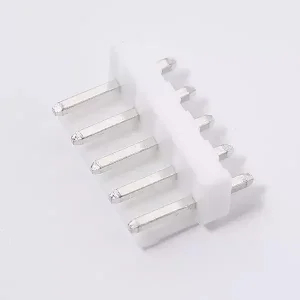
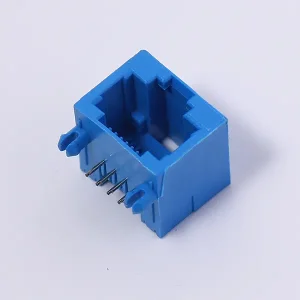
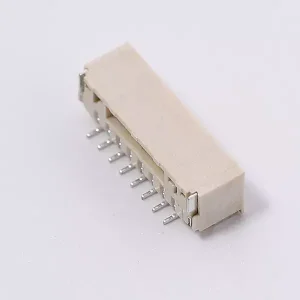
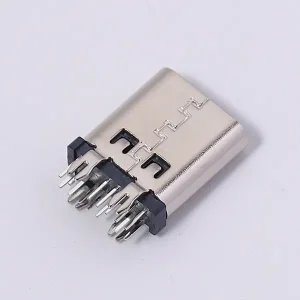
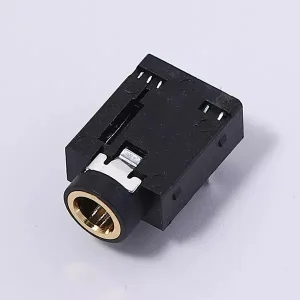
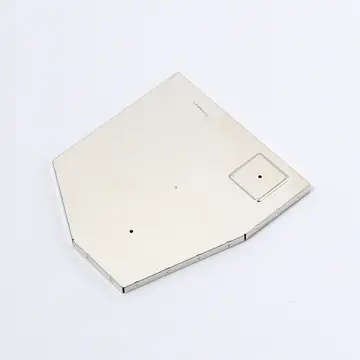
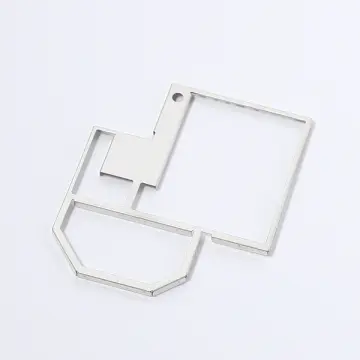
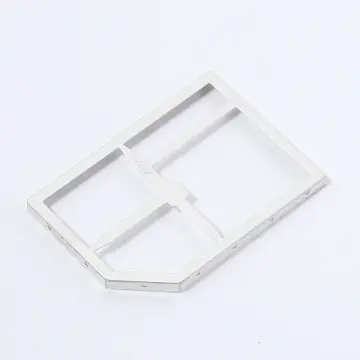
High-precision electrical terminals, high-frequency connectors, and durable hardware options matching our thermal management product lines.
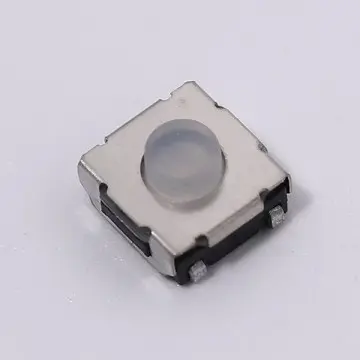
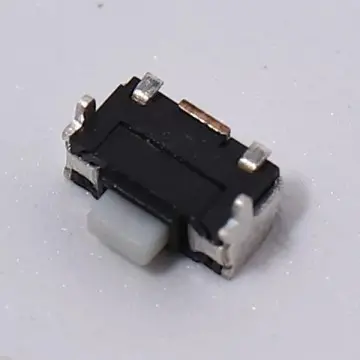
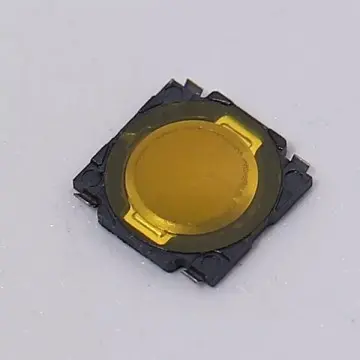
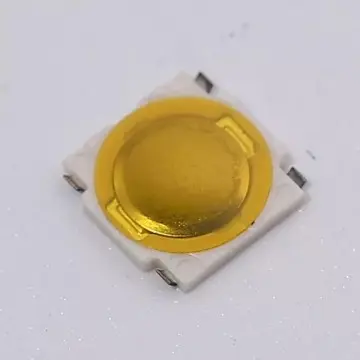
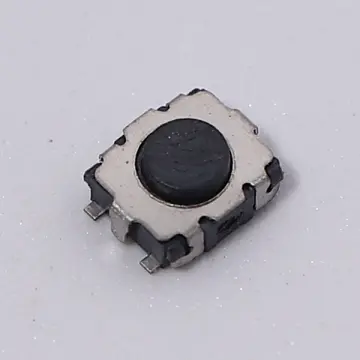
Browse our tactile micro-switches, power connector jacks, and port interfaces manufactured to the same rigorous engineering standards.
Send us your technical drawings (.DXF, .DWG, .STEP, or .IGS), and our thermal engineering team will provide design feedback, cost evaluations, and lead-time estimates within 24 hours.
 Stpete Electronics