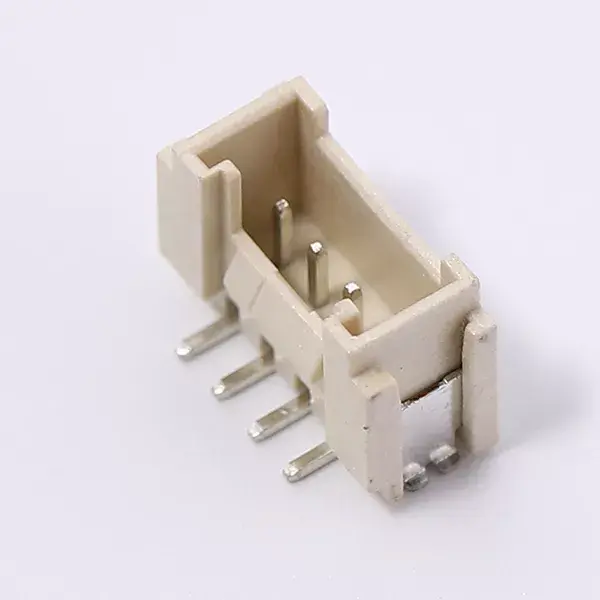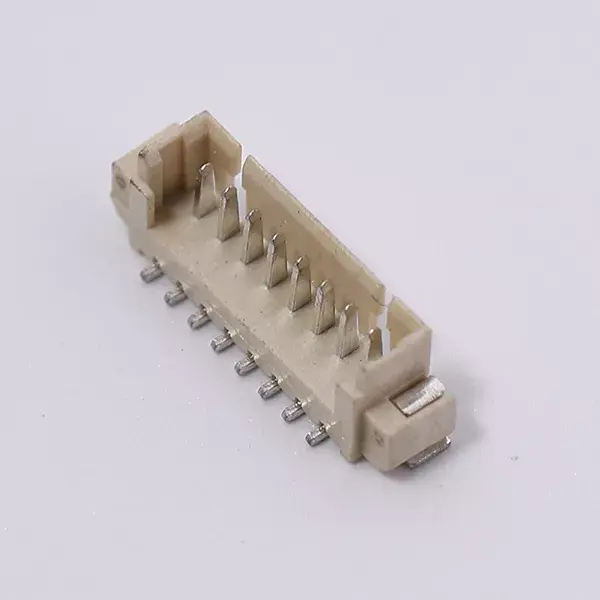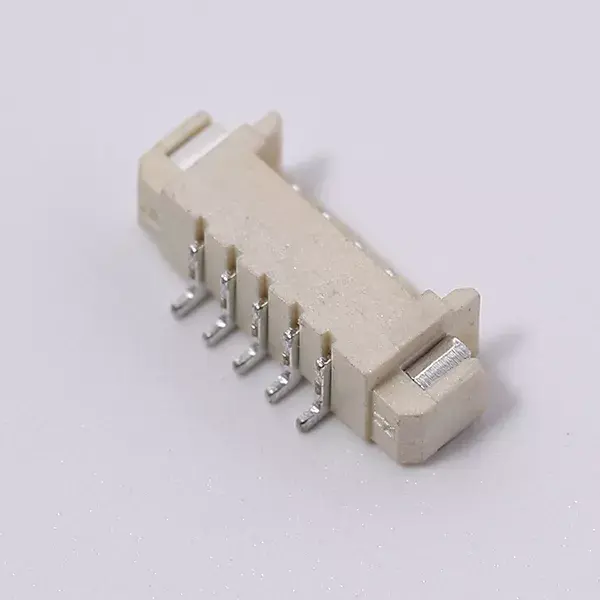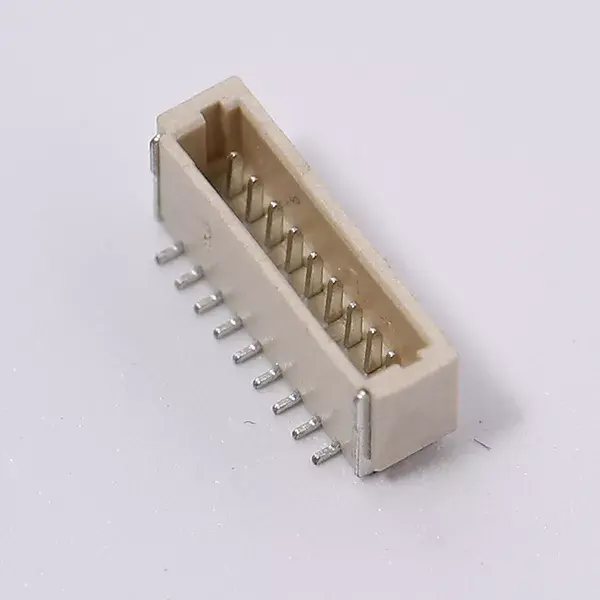
High-Quality Pin Header Connector Factory, Exporters

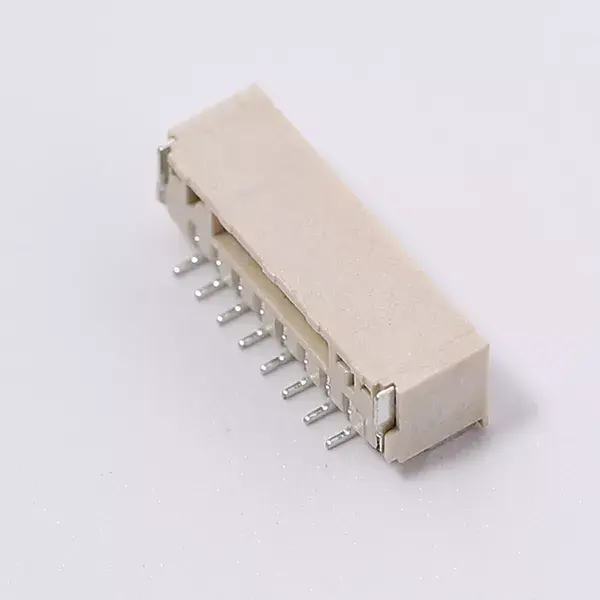
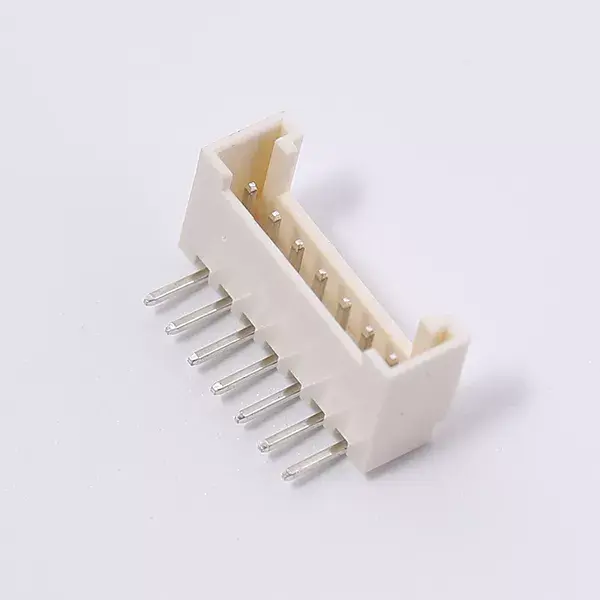
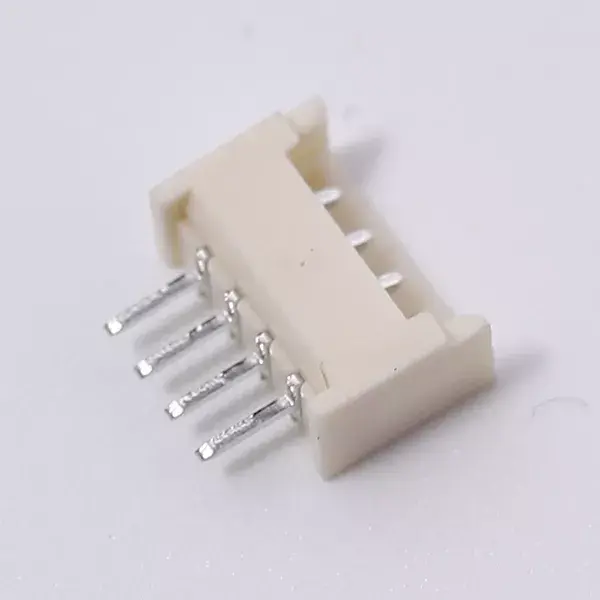
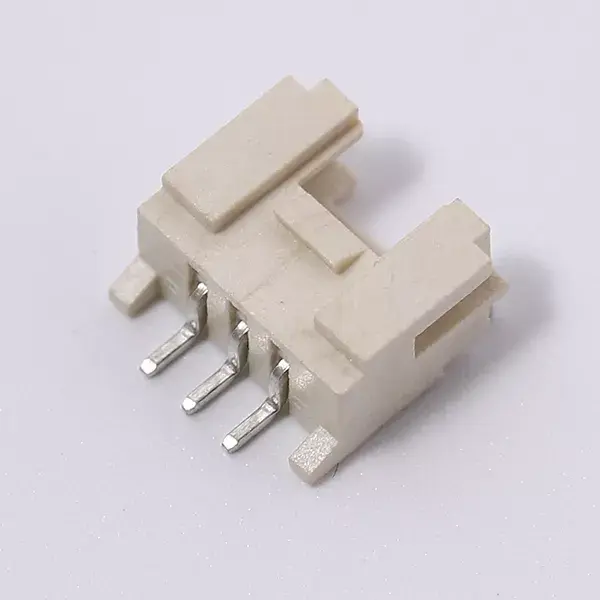
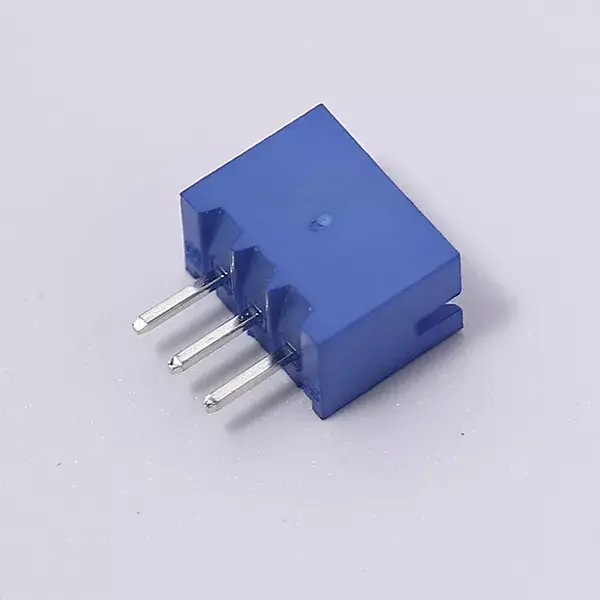
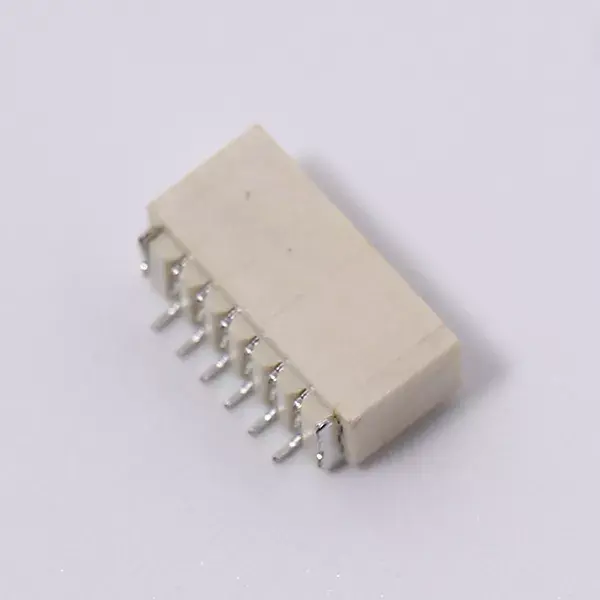
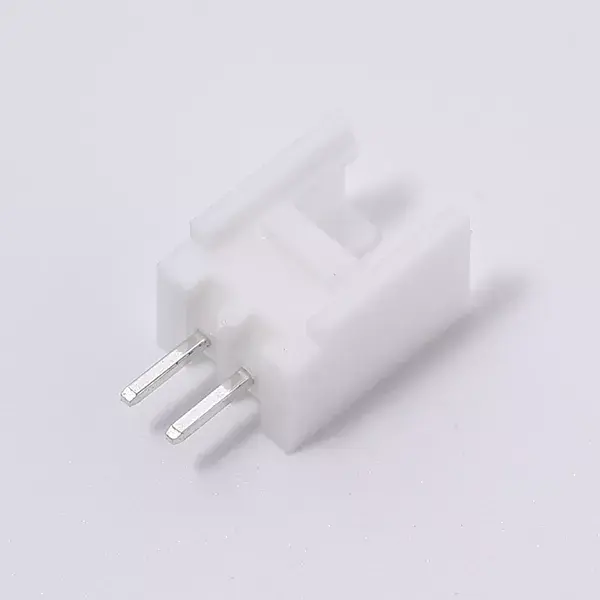
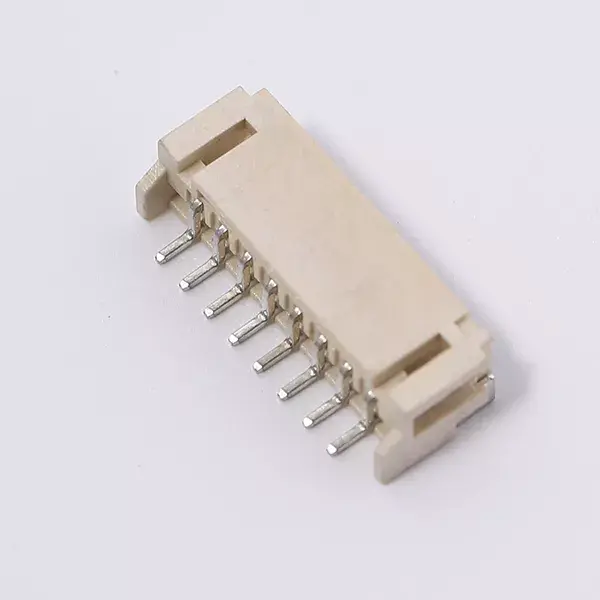
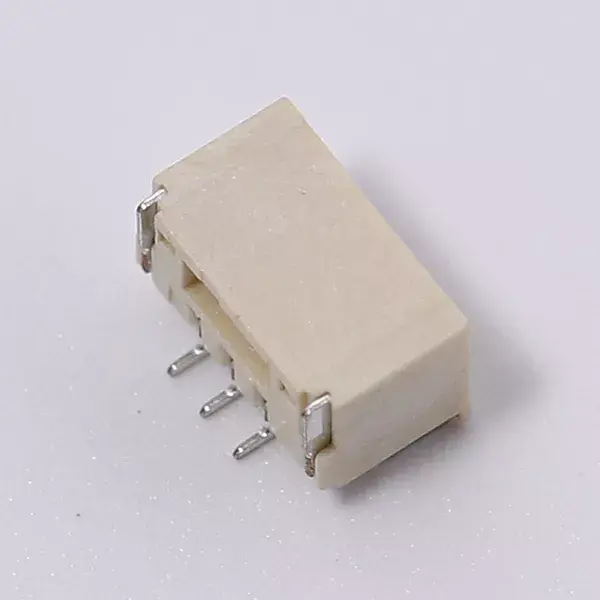
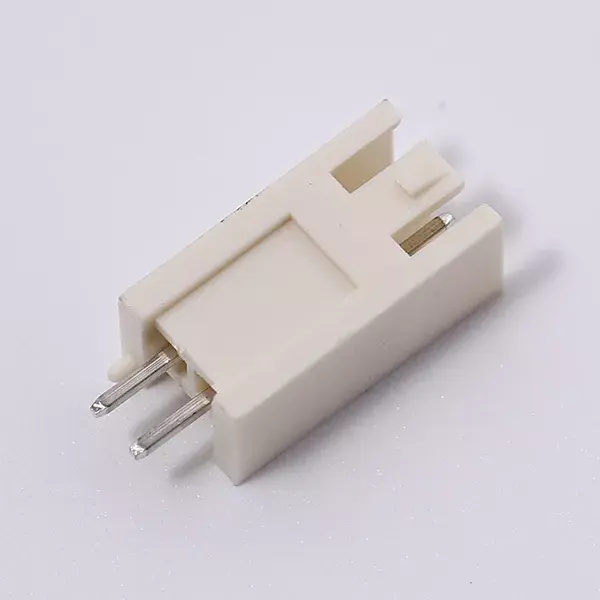
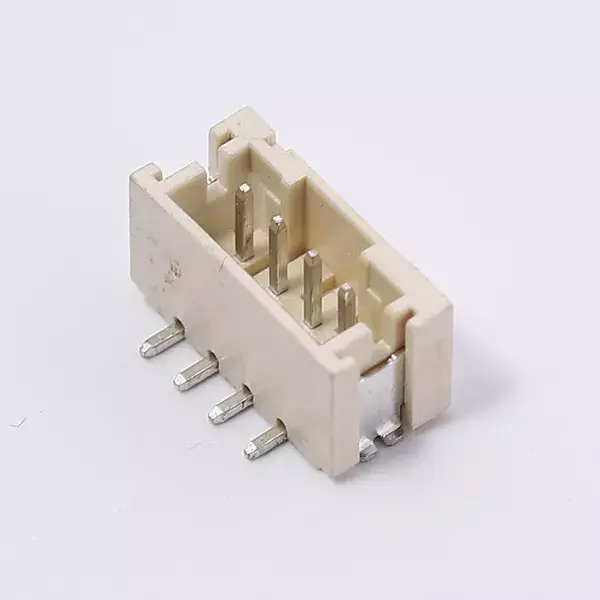
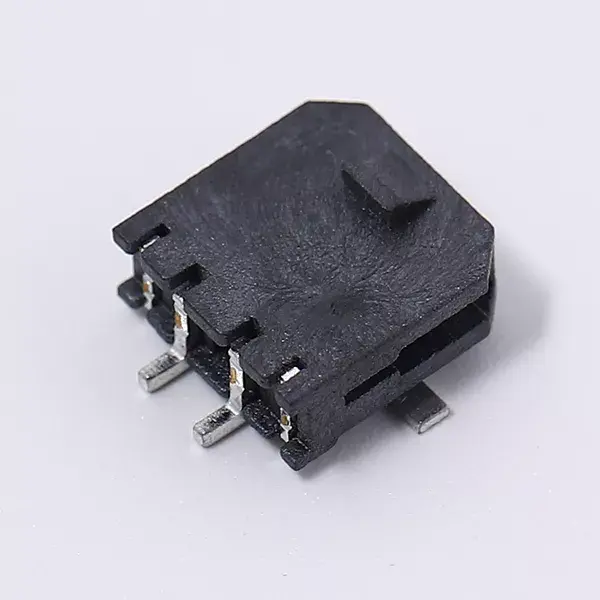
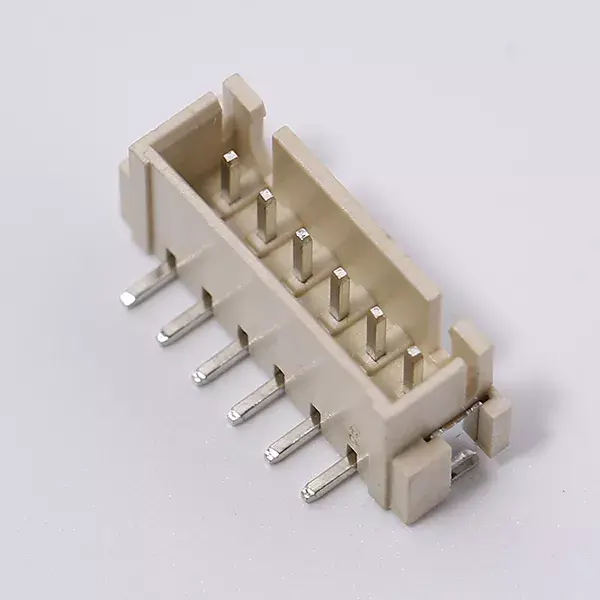
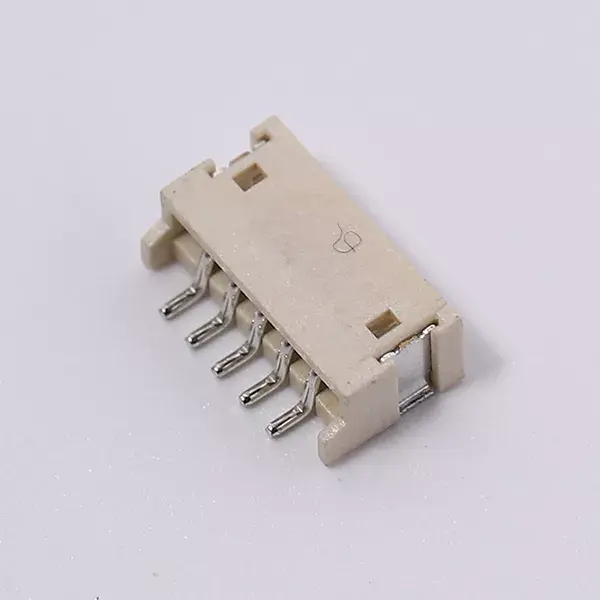
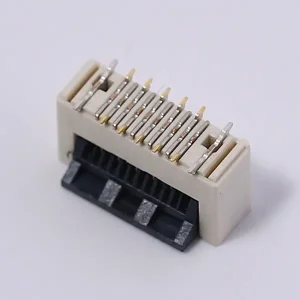
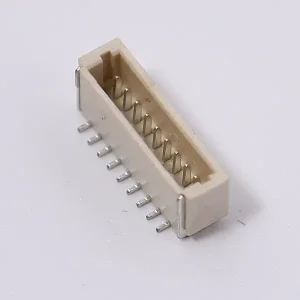
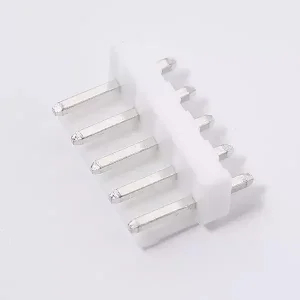
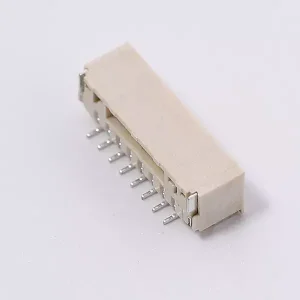
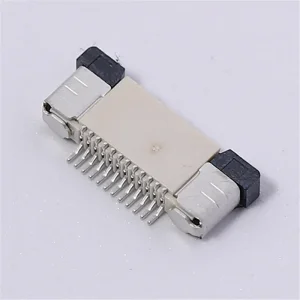
Pin Header Connector is a basic electronic connection device composed of single or multiple rows of metal pins and plastic bases. It is usually used in conjunction with corresponding sockets (such as sockets and IDC connectors) to achieve electrical connections between circuit boards (PCBs) or between circuit boards and cables. Its core advantages lie in its simple structure, low cost, and convenient installation, which are widely used in low to medium complexity electronic devices.

Product Description

Application Section

Consumer Electronics
App

Consumer Electronics

  • Home appliance control board: signal transmission for main control boards such as air conditioning and washing machines.
  • Digital devices: Connection between internal modules of routers and set-top boxes.
Industrial control
App

Industrial control

  • PLC module: signal and power interface for industrial automation equipment.
  • Sensor connection: Signal transmission for temperature and humidity sensors and photoelectric switches.
Automotive Electronics
App

Automotive Electronics

  • Vehicle dashboard: The communication interface between the instrument panel and the ECU (electronic control unit).
  • Wire harness adapter: The transition connection between the wiring harness inside the vehicle and the circuit board.
Communication Devices
App

Communication Devices

  • Base station module: low-frequency signal transmission and control line connection.
  • Fiber optic equipment: docking of auxiliary circuits with the motherboard.
Medical Equipment
App

Medical Equipment

  • Monitor module: Fixed interface for blood oxygen probe and ECG lead.

Core Functions and Features

Electrical Performance
Features

Electrical Performance

  • Signal transmission: Supports low-frequency signals (≤ 100MHz), suitable for control signal and power transmission.
  • Current carrying capacity: Single pin maximum current of 1-3A (depending on material and size), meeting conventional power supply requirements.
Machine Design
Features

Machine Design

  • Standardization of spacing: Common spacing is 2.54mm (0.1 inch) and 1.27mm (high-density type).
  • Plug and unplug lifespan: typical value 500-1000 times (gold-plated pins can reach 3000 times).
  • Installation method: Through Hole Welding (THT) or Surface Mount Technology (SMT), compatible with automated production.
Materials and Reliability
Features

Materials & Reliability

  • Pin material: phosphor bronze (excellent conductivity), brass (low cost), surface gold-plated/tinned to prevent oxidation.
  • Base material: PA (nylon, high temperature resistant), PBT (chemical resistant).
  • Environmental tolerance: working temperature -40 ℃~+105 ℃, some models support IP20 dust prevention.

Industry Trends and Challenges

Market Demand
Trends

Market Demand

  • Miniaturization: The demand for high-density connections is driving the popularity of 1.0mm pitch products.
  • Cost sensitive: The consumer electronics industry has a strong demand for low-cost, high-volume solutions.
Technical Upgrade Direction
Trends

Technical Upgrade

  • High frequency expansion: Optimized pin design to support higher frequency signals (such as 10Gbps differential signals).
  • Environmental resistance: Develop high-temperature and corrosion-resistant materials (such as LCP base).
Industry Standards and Compliance
Trends

Standards & Compliance

  • Safety certification: Must comply with UL, IEC 60664 (insulation performance) and other standards.
  • Environmental requirements: RoHS and REACH restrict the use of hazardous substances.

Summary and Suggestions

Product Positioning
Strategy

Product Positioning

  • As a basic connection solution, the needle socket connector is irreplaceable in low-cost and standardized scenarios, but it needs to compete with high-end connectors such as board to board and FPC to form differentiation.
Development Direction
Strategy

Development Direction

  • Customized services: Provide color coding and anti misplacement design (such as keyway structure) to meet the needs of specific fields.
  • Automation adaptation: Optimize packaging forms (tape packaging) to improve SMT production line efficiency.
Marketing Strategy
Strategy

Marketing Strategy

  • Focus on the mid-range market: prioritize covering growth areas such as smart homes and industrial control.
  • Supply chain optimization: Reduce unit costs through large-scale production to cope with price competition.

Frequently Asked Questions (FAQ)

Q What are the primary applications of needle socket connectors?

They are widely applied in consumer electronics (home appliances and digital devices), industrial control (PLC modules and sensor connections), automotive electronics (vehicle dashboards and wire harness adapters), communication devices (base stations and fiber optic equipment), and medical equipment (monitors).

Q What are the standard electrical performance capabilities?

These connectors are designed to support low-frequency signal transmissions (≤ 100MHz) with a single-pin maximum current capacity of 1-3A, making them ideal for conventional power supplies and control signal routing.

Q What materials are used to ensure the reliability of these connectors?

Pins are made of high-conductivity phosphor bronze or cost-effective brass, which are surface gold-plated or tinned to prevent oxidation. The base housings are made of heat-resistant PA (nylon) or chemical-resistant PBT to operate within temperatures ranging from -40 ℃ to +105 ℃.

Q What mounting methods and spacings are available?

They support standard spacing configurations such as 2.54mm and 1.27mm. Installation methods include Through Hole Technology (THT) and Surface Mount Technology (SMT) for automated SMT line efficiency.

Q How does the industry address miniaturization trends?

To accommodate modern high-density electrical designs, there is a strong transition toward 1.0mm pitch connectors. Simultaneously, high-frequency expansions are optimized to support differential signals up to 10Gbps.

Q Which safety certifications do these connectors comply with?

They are manufactured to comply with essential safety standards including UL and IEC 60664 (for insulation), as well as environmental safety requirements like RoHS and REACH.
Related Products