CE Certification Needle connector 20pin Exporters, Exporter

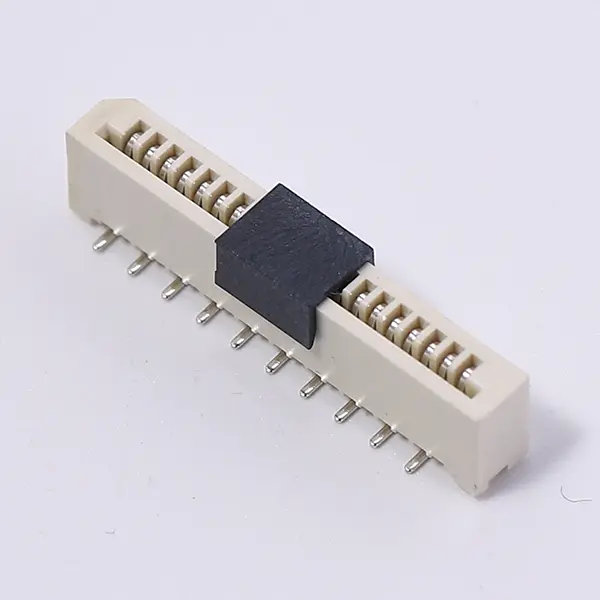
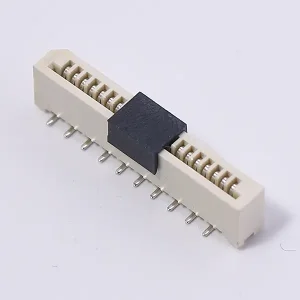
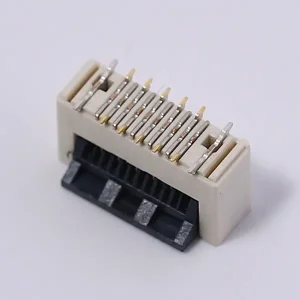
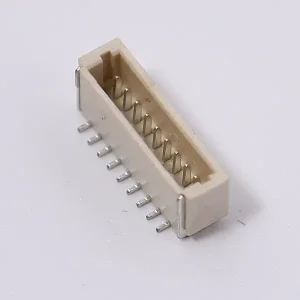
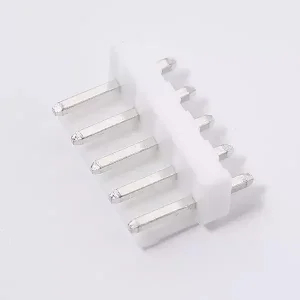
Pin header connectors, as key components in the field of electronic connections, play an indispensable role in various devices. They consist of an insulating base and metal pins, achieving stable electrical connections through ingenious design.

There are various types of pin header connectors. In terms of row count, they include single-row, double-row, etc. Regarding installation methods, through-hole mounting is suitable for traditional circuit boards, while surface mounting fits modern SMT processes. Different industries have varying demands for them. In consumer electronics, they are used in mobile phones and computers to connect internal components, ensuring signal and power transmission. In industrial automation, they connect devices such as sensors and controllers, facilitating production operations.

With advantages like easy plugging, strong flexibility, and wide adaptability, pin header connectors provide convenience for equipment maintenance, upgrading, and replacement, driving the continuous innovation of electronic devices.

Product Description

Structure and Material Composition

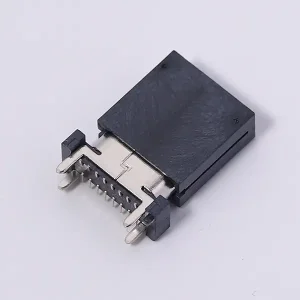
Pin header connectors are core interface components for signal and power transmission inside electronic devices and between devices, achieving efficient and stable circuit connections through precision structural design. Their main body consists of a high-strength insulating base and highly conductive metal pins, often brass or phosphor bronze with excellent ductility. The base is mostly made of high-temperature resistant nylon or PBT materials, ensuring no deformation during welding and long-term use; the pins undergo surface treatments such as tin plating and gold plating, which not only improve conductivity but also enhance corrosion resistance, ensuring long-term stable operation.

Flexible Specifications & Mounting Options

The product specifications are rich and can be flexibly selected according to multiple dimensions: divided into single-row, double-row and multi-row by the number of rows to meet different circuit density requirements; common specifications such as 2.54mm, 2.0mm, 1.27mm by spacing, adapting to precision and conventional circuit designs; the number of pins ranges from 2 to hundreds, covering the connection needs from small modules to complex equipment. The installation methods include through-hole mounting and surface mounting, which are respectively suitable for traditional through-hole processes and modern SMT production lines. The right-angle and vertical direction designs provide more possibilities for circuit board space layout.

Advanced Shielding & Integrity: Some high-end models are equipped with a shield structure, which can effectively protect the pins from external damage, and at the same time prevent reverse insertion and wrong insertion, improving the safety of use.

From the internal connection of smartphones and laptop computers in the consumer electronics field, to the docking of sensors and PLC modules in industrial control, and then to the precision circuit transmission of medical equipment, pin header connectors, with the characteristics of convenient plugging, reliable contact and strong adaptability, have become indispensable "nerve nodes" in electronic systems, providing a solid guarantee for the efficient operation and flexible upgrading of equipment.

Frequently Asked Questions

What materials are typically used for pin header connectors?
The main body consists of highly conductive metal pins (often brass or phosphor bronze) with surface treatments like gold or tin plating. The insulating base is made of high-temperature resistant nylon or PBT to prevent deformation during soldering.
What are the standard pitch specifications available?
Common spacing specifications include 2.54mm, 2.0mm, and 1.27mm, allowing adaptability to both high-density precision circuits and conventional layouts.
Which mounting methods are supported by these connectors?
They support both through-hole mounting (THT) and surface mounting (SMT), making them suitable for traditional manual/wave soldering and modern automated SMT assembly lines.
Do you offer reverse-insertion protection?
Yes, select high-end models feature specialized shielding and keyed structures that physically prevent incorrect orientation or reverse insertion while protecting the pins from physical damage.
In which industries are pin header connectors widely applied?
They serve as crucial connectors across consumer electronics (laptops, smartphones), industrial automation (sensors, PLC modules), and precision medical equipment.
Are there layout design variations for space optimization?
Yes, the connectors are available in single, double, and multi-row configurations with right-angle or vertical orientations to optimize PCB space.

Related Products