CE Certification SFP-W016 Exporters, Exporter

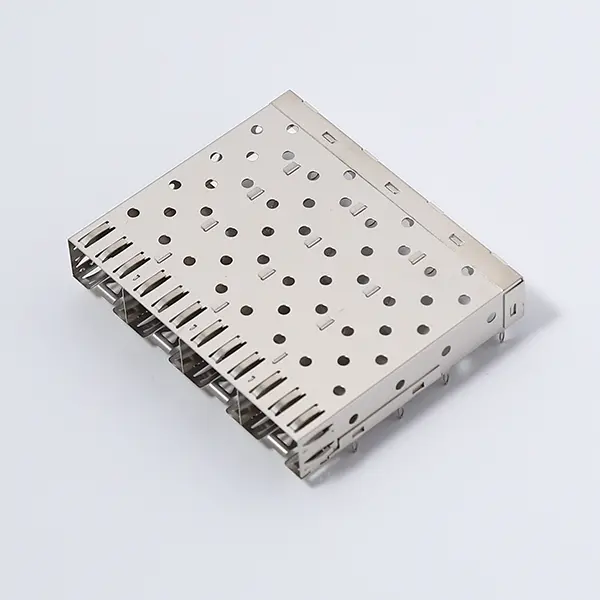
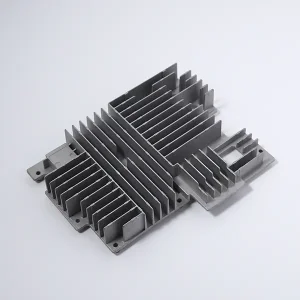
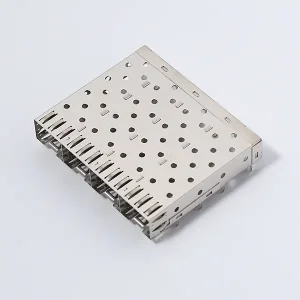
Optical module housing, which plays an important role in the field of optical communication. In terms of appearance, its main body presents a metallic texture and a neat surface. The housing is covered with small holes, which are not randomly designed. They are mainly for heat dissipation, helping the optical module to dissipate heat in time during long-term operation and avoiding performance degradation due to excessive temperature.

In terms of material, this housing is made of high-quality metal materials. This material has good mechanical strength and can effectively protect the internal optoelectronic components from external physical damage. At the same time, the metal material also has excellent electromagnetic shielding performance, which can prevent the leakage of electromagnetic signals inside the optical module and also resist the impact of external electromagnetic interference on the normal operation of the optical module.

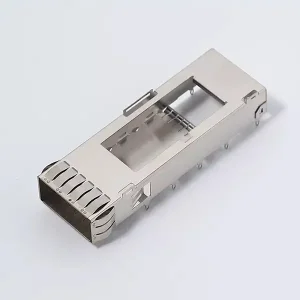
From the perspective of functional design, the interface part on the housing is carefully designed to be accurately connected with the internal components of the optical module to ensure the stable transmission of optical and electrical signals. Overall, with its reasonable structural design and high-quality material selection, this optical module housing provides a reliable guarantee for the stable and efficient operation of the optical module and is an indispensable part of optical communication equipment.

Product Description

Product Details & Performance

This optical module shell is a key component in the field of optical communication, playing a crucial role in ensuring the stable and efficient operation of optical modules.

Key Technical Features

Appearance & Structure

In terms of appearance, it presents a metallic texture, exuding a sense of quality and reliability. The surface of the shell is neatly designed, and the overall shape is compact and regular, which is convenient for installation and integration into various optical communication devices.

Optimized Heat Dissipation

A notable feature is the numerous small holes distributed on the shell. These small holes are carefully designed for heat dissipation. During the operation of the optical module, a large amount of heat will be generated. These small holes can effectively help the optical module dissipate heat in time during long-term operation, preventing performance degradation due to excessive temperature.

Premium Materials

Made of high-quality metal materials. This material has excellent mechanical strength, which can effectively protect the internal optoelectronic components from external physical damage. Whether it is during transportation or in complex working environments, it can provide a solid protective barrier for the internal components.

Electromagnetic Shielding

The metal material has excellent electromagnetic shielding performance. It can prevent the leakage of electromagnetic signals inside the optical module, thereby avoiding interference with other electronic devices. At the same time, it can also resist the impact of external electromagnetic interference on the normal operation of the optical module, ensuring the stable transmission of signals.

Functional & Structural Design

From the perspective of functional design, the interface part on the shell is meticulously designed. It can be accurately connected with the internal components of the optical module, ensuring the stable transmission of optical and electrical signals. This precise connection design is crucial for the high-speed and reliable transmission of data in optical communication systems.

In summary, this optical module shell, with its reasonable structural design, high-quality material selection, and excellent functional performance, provides a reliable guarantee for the stable and efficient operation of the optical module. It is an indispensable and important part of optical communication equipment, contributing to the development and progress of the entire optical communication industry.
Frequently Asked Questions (FAQ)

Q1: What role does this optical module shell play in optical communication systems?
The shell is a key component that protects the internal optoelectronic components, shielding them from physical damage and electromagnetic interference while ensuring stable signal transmission.
Q2: Why are there multiple small holes on the shell?
These small holes are engineered specifically for heat dissipation. They help release heat generated during operation, preventing performance degradation from high temperatures.
Q3: What materials are used to construct the optical module shell?
The shell is made from high-quality metals. This provides robust mechanical strength and protective barriers against external impacts during shipping and use.
Q4: How does the shell prevent electromagnetic interference?
The high-quality metal material offers excellent electromagnetic shielding properties. It blocks internal signal leakage to prevent disrupting other devices and protects internal components from external electromagnetic noises.
Q5: Is the interface design suitable for high-speed data transmission?
Yes. The interface is meticulously designed to connect accurately with internal elements, securing optical and electrical signal consistency crucial for fast, reliable data transfers.

Related Products