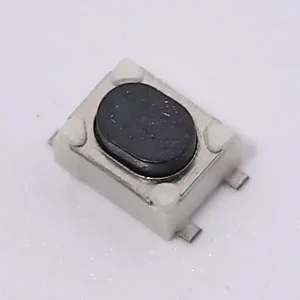
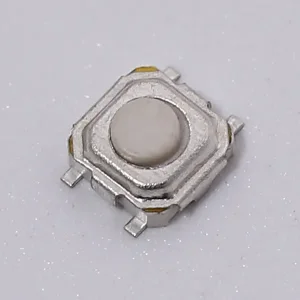
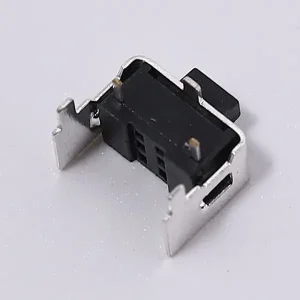
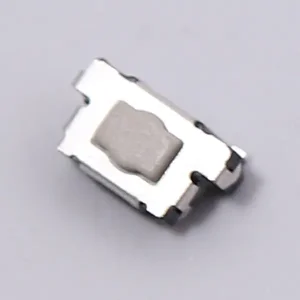
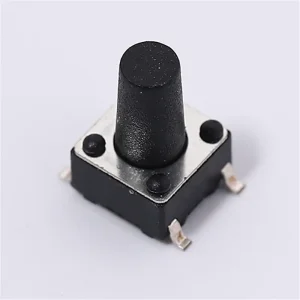
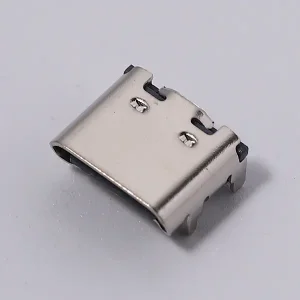
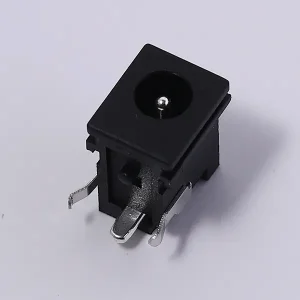
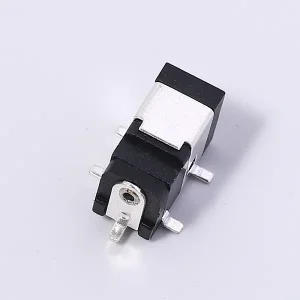
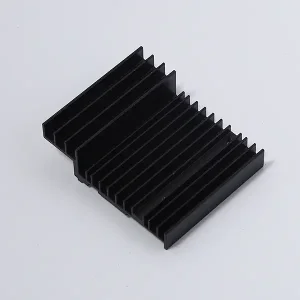
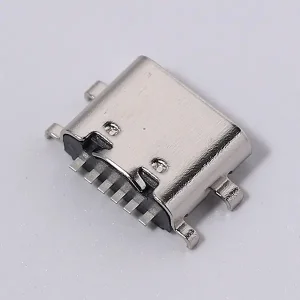
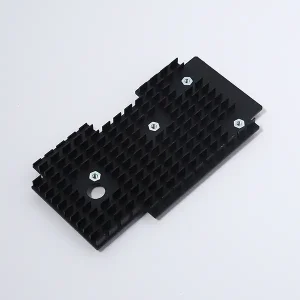
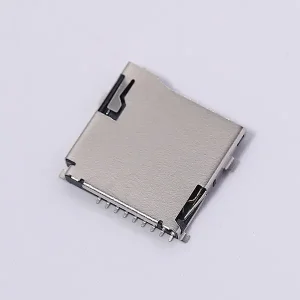
Explore our precision-engineered tactile switches, high-amperage power connectors, and interface modules optimized for reliable control circuits.
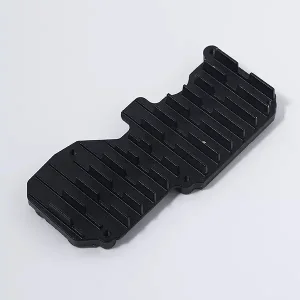
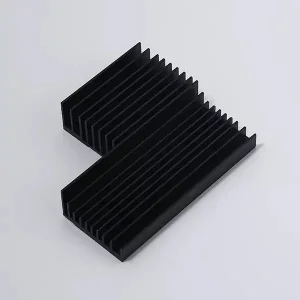
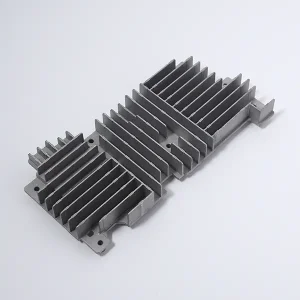
In modern electrical engineering, thermal dissipation acts as the critical design gateway for power density increases. Large aluminum heat sinks have transitioned from basic profile extrusions to highly integrated thermal systems. These assemblies prevent junction temperature spikes in mega-power IGBT components, renewable energy inverters, telecommunication base stations, and electric vehicle (EV) motor controllers.
Aluminum alloys, particularly AL6063 and AL6061, remain the materials of choice due to their exceptional thermal conductivity, structural rigidity, and weight-to-performance ratio. By leveraging advanced manufacturing lines, high-purity aluminum blocks are transformed into complex fin profiles designed to optimize boundary layer air movement and heat transfer coefficients.
Utilizing high-purity raw materials ensuring thermal conductivity exceeding 200 W/(m·K) for optimal dissipation pathways.
Custom heat treatments like T5 and T6 hardening processes prevent structural warping under cycling loads.
Precision anodizing and corrosion-resistant surface coatings guarantee thousands of hours of operation.
Procurement directors and engineers face strict hurdles when sourcing heavy-duty industrial heat sinks. The primary challenges rest on balancing surface flatness tolerances, processing lead times, mechanical strength, and quality verification. For components used in server farms or solar converters, contact surface flatness must meet standards below 0.1 mm to reduce the necessary thermal interface material (TIM) thickness.
We address these industry demands by employing high-tonnage extrusion presses, automated cross-cut CNC platforms, and multi-stage flatness testing. This process mitigates thermal contact resistance, ensuring immediate thermal transfer from high-temperature silicon dies straight through to the cooling fin matrix.

Depending on power output requirements and mechanical footprint constraints, various manufacturing methodologies are deployed to configure heavy-duty heat sink assemblies:
Extremely cost-effective for high-volume production runs. Tailored die designs allow complex fin ratios that maximize surface area without structural weakness.
For extra-wide heat sink specifications exceeding traditional press sizes, FSW merges separate extrusions together with near-zero heat-affected zones.
Allows the combination of copper base plates and ultra-thin aluminum fins, providing high aspect ratio geometry that standard extrusion limits prevent.
Expert Development, High-Precision Manufacturing & Global Supply Chain Excellence since 2005.
Established in 2005, Wenzhou Stpete Electronics Technology CO., LTD has grown into a leading high-tech enterprise specializing in the R&D, high-precision manufacturing, and global distribution of electronic connectors and thermal dissipation products. We have built an excellent reputation among domestic and international customers for our premium product quality and highly responsive trading support.
Equipped with a comprehensive, state-of-the-art production lineup, we manufacture products ranging from IF Radio-Frequency Terminals, FCB Network Jacks, DC Power Outlets, USB Sockets, AV Pin Jack Boards, to advanced cooling Radiators. Our advanced stamping presses and CNC machinery ensure high accuracy and long-term operating reliability.
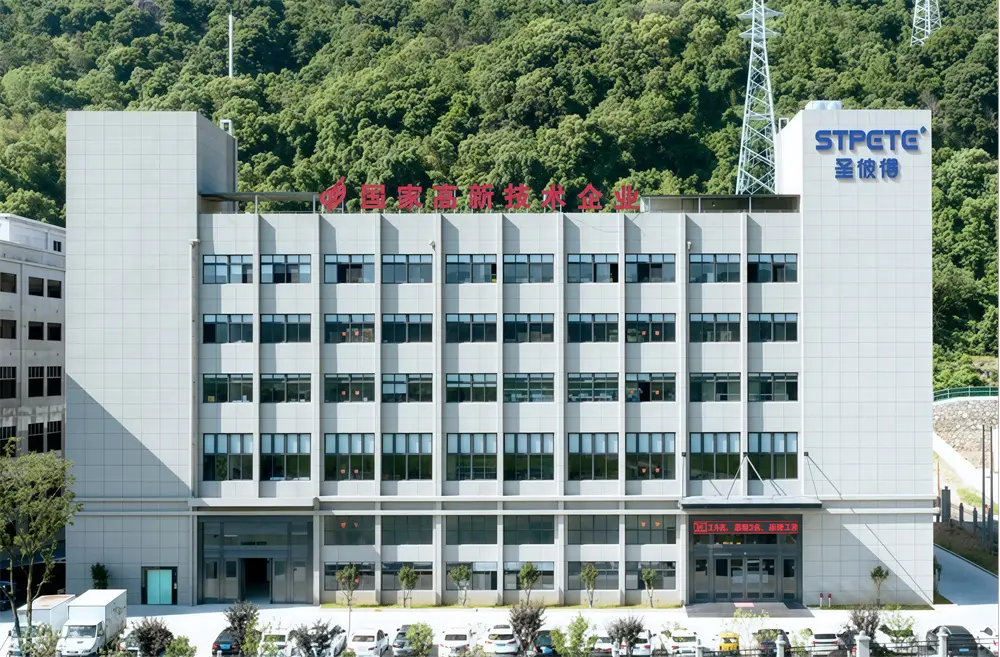
For Stpete, quality is guided by engineering and supported by precise quality protocols. Every single production step is checked—from the initial raw material screening to chemical compositions, to machining tolerances, and finally to electrical and thermal performance stress tests.

We hold ISO 9001, ISO 14001, and OHSAS 18001 certifications. Our raw material lines undergo testing to ensure alignment with RoHS and REACH standards. This compliance ensures seamless integration into complex hardware assemblies worldwide, preventing environmental non-compliance issues for our customers.
Our dedicated R&D team features over 30 engineers. We invest more than 15 million RMB annually in structural optimization, testing facilities, and heat simulation software. Through this commitment, we have secured 21 patents and established long-term supplier relationships with tier-1 communication and home appliance brands like Huawei and Hisense.
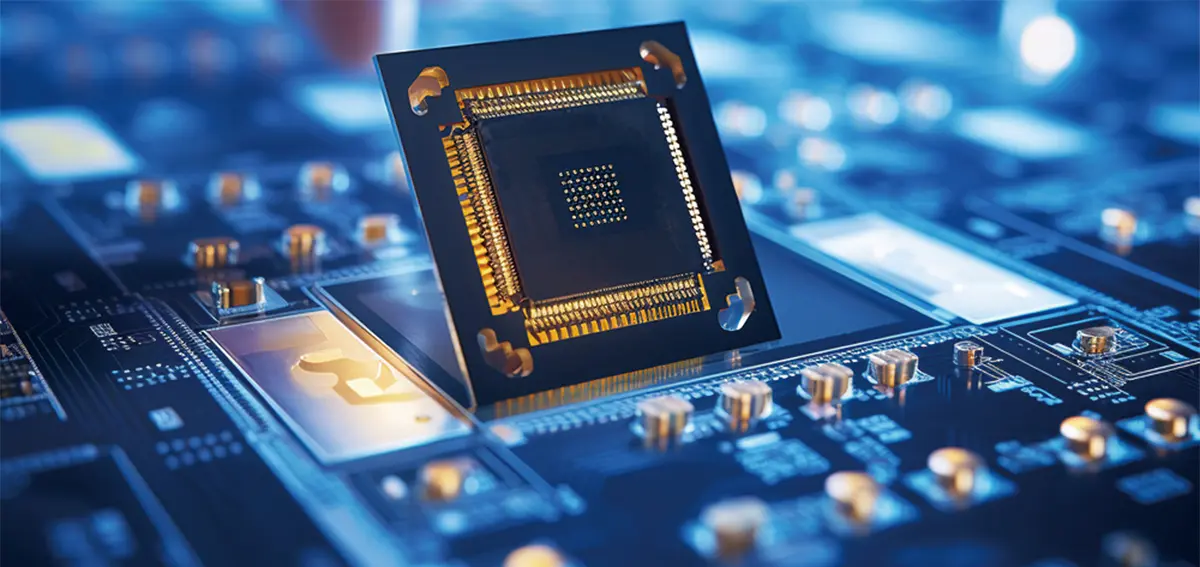
Over 30 R&D personnel managing mechanical, chemical, and physical performance parameters, backed by an annual budget exceeding 15 million RMB and 21+ active patents.
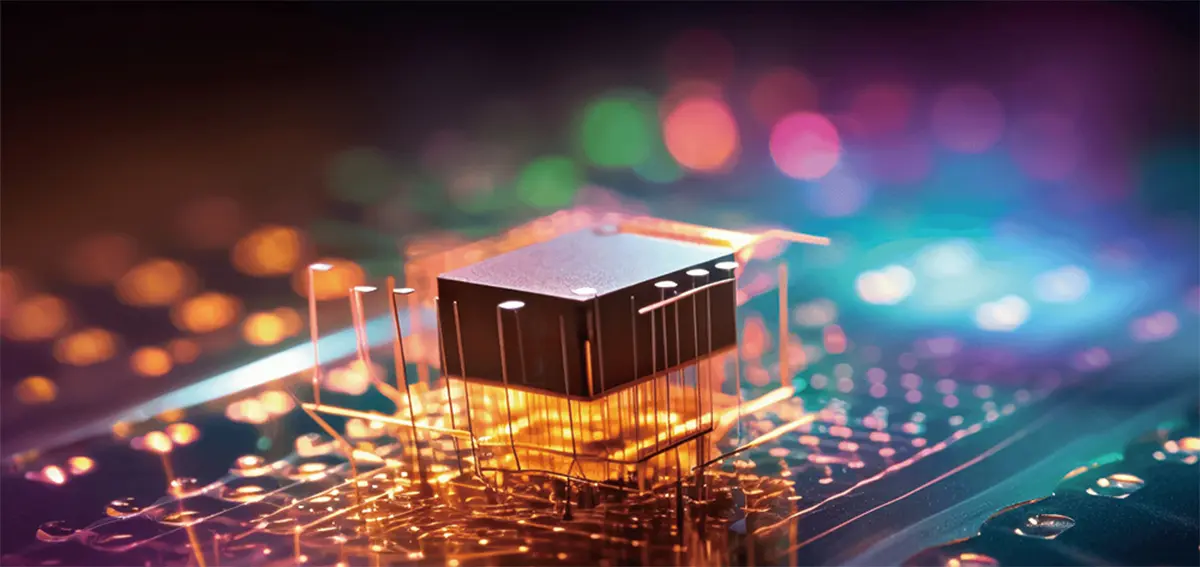
From raw alloy verification to production line optical inspections, we test to ensure that final product parameters match exact technical specifications.

Featuring automated insertion molding, assembly lines, and high-precision CNC toolsets, we scale manufacturing rates while keeping dimensional variances low.
As system energy densities increase, traditional passive aluminum radiators are being adapted to meet more demanding cooling challenges. We are actively developing next-generation technologies to address these changes:
Integrating internal vapor chambers (VC) and embedded copper heat pipes directly into extruded aluminum bases. This layout accelerates heat spreading across larger fin matrices.
Utilizing AI-driven flow dynamics simulation to model fin geometries. This process improves natural convection rates and saves raw material mass.
Developing combined modular assemblies featuring active liquid-chilled cold plates coupled with micro-groove aluminum heat sinks to handle high watt-density components.
Our company organized an outdoor team-building activity to strengthen cohesion and foster teamwork. The event took place in a picturesque natural setting, providing a perfect backdrop for enhancing team spirit and collaboration.
The team-building activity was designed to promote unity and cooperation among the employees. Through a series of challenging and fun exercises, the participants had the opportunity to work together, communicate effectively, and problem-solve as a team. It was a great chance for everyone to bond, both personally and professionally, outside the confines of the office environment.
One of the highlights of the day was a series of team-based challenges that required trust, coordination, and quick thinking. These activities encouraged individuals to step out of their comfort zones, build trust in their colleagues, and see the value of working together towards a common goal. As a result, the event not only improved teamwork but also boosted morale and motivation within the company.
Furthermore, the outdoor setting provided a refreshing change of scenery, allowing everyone to unwind and connect with nature. This change of environment helped in reducing work-related stress and promoting a sense of well-being among the participants. It was a great opportunity for the team to relax, recharge, and return to work with renewed energy and enthusiasm.
Access direct, expert answers to key engineering and purchasing inquiries regarding large industrial aluminum heat sink manufacturing:
Browse our additional line of specialized electromechanical components, interface connectors, and sub-assemblies built to support global technology brands.
For inquiries about our products or pricelist, please leave your message below and we will be in touch within 24 hours.
 Stpete Electronics