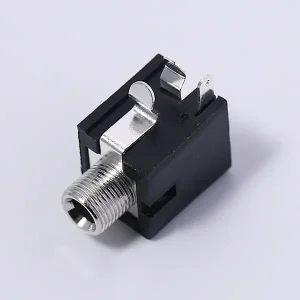
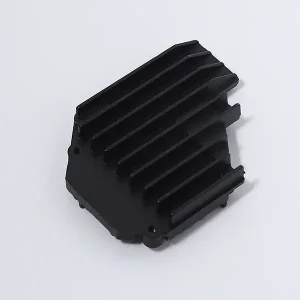
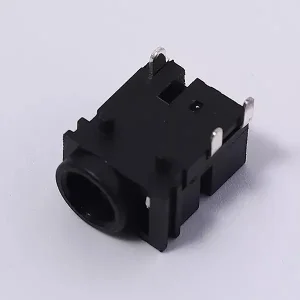
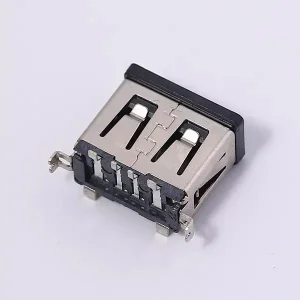
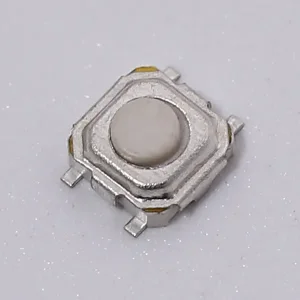
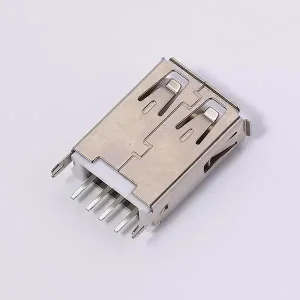
High-performance connectivity interfaces and shielding frames designed for seamless SMT assembly, optimal coplanarity, and structural integrity.
Understanding the physics of EMI/RFI attenuation and the requirements for high-frequency circuit isolation.
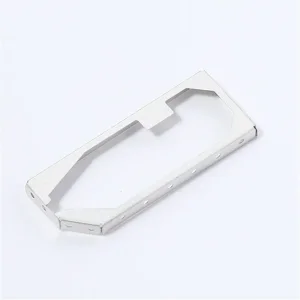
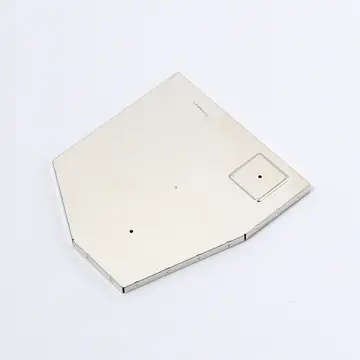
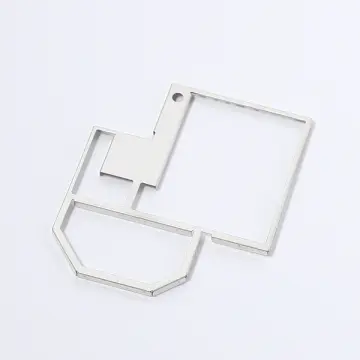
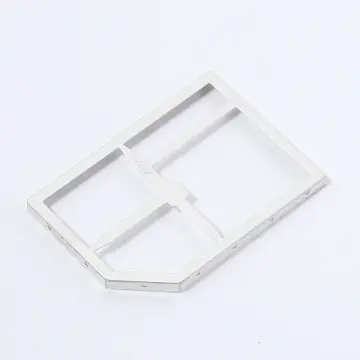
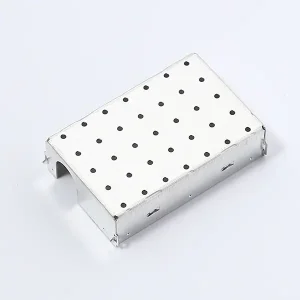
In modern, dense electronic architectures, achieving flawless electromagnetic compatibility (EMC) is critical. Board-Level Shields (BLS), commonly known as metal shielding frames or shield cans, act as Faraday cages directly on the PCB. They contain electromagnetic radiation at its source and protect sensitive analog and RF circuits from external noise. Wenzhou Stpete Electronics Technology Co., Ltd. addresses this design challenge with high-precision engineering and stable manufacturing protocols.
A successful shielding system relies on precise mechanical tolerances. Coplanarity must be maintained below 0.08mm to prevent gaps in SMT solder joints, which can leak electromagnetic energy. By utilizing high-purity raw materials such as Nickel Silver (C7701), Tin-plated Steel, and Stainless Steel, we manufacture shielding frames that balance structural rigidity, solderability, and galvanic compatibility. This ensures long-term reliability in high-reliability automotive, telecommunications, and industrial systems.

Wenzhou Stpete Electronics Technology Co., Ltd. is a high-tech enterprise established in 2005, specializing in the development, production, and sale of electronic connectors and shielding systems.
China offers key advantages in component fabrication, combining raw material ecosystems, specialized tooling, and automated production.
Our tooling workshop designs progressive dies that handle complex geometries, internal walls, and micro-ventilation ports in one step, reducing variation across production runs.
We source local, certified metals, including premium Nickel Silver (pre-plated for solderability and anti-tarnish) and Tin-plated steel, meeting RoHS and REACH environmental regulations.
Our stamping, cleaning, and tape-and-reel packaging processes are automated. Automated optical inspection (AOI) verifies coplanarity and dimension control during SMT packaging.
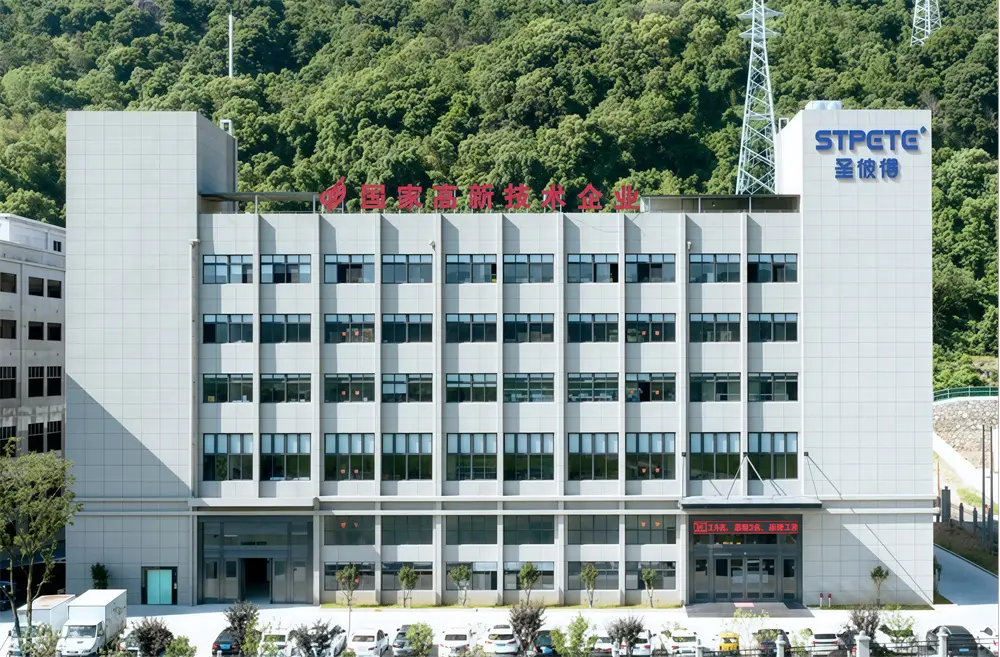
Quality starts with raw materials and continues through to final delivery. Our quality control system uses high-speed pneumatic stamping lines and CNC equipment to achieve consistent dimensions. Inspections at each production stage help monitor and maintain the quality of the finished products.
Stpete Electronics is certified to ISO 9001 (ISO 90001), ISO 14001, and ISO 45001 (OHSAS 18001). We maintain multiple design and technical patents and collaborate with major Chinese technology brands, including Huawei and Hisense, to develop high-performance connector and shielding solutions.
Our metal shielding frames and connectors are used in applications requiring signal integrity and structural stability.
Base stations, remote radio units (RRUs), and network routers experience crowded frequency spectrums. Our custom, multi-cavity shielding frames isolate transmitter and receiver paths, helping prevent intermodulation distortion in telecom systems.
Autonomous driving computers and high-resolution camera modules generate high-speed data. Shielding frames protect these systems from vehicle power electronics and external interference. We design automotive components to resist vibration and thermal expansion mismatch.
Smartphones, wearable electronics, and smart home appliances require thin shielding solutions. Our automated processes support the volume production of ultra-thin, low-profile board-level shielding cans (as thin as 0.10mm) for compact device designs.
Medical monitors, diagnostics equipment, and imaging hardware require reliable electromagnetic isolation to ensure correct operation. We offer shielding with stable mechanical properties and long-term surface treatment options.
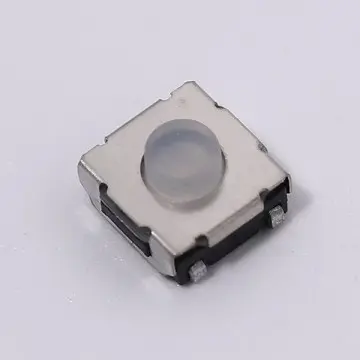
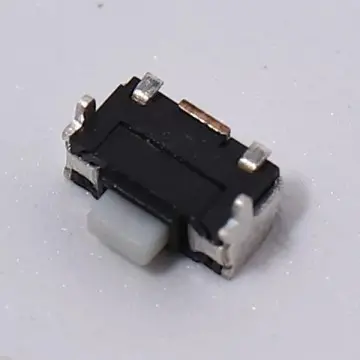
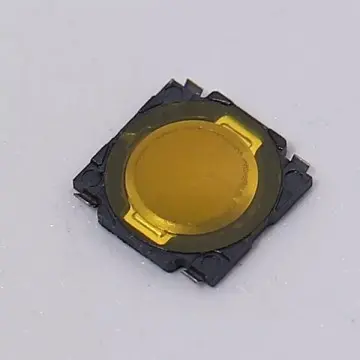
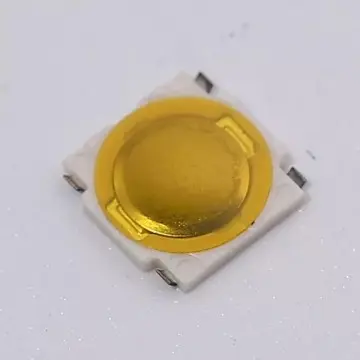
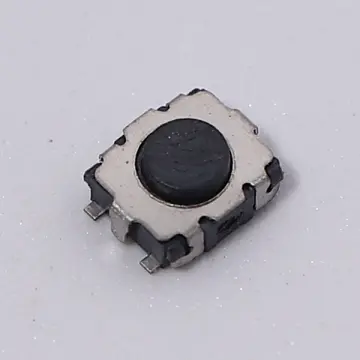
Our capability extends beyond metal shielding frames. Explore our range of tactile switches, signal connectors, and specialized sockets.
Our corporate activities and technical investment support development of high-density interconnect and shielding technologies.
To support cross-department collaboration, Stpete Electronics organizes regular team-building activities in outdoor locations. These events help build trust, encourage communication, and improve teamwork among our R&D engineers, production technicians, and customer service staff, which supports our overall operational performance.
Our R&D division has over 30 technical personnel and receives an annual investment exceeding 15 million CNY. We hold 21 R&D patents, demonstrating our commitment to technology and process improvement.

We invest in tooling, manufacturing simulation, and electromagnetic verification systems to help optimize shielding efficiency for high-frequency applications.
Quality checks are performed from material receipt, through processing and stamping, to final quality control (FQC) to maintain consistent product specifications.
Our capabilities in insert molding, finished assembly, and automated production support volume stability and lead times for global partners.
Expert guidance on design, material choices, and quality standards for board-level shielding systems.
Material selection depends on requirements for solderability, shielding efficiency, corrosion resistance, and mechanical strength:
1. Nickel Silver (C7701/C7521): Commonly used for SMT-soldered shield frames due to its natural oxidation resistance and solderability without additional plating.
2. Tin-Plated Steel (SPTE): A cost-effective material with high shielding performance, though care must be taken with cut edges to prevent localized oxidation.
3. Stainless Steel (SUS304): Provides high mechanical stiffness, but typically requires plating (such as selective tin-plating) for soldering.
Coplanarity refers to the maximum gap between the lowest and highest points on the shield's solder surface. If coplanarity exceeds 0.08mm to 0.10mm, some pins or edge points may not contact the solder paste during reflow, leading to open joints and EMI leakage. Wenzhou Stpete uses optical inspect measurement systems on stamping lines to monitor and control coplanarity.
One-piece designs are cost-effective but must be desoldered if components underneath require inspection or reworking.
Two-piece designs feature a frame soldered directly to the board and a removable cover. This design allows access to components for testing or repair during production and maintenance.
Larger shielding frames can experience thermal stress at typical reflow temperatures of 240°C–260°C. To manage this, designs should include slot-patterned relief cuts, appropriate ventilation apertures, and balanced SMT pad layouts to allow heat dissipation and relieve structural tension.
We provide initial layout feedback and prototype samples in 5–7 working days using laser-cutting and precision folding tools. For volume production, progressive stamping dies are built in 3–4 weeks, and standard high-volume lead times range from 15 to 25 days.
Wenzhou Stpete Electronics Technology Co., Ltd. responds to all inquiries within 24 hours. Contact us for custom tooling design, component specifications, or to request prototype samples.
Request Engineering ConsultOur complete line of electronic connectors and components, manufactured under ISO-certified quality control protocols.
 Stpete Electronics