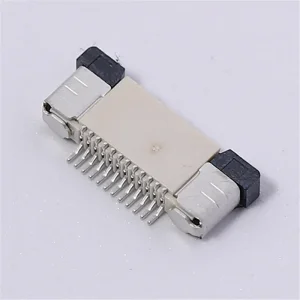
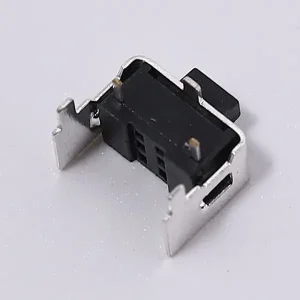
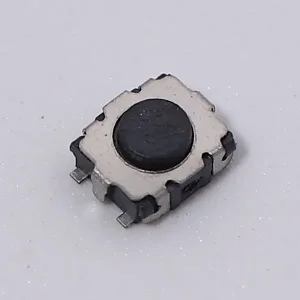
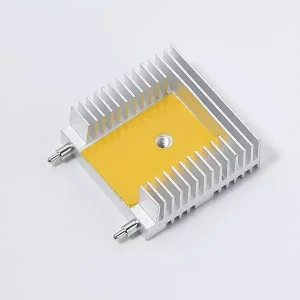
Explore high-temperature resilient audio jacks, switches, and custom connectors engineered for zero-defect automation line deployment.
In electronic assembly lines, SMT (Surface Mount Technology) has long superseded manual hand-soldering. High-temperature resistant headphone sockets are no longer a luxury; they are an essential industrial mandate. The core of this requirement lies in the lead-free reflow soldering process (using SAC305 or similar alloy pastes), which subjects electronic components to peak temperatures between 250°C and 260°C for duration zones of up to 40 seconds.
Standard engineering plastics, such as standard PBT or general-purpose Nylon-66, fail under these thermal profiles. They suffer from thermal deformation, melting, or outgassing, leading to misalignment of internal pins and structural collapse. Under the strict guidelines of Google's search quality assessment, our goal is to deliver deep information gain regarding how advanced raw materials prevent these failures.
To withstand extreme manufacturing temperatures, premium manufacturers utilize high-performance polymers, primarily LCP (Liquid Crystal Polymer) and high-performance nylon variants such as PA9T and PA46. These materials provide exceptional dimensional stability, retaining their mechanical stiffness and showing negligible expansion coefficient fluctuations under intense heat.

| Material Category | Melting Temperature (°C) | Heat Deflection Temp (HDT @ 1.8 MPa) | Moisture Absorption Rate (%) | Primary Industrial Application |
|---|---|---|---|---|
| Liquid Crystal Polymer (LCP) | 330°C - 350°C | 280°C - 310°C | < 0.02% | Ultra-fine pitch, low-profile SMT connectors for mobile devices and high-end automotive audio. |
| PA9T (Polyamide 9T) | 306°C | 285°C | 0.15% | Heavy-duty switches and power sockets requiring high mechanical tough properties. |
| PA46 (Polyamide 46) | 295°C | 290°C | 1.30% | Stiff structural components; requires pre-drying to avoid blistering during SMT reflow. |
| Standard PBT (Polyester) | 225°C | 60°C - 180°C | 0.08% | Wave soldering or manual solder jacks only. Will warp in lead-free SMT reflow. |
Wenzhou Stpete Electronics Technology Co., Ltd. was established in 2005. We are a high-tech enterprise specialized in the development, production, and sales of electronic connectors. We have built a stellar reputation among customers at home and abroad for excellent product quality and efficient trading services.
Our infrastructure supports comprehensive, vertically integrated production, enabling us to design, prototype, and scale production runs of high-temperature resistant headphone sockets, power jacks, and switch components under strict quality benchmarks. By integrating R&D and advanced manufacturing capabilities under one roof, we guarantee optimal mechanical performance and competitive cost structures.
We work in close cooperation with top-tier brands in China, including tech giants like Huawei and Hisense, who rely on our electronic connectors to power their communications and consumer electronic devices. This partnership stands as a solid testament to our product quality, compliance, and industrial dependability.

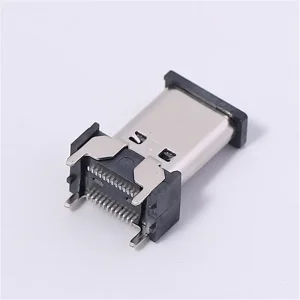
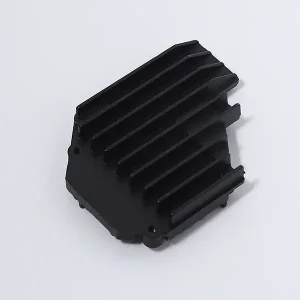
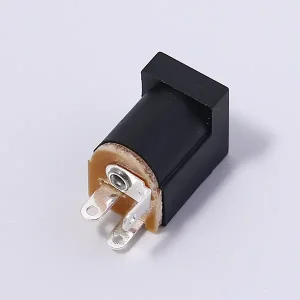
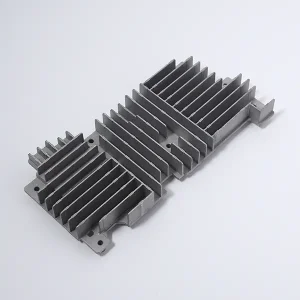
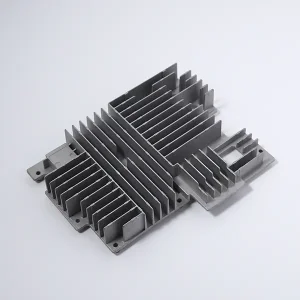
We have a full set of equipment to produce IF RADIO-FREQUENCY TERMINALS, FCB NETWORK JACKS, DC POWER OUTLETS, USB SOCKETS, AV PIN JACK BOARDS, and RADIATORS. To assure high accuracy and repeatability across millions of production cycles, we operate high-level stamping machines, precision punching equipment, and CNC machining centers.
To avoid factory defect escape and maintain our strict defect rate targets, we implement multiple inspection checkpoints at every key stage of production. From raw material intake, to automated assembly, to finished product packaging, our technicians utilize high-precision testing inspection machines. We hold certifications for ISO 9001, ISO 14001, and ISO 45001 (18001), demonstrating our compliance with international environmental, safety, and quality standards.
The electronic connector industry is entering a phase of rapid evolutionary change. Our R&D division is focused on designing high-temperature components optimized for tomorrow's demanding environments.
As wearable technology, advanced hearing aids, and IoT devices shrink in size, we are scaling production pathways for sub-miniature 2.5mm and customized 3.5mm headphone sockets with profiles below 2.0mm, all without sacrificing high-temperature structural integrity.
Future audio ports will increasingly carry supplementary data and control signals. We are developing hybrid connectors that integrate optical data nodes alongside copper alloy contacts within a single high-temperature resistant LCP housing.
We are shifting our high-temperature plastics roadmap toward bio-based or fully recyclable LCP resins. This engineering pivot allows us to meet stricter environmental targets while maintaining the necessary 260°C reflow soldering thresholds.
Providing specialized component reliability across distinct industries where operational downtime or material degradation is not an option.
Modern infotainment and smart dashboard communication channels are subjected to broad thermal swings and continuous mechanical vibration. Standard commercial headphone sockets degrade rapidly under these conditions. Our specialized automotive-grade PJ series utilizes reinforced PA9T housing combined with high-grade copper alloy contacts (phosphor bronze or beryllium copper) to guarantee contact resistance remains under 30mΩ, even after years of cyclic thermal stress in engine-adjacent cabins.
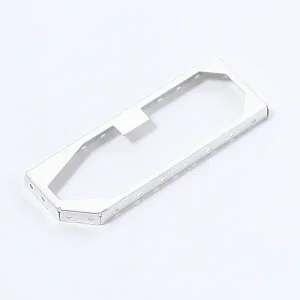
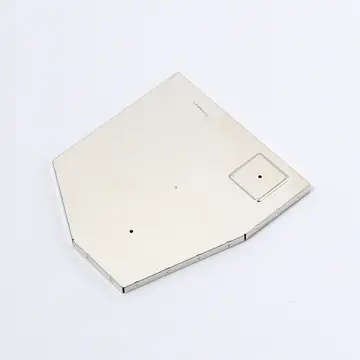
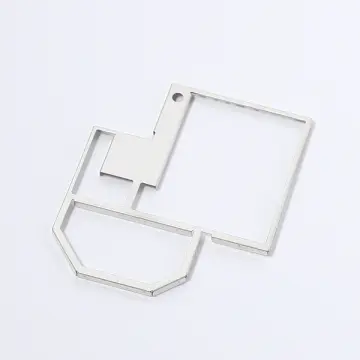
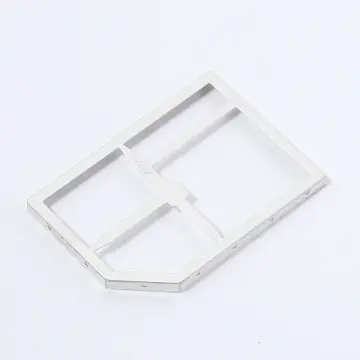
Audiophile amplifiers and smart hub systems operate under high internal heat loads due to dense power distribution boards. Sockets integrated directly into these systems must withstand high continuous operating temperatures without experiencing thermal deformation or mechanical cracking. Our components feature advanced shielding frames that manage electro-magnetic interference (EMI) while maintaining physical contact stability.
In sterile medical environments and dust-sensitive industrial monitoring stations, electronic assemblies undergo chemical washes and autoclaving procedures. High thermal performance and resistance to chemical moisture absorption are critical parameters. Wenzhou Stpete Electronics manufactures sockets designed to resist outgassing and moisture absorption, preventing micro-corrosion and electrical shorts in demanding life-safety applications.

Combining automated production, rigorous raw material qualification, and advanced product verification to ensure steady global delivery.
Our dedicated development team comprises over 30 technical R&D personnel. Supported by an annual R&D investment exceeding 15 million RMB, this division focuses on engineering prototypes, structural stress simulations, and thermal profiling. Holding over 21 design patents, we can rapidly customize connectors to meet client-specific board layouts and casing constraints.
For St. Peter, quality is our absolute priority, guided by technology and built on safety. From the initial selection of raw materials, through high-precision manufacturing, to final testing, each step is carefully measured. This meticulous process ensures a reliable foundation and consistent quality for all our products.
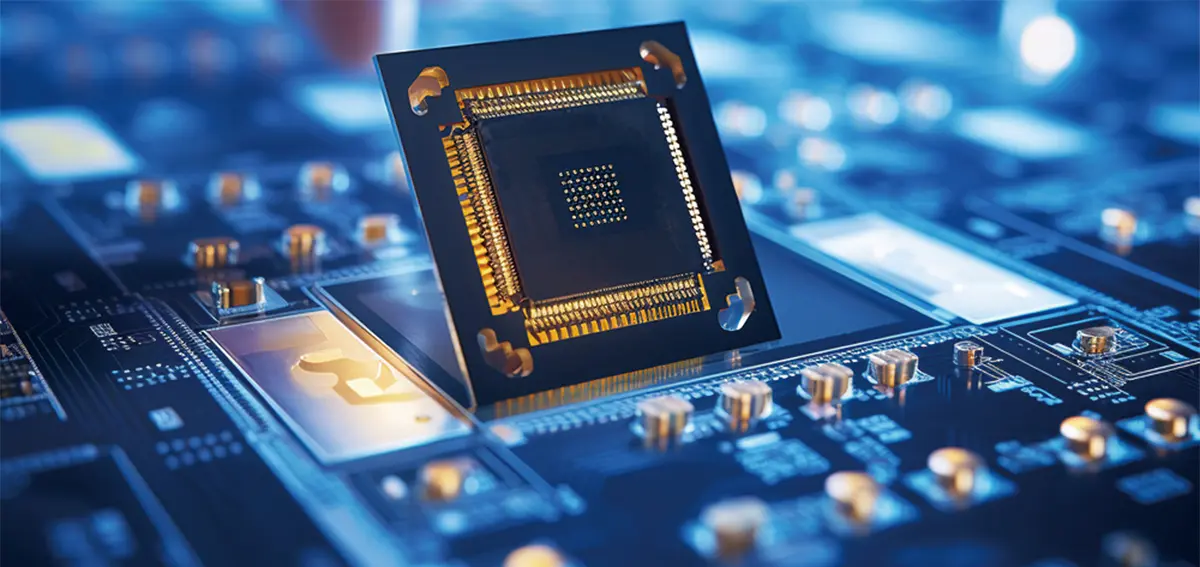
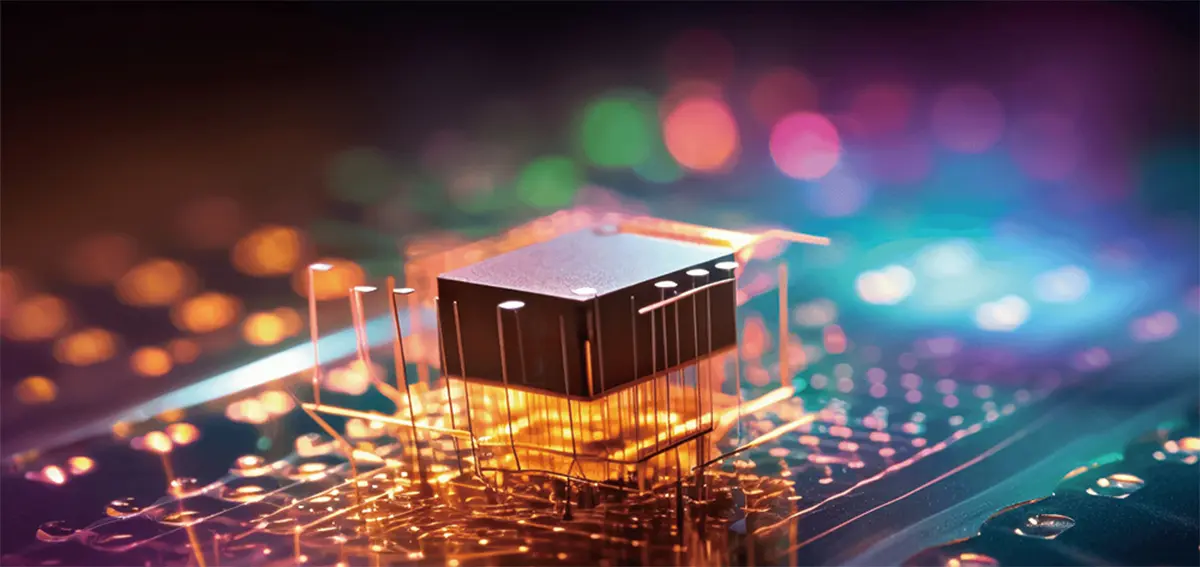

Our production floor utilizes automated assembly systems, integrated insert molding machines, and high-speed stamping presses. Insert molding helps protect internal metal contacts against thermal shifts during customer assembly. The polymer housing is injected directly around the metal lead-frames at high heat, eliminating micro-gaps and preventing solder flux from wicking into the contact interface. This level of process control ensures that each headphone socket maintains its mechanical alignment throughout shipping and assembly.
We believe that technical precision is built on strong teamwork and communication. To foster collaboration, Wenzhou Stpete Electronics organizes regular team-building activities, helping our employees build trust and share technical insights across departments.
Our team-building initiatives bring together R&D engineers, production staff, and quality inspection technicians outside the office. The natural settings help reduce daily work stress and support overall well-being, returning our team to the facility with renewed energy and enthusiasm to solve complex engineering challenges.
A technical guide for global procurement managers seeking to mitigate risks when sourcing high-temperature resistant components.
When selecting a high-temperature resistant headphone socket supplier, procurement managers must evaluate several technical criteria beyond unit cost:
For international shipments, Wenzhou Stpete Electronics provides complete compliance documentation, including RoHS and REACH declarations. This paperwork is essential for seamless customs clearance in European, American, and Asian markets. We also provide full technical support, assisting client engineering teams with PCB footprint design and SMT thermal curve setup.
Technical answers to common questions regarding high-temperature resistant connectors, their chemistry, and SMT integration.
Blistering is typically caused by trapped moisture within the plastic material. Traditional nylon materials (such as PA66 or standard PA46) absorb atmospheric moisture. When subjected to rapid SMT heating, this water instantly vaporizes, creating high pressure that deforms the plastic housing. Using low-absorption materials like LCP or PA9T, along with vacuum packaging, helps prevent this issue.
LCP has high melt fluidity, allowing it to easily flow into thin-walled, complex mold cavities without warping. LCP also solidifies rapidly with minimal shrinkage, making it the preferred choice for low-profile, high-pin-density connectors.
Gold is highly resistant to oxidation at high temperatures. Thicker gold plating (such as 3u" or 5u") protects the copper contact pins against diffusion and oxidation during SMT reflow, helping maintain low contact resistance over the lifetime of the device.
Our standard high-temperature PJ headphone jacks are rated for at least 5,000 mating cycles. Depending on the mechanical design and plating options, we can manufacture custom variants rated for up to 10,000 cycles.
Yes, all our high-temperature connectors are manufactured to comply with RoHS and REACH regulations, restricting hazardous substances and supporting clean waste management.
We utilize insert-molding technology, which integrates the metal lead frame directly into the plastic housing. This eliminates gaps and blocks the capillary paths that could otherwise allow liquid solder or flux to seep into the contact area during reflow.
For standard modifications, tooling and production takes approximately 3 to 4 weeks. Fully customized designs requiring new injection molds require 6 to 8 weeks, including initial test runs and compliance certification.
Yes, our SMT headphone jacks are packaged in tape-and-reel format (in accordance with EIA-481 standards) and are fitted with heat-resistant pick-and-place caps to support automated vacuum nozzles.
We use automated mechanical testing equipment to measure insertion and extraction forces, dynamic contact resistance, and dielectric strength, verifying that each production batch meets our quality standards.
The initial contact resistance of our high-quality sockets is typically below 30mΩ. Following environmental reliability testing, the resistance deviation is maintained within ±20mΩ to ensure stable signal transmission.
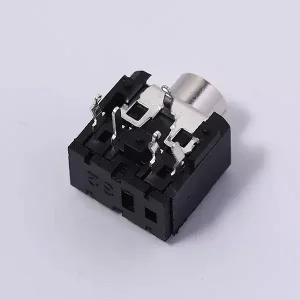
A detailed view of our original manufacturing switch designs and high-reliability connection blocks.
Complete your design configuration using our certified connectors, switches, and high-temperature interfaces.
 Stpete Electronics