Explore Wenzhou Stpete Electronics' precision hardware, advanced interfaces, custom connectors, and specialized thermal accessories engineered for demanding engineering projects.
How the global migration toward high-power density components is reshaping thermal design criteria.
In the contemporary industrial and manufacturing landscapes, microprocessors, power components, telecommunications arrays, and energy conversion systems are packing more transistors and processing units into increasingly compact form factors. This persistent increase in power density has made effective thermal dissipation the paramount engineering bottleneck of the 21st century. Devices that cannot effectively manage thermal loads experience premature wear, loss of operational efficiency, and catastrophic failure.
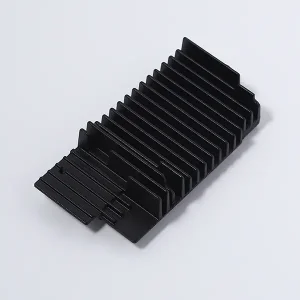
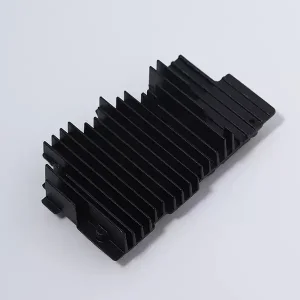
High thermal conductivity extruded heat sinks, typically manufactured from premium aluminum alloys, serve as the frontline defense against thermal degradation. Aluminum extrusion is highly regarded for its ability to form complex fin configurations and thin-walled structures, which maximize surface area while minimizing weight and material costs. High thermal conductivity extrusions specifically utilize alloys with high pure-aluminum concentrations, such as AL6063 or AL6061, which exhibit thermal conductivities ranging from 160 W/m·K to over 200 W/m·K.
"Thermal management is no longer an afterthought in product development; it is a vital metric that dictates the performance limits, longevity, and regulatory compliance of next-generation hardware."
Worldwide industries—such as renewable energy, electric vehicle infrastructure, smart manufacturing, and 5G network platforms—are moving away from generic cast-iron and low-conductivity housing structures. They are choosing high-performance extruded aluminum profiles with advanced thermal management designs because of these key factors:
From design blueprint to high-precision manufacturing, explore Wenzhou Stpete Electronics' legacy of excellence.
Wenzhou Stpete Electronics Technology Co., Ltd. was established in 2005. We are a high-tech enterprise specialized in the development, production, and sales of high-performance electronic connectors, high thermal conductivity radiators, and complex mechanical enclosures. Over the past two decades, we have built a solid reputation among domestic and international customers for delivering outstanding product quality and exceptionally efficient trade services.
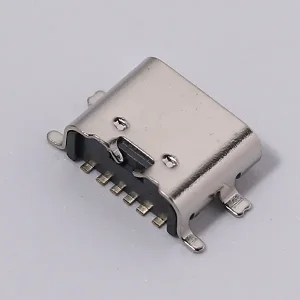
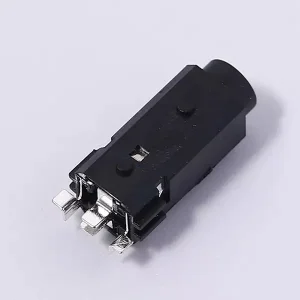
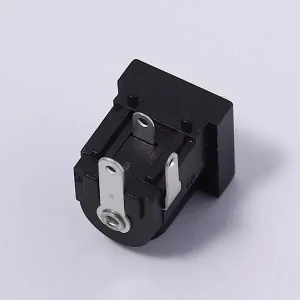
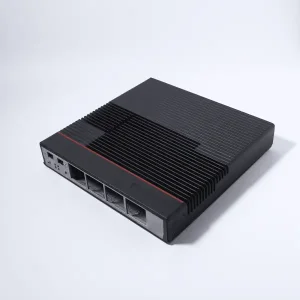
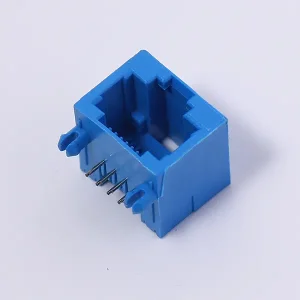
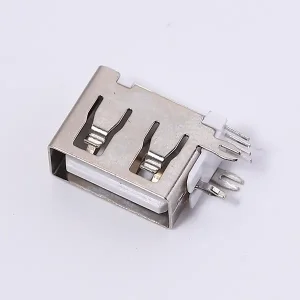
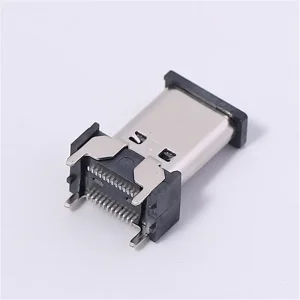
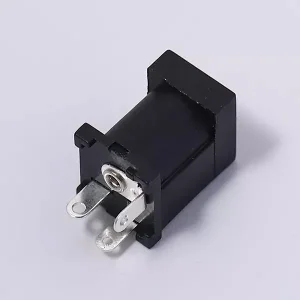
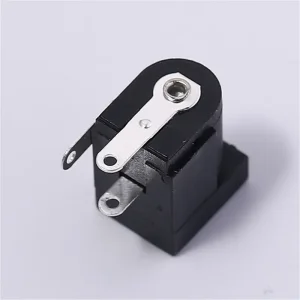
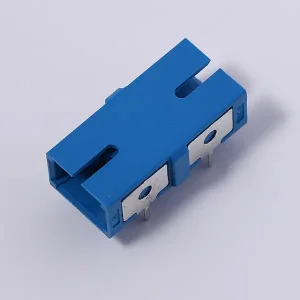
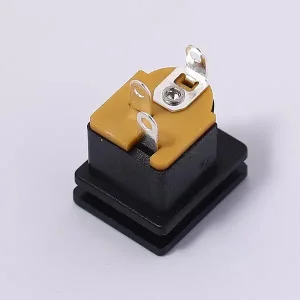
Our operational infrastructure is fully equipped to manufacture an array of critical technology products, including IF radio-frequency terminals, FCB network jacks, DC power outlets, USB sockets, AV pin jack boards, and high thermal conductivity radiators (heat sinks). Leveraging advanced machinery and deep industry expertise, we support global industries in maintaining high performance and thermal reliability.
In cooperation with elite technology brands in China, including industry giants such as Huawei and Hisense, we have proven our capabilities to satisfy the most stringent electronic component and thermal control standards.

Advanced tooling, rigorous process control, and standardized testing ensure high yield rates and dimensional accuracy.
We host a strong R&D division comprising more than 30 technical research personnel. With an annual R&D investment exceeding 15 million CNY, we continuously optimize material compositions and fin layouts. Our portfolio boasts over 21 proprietary utility patents and design innovations, validating our authority in technical engineering.
To ensure high accuracy and reliability, we deploy advanced high-level punching machines and specialized high-speed CNC milling units. These machines allow us to achieve extreme flatness tolerances (≤ 0.05 mm) on heat sink mounting surfaces, minimizing the thermal interface resistance when mounted to active components.
Wenzhou Stpete Electronics operates strictly under ISO 9001, ISO 14001, and OHSAS 18001 standards. Quality is paramount, guiding every phase of production. We conduct chemical composition analysis on raw materials, implement inline optical inspection, and perform final thermal conductivity verification testing.
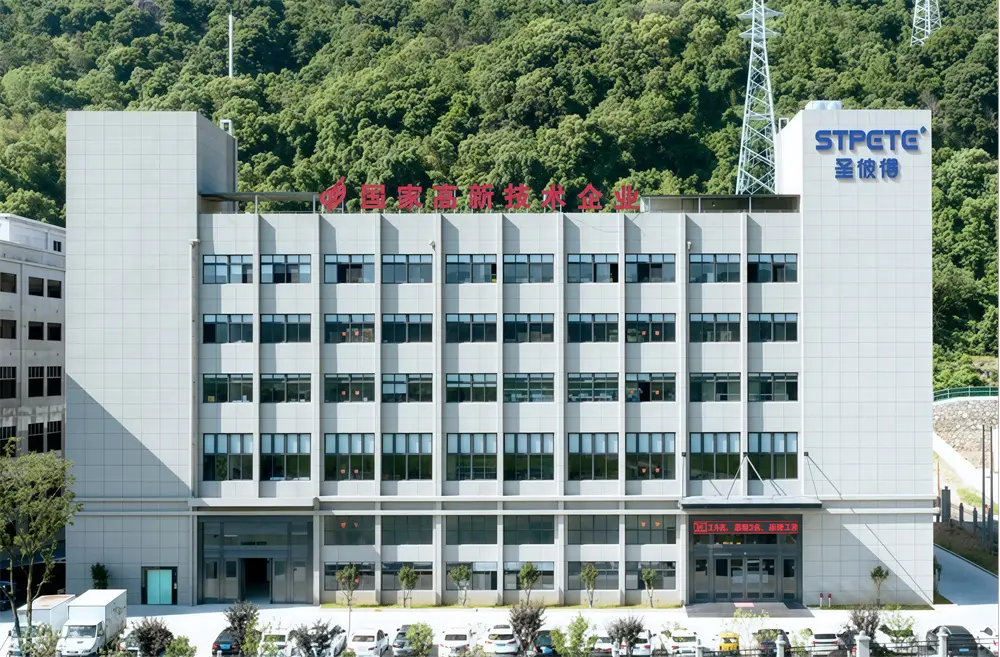
Our facility houses high-accuracy coordinate inspection machines (CMMs) alongside dedicated hardness and conductivity testers. From the initial selection of raw alloy billets to final extrusion and surface treatments (such as clear or black anodization), every step is meticulously recorded.
By enforcing several inline inspection check-points, we eliminate sub-standard batches before packaging, ensuring that every shipment meets OEM standards.
A comprehensive whitepaper analysis detailing thermal properties, geometries, and manufacturing thresholds.
Selecting the appropriate aluminum alloy is critical to optimizing thermal performance. In the extrusion industry, the mechanical strength, weight, cost, and heat conductivity characteristics dictate the design choices. While pure aluminum provides a thermal conductivity of roughly 237 W/m·K, it is too soft for structural applications. Therefore, silicon-magnesium doped aluminum alloys, particularly AL6063 and AL6061, are the standard grades used by professional engineers.
| Aluminum Alloy Grade | Thermal Conductivity (W/m·K) | Tensile Strength (MPa) | Key Chemical Components | Primary Applications |
|---|---|---|---|---|
| AL6063 (T5/T6) | 200 – 218 | 186 – 240 | Al, Mg (0.45-0.9%), Si (0.2-0.6%) | High-aspect-ratio electronic heat sinks, LED arrays, telecom housings. |
| AL6061 (T6) | 160 – 180 | 290 – 310 | Al, Mg (0.8-1.2%), Si (0.4-0.8%), Cu | Structural industrial heat sinks, automotive cooling panels, aerospace. |
| AL1050 / AL1070 | 220 – 230 | 75 – 110 | Al (99.5%+) | Cold-forged pin fin systems (highly soft, limited extrusion shapes). |
A key factor in extruded heat sink performance is the limit of the extrusion process itself. To push heat dissipation parameters, engineers design high fins with tight gaps. However, the steel extrusion dies can fracture if the pressure becomes too high. The aspect ratio (Fin Height divided by Fin Gap) typically ranges from 4:1 up to 10:1 in standard extrusions. Utilizing specialized manufacturing methods and advanced high-tonnage presses, Wenzhou Stpete Electronics regularly achieves aspect ratios up to 15:1 or higher, providing outstanding surface area without added size.
Efficiency, tooling speed, raw material proximity, and integrated manufacturing ecosystems.
For custom heat sinks, producing the extrusion die is the critical path. Wenzhou Stpete Electronics features in-house tool design and wire-EDM die cutting. This shortens tooling turnaround times from weeks to days, allowing developers to test functional thermal profiles quickly.
We handle extrusion, heat treatment, CNC secondary machining (milling, drilling, tapping), and surface finishing under one quality umbrella. This eliminates shipping time between specialized processing centers, minimizes damage risk, and reduces overall logistics costs.
Operating near established industrial zones in Zhejiang gives us immediate access to raw aluminum smelting clusters. This minimizes bulk logistics surcharges and material storage overheads, allowing us to pass significant cost savings to our OEM partners.
We comply fully with international standards, such as RoHS, REACH, and CE compliance regulations. This guarantees that all extruded components shipped to Europe, North America, and other markets are safe, reliable, and legally compliant.
How different target industries deploy extruded heat sinks and structure their procurement agreements.
Thermal environments vary widely depending on the application. A heat sink deployed in a telecom tower experiences different ambient conditions than one in a sealed vehicle enclosure. Wenzhou Stpete Electronics tailors designs to match these specific requirements:
In outdoor telecom transceivers (RRUs) and massive MIMO base stations, heat sinks must withstand high thermal loads while exposed to wind, rain, salt spray, and sunlight. We use AL6063-T5 profiles treated with thick, corrosion-resistant powder coatings or advanced electrocoatings. The design focuses on maximizing natural convection fin spacing, ensuring performance during hot summer periods with zero airflow.
Automotive DC-DC converters, motor controllers, and battery management boards (BMS) operate under intense vibration and heat. These applications require high mechanical strength and reliable thermal performance. Our custom AL6061-T6 profiles feature CNC-machined pockets, flat mounting pads, and precise tolerances to fit securely within compact under-hood spaces.
Heavy machinery, solar inverters, and wind turbine power conditioners run at high currents, generating localized heat spikes (high heat flux densities). Heat sinks for these systems must include a thick base plate (usually 10mm to 20mm) to act as a heat spreader, allowing heat to flow laterally before rising into the cooling fins. Precision surface fly-cutting is critical to maintaining low interface resistance between the IGBT and the heat sink base.
Modern commercial and industrial LED lighting systems convert up to 70% of input energy into heat. If the LED junction exceeds critical thresholds, the light output degrades and color shifts occur. Combined extrusion designs serve as both the outer protective cover and the primary thermal path, protecting the electronics from dust and moisture while keeping running temperatures low.
We believe that strong internal teamwork leads to better client service. Wenzhou Stpete Electronics regularly organizes outdoor team-building activities to foster collaboration, trust, and communication. This translates directly to our day-to-day operations: when your engineering department requests design feedback or an urgent manufacturing adjustment, our production, engineering, and sales departments work cohesively to respond within 24 hours.

Quick answers to common questions about thermal performance, custom shapes, and order specifications.
For custom designs, Wenzhou Stpete Electronics designs and manufactures tooling dies in 7 to 10 working days. After the die is qualified, sample extrusions and final CNC machining take another 5 to 7 days. This allows us to deliver initial physical samples for testing in about 15 days.
If maximizing thermal performance is the main goal, AL6063 is generally preferred as it features a higher thermal conductivity (up to 218 W/m·K). If the heat sink must also serve as a structural load-bearing frame or requires high thread strength for mounting screws, AL6061 (approx. 160-180 W/m·K) is recommended due to its higher tensile strength.
Standard extrusion processes can yield minor surface twisting or warping. To prevent this, we process critical contact zones through high-speed secondary fly-cutting and grinding machines. We can maintain surface flatness within 0.05 mm and limit roughness (Ra) to less than 1.6 μm, ensuring optimal contact when used with thermal interface materials (TIMs).
We provide a comprehensive range of surface finishes. Anodization (clear, black, gold, or custom colors) is the most common, as it improves corrosion resistance and surface emissivity. For extreme outdoor environments, we offer chromate conversion coatings, powder coating, and electrophoresis to protect the metal structure.
We can produce extruded profiles with widths up to 400 mm using our high-tonnage extrusion presses. Our standard fin aspect ratios range from 8:1 to 12:1, but our advanced engineering team can achieve up to 15:1 for high-density cooling requirements, depending on the profile shape.
We support both. We assist clients during the design phase with prototyping runs of 50 to 100 units. Once design specifications are finalized, we scale production to handle high-volume monthly orders, using automated cutting and CNC processes to maintain consistent quality.
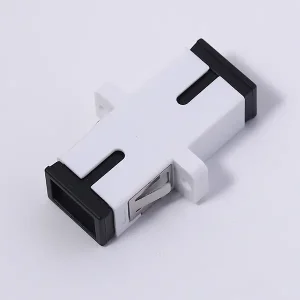
A further selection of Wenzhou Stpete Electronics' precision-engineered connectors and interface components.
 Stpete Electronics