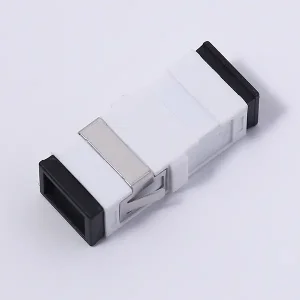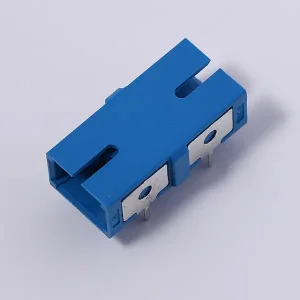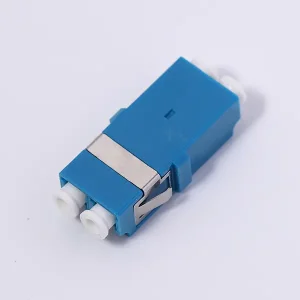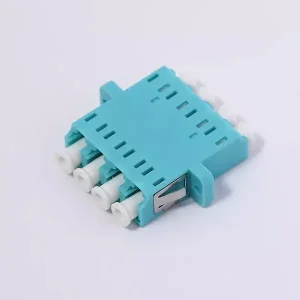
OEM Fiber Optic Adapter Manufacturer, Exporters

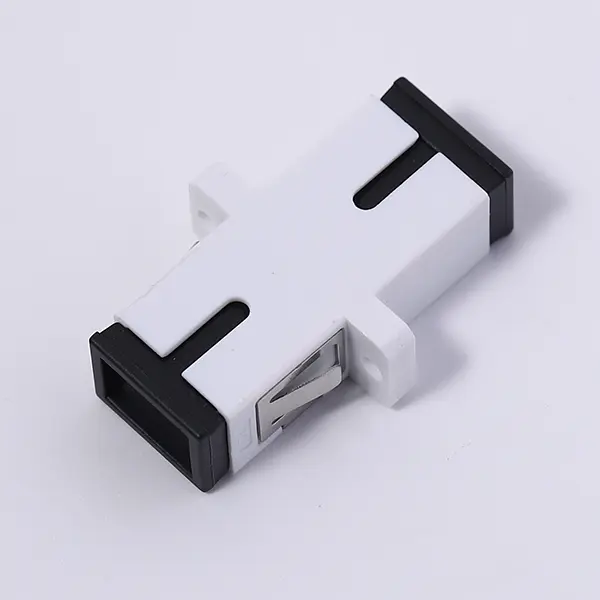
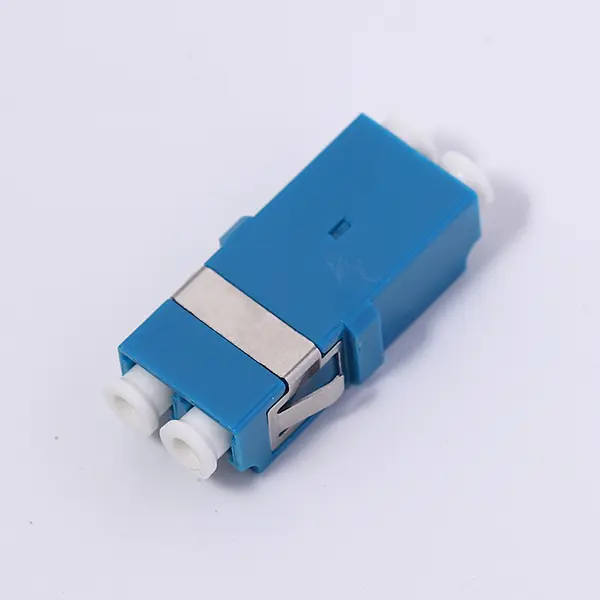
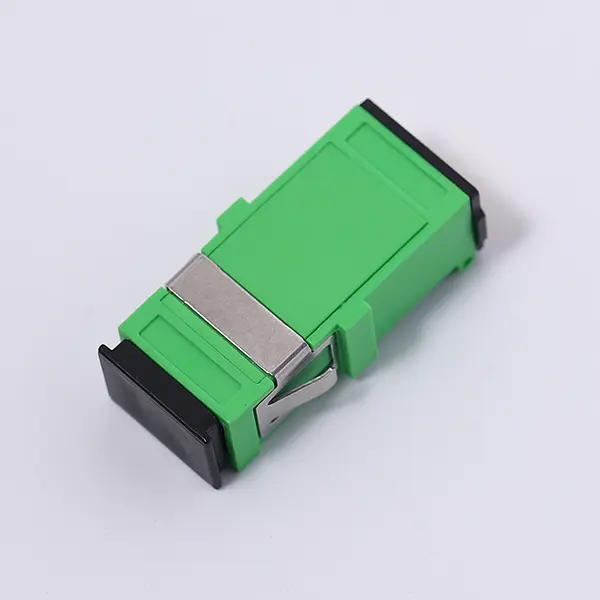
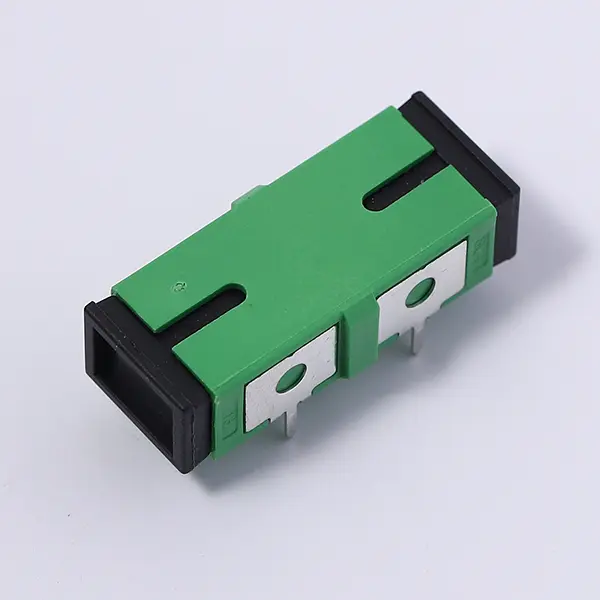
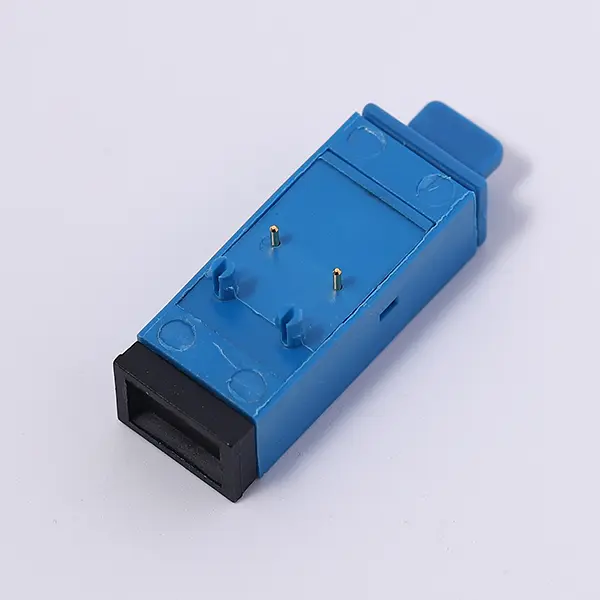
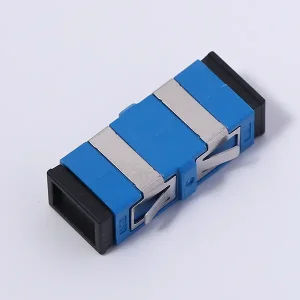
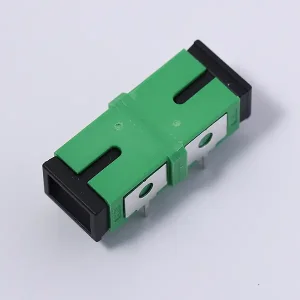
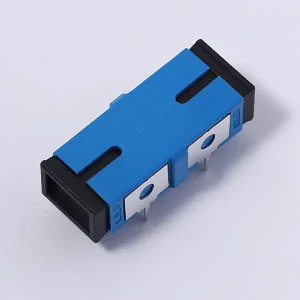
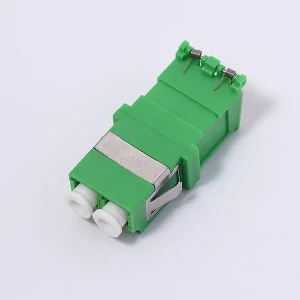
The core connecting component in fiber optic communication systems, used to achieve precise docking between different interface types or fibers, ensuring efficient and low loss transmission of optical signals. Its core components are usually made of high-precision ceramics (such as zirconia) or metal materials, which have excellent wear resistance and environmental stability. They are widely used in communication networks, data centers, industrial control and other fields, and are key components to ensure the reliability and transmission quality of fiber optic links.

Product Description

Application Section

Fiber Optic Adapter - Communication Network
01

Communication network

Base station interconnection Connect different fiber optic jumpers in 5G/6G base stations to achieve cross device transmission of optical signals.
Fiber to the Home (FTTH) A fiber optic distribution box used for home broadband terminals, compatible with interface types such as SC/LC/FC.
Fiber Optic Adapter - Data Center
02

Data Center

High speed interconnection Supports the docking of 40G/100G/400G optical modules to ensure high-speed data transmission between servers and switches.
Fiber Distribution Frame (ODF) Flexible management of high-density fiber optic links through adapters, reducing wiring complexity.
Fiber Optic Adapter - Industrial and Security
03

Industrial and Security

Industrial automation Stable connection of fiber optic sensors and control equipment in harsh environments such as high temperatures and vibrations.
Security monitoring Used for long-distance high-definition video signal transmission, suitable for multi-mode/single-mode fiber hybrid scenarios.
Fiber Optic Adapter - Testing and Maintenance
04

Testing and Maintenance

Optical link detection With the help of OTDR (Optical Time Domain Reflectometer) and other tools, quickly locate fiber optic fault points.
Laboratory research and development Simulate complex connection scenarios in optical device development to verify transmission performance.

Function Introduction

Fiber Optic Adapter Feature 1
01

Alignment & Compatibility

High precision alignment By using ceramic sleeves (with a tolerance of ± 0.1 μm) or metal spring structures, micrometer level alignment of fiber end faces can be achieved, with insertion loss as low as 0.2dB or below.
Multi interface compatibility Supporting multiple interface adaptations such as LC/SC/FC/ST/MTP, customizable simplex/duplex/hybrid modes to meet heterogeneous network requirements.
Fiber Optic Adapter Feature 2
02

Adaptability & Reliability

Environmental adaptability Certified with IP67 protection, it can withstand temperatures ranging from -40 ℃ to +85 ℃ and humidity of 95%, making it suitable for outdoor base stations, submarine cables, and other scenarios.
Long lifespan and reliability The hardness of the ceramic material reaches 1200HV, and there is no performance degradation after more than 1000 insertions and removals, avoiding link interruptions caused by frequent replacement.
Fiber Optic Adapter Feature 3
03

Design & Standards

Modular design Supports multiple installation methods such as panel, drawer, and flange, and is compatible with high-density racks (such as a 1U chassis that can accommodate 48 ports).
Standard compliance Compliant with international standards such as IEC 61754 and Telcordia GR-326, ensuring seamless compatibility with mainstream optical device manufacturers' products.

Summarize

Fiber optic adapters solve the problem of fiber optic connection in multiple scenarios through precise structural design and high-performance materials, and are the fundamental components for building efficient and stable optical networks. Its modularity, high compatibility, and environmental tolerance make it play an irreplaceable role in communication upgrades, data center expansion, and industrial intelligence processes.

Frequently Asked Questions

QWhat is the typical insertion loss of these fiber optic adapters?

By utilizing high-precision ceramic sleeves (with a tolerance of ±0.1 μm) or metal spring structures, micrometer-level alignment of the fiber end faces is achieved, keeping insertion loss as low as 0.2dB or below.

QWhich optical interface types are compatible with these adapters?

The adapters support multiple standard interface styles, including LC, SC, FC, ST, and MTP. They can also be customized for simplex, duplex, or hybrid configurations to match heterogeneous network requirements.

QAre these fiber optic adapters suitable for harsh outdoor conditions?

Yes. The adapters carry an IP67 protection certification and are designed to withstand extreme temperatures ranging from -40 ℃ to +85 ℃ as well as humidity levels up to 95%, making them suitable for outdoor base stations and submarine cabling.

QWhat is the expected lifespan and durability of the adapters?

The alignment sleeves are made of high-grade ceramic material with a hardness of 1200HV. They maintain optimal transmission performance even after more than 1,000 insertions and removals, significantly preventing link failures caused by wear.

QHow do these adapters support high-density configurations?

Featuring a modular design, they can be easily mounted using panels, drawers, or flanges. They are fully compatible with high-density environments, such as 1U distribution chassis that accommodate up to 48 ports.

QDo they comply with industry standards for international optical communications?

Yes. All adapters comply with mainstream international standards, including IEC 61754 and Telcordia GR-326, which guarantees seamless compatibility and replacement options with other manufacturers' optical equipment.
Related Products