CE Certification SC-PC-K Factory, Exporter

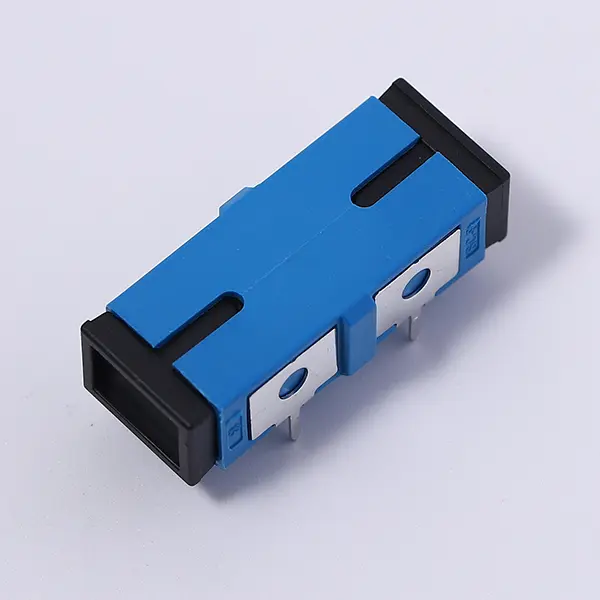
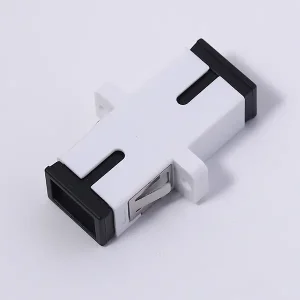
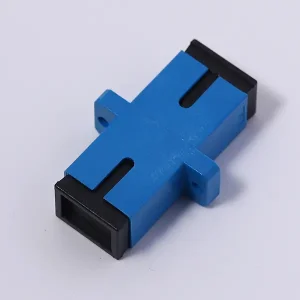
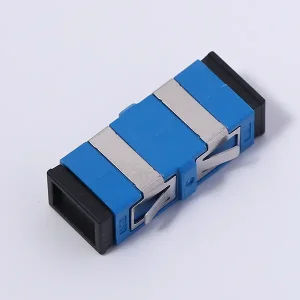
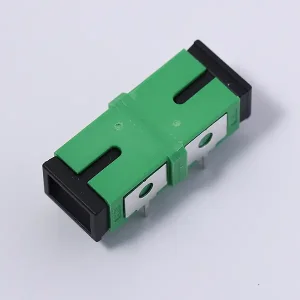
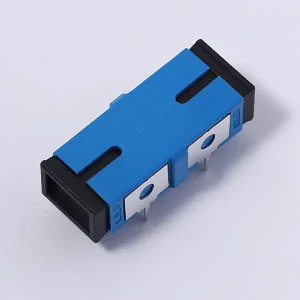
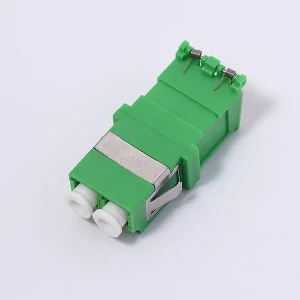
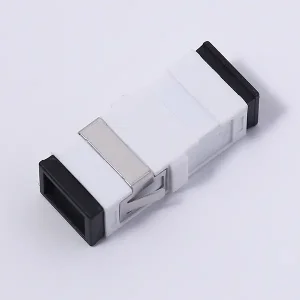
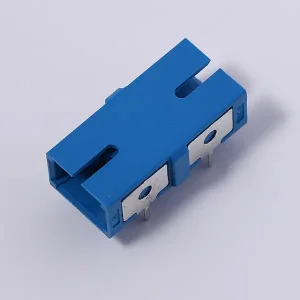
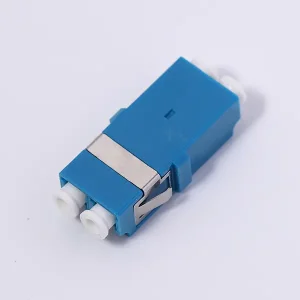
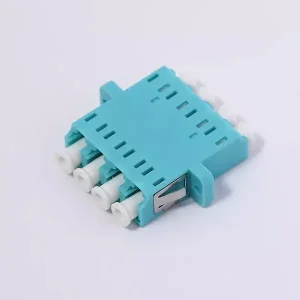
The fiber optic adapter with a cap is a key component in the field of fiber optic communication, featuring extensive applications and an ingenious design. Its core function is to connect two optical fibers or an optical fiber with an active device, enabling stable transmission of optical signals. Unlike ordinary fiber optic adapters, this type is equipped with dust caps at the interfaces. These caps, usually made of plastic or metal, can not only effectively block dust and impurities from entering the interfaces, preventing signal loss caused by contamination of the fiber end faces, but also reduce the risk of accidental scratches and collisions on the optical fibers, greatly enhancing the adapter's durability and reliability. In scenarios such as data centers, fiber-to-the-home systems, and cable TV networks, the fiber optic adapter with a cap ensures the long-term stable operation of fiber optic communication systems with its excellent dust-proof and protective performance.

Product Description

The fiber optic adapter with a cap is a precision passive device that enables efficient docking of optical signals in fiber optic communication systems. With its unique dust-proof design and stable performance, it has become a preferred component for various fiber optic network deployments.
Core Connectivity & Performance
Its core function is to accurately align and connect two fiber jumpers or pigtails. Through the high-precision positioning of the internal ceramic ferrule, it ensures low-loss transmission of optical signals. The typical insertion loss can be controlled below 0.2dB, and the return loss is better than 50dB, meeting the stringent requirements of high-rate communication.
Innovative Dust Cap Design
Compared with ordinary adapters, the dust cap design is its core highlight. It is made of aging-resistant engineering plastics or anti-oxidant metal materials, and closely fits with the adapter body through a snap-on or threaded structure. It can completely seal the interface when not in use, effectively blocking dust, water vapor, oil stains and other pollutants. This design can extend the cleaning cycle of the fiber end face by 3-5 times, significantly reducing the risk of signal attenuation or link interruption.
Broad Compatibility & Durability
The product covers mainstream interface types such as SC, LC, FC, and ST, supports the compatibility of single-mode and multi-mode fibers, and some models also have a duplex design, which can transmit bidirectional optical signals at the same time. The shell is made of high-strength ABS or zinc alloy, which is resistant to high temperature and impact. The operating temperature range is as wide as -40℃ to 85℃, enabling it to adapt to complex conditions.
Applications
In fields such as data center cabling, Fiber-To-The-Home (FTTH) projects, security monitoring systems, and telecommunications backbone networks, the fiber optic adapter with a cap provides key support for the long-term and reliable operation of optical communication networks by improving maintenance efficiency and link stability.
Frequently Asked Questions
Q: What is the main function of a fiber optic adapter with a cap?
Its primary function is to accurately align and connect two fiber jumpers or pigtails using an internal ceramic ferrule, ensuring low-loss signal transmission across the network.
Q: How does the dust cap improve the adapter's lifespan and reliability?
The dust cap completely seals the interface when not in use, blocking contaminants like dust, moisture, and oil. This extends the cleaning cycle of the fiber end face by 3 to 5 times and reduces signal attenuation.
Q: What are the typical insertion and return loss ratings for these adapters?
These precision adapters limit typical insertion loss to below 0.2dB, while keeping the return loss performance better than 50dB.
Q: Which fiber interfaces and modes are supported?
The adapters cover mainstream interface types including SC, LC, FC, and ST. They support both single-mode and multi-mode fiber compatibility.
Q: What are the environmental limits of these adapters?
Constructed with high-strength ABS or zinc alloy, these adapters operate reliably in extreme conditions within a wide temperature range of -40℃ to 85℃.
Q: Where are these adapters commonly deployed?
They are widely used in data center cabling, Fiber-To-The-Home (FTTH) setups, security monitoring networks, and telecommunications backbone infrastructures.

Related Products