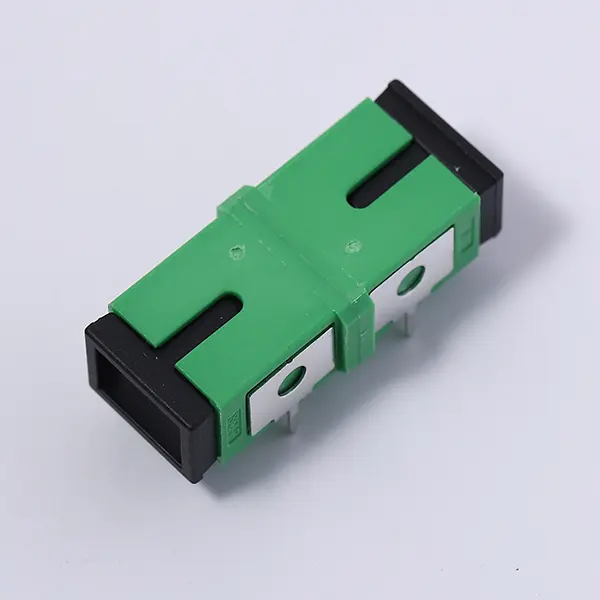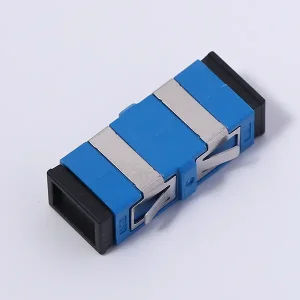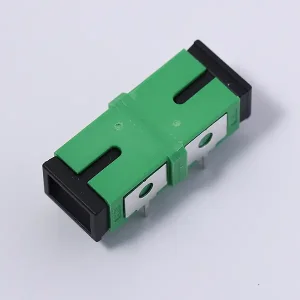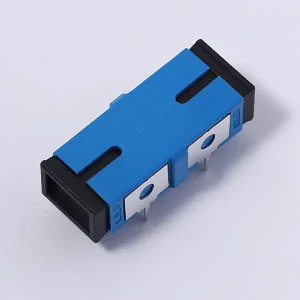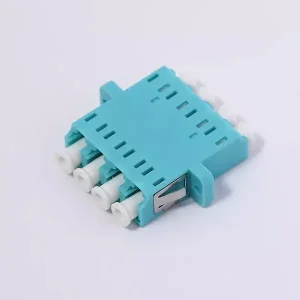
China SC-APC-K-02 Suppliers, Exporters

Fiber optic adapters, also known as fiber optic flanges or fiber optic couplers, are crucial passive optical components in optical communication systems. They are mainly used to achieve detachable connections between optical fibers, as well as between optical fibers and optical devices. Their core function is to ensure efficient transmission of optical signals between different fibers or devices with minimal loss. Most fiber optic connectors consist of two fiber optic connectors and one fiber optic adapter. The alignment sleeve inside the adapter can position the optical fiber with high precision, enabling accurate alignment of the fiber cores and ensuring the accuracy and stability of the connection.

Product Description

High-Performance Ceramic Tube Fiber Optic Adapters

In optical communication systems, the efficient and stable transmission of signals is of crucial importance. As a key component for connecting optical fiber lines, the performance of ceramic tube fiber optic adapters directly affects the communication quality of the entire system.

The core component of the ceramic tube fiber optic adapter is a sleeve made of zirconia ceramic material. Zirconia ceramics have ultra-high hardness and excellent wear resistance, enabling the adapter to maintain stable performance for a long time even under the harsh conditions of frequent plugging and unplugging. Its internal structure is precisely designed to ensure high-precision alignment of fiber cores when optical fibers are connected.

  • Ultra-high hardness & wear-resistant zirconia ceramic sleeve
  • High-precision core alignment reducing insertion loss
  • Remarkably improved return loss for low-interference transmission
SC-APC-K-02 Ceramic Tube Fiber Optic Adapter

Wide Compatibility & Robust Performance

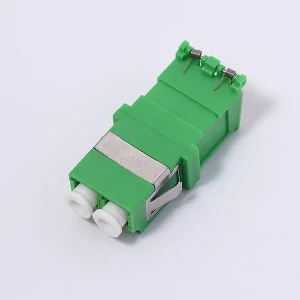
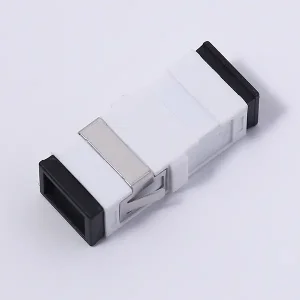
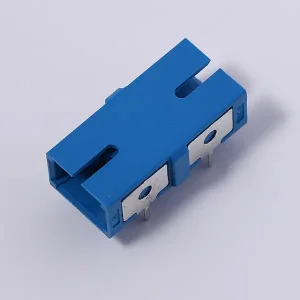
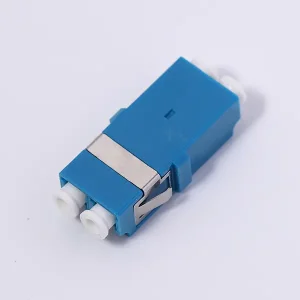
This adapter comes in a wide range of interface types, covering mainstream industry interfaces such as SC, FC, LC, and ST. Whether your project uses a square plug-in design, a threaded connection design, or a miniaturized interface suitable for high-density wiring scenarios, you can find a matching product.

This wide compatibility allows it to be flexibly applied to optical fiber equipment and cables of different brands and models, greatly enhancing its versatility and applicability in various complex network architectures and facilitating the construction of diversified optical communication networks.

SC-APC-K-02 Fiber Optic Connection

Key Performance Specifications

≤ 0.2dB
Insertion Loss
≥ 35dB
Return Loss
≥ 1000 Times
Plug-in Lifespan
-40℃ to +80℃
Operating Temperature

Diverse Application Scenarios

In terms of application fields, this ceramic tube fiber optic adapter is widely used in various scenarios such as data centers, telecommunication networks, cable television networks, and local area networks.
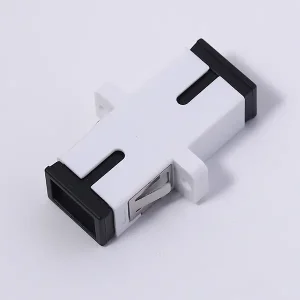
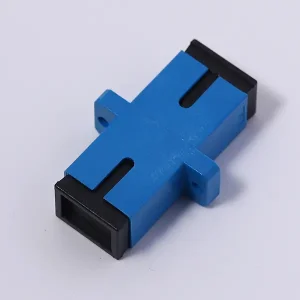
  • Data Centers: Facilitates high-speed and stable data transmission between servers and storage devices.
  • Telecommunication Networks: Ensures large-capacity and long-distance transmission between base stations and core networks.
  • Cable Television Networks: Guarantees the high-quality distribution of high-definition video signals.
  • Local Area Networks (LAN): Provides reliable connections for the interconnection of office and network equipment.
SC-APC-K-02 Multi-network Applications

Frequently Asked Questions

What material is used for the sleeve inside the fiber optic adapter?
The core component of our fiber optic adapter is a sleeve made of high-quality zirconia ceramic material, which offers ultra-high hardness and excellent wear resistance for long-term stability.
Which interface types does this ceramic tube fiber optic adapter support?
This adapter supports a wide range of mainstream industry interfaces, including SC, FC, LC, and ST designs, matching square plug-in, threaded, or miniaturized wiring specifications.
What is the typical insertion loss and return loss performance?
The insertion loss is exceptionally low, typically not exceeding 0.2dB. The return loss is maintained at 35dB or higher to effectively suppress signal interference from reflected light.
What temperature range can the adapter withstand?
It operates reliably within a wide temperature range of -40℃ to +80℃, allowing it to perform optimally in both cold outdoor stations and hot equipment rooms.
How many mating cycles can this adapter handle?
The adapter is built for durability, featuring a plug-in lifespan of 1,000 times or more. This reduces the frequency of replacements and lowers long-term system maintenance costs.
In what fields or networks is this adapter commonly deployed?
It is widely deployed in data centers, telecommunication networks, cable television networks (CATV), and local area networks (LANs) to ensure stable connection interfaces.

Related Products