Established in 2005, Wenzhou Stpete Electronics Technology Co., Ltd. has developed into a premier high-tech enterprise specializing in the R&D, precision manufacturing, and international distribution of advanced electronic connectors. Over nearly two decades of focus, we have earned a distinguished global reputation for superior product quality, innovative customization capacities, and efficient trading frameworks.
Our commitment to excellence has enabled strategic supply partnerships with elite industrial enterprises like Huawei and Hisense. Guided by safety, technology, and materials science, we consistently innovate to deliver solutions capable of operating in the most demanding electronic environments.

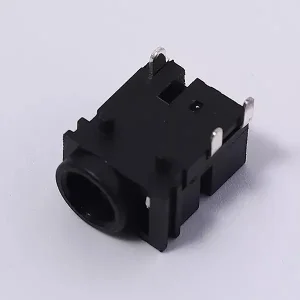
When selecting a power interconnect interface for high-performance consumer appliances, medical instrumentation, automotive components, and industrial control frameworks, the plating choice on the mating terminals is critical. Plating governs mechanical wear rates, oxidation tendencies, environmental barrier properties, and electrical contact resistance over the lifecycle of the system.
Nickel forms a highly stable passive oxide layer when exposed to air, providing excellent protection against corrosive elements. Unlike copper, which corrodes and generates highly resistive green copper oxides, nickel plating keeps the underlying substrate safe from oxidation, even in humid and salt-spray heavy environments.
Modern DC jacks undergo thousands of mating cycles. Electroplated nickel provides a hard contact surface (typically 200–500 HV depending on deposition techniques), preventing the mechanical wear and deformation common in softer platings, ensuring tight spring tensions and consistent insertion forces over time.
In copper alloy terminals, direct solder or secondary plating of gold/tin can lead to intermetallic diffusion, where metals migrate into each other and form fragile compounds. Undergoing nickel plating creates a chemical barrier, preventing this migration and ensuring structural and electrical integrity.
Understanding where nickel plating fits in the spectrum of interconnect materials allows engineers and procurement directors to make informed ROI and durability calculations. Below is a relative analysis comparing typical electroplated coatings for DC Jack contacts:
| Plating Spec / Characteristic | Nickel Plated Brass / Copper Alloy | Gold Flash over Nickel | Silver Plating | Bare Brass / Tin Plated |
|---|---|---|---|---|
| Surface Hardness (Vickers) | 200 - 500 HV (High) | 100 - 200 HV (Medium) | 70 - 100 HV (Low) | 30 - 80 HV (Very Low) |
| Mating Cycle Durability | > 5,000 cycles | > 10,000 cycles (Premium cost) | > 2,500 cycles | < 1,000 cycles |
| Contact Resistance Stability | Stable under medium-high pressure | Highly stable (No surface oxide) | Subject to oxidation & sulfidation | High resistance growth over time |
| Thermal Threshold | Up to 150°C (Excellent) | Up to 200°C | Up to 200°C (Highly reactive) | Up to 105°C (Tin whiskering risks) |
| Overall Cost Performance | Exceptional (Optimal ROI) | High cost (Niche usage only) | Moderate to high | Low cost, high failure rate |

Modern power distribution models are shifting away from lower-voltage architectures to support higher power densities. This transition is highly evident in the growth of smart home hubs, network appliances, advanced telecom equipment, and high-draw industrial systems. The migration to high-wattage power supplies requires DC Jacks to manage higher continuous current ratings (ranging from 3.5A to 10A) without suffering thermal runaway.
International procurement agents evaluate supply chain risks and compliance parameters. Major automotive, telecom, and medical OEMs require strict environmental traceability (RoHS/REACH alignment) and mechanical consistency. The use of sub-standard platings or pure-tin connectors can lead to premature field failure, resulting in costly warranty claims, systemic reputation damage, and assembly line disruptions.
By standardizing on custom-engineered nickel-plated solutions from Wenzhou Stpete Electronics, global supply chain directors ensure that their power delivery interfaces remain resilient against moisture ingress, aggressive humidity cycles, and thermal stresses.
Quality is at the core of our manufacturing processes, from initial raw material selection to tooling fabrication, automated assembly, and comprehensive quality assurance testing.
Our engineering division consists of more than 30 dedicated R&D professionals. With an annual research and development budget exceeding 15 million RMB, Stpete holds more than 21 patents. We work directly with our clients to design custom interfaces tailored for high-speed, high-density environments.
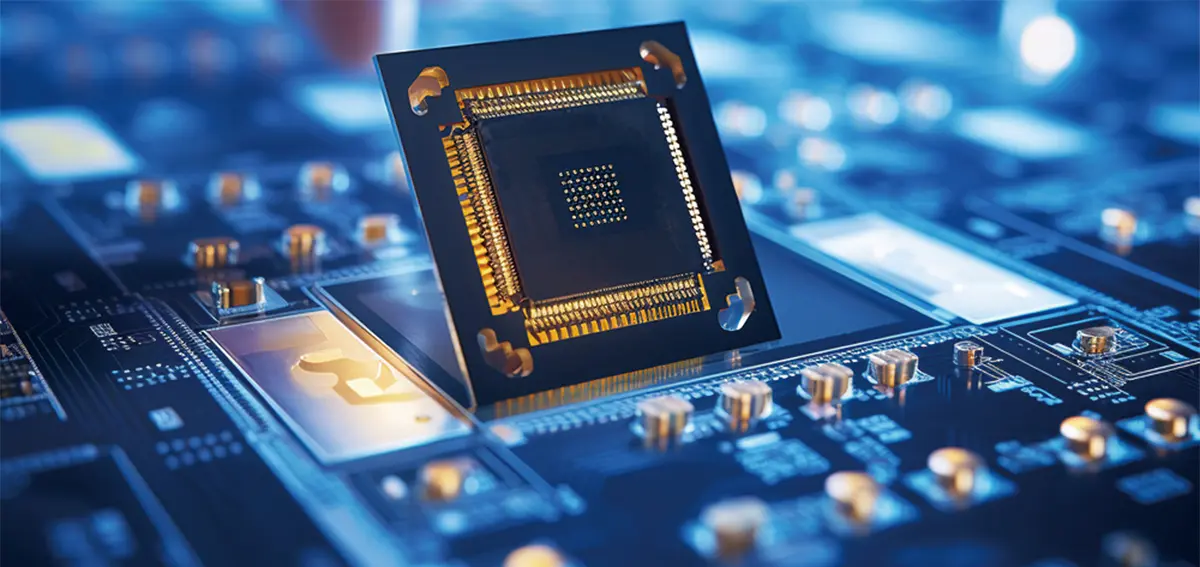
Stpete runs a multi-tier QA protocol. Leveraging high-precision measuring systems, salt-spray testing chambers, insertion-force testing rigs, and contact-resistance analyzers, we ensure that every batch meets rigorous reliability standards before dispatch. We hold ISO 9001, 14000, and 18001 certifications.
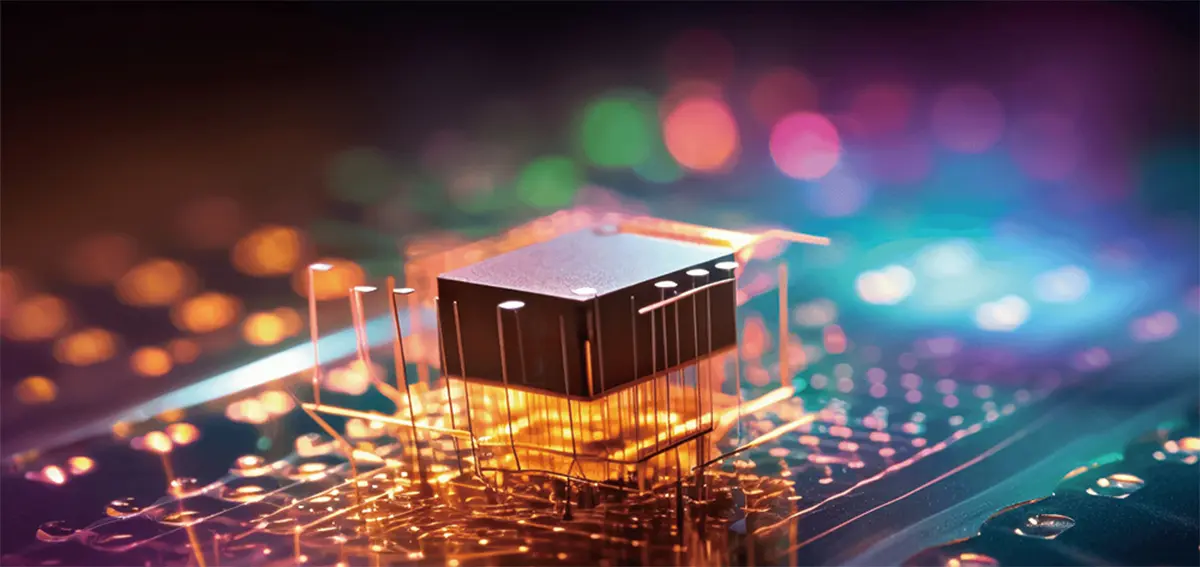
We deploy high-level CNC equipment, automatic insert molding systems, and high-speed stamping presses. Automating key parts of the assembly pipeline helps eliminate human error, improves dimensional stability, and enables large-scale production cycles with short lead times.

Building high-precision products requires a united workforce. At Stpete, we believe that technological innovation is fueled by cross-departmental collaboration and strong interpersonal trust. To strengthen team cohesion, we organize regular professional training, team-building activities, and technical workshops.
Through interactive group challenges that build problem-solving capabilities, our team members learn to trust their colleagues and coordinate on complex workflows. This shared mindset translates directly to our production lines and custom engineering projects, where meticulous attention to detail and clear communication prevent production defects and elevate overall output quality.

As devices shrink in size while demanding more power, standard connector models face thermal and physical limitations. Our R&D path focuses on addressing these technical challenges:
We are engineering micro-format DC Sockets with contact configurations that optimize current paths. These interfaces are designed to carry up to 12A of continuous current while maintaining a small footprint, meeting the needs of modern high-performance devices.
By using premium high-temperature thermoplastics (such as LCP and PA9T), our connectors are designed to withstand temperatures up to 260°C during lead-free reflow soldering cycles without warping, preserving pin alignment and performance.
To address outdoor and industrial requirements, we are expanding our line of IP67 and IP68 waterproof DC jacks. These models use silicone O-ring integrations, sealed contact terminals, and internal potting to prevent moisture ingress.
Find answers to key technical questions about our materials, manufacturing processes, and customization options.
Connect with our engineering division to discuss your electrical and dimensional specifications. We provide tailored recommendations and quotes within 24 hours.
Submit RFQ / Contact Engineers Stpete Electronics