 Stpete Electronics
1 / 1
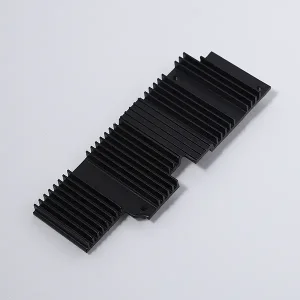
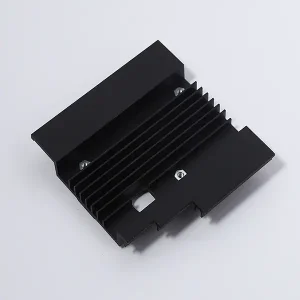
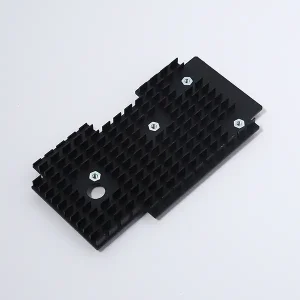
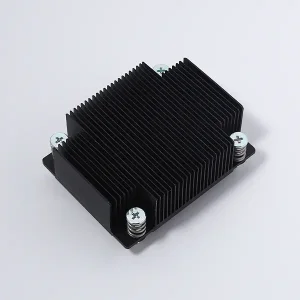
In the category of profile radiators, aluminum profile radiators stand out with excellent performance and have become the mainstream choice in the market. It perfectly combines aesthetics and practicality, not only lightweight and easy to transport and install, but also has excellent heat dissipation efficiency and significant energy-saving effect. Through testing, it has been found that under the same heating requirements, the use of aluminum radiators is reduced by more than 30% compared to steel radiators, greatly saving space and costs. At the same time, the dense oxide film generated by aluminum in the air acts as a natural protective shield, endowing it with strong corrosion resistance and effectively resisting erosion from various complex environments.
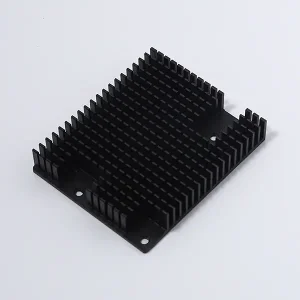
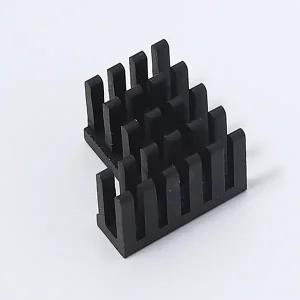
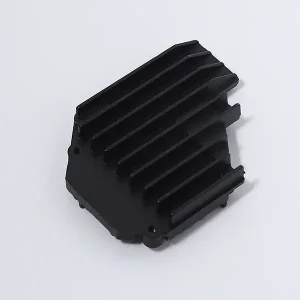
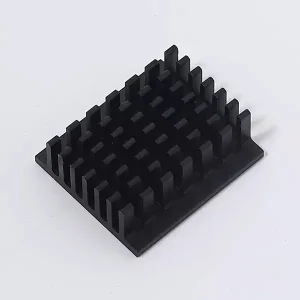
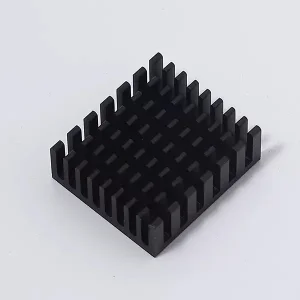
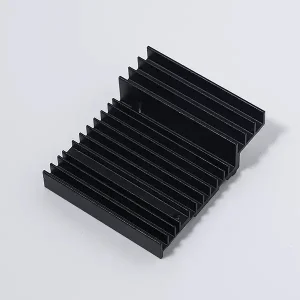
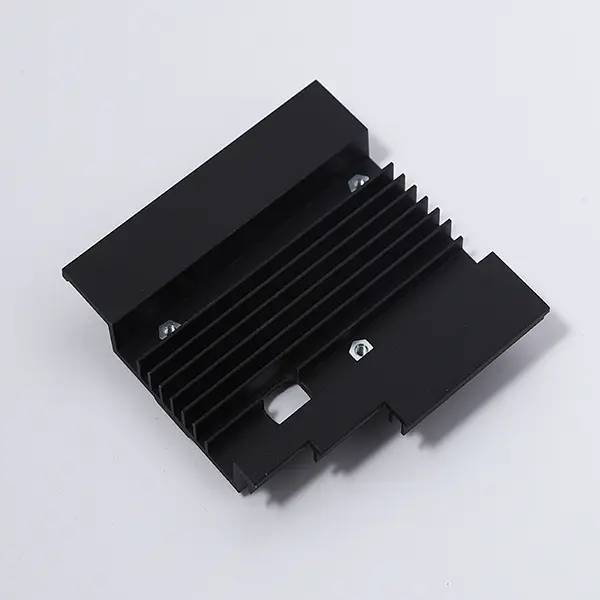
The product structure design is exquisite and scientific, with the heat sink as the heat dissipation core. Through precise calculation of the fin structure, the heat dissipation area is greatly increased; The heat pipe is made of high-efficiency thermal conductive material, which can quickly transfer the heat of the equipment to the heat sink in a short period of time; The sturdy shell not only provides stable support for the internal structure, but also offers comprehensive protection for the radiator. In the manufacturing process, from strict control of raw materials in the melting and casting process, to precise mold technology during extrusion molding, to advanced anodizing technology in the coloring stage, every process is meticulously improved, resulting in a significant increase in the corrosion and wear resistance of the radiator.
The advantages of aluminum profile heat sinks cover all usage scenarios in all aspects. Its appearance can be customized according to customer needs, perfectly adapting to different device styles; High strength design ensures that even with a thickness of only 2mm, it can withstand high-intensity pressure and impact forces; The ultra light weight increases installation efficiency by more than 50%, while the heat dissipation efficiency of cast iron radiators can reach 2.5 times, combined with the advantage of low energy consumption, effectively reducing long-term usage costs. At present, the product has been deeply applied in fields such as electronic devices, automotive manufacturing, and industrial equipment, providing stable and reliable heat dissipation for key components such as computer CPUs, automotive engines, and generator sets.
Aluminum profile radiators offer excellent heat dissipation and energy-saving capabilities. Compared to steel radiators under identical heating conditions, aluminum radiators reduce material use by more than 30%, which significantly saves installation space and project costs.
Aluminum naturally generates a dense oxide film when exposed to air. This film acts as a protective shield that grants the radiators robust corrosion resistance, enabling them to reliably withstand erosive factors in complex external environments.
The design integrates a core heat sink with a precisely calculated fin structure that maximizes the total surface area for heat dissipation. Additionally, high-efficiency thermal conductive heat pipes are utilized to rapidly transfer heat away from the device to the heat sink.
Quality is managed through strict raw material selection in the melting and casting stages, precise mold technology during extrusion molding, and advanced anodizing for surface coloring. This increases both wear and corrosion resistance.
Yes. The appearance can be customized to match different device styles. Thanks to high-strength engineering, even at a thickness of only 2mm, the radiator shell can withstand high-intensity pressure and physical impact forces.
These products are extensively utilized across electronic devices, automotive manufacturing, and industrial equipment. They provide stable and reliable cooling for critical components, such as computer CPUs, vehicle engines, and power generator sets.