CE Certification SRX23-035-Y7 Manufacturer, Exporters

Profile Heat Sinks‌ are metal cooling devices formed through

processes like extrusion or stamping, typically crafted from high thermal conductivity materials such as aluminum alloy. Their core advantages lie in structural flexibility, high thermal efficiency, and controllable costs, making them widely applicable in electronics, LED lighting, power systems, and other fields.

Performance is enhanced by optimizing fin design (e.g., increasing surface area or improving airflow channels) and applying surface treatments like anodization to boost corrosion resistance. Compared to traditional cooling solutions, profile heat sinks offer lightweight construction, ease of processing, and customizability—adapting seamlessly to varying power and spatial requirements.

With the rise of 5G and renewable energy industries, high-performance profile heat sinks play a critical role in addressing device overheating challenges, solidifying their position as essential components in thermal management systems.

Product Description

Advanced Thermal Management

Profile radiators, as pioneering products in the field of thermal management, are high-efficiency metal heat dissipation devices meticulously crafted through advanced processes such as extrusion and stamping. The core material used is high-quality aluminum alloy with a high thermal conductivity coefficient. With its excellent heat conduction performance, it can quickly transfer and dissipate heat, ensuring the stable operation of equipment at its source.

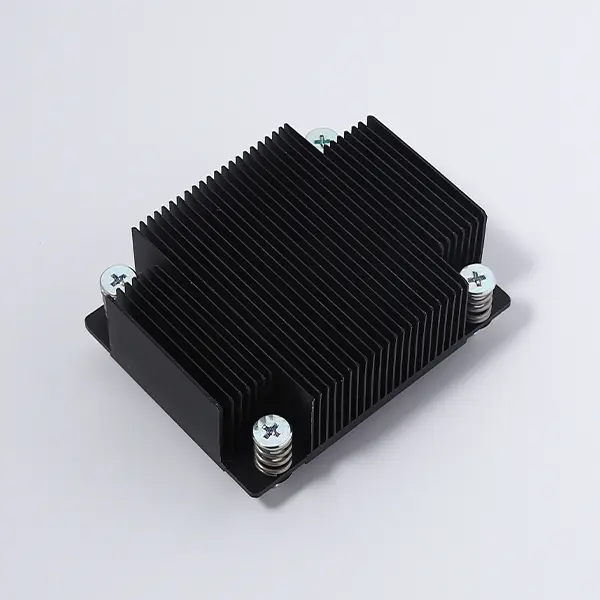
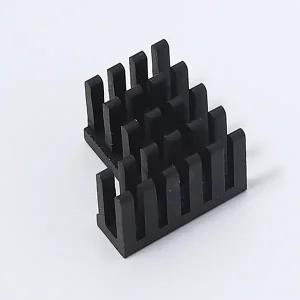
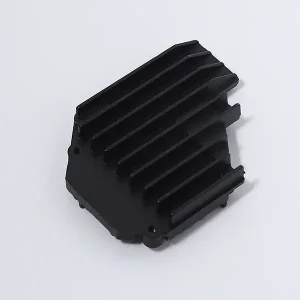
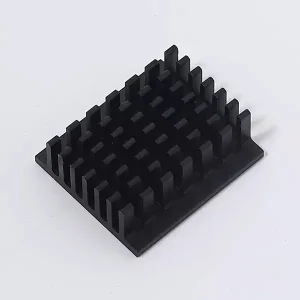
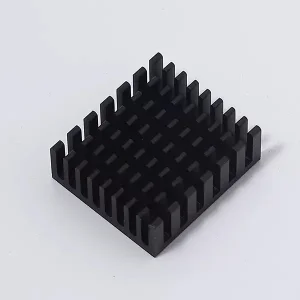
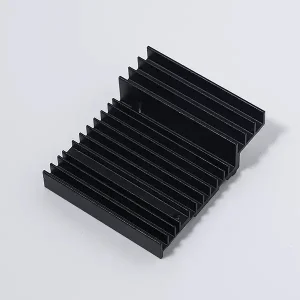
SRX23-035-Y7 Profile Radiator
Flexible Design & Customization: Scientific fin layouts and optimized air ducts allow radiators to be engineered precisely for power level and spatial constraints.

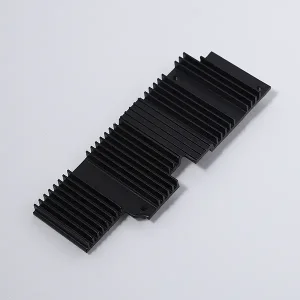
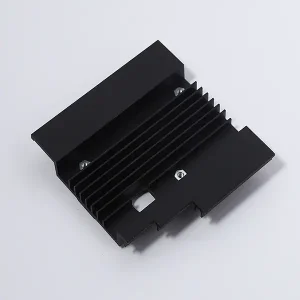
In terms of structural design, profile radiators demonstrate remarkable flexibility. Through scientific design of the fins, the heat dissipation surface area is significantly increased, effectively enhancing the contact area with air and promoting heat exchange. At the same time, the optimized air duct design allows air to flow more smoothly, carrying away heat and significantly improving the heat dissipation efficiency. To meet the diverse heat dissipation requirements of different application scenarios, profile radiators support highly customized services. Whether for small and precise electronic devices or large-scale power systems, they can be exclusively designed according to power levels and installation spaces, perfectly adapting to various complex working conditions.

Processing Technology & Industrial Demand

In terms of processing technology, profile radiators also perform outstandingly. Through surface treatment processes such as anodizing, not only is the corrosion resistance greatly enhanced, extending the service life, but also the appearance texture is effectively improved. Moreover, compared with traditional heat dissipation solutions, profile radiators have the advantage of lightweight. While reducing the overall weight of the equipment, they also lower transportation and installation costs. Their easy-to-process characteristics also effectively shorten the production cycle, further controlling costs.

With the vigorous development of emerging industries such as 5G communication and new energy vehicles, the heat generated by equipment operation has increased sharply, posing higher requirements for heat dissipation performance. High-performance profile radiators, with their excellent heat dissipation performance and flexible adaptability, have become the key to solving equipment overheating problems and are indispensable important components for ensuring the efficient and stable operation of equipment.
Frequently Asked Questions
Q: What materials are profile radiators made of?
Profile radiators are made of high-quality aluminum alloy characterized by a high thermal conductivity coefficient, allowing rapid heat transfer and dissipation.
Q: How do profile radiators improve heat dissipation efficiency?
They feature scientifically designed fins that maximize surface area contact with air, combined with optimized air ducts that promote smooth, rapid heat-carrying airflow.
Q: Can these radiators be customized for specific systems?
Yes. They support high customization, allowing tailored designs that match precise power levels and physical space requirements, from compact electronic modules to large power infrastructure.
Q: What surface treatments are applied to these radiators?
They undergo specialized surface treatments like anodizing, which significantly enhances corrosion resistance, extends operational lifespan, and improves surface appearance.
Q: What are the logistical and cost benefits of profile radiators?
Their lightweight design reduces overall equipment weight, lowering shipping and installation costs. They are also easy to process, which shortens production cycles and reduces overall expenditures.
Q: Why are they essential for 5G and new energy vehicles?
Emerging industries generate intense localized heat loads. High-performance profile radiators provide the high-efficiency cooling and configuration flexibility required to prevent critical equipment from overheating.

Related Products