Explore our high-performance connectors engineered to strict tolerance specifications. Built to withstand extreme electrical and environmental conditions.
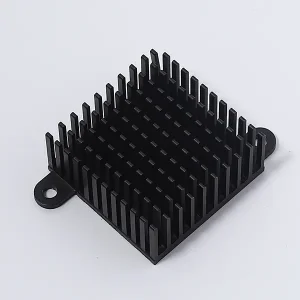
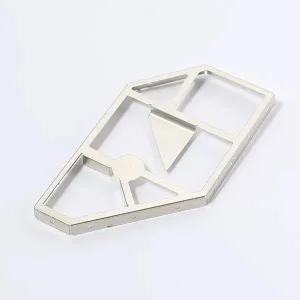
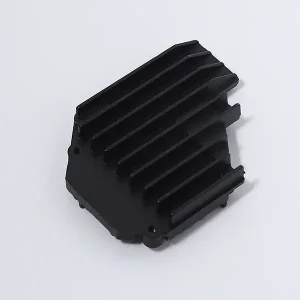
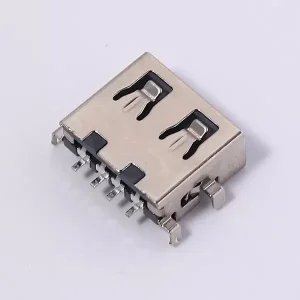
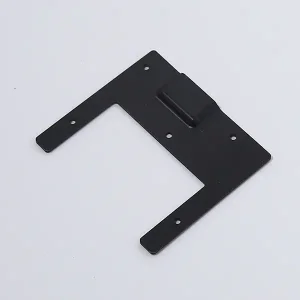
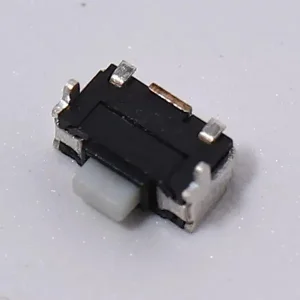
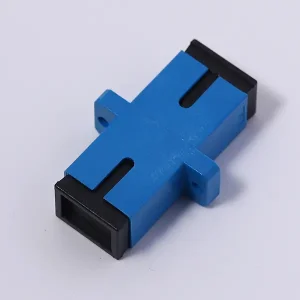
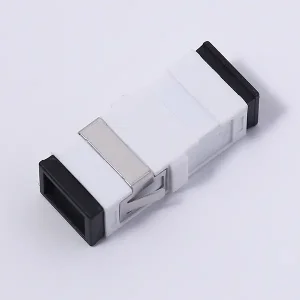
Established in 2005, Wenzhou Stpete Electronics Technology CO., LTD has grown into a leading high-tech enterprise specializing in the development, production, and sales of electronic connectors. Over the course of two decades, we have dedicated ourselves to optimizing electrical connectivity configurations for a diverse client base spread across local and international sectors. Our product portfolio spans RF terminals, PCB network jacks, DC outlets, USB sockets, AV pin jack boards, and high-performance radiators.
By prioritizing high precision, reliability, and engineering-driven customization, we have successfully forged long-term manufacturing agreements and supply programs with iconic electronics leaders, including Huawei and Hisense. Guided by safety, validated by ISO international standards, and propelled by persistent technological innovation, we deliver the interconnect foundations that build modern intelligence.

A deep analysis of board-to-board routing optimization, materials science, and OEM selection parameters.
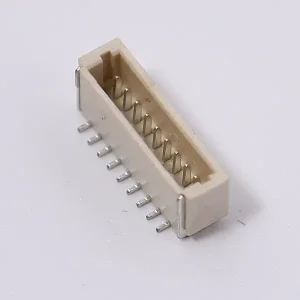
Right-angle pin headers represent a fundamental component family within board-to-board (B2B) and wire-to-board (W2B) configurations. Unlike straight (vertical) pin headers, the 90-degree right-angle layout allows designers to stack printed circuit boards parallel to each other, minimizing overall module height and routing density. Achieving robust connection integrity in right-angle models requires precise configuration control.
During automated high-speed Surface Mount Technology (SMT) reflow processes, right-angle connectors are susceptible to mechanical torque and imbalance. Coplanarity deviation (the maximum distance between the lowest contact point and the highest contact point) must be maintained at a strict threshold—typically below 0.10mm (0.004 inches). Failure to preserve coplanarity leads to open joints or weak solder connections, resulting in catastrophic electrical failure over time. OEM manufacturers like Wenzhou Stpete prevent these issues by executing structural finite element analysis (FEA) and utilizing customized high-temperature thermoplastic carriers capable of resisting structural deformation.
The selection of the dielectric insulator body dictates the connector's thermal survival profile and dielectric insulation capabilities. Modern OEM manufacturers use three primary classes of polymers:
| Insulator Material | Melting Temp (°C) | Moisture Absorption | Best Application Scenarios | Structural Durability |
|---|---|---|---|---|
| LCP (Liquid Crystal Polymer) | 330°C - 350°C | <0.02% (Very Low) | SMT Reflow, Lead-Free Soldering, Thin-walled Profiles | Outstanding dimensional stability at high temps |
| PA9T / PA6T (Nylon Derivatives) | 290°C - 320°C | 0.1% - 0.2% (Moderate) | Standard reflow soldering, automotive systems | High mechanical strength and fatigue resistance |
| PBT (Polybutylene Terephthalate) | 220°C - 230°C | <0.05% (Low) | Through-Hole Technology (THT) Wave Soldering only | Excellent chemical resistance, low cost |
For electrical contact elements, high-grade brass (CuZn alloys) or phosphor bronze (CuSn alloys) are standard. Phosphor bronze is preferred for high-reliability right-angle receptacles and header interfaces due to its superior elasticity and fatigue resistance over thousands of insertion-withdrawal cycles.
Sourcing OEM electronic connectors on a global scale demands strict risk management processes. Supply chain managers should focus on three critical dimensions:
We feature a comprehensive selection of production equipment to manufacture IF radio-frequency terminals, FCB network jacks, DC power outlets, USB sockets, AV pin jack boards, and high-performance radiators. Our facility integrates advanced high-speed punching presses and automated CNC machinery to achieve high-precision tolerances and assembly repeatability.
To ensure raw material compliance and finished product reliability, we operate high-accuracy test inspection equipment. We implement rigorous inspections at multiple stages of the production cycle to detect defects and maintain quality. Backed by ISO 9001, ISO 14001, and ISO 45001 certificates, Wenzhou Stpete Electronics holds numerous design patents, underscoring our continuous commitment to product innovation.

Providing custom electronic component manufacturing powered by continuous R&D and advanced automation.
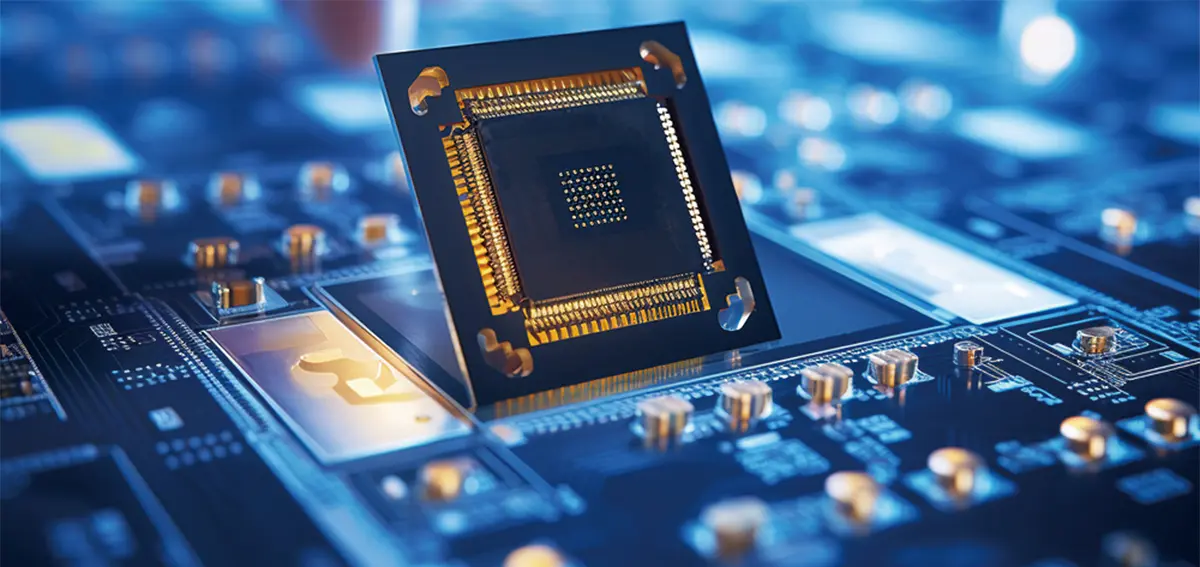
Backed by over 30 technical R&D specialists, we commit an annual R&D investment exceeding 15 million RMB to support design innovation. We hold over 21 research and development patents to deliver advanced solutions for customized projects.
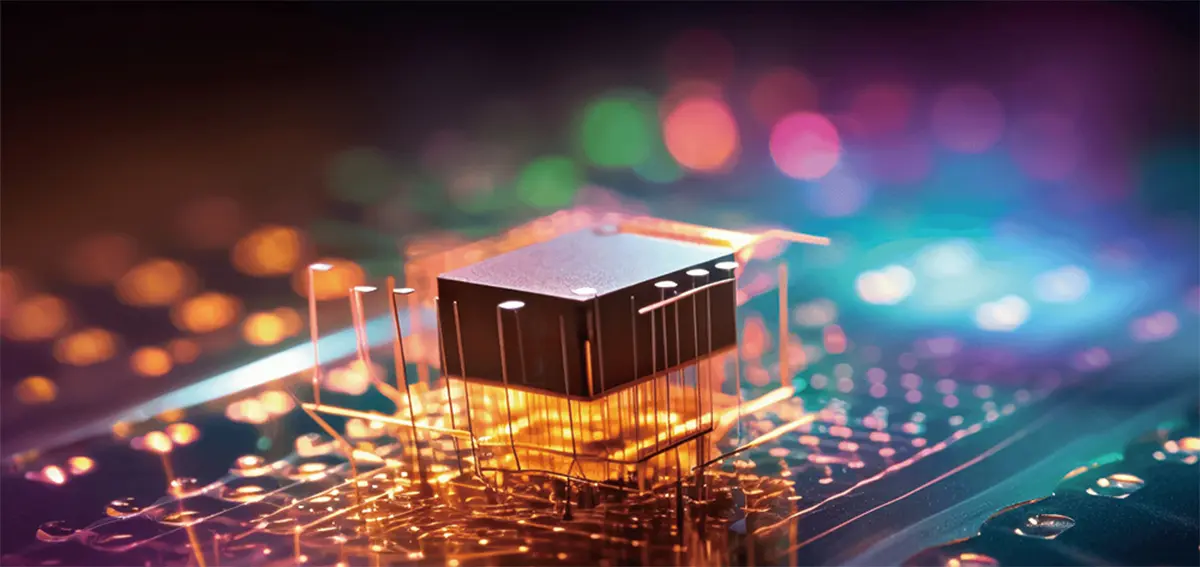
Quality remains our highest priority. Guided by advanced engineering and strict safety standards, we execute meticulous quality control steps spanning material procurement, processing, and final inspection to ensure product reliability.

Utilizing automated insert molding, automated product assembly, and high-speed stamping, we continually invest in production machinery to scale output while maintaining precision and cost-efficiency.
Addressing the shifting landscape of high-frequency interconnect systems across major industrial sectors.
The automotive sector relies increasingly on computerized ADAS systems, radar systems, and infotainment modules. Under-hood and cabin interior electronic boards face continuous vibration, mechanical shock, and temperature shifts. For these setups, standard pin headers risk contact fretting and micro-interruptions.
Wenzhou Stpete Electronics addresses this by offering right-angle headers equipped with high-durability contact geometries and selective gold plating in the contact zone, paired with tin-plated solder tails. This design combines solderability with high-wear resistance at the mating interface, meeting stringent automotive performance metrics.
The electronics industry continues to move toward smaller, high-density configurations. Standard 2.54mm (0.100 inch) pitches are transitioning to 2.0mm, 1.27mm, and even ultra-fine 0.8mm spacing. At these densities, standard signal models face electromagnetic interference (EMI) and signal integrity challenges.
To meet these needs, our R&D roadmap focuses on:
This summer, our company organized an outdoor team-building activity in a natural setting to strengthen cohesion, foster communication, and build team spirit outside the office environment.
The event featured a series of group-based exercises requiring trust, coordination, and collaborative problem-solving. These activities encouraged participants to work together to achieve shared goals, helping to boost overall morale, strengthen professional bonds, and refresh team energy.

Get professional answers to common technical queries regarding pin header selection, material limits, and custom ordering processes.
Right-angle headers feature a 90-degree pin bend to enable parallel, horizontal board-to-board mating, which helps reduce vertical clearance requirements. In contrast, straight pin headers mate perpendicular to the PCB, requiring more vertical height. Right-angle designs require careful consideration of pin retention force and weight distribution to prevent tipping during reflow processes.
Gold plating thickness directly determines contact wear and environmental resistance. A flash gold layer (1u") is suitable for low-mating-cycle or cost-sensitive consumer electronics. High-reliability, medical, or automotive applications typically require thicker gold (15u" or 30u") to withstand friction and prevent contact oxidation over long lifecycles.
Liquid Crystal Polymer (LCP) and high-temperature nylons (such as PA9T or PA6T) are the industry standard for SMT reflow. These materials offer melting temperatures exceeding 300°C and maintain low moisture absorption, preventing blister defects during the pre-heat and reflow phases.
Current ratings depend on the pin cross-section. Standard 2.54mm pitch headers are typically rated at 3A per pin, 2.0mm pitch headers are rated around 2A per pin, and 1.27mm pitch headers are typically rated at 1A to 1.5A per pin. High-conductivity alloys can be used to achieve higher current ratings in smaller footprints.
We maintain coplanarity through precise stamping tooling and automated assembly. Finished connector pins undergo automated optical inspection (AOI) to verify that all SMT solder tails remain within the required 0.1mm tolerance range prior to packaging.
Yes, our raw materials undergo regular testing by independent testing bodies (such as SGS). All our standard products comply with RoHS and REACH directives, and we can provide complete material declaration sheets upon request.
Yes. As a direct OEM manufacturer, we design and maintain our own molds. We can customize pin lengths, insulator heights, and selective plating configurations (e.g., gold-plated contacts with tin-plated tails) to meet specific application requirements.
Initial design reviews and 3D modeling are typically completed within 3 to 5 business days. Once the drawings are approved, custom sample tooling and prototypes can be produced in 2 to 3 weeks, followed by mass production setup.
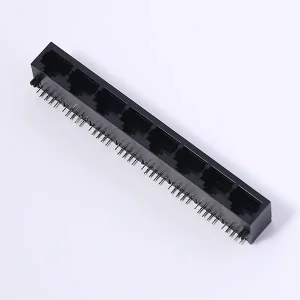
Explore our selection of industrial jacks, specialized switches, and DC power connectors engineered for robust conductivity and durable operation.
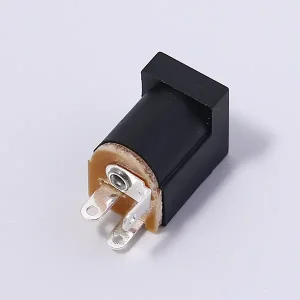
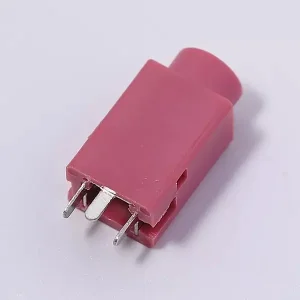
Need technical specifications, custom drawings, or immediate pricing? Contact our engineering team today. We provide comprehensive design assistance and respond to all inquiries within 24 hours.
Contact Our Engineers Stpete Electronics