China USB Connector Factory, Exporter

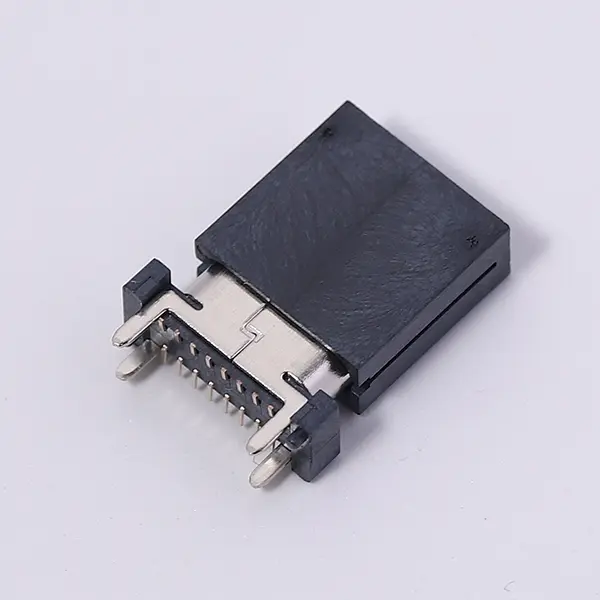
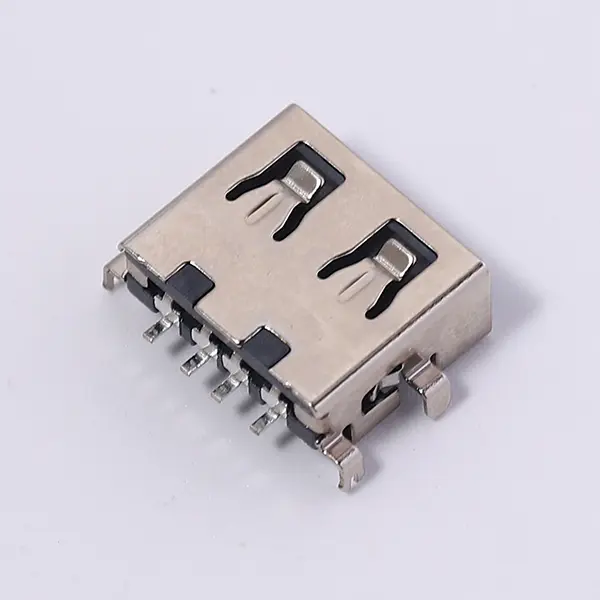
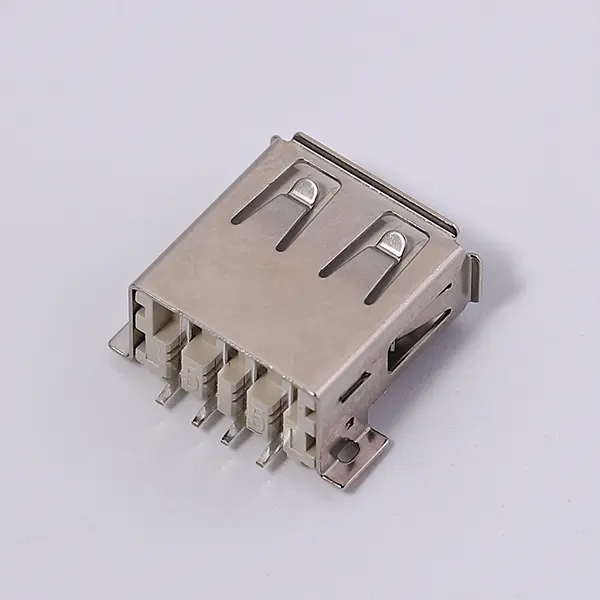
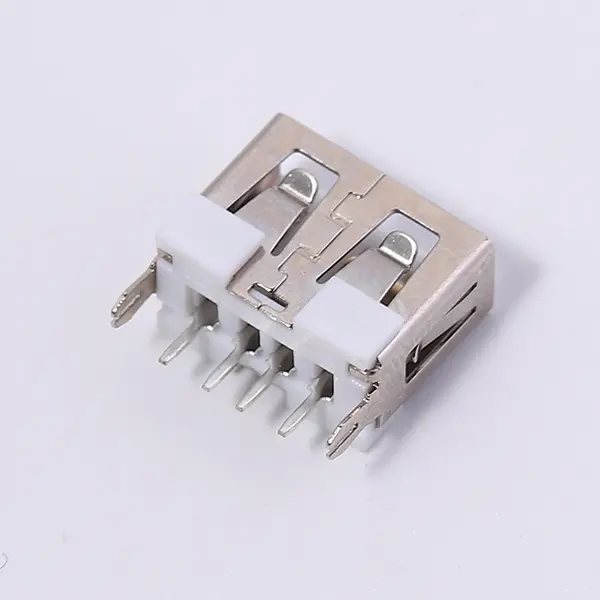
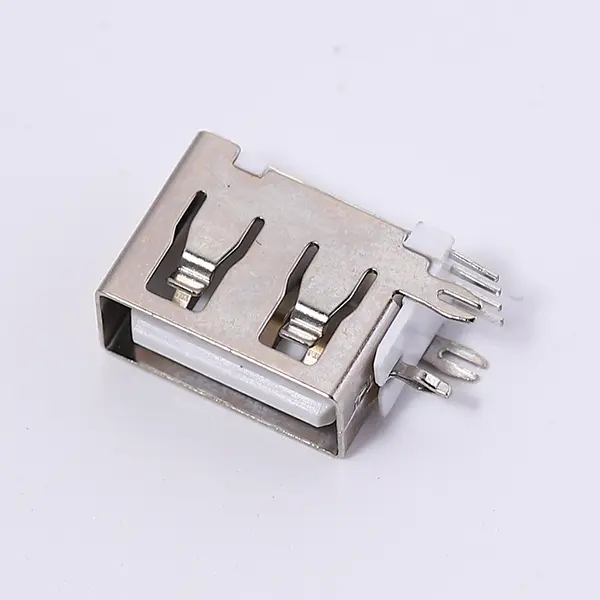
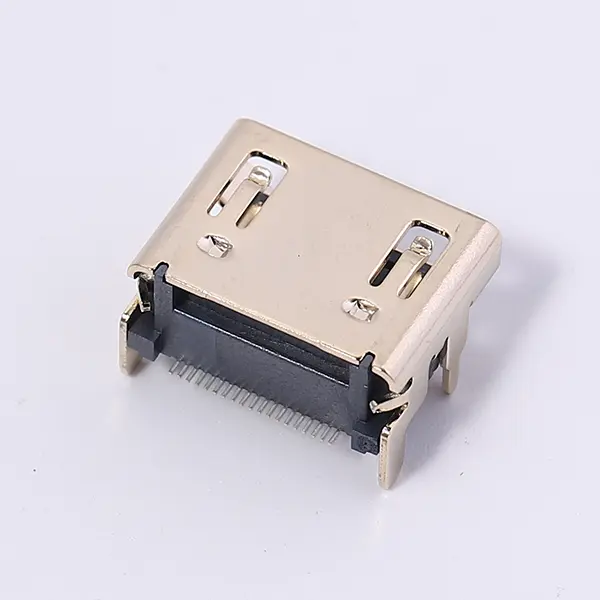
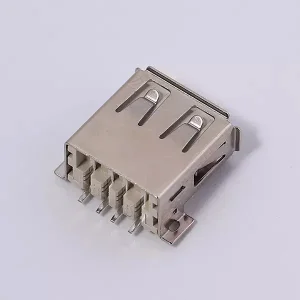
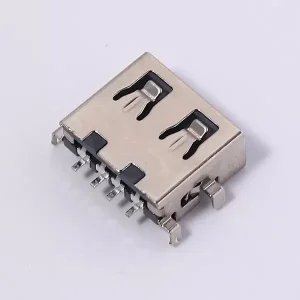
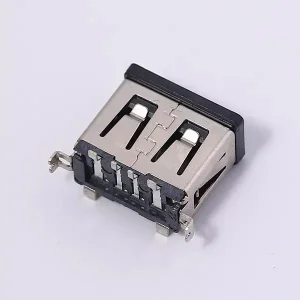
USB (Universal Serial Bus) connector is a standard interface for universal data transmission and power supply, supporting hot swapping and multi protocol compatibility. It is widely used in consumer electronics, industrial equipment, and smart terminals. From USB 2.0 to USB4, its iterative upgrades have significantly improved transmission rates (up to 40Gbps) and power supply capabilities (up to 240W), becoming the core components of modern device interconnection.
Product Description

Application Section
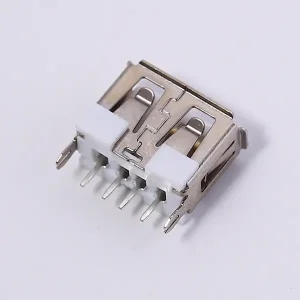
USB Connector04
Consumer Electronics
Mobile phone/computer: Type-A and Type-C interfaces are used for data transfer and fast charging (such as USB PD).
Peripheral Connection: Connect peripherals such as keyboard, mouse, printer, etc., supporting plug and play.
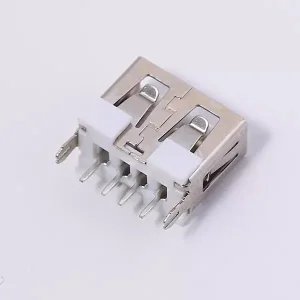
USB Connector03
Industrial control
Device communication: Connect industrial sensors and PLC through USB to RS485/232 module.
Firmware upgrade: Provide a stable program burning channel for embedded devices.
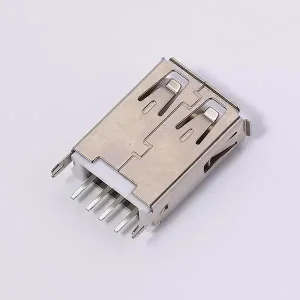
USB Connector02
On board system
Intelligent cockpit: Type-C interface supports 4K video transmission and high-power charging (such as USB-IF vehicle certification).
Function Introduction
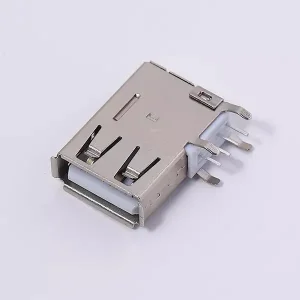
USB Connector01
High Speed
USB4 supports 40Gbps duplex transmission, compatible with Thunderbolt 3 protocol, and meets 4K/8K video streaming requirements.
High power supply
The USB PD 3.1 protocol supports a voltage range of 5-48V and a maximum output of 240W, which can power laptops and monitors.
USB Connector12
Diversity of interfaces
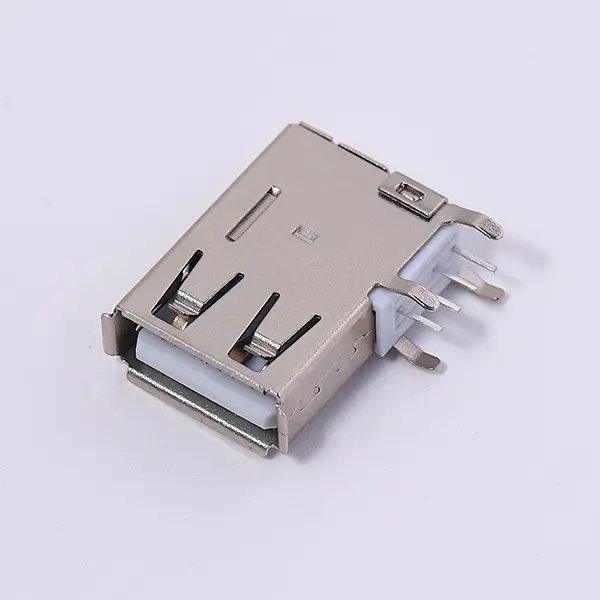
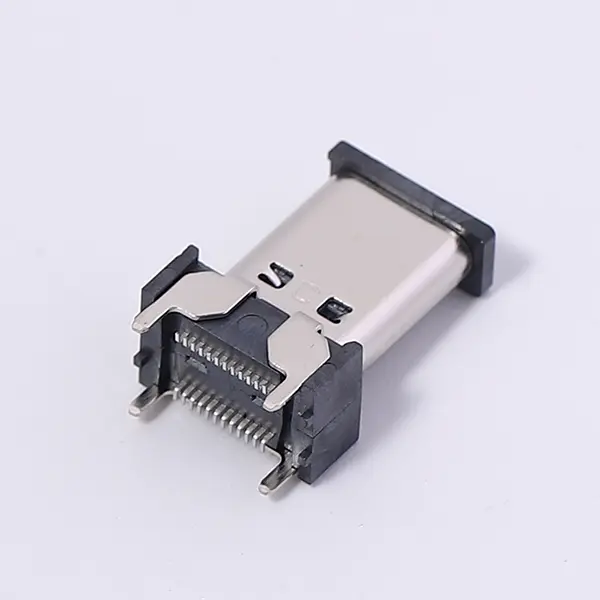
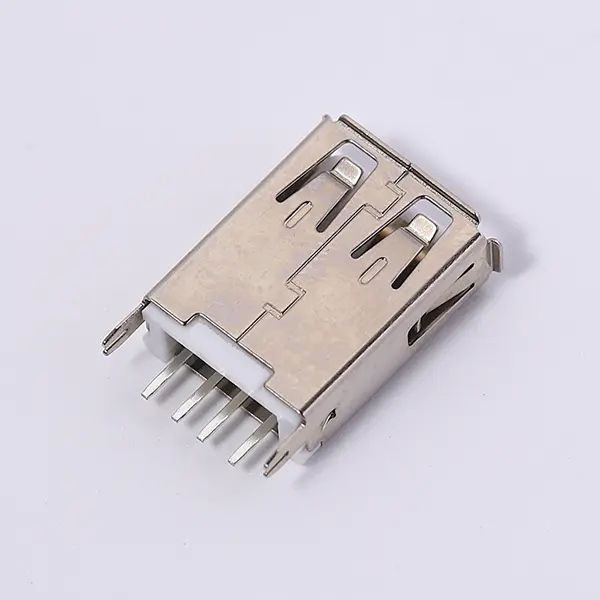
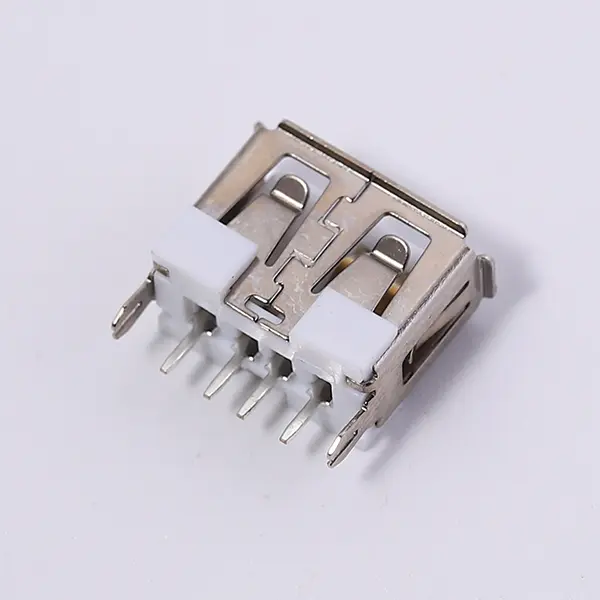
Provide Type-A, Type-B, Micro USB, Type-C and other forms to adapt to different device requirements.
Anti-interference design
Metal shielding layer and EMI filtering technology reduce signal crosstalk and ensure stability in industrial environments.
Summarize
USB connectors, with their versatility, high speed, and high compatibility, have become the cornerstone of cross domain device interconnection, continuously promoting the integration of intelligent terminals and the Internet of Things ecosystem.
Frequently Asked Questions (FAQ)
What are the main applications of USB connectors in today's technology?
USB connectors are widely implemented in consumer electronics (smartphones and computers for charging and sync), industrial control setups (connecting PLCs and sensors), and automotive systems (supporting infotainment cockpit interfaces).
What performance capabilities does the USB4 standard offer?
USB4 delivers high-speed duplex transmission rates reaching up to 40Gbps. It is fully compatible with Thunderbolt 3 protocols and is engineered to easily handle heavy workloads like 4K or 8K video streaming.
How much power delivery does the USB PD 3.1 protocol support?
The USB Power Delivery (PD) 3.1 standard supports a variable voltage range between 5V and 48V, offering a maximum power output of up to 240W. This level of power is sufficient for high-power devices like laptops and displays.
How does the connector prevent signal interference in harsh environments?
Industrial-grade USB connectors utilize specialized metal shielding layers alongside EMI (electromagnetic interference) filtering technologies to successfully prevent signal crosstalk and maintain stable connections.
Which USB interface types are available for different application needs?
Depending on device designs and requirements, host and device connections are served by various layouts including USB Type-A, Type-B, Micro USB, and the versatile USB Type-C interface.
Are USB connections hot-swappable across all domains?
Yes, USB connectors natively support plug-and-play functionality, allowing users to connect and disconnect peripherals without rebooting host systems or interrupting workflow.

Related Products