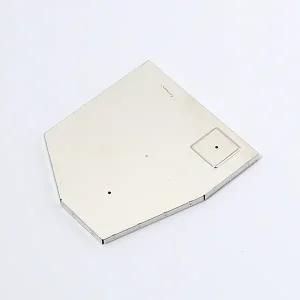
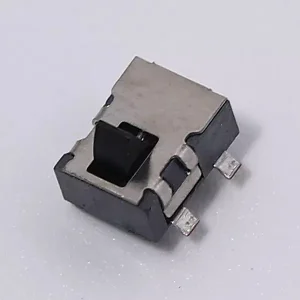
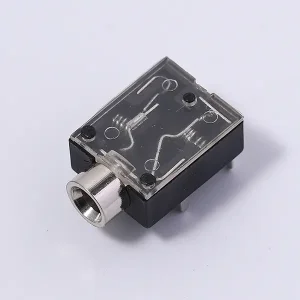
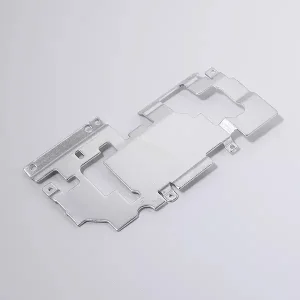
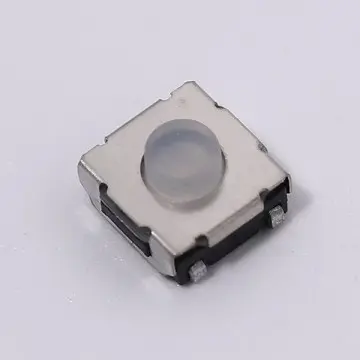
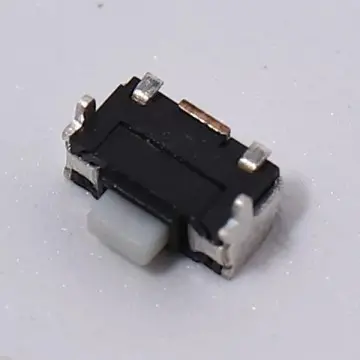
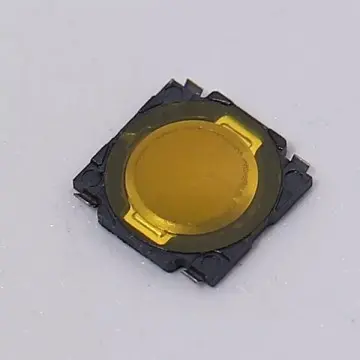
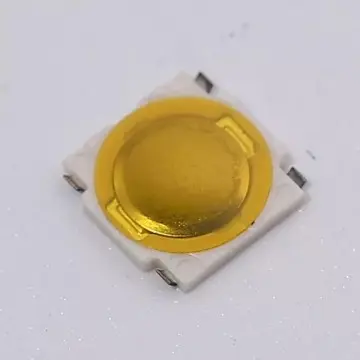
Explore our engineering-grade electronic solutions designed for seamless system integration and thermal endurance.
Established in 2005, Wenzhou Stpete Electronics Technology Co., Ltd. has developed into a premier, high-tech enterprise specialized in the R&D, design, advanced production, and global supply of precision electronic connectors and custom thermal components. Over nearly two decades, we have fostered an elite reputation among domestic and international industrial giants through unyielding product compliance and efficient international trading channels.
By constantly integrating automation within our fabrication lines, we ensure high efficiency and dimensional precision. Our facilities boast heavy-duty CNC machining complexes, automatic assembly arrays, and high-speed stamping presses dedicated to providing global enterprise solutions.

Analyzing the Technical Dynamics, Regulatory Milestones, and Global Procurement of CE Certified Die-Cast Aluminum Alloys
As microelectronics scale down in footprint and scale up in heat flux, cooling has emerged as the limiting factor in systems engineering. High-performance computing interfaces, automotive ECUs, electric vehicle powertrains, and 5G baseband stations all generate massive local heat density. Without highly optimized heat sinks and radiators, component junction temperatures rise rapidly, resulting in thermal throttling, reduced MTBF (Mean Time Between Failures), and potential catastrophic failure.
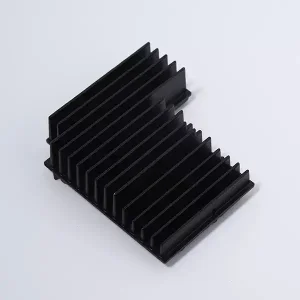
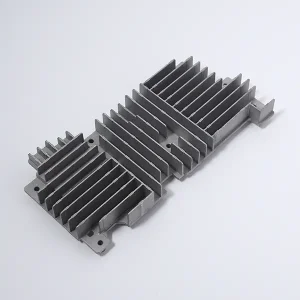
Aluminum alloy die-casting radiators offer the primary physical defense against this thermal stress. They are designed to rapidly draw heat from electronic components via thermal conduction and scatter it to the surrounding environment through convection (either passive or active). The physical design of these radiators—such as fin thickness, surface area, draft angles, and contact pad flatness—heavily dictates the overall thermal performance. Choosing high-pressure die casting (HPDC) allows for the mass fabrication of complex geometries that maximize the surface-area-to-volume ratio, providing superior thermal performance over traditional machining or extrusion in space-constrained installations.
CE Certification is not merely a label; it represents rigorous adherence to European safety, health, and environmental protection standards. For aluminum radiators integrated into electrical systems, CE compliance ensures that the components fulfill the requirements of the Low Voltage Directive (LVD) 2014/35/EU, the Electromagnetic Compatibility (EMC) Directive 2014/30/EU, and the RoHS Directive 2011/65/EU.
Compliance validation requires rigorous testing, including:
Selecting the appropriate alloy formulation is critical to balancing thermal conductivity, mechanical toughness, and manufacturing yield. Below is a comparison of standard alloys used in industrial high-pressure die casting:
| Alloy Standard (US/JP) | Thermal Conductivity (W/m·K) | Tensile Strength (MPa) | Fluidity / Castability | Primary Applications |
|---|---|---|---|---|
| A380 (ANSI) | 96 - 105 | 310 | Excellent | Automotive components, structural enclosures |
| ADC12 (JIS) | 96 - 110 | 320 | Outstanding | Standard electronics cooling, complex micro-fins |
| AlSi9Cu3 (EN) | 110 - 120 | 290 | Very Good | European industrial automation, power grid converters |
| AlSi12 (EN) | 120 - 130 | 240 | Excellent | High-complexity, thin-walled aerospace housings |
While alloys like ADC12 and A380 offer slightly lower pure thermal conductivity compared to extruded aluminum alloys (such as 6063), their superior castability allows engineers to design high-density fin layouts with thinner walls (down to 1.5mm), which offsets the bulk material performance gap through increased convection area.
China has long dominated the global metals manufacturing landscape, but modern Chinese plants have transcended low-cost assembly to become centers of automated precision engineering. Key competitive advantages include:
The global heat dissipation industry is undergoing massive transformation, driven by emerging technologies:
Integrated Liquid Cooling Channels: Modern die-cast designs increasingly embed stainless steel or copper tubing directly into the molten aluminum flow (insert casting). This hybrid approach offers localized liquid channel pathways alongside high-efficiency external convection surfaces.
AI-driven Thermal Modeling: Computational fluid dynamics (CFD) optimization algorithms are deployed beforehand to simulate fluid flow, pressure drop, and convective heat transfer. This lets engineers tweak layout parameters before cutting mold steel, drastically reducing time-to-market.
Sustainable and Low-Carbon Aluminum Alloys: Global OEMs are demanding post-consumer recycled aluminum to align with ESG objectives. Leading factories are shifting to green power and secondary aluminum alloys, which require 95% less energy during manufacturing while maintaining raw mechanical properties.
To successfully integrate radiators into end-products, developers must tailor the design to the operating environment. Typical implementations include:
Purchasing managers sourcing aluminum alloy die-cast radiators should enforce a strict quality checklist during the vendor audit phase:
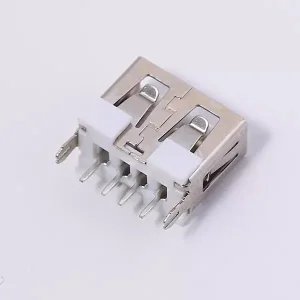
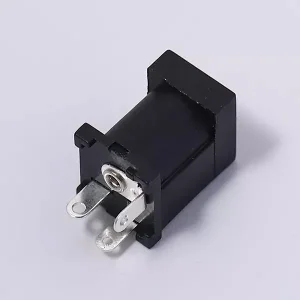
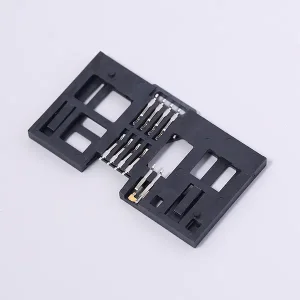
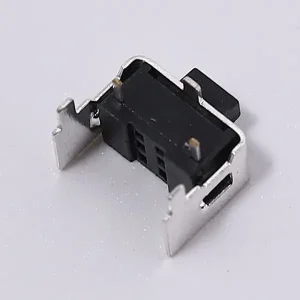
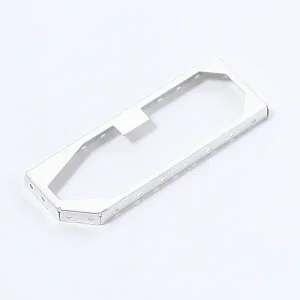
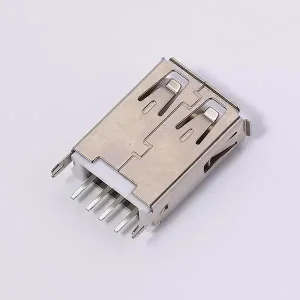
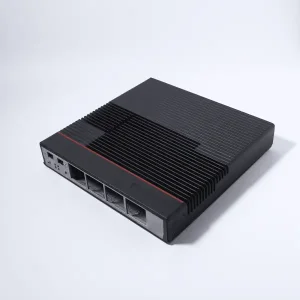
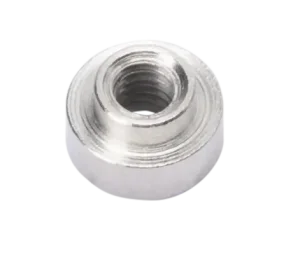
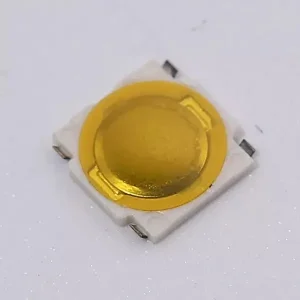
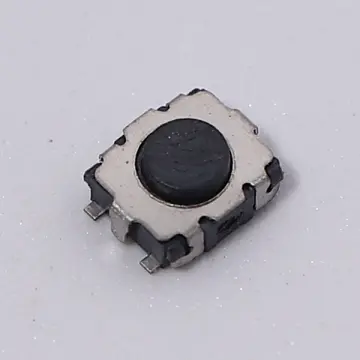
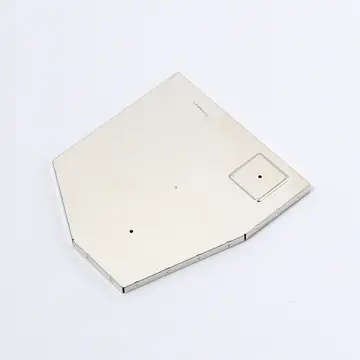
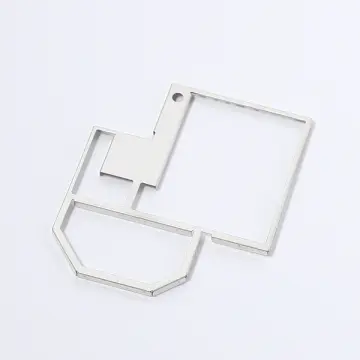
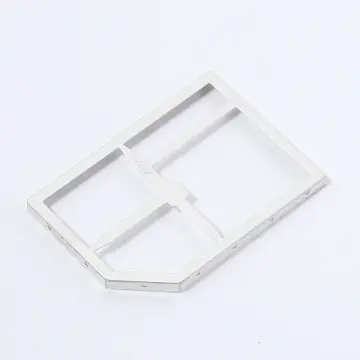
At Stpete Electronics, precision is standard operating procedure. We have fully equipped lines to produce RF TERMINALS, FCB NETWORK JACKS, DC POWER OUTLETS, USB SOCKETS, AV PIN JACK BOARDS, and high-efficiency RADIATORS. Our manufacturing footprint features heavy-tonnage punching presses and computerized CNC machining centers that deliver micron-level accuracy.
To secure raw material reliability and confirm final product safety, we use Coordinate Measuring Machines (CMM), optical projectors, and thermal resistance test suites. We run sequential inspections throughout our assembly lines to identify anomalies early. Stpete proudly carries ISO 9001, ISO 14001, and ISO 45001 certificates, holds more than 20 patents, and partners with major Chinese brands including Huawei and Hisense.
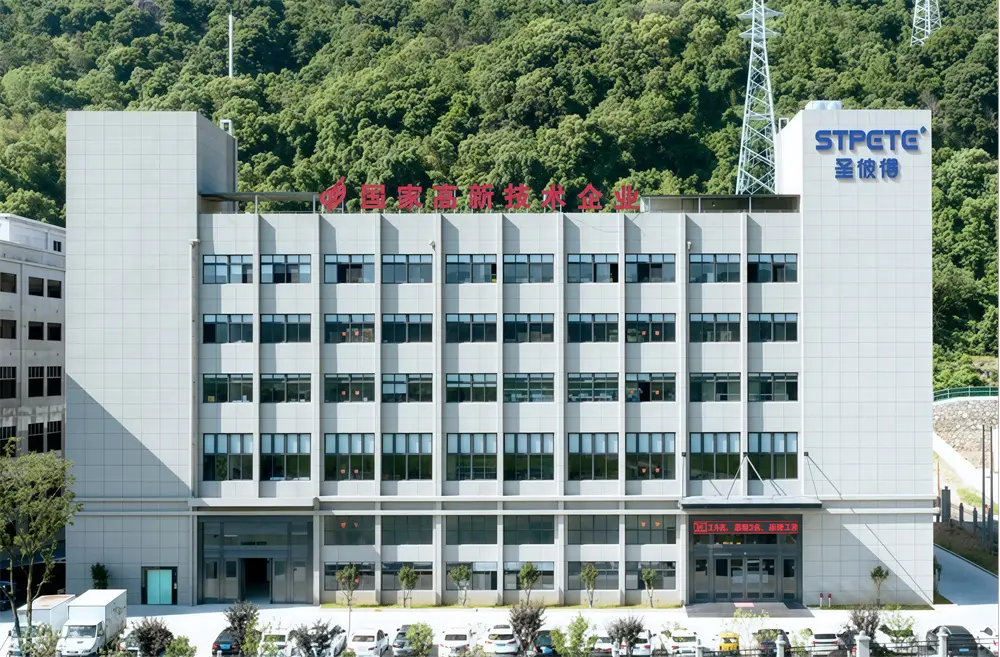

Our commitment to tech leadership forms our growth strategy. By reinvesting in machinery and recruitment, we build production reliability from the ground up:
A closer look at the three pillars driving Wenzhou Stpete Electronics Technology's industry-leading positions.
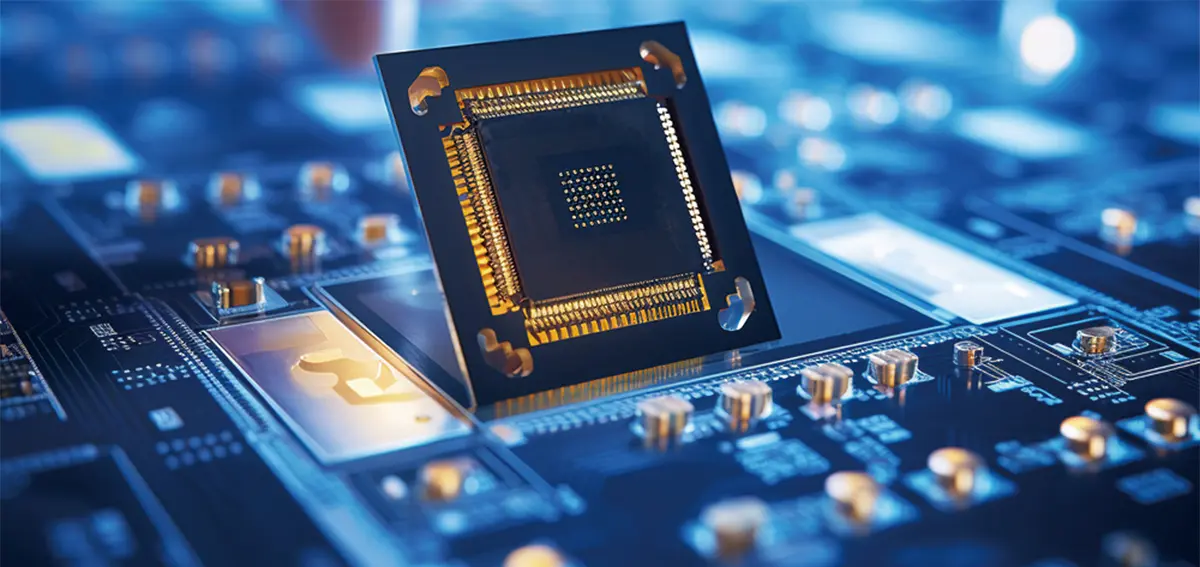
Backed by 30+ dedicated engineers, an annual R&D investment of 15 million yuan+, and 21 patents, our engineering team continuously designs next-generation connector interfaces and high-performance radiators.
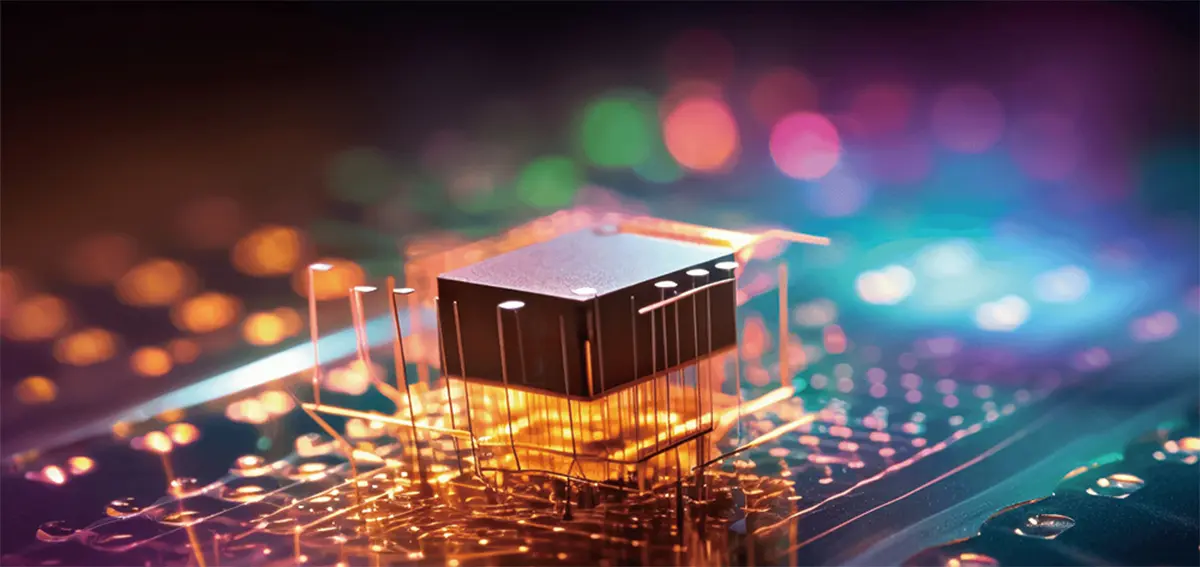
Quality remains our guiding principle. We maintain tight tolerances at every stage, from material verification to final pressure tests and corrosion checks, ensuring our components perform reliably over their lifecycle.

By leveraging automated stamping, insert molding, and robotized assembly, we scale high-volume production runs with consistent output, serving key tech brands worldwide.
A unified team is the cornerstone of quality engineering and outstanding service delivery.
Each season, Stpete Electronics organizes collaborative outdoor activities to strengthen cohesion and foster teamwork. These events, set in natural backdrops, provide a venue for building team spirit away from the daily operations of the facility.
Our collaborative activities focus on shared problem-solving and trust-building exercises. They encourage team members to communicate openly, work across departments, and support one another in achieving team goals. This investment in our people boosts morale, increases motivation, and translates directly into better service and care for our customers.
Discover our comprehensive product line, manufactured under ISO certifications for globally distributed systems.
Original precision electronics array supporting robust physical interface control.
Explore technical explanations, procurement procedures, and thermal engineering parameters.
For inquiries about our products or custom price lists, please reach out to us. We will get back to you with a comprehensive quote within 24 hours.
Submit Inquiry Stpete Electronics