In modern electronic design, the demand for compact, high-efficiency, and thermally stable enclosures is growing exponentially. Aluminum heat sink plates serve as the structural backbone for dissipation, ensuring that high-frequency semiconductor devices, RF modules, power switches, and automotive control units operate within defined junction temperature parameters.
By applying controlled electrochemical anodization, manufacturers deposit a protective and functional aluminum oxide (Al₂O₃) layer onto the surface of heat sinks. This micro-porous oxide coating enhances thermal radiation properties, increases chemical resistance, and provides critical dielectric isolation, ensuring safe operation under high-power densities.

Explore our industrial-grade connectors and thermal interface plates compliant with global certification guidelines.
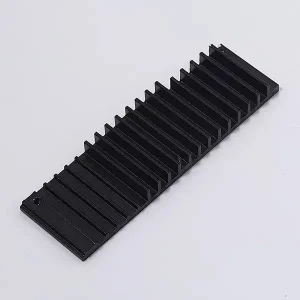
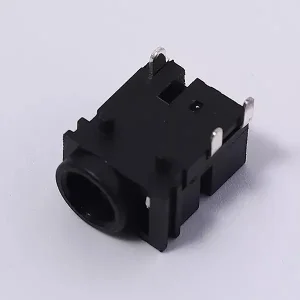
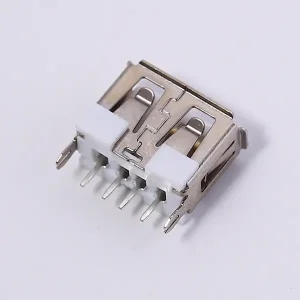
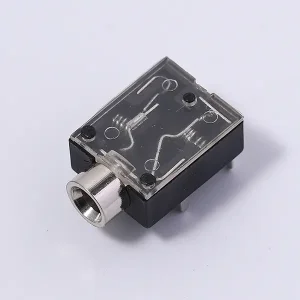
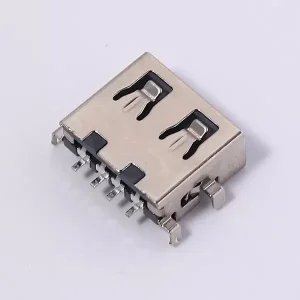
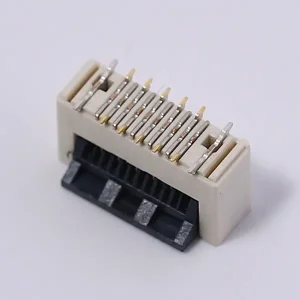
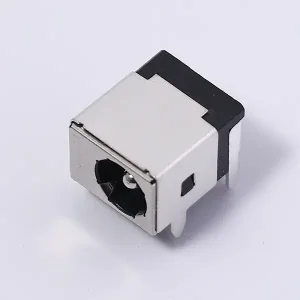
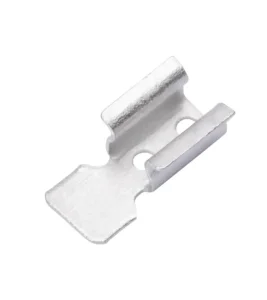
Established in 2005, Wenzhou Stpete Electronics Technology Co., Ltd. has developed into a premier, high-tech manufacturer specializing in the research, mechanical development, production, and international distribution of precision electronic connectors, high-accuracy interface modules, and custom heat dissipation panels.
Our company has built a reliable global network serving Tier-1 telecommunications providers and consumer electronics brands. Driven by strict standards of engineering execution, our research facility works directly alongside industry leaders like Huawei and Hisense to pioneer modular connection components and integrated passive cooling frames.
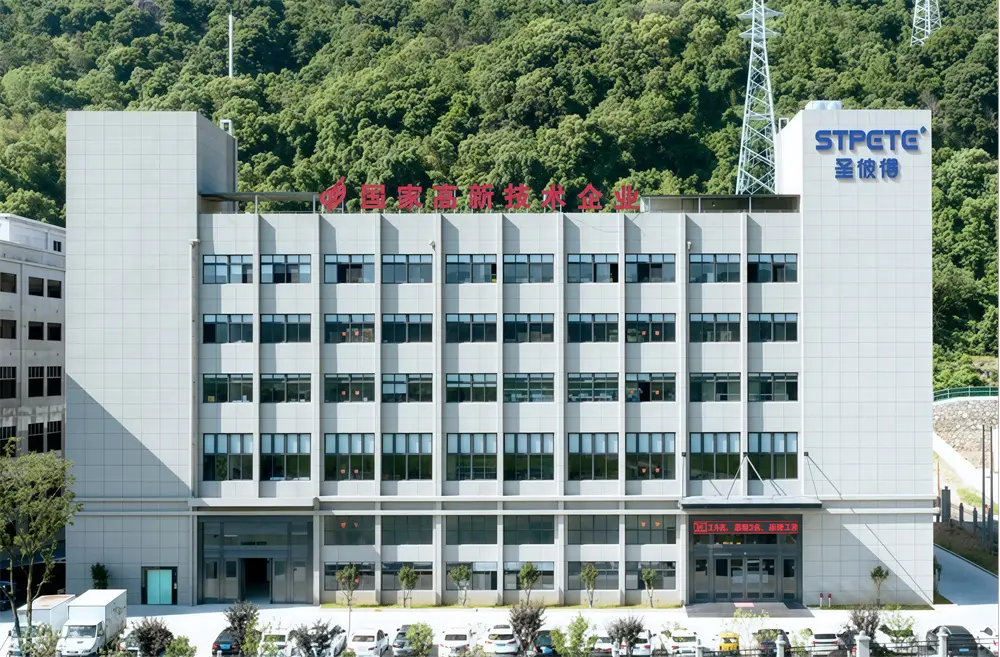
Comparative analysis of raw material grades, chemical composition, and performance metrics for B2B procurement engineers.
Selecting the correct aluminum alloy determines the thermal performance and longevity of mechanical enclosures. At Wenzhou Stpete Electronics, we optimize raw alloys such as 6061-T6 and 6063-T5 to provide high mechanical strength, corrosion immunity, and excellent thermal conductivity.
| Alloy Designation | Thermal Conductivity (W/m·K) | Tensile Strength (MPa) | Anodizing Thickness Range | Typical Application |
|---|---|---|---|---|
| 6063-T5 | 200 - 209 | ≥ 186 | 10 μm - 25 μm | Intricate extruded fin patterns for micro-processors and RF modules. |
| 6061-T6 | 167 - 180 | ≥ 310 | 15 μm - 40 μm | Heavy-duty industrial structural panels, automotive power blocks. |
| 1050 / 1060 (Pure Al) | 220 - 230 | ≥ 75 | 5 μm - 15 μm | Stamped cold plates with lower structural load requirements. |
Standard mill-finish aluminum is susceptible to corrosion and features an emissivity value of roughly 0.05. Controlled anodization changes the surface structure by developing an structured matrix of aluminum oxide pores. This electrochemical refinement:

Aligning thermal performance with application requirements in demanding environments.
5G active antenna units (AAUs) run on high frequencies and emit significant heat. Wenzhou Stpete designs and manufactures custom heat sinks and connectivity arrays that operate reliably in outdoor environments. By selecting corrosion-resistant Type II sulfuric acid anodized finishes, we ensure that our plates resist weather damage and remain thermally efficient over a long operational lifespan.
Electric vehicle on-board chargers (OBC) and power distribution units (PDU) generate rapid heat spikes. Our CNC-machined anodized aluminum plates maintain flatness tolerances of ≤0.05 mm. This flat interface ensures uniform contact with thermal interface materials (TIMs), eliminating localized hotspots and preventing thermal runaway.
Variable frequency drives (VFD) and high-power switch systems require robust insulation. Anodized thermal plates provide dual-action value: they dissipate high heat fluxes while acting as an electrical barrier to protect surrounding circuitry.
Modern commercial lighting fixtures rely on anodized aluminum base boards to manage thermal load. Our plates prevent color shifting and premature luminance degradation by maintaining low junction temperatures across the array.
Combining vertically integrated manufacturing with automated QC systems.
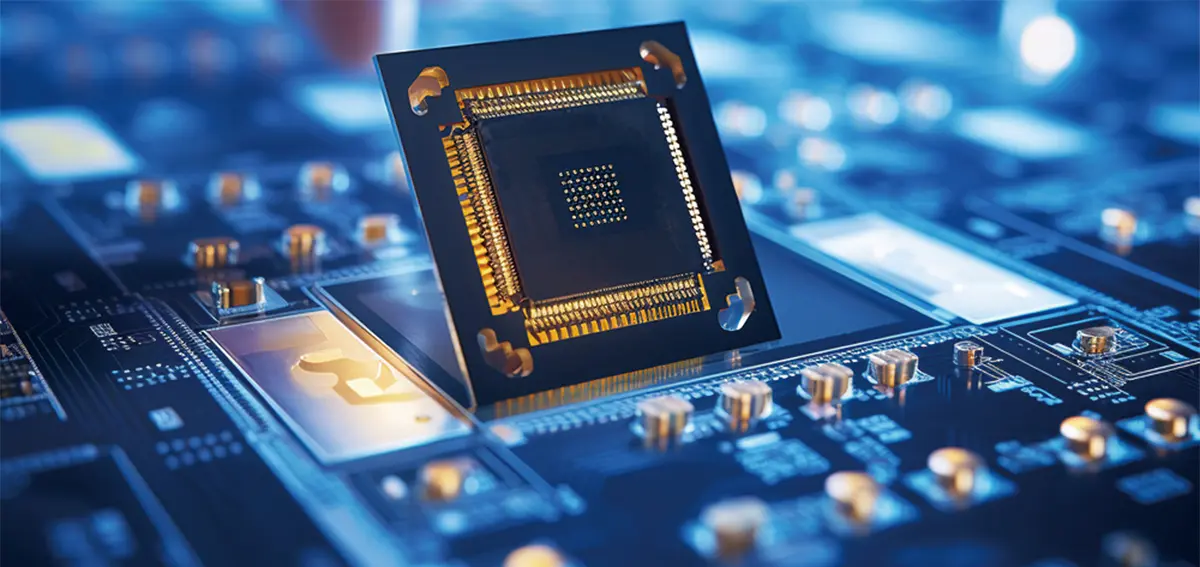
Supported by over 30 technical R&D specialists, Stpete invests more than 15 million RMB annually into technical development. Holding 21+ active research and design patents, we continuously refine our manufacturing technologies.
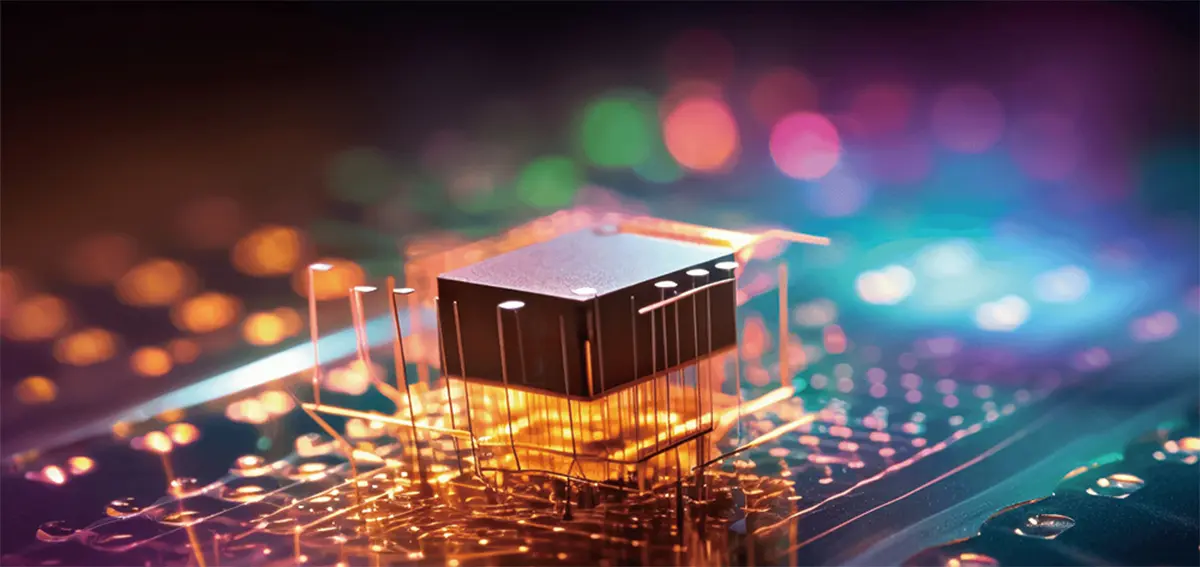
From raw material testing to final product shipping, we inspect each component step-by-step. Our testing laboratories utilize Coordinate Measuring Machines (CMM) and salt spray chambers to ensure structural and dimensional reliability.

Equipped with insert molding, automatic assembly lines, and high-speed progressive die stamping machines, our facility balances volume capacity with consistent mechanical precision.
For electronic systems entering European markets, CE certification represents a mandatory safety and performance declaration. Heat sink plates and their associated connectivity assemblies must meet the requirements of EU directives. Wenzhou Stpete Electronics ensures compliance by:
We support global supply chains with flexible delivery options. Stpete provides DDP, CIF, and FOB terms, complete with formal material certification sheets, SGS inspection reports, and structured export declarations. Our custom packaging maintains the structural finish of anodized surfaces, preventing transport abrasions.
Our technical support team assists client engineers with design reviews (DFM), suggesting minor design adjustments that reduce production costs while maintaining thermal and mechanical performance.
Detailed technical answers to common engineering questions regarding manufacturing tolerances, thermal properties, and compliance.
Anodization creates a controlled aluminum oxide layer that acts as both a thermal interface and a dielectric insulator. Thicker anodized coatings (e.g., >30 μm) increase electrical insulation and dielectric breakdown voltage. However, because aluminum oxide has lower thermal conductivity than the raw alloy, excessive thickness adds slight thermal resistance. For typical electronics, an anodizing layer of 10 to 20 μm balances electrical insulation with high heat dissipation.
Using our CNC machining centers, we maintain standard tolerances of ±0.02 mm for critical dimensions. Critical surface flatness can be controlled down to ≤0.05 mm, minimizing air gaps between the heat sink and the components to improve overall heat transfer efficiency.
Strictly speaking, passive heat sinks are classified as mechanical components rather than active electrical devices, meaning they do not require standalone CE markings. However, if a heat sink includes integrated active components (like cooling fans) or is sold as part of an electrical assembly, it must meet LVD and EMC safety requirements. Stpete provides full chemical and physical test reports to simplify final CE compliance auditing for your complete system.
We check coating quality through multiple testing steps. Eddy current thickness gauges verify coating thickness consistency, while color spectrometers monitor finish uniformity. We also perform copper sulfate spot testing to evaluate seal quality, and execute salt spray exposure tests to verify corrosion resistance in marine or industrial environments.
Providing high signal integrity and thermal stability for heavy-duty system integrations.
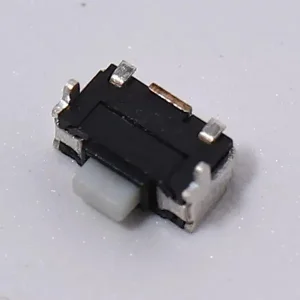
Receive comprehensive technical specifications and project pricing estimates within 24 hours.
 Stpete Electronics