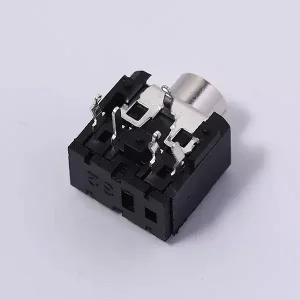
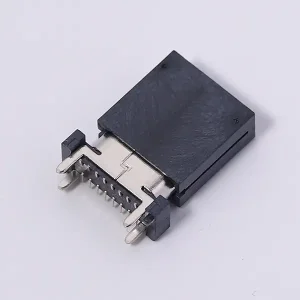
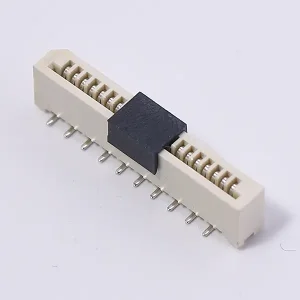
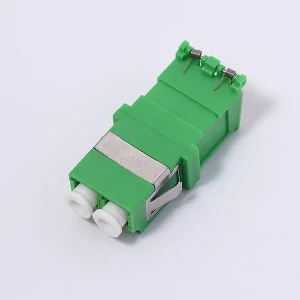
Explore our foundational range of CE-certified fiber optic interfaces, connectors, and precision-engineered electronic switch assemblies.
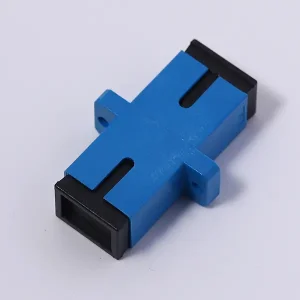
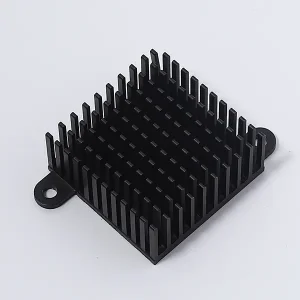
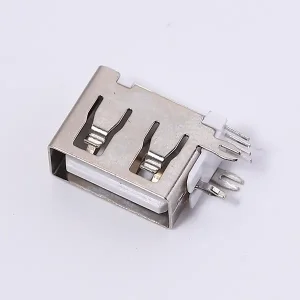
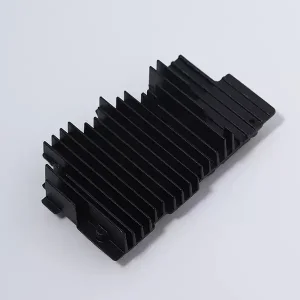
Analyzing thermal dissipation, EMI mitigation, and mechanical accuracy in telecommunication infrastructure.
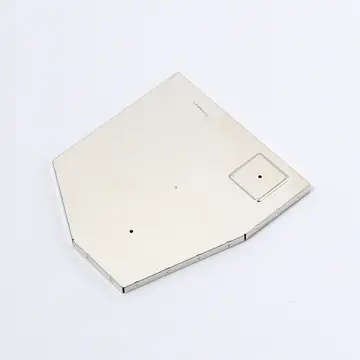
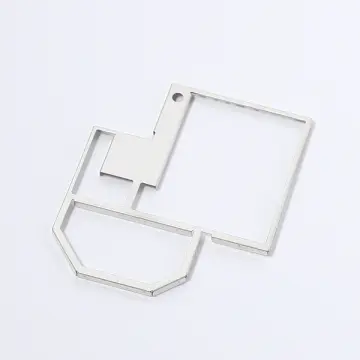
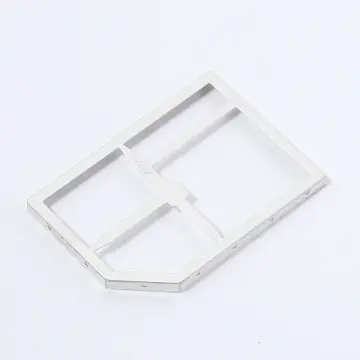
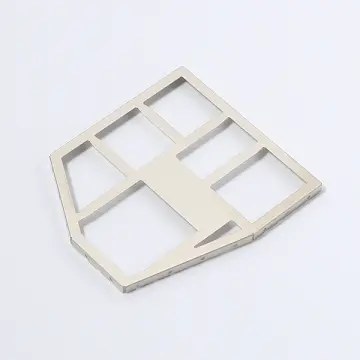
In the era of hyper-scale data centers, 5G deployments, and emerging AI computing clusters, high-speed optical transceivers serve as the critical bottleneck for data transmission. Operating at transmission speeds ranging from 100G and 400G up to 800G and 1.6T, these transceivers generate substantial thermal energy and are highly sensitive to electromagnetic interference (EMI). The metal optical module housing is not merely a protective outer shell; it is a vital functional component designed to ensure structural rigidity, continuous heat dissipation, and comprehensive EMI shielding.
“As optical transmission speeds scale towards 1.6 Terabits per second, thermal loads inside SFP, QSFP-DD, and OSFP formats exceed sustainable thresholds without advanced zinc and aluminum alloy enclosures engineered to sub-micron tolerances.”
Global procurement teams face the stringent task of sourcing housings that align perfectly with multi-source agreements (MSAs) while carrying regulatory markings like the CE mark. This certification guarantees compliance with essential European safety, health, and environmental protection requirements, serving as a baseline index of design reliability and manufacturing quality. Stpete Electronics addresses these requirements by integrating state-of-the-art die-casting, high-precision CNC machining, and automated plating techniques to deliver market-leading optical module enclosures.
High-conductivity metals (such as refined zinc alloys and aluminum) facilitate rapid heat dissipation from internal laser diodes (DFB, EML) and DSPs directly to the external cage and heatsink structure, preventing thermal runaways.
Integrated electromagnetic gaskets, conductive elastomeric seals, and precisely machined interlocking seams block high-frequency radiation. This ensures your systems comfortably satisfy FCC and CE EMC directives.
Utilizing high-end CNC centers and progression mold sets, our housings maintain dimensional deviations of less than 0.01mm. This guarantees effortless docking with host cages and prevents fiber misalignments.

A High-Tech Enterprise Specialized in Development, Production, and Sales of Electronic Connectors.
Established in 2005, Wenzhou Stpete Electronics Technology Co., Ltd. has dedicated over two decades to pioneering interconnect and connection hardware solutions. Through consistent product quality and efficient international trade services, we have developed a solid reputation across mainland markets, Europe, North America, and East Asia. We operate as a high-tech manufacturing node specializing in precision-stamped contacts, injection moldings, and specialized metal alloy housings.
Our long-term R&D efforts are supported by a strong domestic presence, including direct collaborations with leading global brands such as Huawei and Hisense. Our dedication to innovation enables us to continuous refine our processing methodologies, translating complex industrial specifications into reliable high-volume production.
How we integrate testing rigors and manufacturing capabilities to support demanding infrastructure needs.
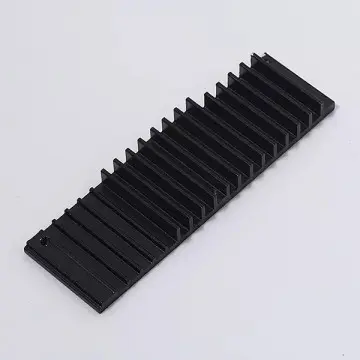
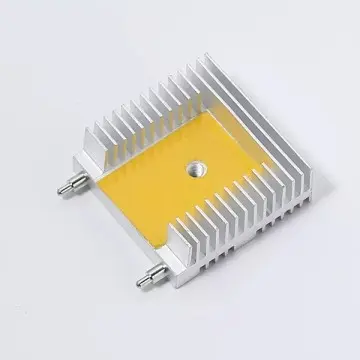
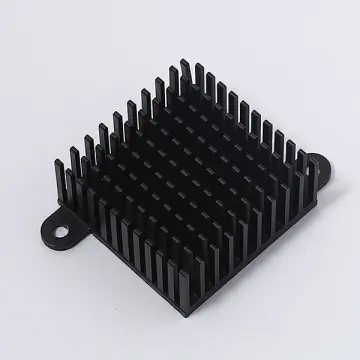
Stpete operates a comprehensive facility featuring specialized machinery to manufacture IF Radio-Frequency Terminals, FCB Network Jacks, DC Power Outlets, USB Sockets, AV Pin Jack Boards, and Radiators. Our CNC centers and punching machinery ensure high precision and repeatable dimensional accuracy. An integrated quality control framework oversees incoming material inspection and final audits to ensure compliant shipments.
Our facilities operate under ISO 9001, ISO 14001, and OHSAS 18001 standards, supported by a portfolio of proprietary utility patents. We maintain an engineering team of more than 20 R&D specialists who work closely with telecommunications laboratories to ensure compatibility with high-performance transceivers.
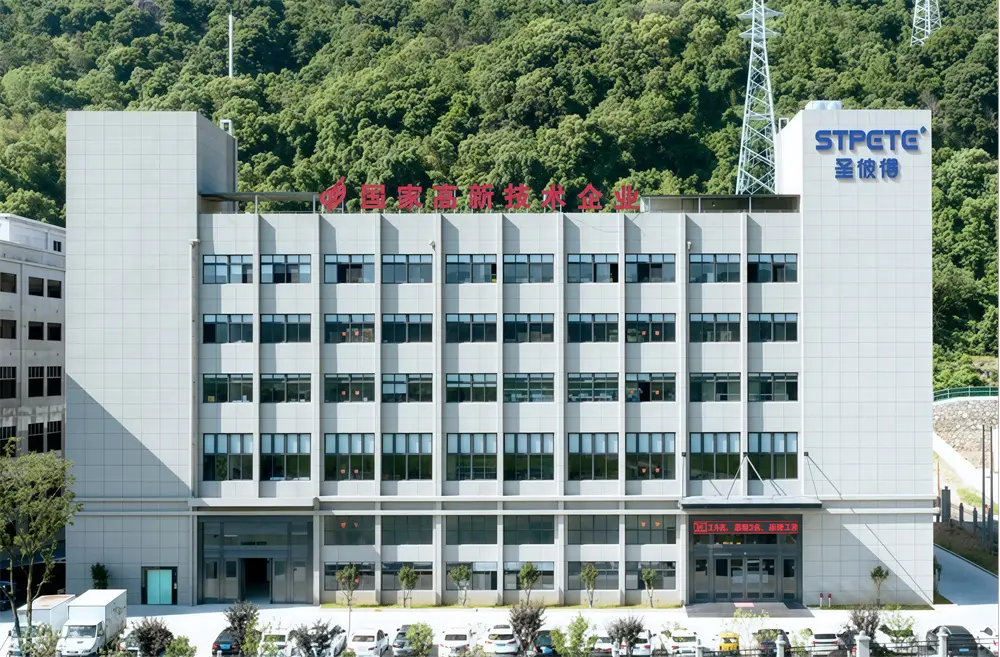

Over 30 technical R&D personnel, backed by an annual investment exceeding 15 million RMB. We hold more than 21 active utility and design patents.
Our quality management workflow encompasses raw material analysis, production line checkpoints, and automated dimensional testing to ensure consistent outputs.
Integrating insert molding, multi-axis machining, and automated packaging lines to meet complex requirements and large-scale order volumes.
How modern production methods reduce lead times and improve quality control in precision manufacturing.
The global electronics supply chain faces persistent challenges, ranging from raw material fluctuations to logistics bottlenecks. In this environment, China's precision manufacturing sector has transitioned from assembly-focused operations to integrated smart factories. This transformation underpins our production capabilities at Stpete Electronics, where we deploy digital process monitoring to track quality metrics in real time.
By integrating tool design, alloy die-casting, CNC milling, and surface electroplating within a closely managed regional ecosystem, we significantly reduce manufacturing lead times. This vertical integration allows us to adjust configurations rapidly to meet updated customer requirements without stalling active production schedules.
“Supply chain resilience relies on rapid iterations. By combining mold engineering, casting, and surface finishing under a single management system, we reduce delivery times from weeks to days.”
Furthermore, local access to specialized raw materials, including high-purity zinc and specific copper formulations, shields our operations from external market disruptions. This localized supply chain model ensures stable pricing and reliable delivery dates for our international partners, even during periods of global logistics volatility.
Technical precision relies directly on a coordinated workforce. To maintain alignment across our departments, Stpete runs regular hands-on training and collaborative exercises. Our summer team-building activities, set in natural environments, help build trust and improve communication between our R&D engineers, CNC operators, and quality inspectors.
These exercises encourage team members to work together to solve complex problems outside of their daily routines. The resulting collaboration carries back over to the factory floor, improving problem-solving speed and team morale. This collaborative approach directly supports our production efficiency and helps minimize manufacturing defects.
Detailed insight into our core equipment and materials processing technologies.
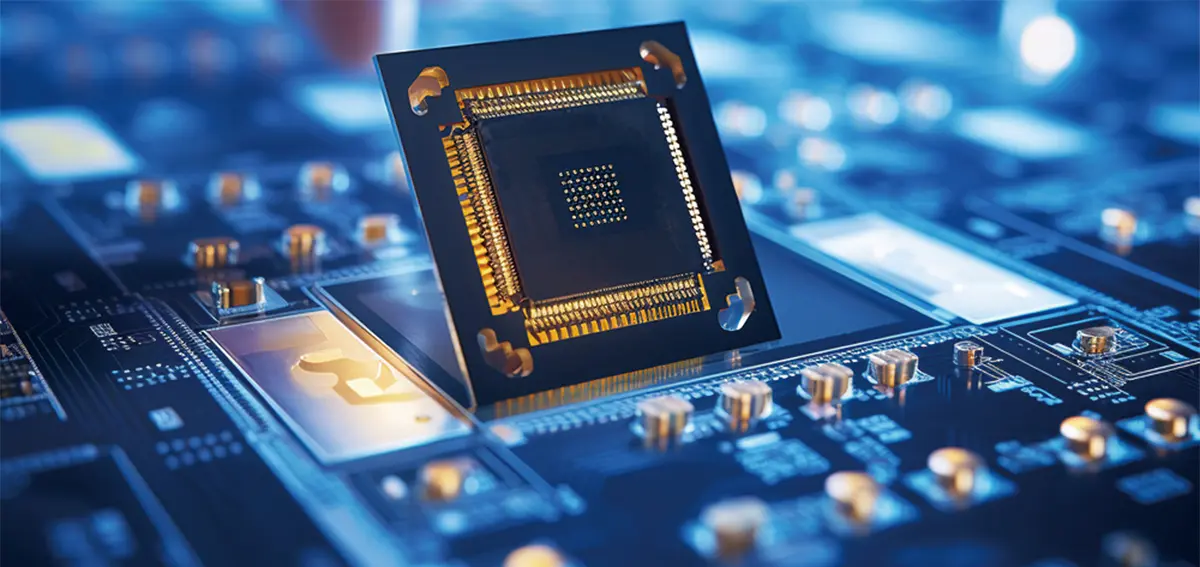
Our engineers use specialized modeling software to run thermal and EMI simulations. This allows us to optimize geometries before cutting any tool steel, reducing prototyping cycles.
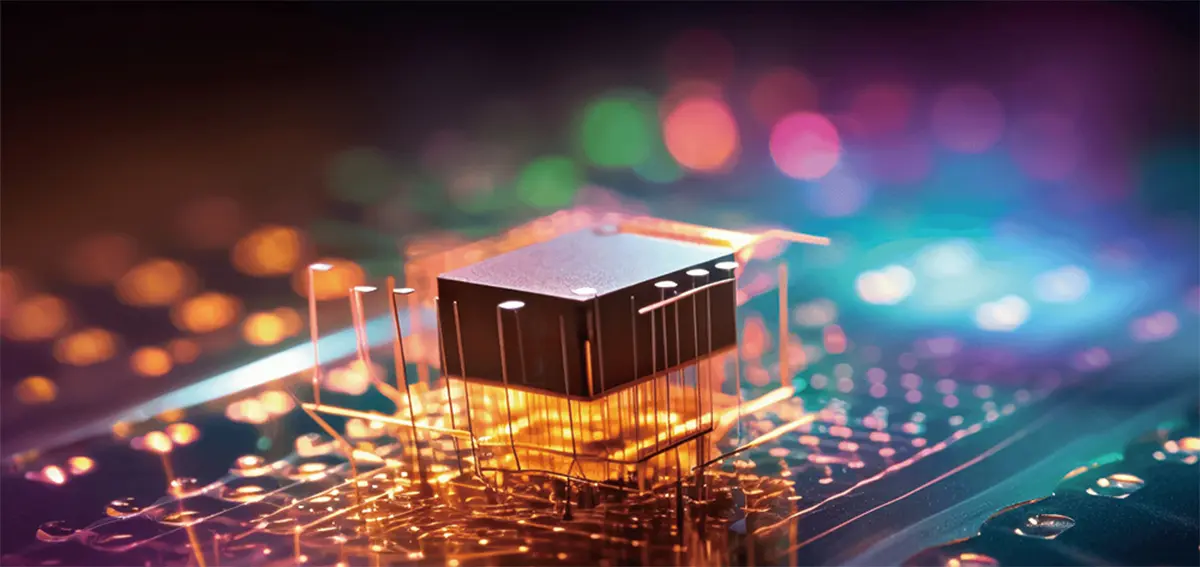
Our Quality Assurance department monitors dimensions using coordinate measuring machines (CMM) and verifies plating thickness using X-ray fluorescence (XRF) instruments.

Automated insert molding and stamping processes ensure high consistency and throughput for high-pin-count interconnect components, reducing manual handling errors.
Examining how high-speed data transceivers perform across different environments and regions.
Optical communications are expanding beyond traditional telecommunication centers. Today, they support diverse applications including high-frequency trading platforms, edge processing nodes, undersea optical repeaters, and automotive Ethernet systems. Each of these settings places unique mechanical and environmental demands on the transceiver's metal housing.
For example, in marine and coastal installations, high humidity and salt spray accelerate galvanic corrosion between the metal housing and the host cage. To prevent premature wear, we apply specialized nickel-over-copper electroplating to our zinc-alloy housings. This finish provides long-term corrosion resistance while maintaining low contact resistance across grounding points.
In contrast, industrial automation settings expose components to mechanical vibrations and thermal swings. Here, our SFP and QSFP housings rely on high-yield-strength alloys to prevent mechanical distortion. This ensures the optical interface remains aligned under continuous mechanical stress.
“Whether deployed in a temperature-controlled cloud data center or an unconditioned edge computing node, the structural integrity of the metal housing directly impacts overall link stability.”
By analyzing these varied operating conditions, Stpete assists customers in choosing the optimal alloy composition and surface finish. This engineering support helps prevent field failures and extends the operational life of the interconnect hardware.
Supports low-loss links in dense QSFP-DD and OSFP setups, where close spacing requires reliable thermal dissipation.
Provides robust grounding and EMI shielding across extended fiber spans, reducing link errors.
Ensures mechanical stability and dust resistance in environments subject to vibration and particulate exposure.
Lightweight alloy housings designed to handle temperature extremes and vehicle vibrations.
Addressing common queries regarding materials, compliance, and custom manufacturing options.
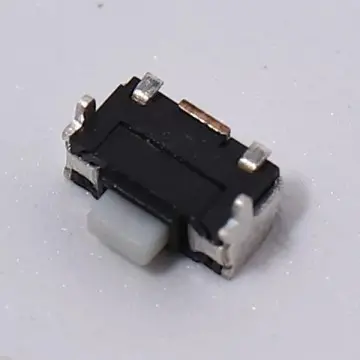
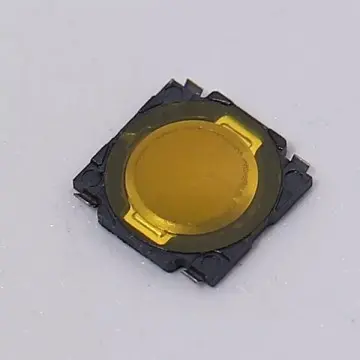
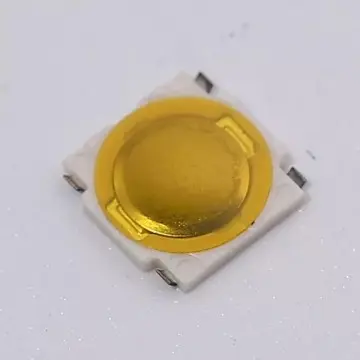
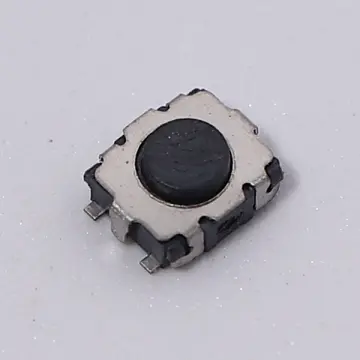
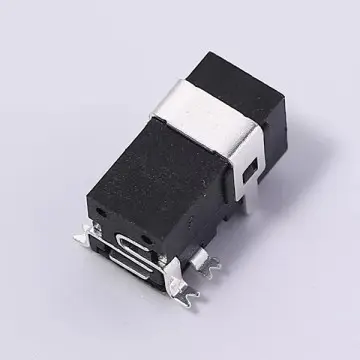
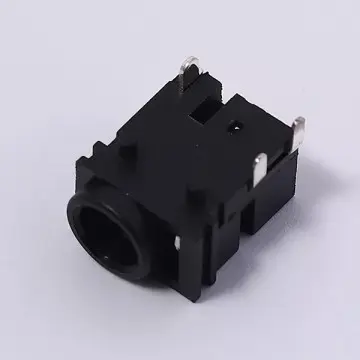
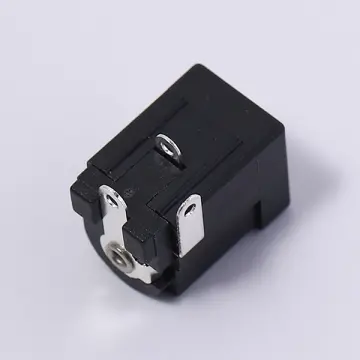
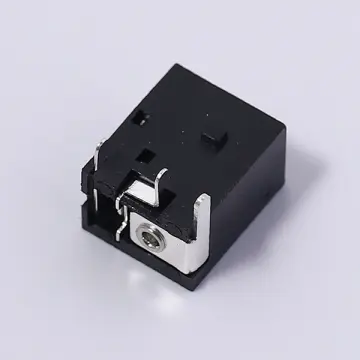
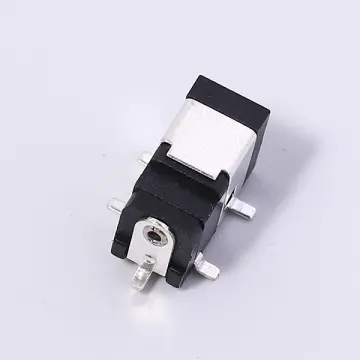
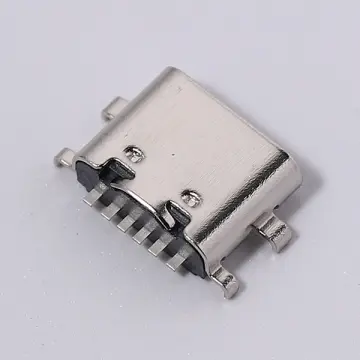
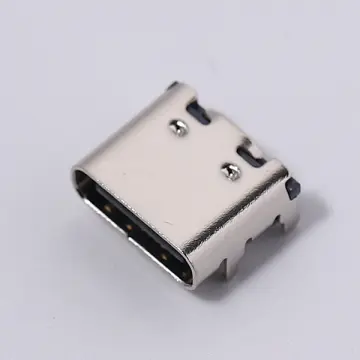
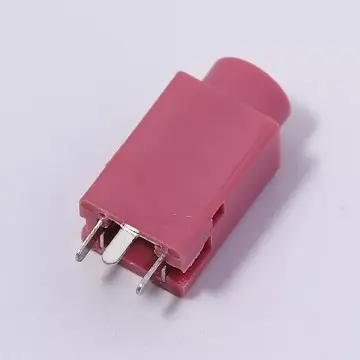
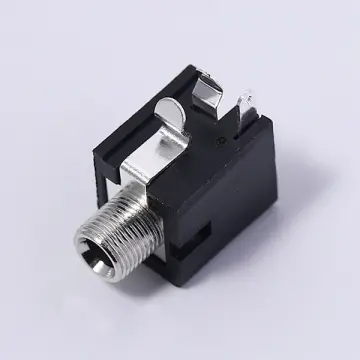
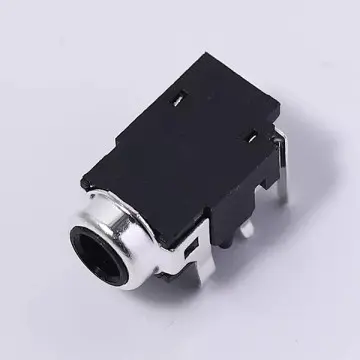
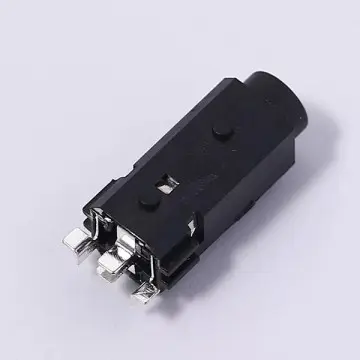
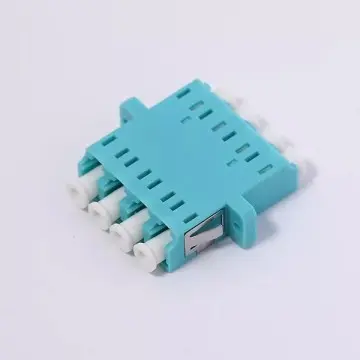
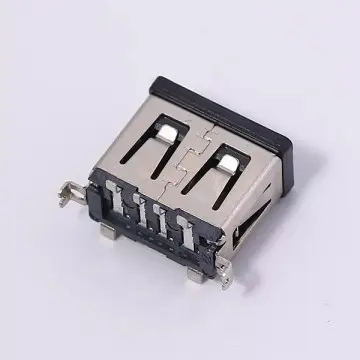
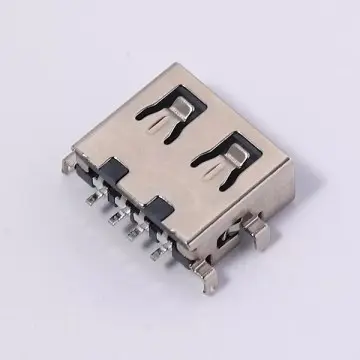
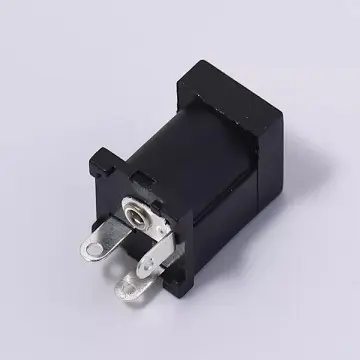
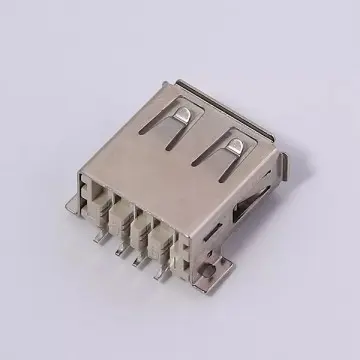
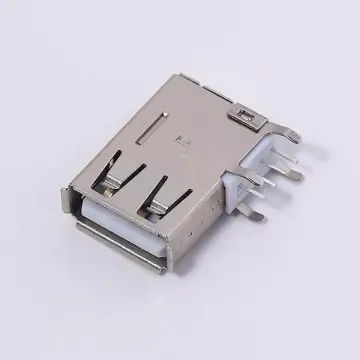
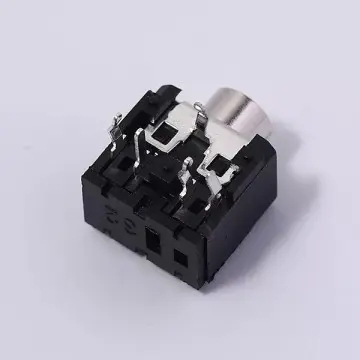
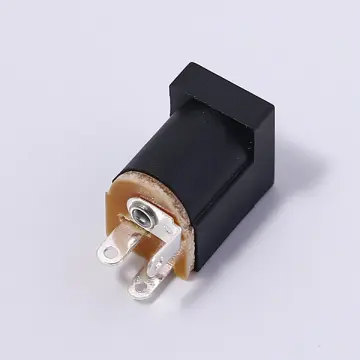
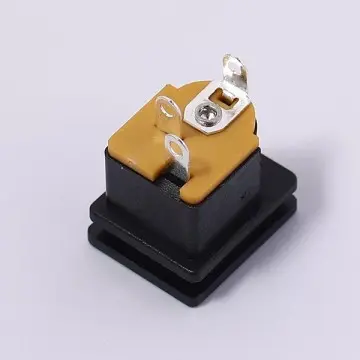
A selection of our network jacks, sub-assembly connectors, and tactile switches manufactured to ISO specifications.
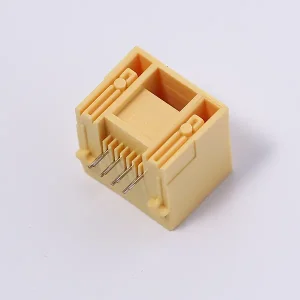
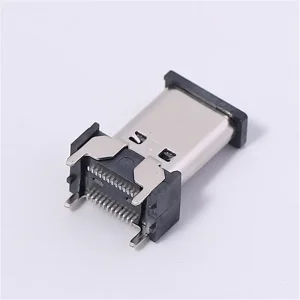
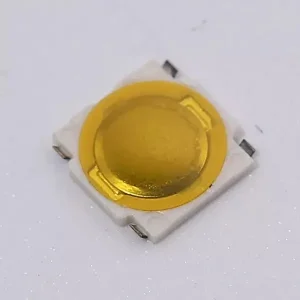
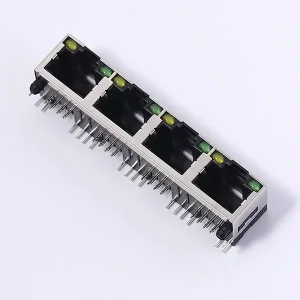
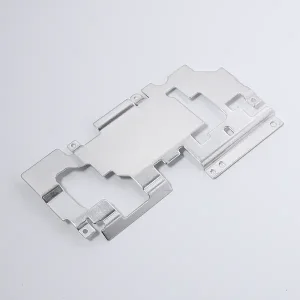
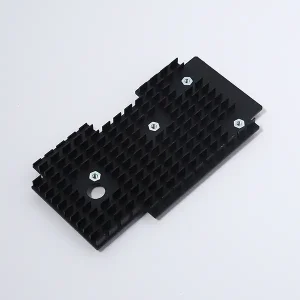
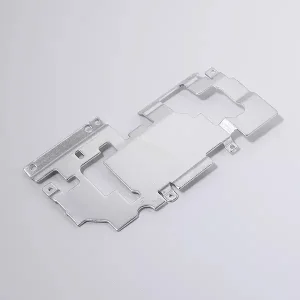
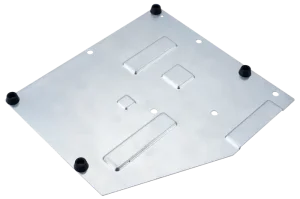
Direct access to our certified electrical interfaces, micro-switches, and specific hardware designations.
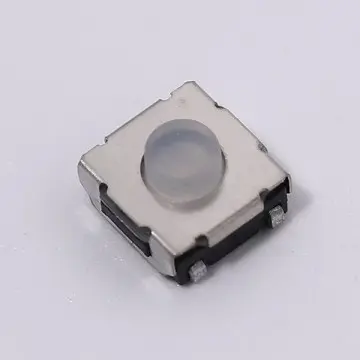
For custom housing profiles, detailed material specifications, or technical consultations, contact our technical sales team for a response within 24 hours.
Submit RFQ / Inquiry Stpete Electronics