Analyzing the Technical Imperatives, Global Regulatory Hurdles, and Supply Chain Optimizations in Modern Electronics Cooling Assemblies.
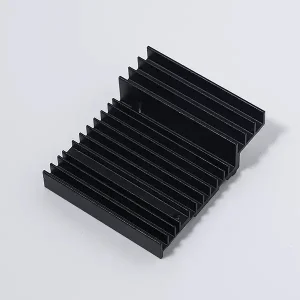
In the contemporary industrial ecosystem, digital acceleration and structural electrification have catalyzed unprecedented demands on thermal engineering. From localized telecom systems to dense high-performance computing centers, dissipation of waste heat is no longer merely a system durability parameter; it is a critical system bottleneck. The rise of multi-gigawatt server clusters, electric vehicle power conversion blocks (IGBT modules), and industrial 5G telecom architectures requires thermal performance limits that traditional extrusions cannot achieve.
Consequently, global buyers seek manufacturers who can balance thermodynamic capacity with stringent regulatory certifications. Exporters specializing in CE-certified performance heat sinks sit at the nexus of this demand, engineering components designed to satisfy strict electromagnetic compliance (EMC) guidelines, the Restriction of Hazardous Substances (RoHS) directive, and standard mechanical endurance tests. Without these compliant heat sinks, high-wattage computing platforms risk catastrophic failure, safety decertification, or border-entry denial at European customs portals.
Thermodynamic Note: As device component sizes shrink and localized heat flux density exceeds 100 W/cm², structural reliability hinges directly on minimizing the junction-to-ambient thermal resistance (θja). Achieving this requires optimized fin layout geometries, vapor-chamber backplanes, and low-tolerance surface coplanarity.
CE (Conformité Européenne) marking indicates that products sold in the European Economic Area (EEA) have been evaluated to meet high safety, health, and environmental protection requirements. While a heat sink is structurally a passive element, its integration into larger electrical systems subjects it to rigorous oversight:
The production of state-of-the-art thermal hardware requires a blend of high-precision CNC machinery, rapid stamping cycles, and vertical integration of electrical components. Wenzhou Stpete Electronics Technology Co., Ltd. demonstrates these manufacturing efficiencies. Established in 2005, the company has spent over two decades developing high-accuracy production capabilities for structural radiators, electronic connectors, and specialized terminals.
By maintaining raw material processing, precision progressive die stamping, automatic tooling, and reliability verification within a single geographic footprint, Wenzhou Stpete Electronics significantly reduces supply chain bottlenecks. Our ISO 9001, ISO 14001, and ISO 45001-certified factory utilizes advanced high-speed punching and CNC milling systems, ensuring that heat sink mating surface flatness meets tolerances within ±0.02mm. This precision eliminates air gaps at the thermal interface, maximizing heat transfer rates for global enterprise partners.

Operating from the coastal industrial cluster of Wenzhou, China, we are a certified high-tech enterprise dedicated to the research, development, assembly, and sales of high-performance thermal management systems and micro-miniature electronic connectors.
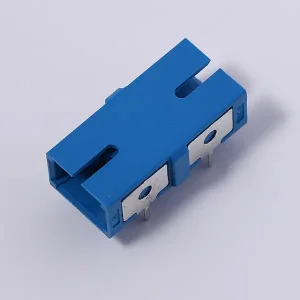
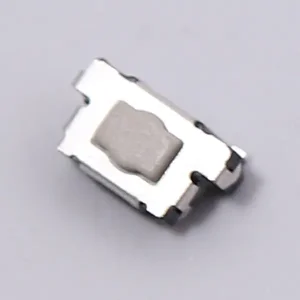
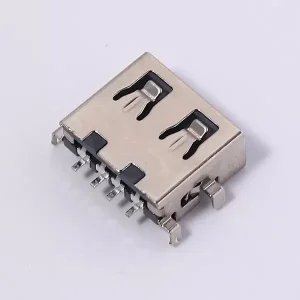
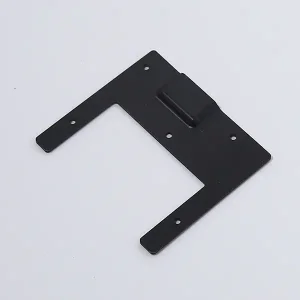
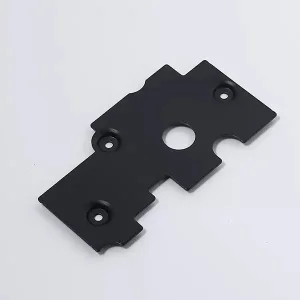
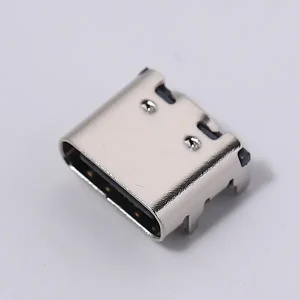
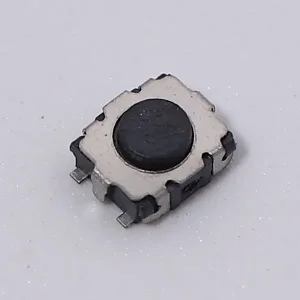
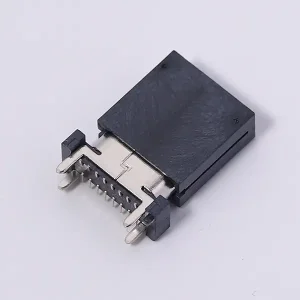
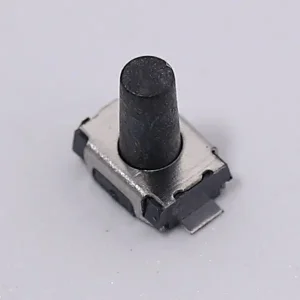
Our core product lines encompass high-density heat radiators, radio-frequency (RF) terminals, FCB network jacks, DC power inlets, micro-USB sockets, and robust AV pin jack boards. By combining high-speed progressive metal stamping with insert-molding technology, we guarantee mechanical precision and optimal performance across all operational categories.
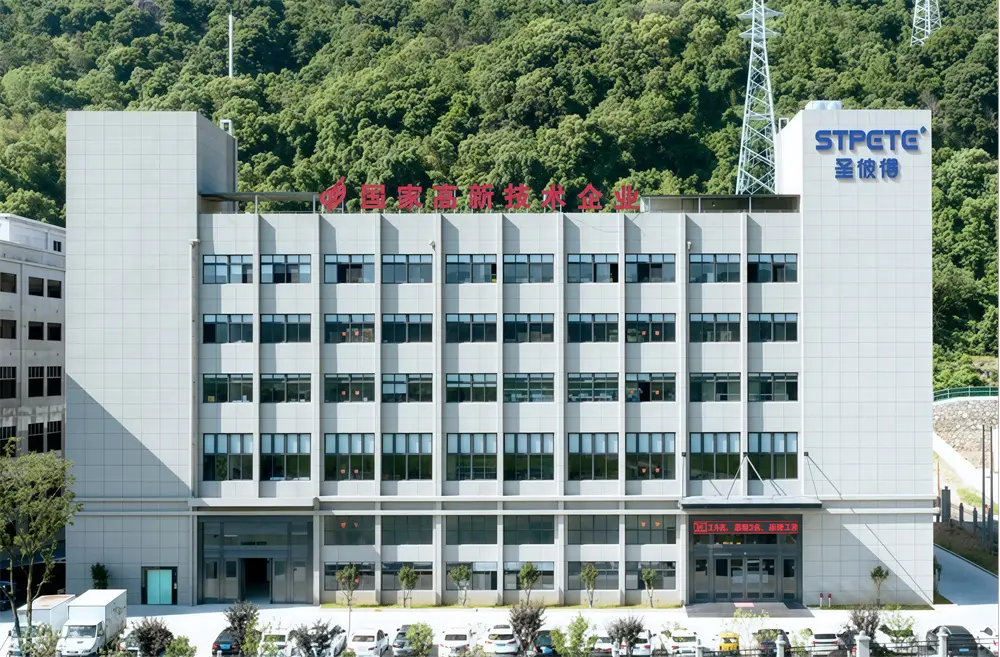
Quality control at Stpete is not an afterthought; it is integrated directly into the design process. Our product cycle—from chemical selection to CNC machining and mechanical inspection—is structured around zero-defect targets.
With an annual R&D investment exceeding 15 Million RMB and a dedicated team of over 30 engineering specialists, we maintain strategic partnerships with domestic and international tech brands, including Huawei and Hisense. Our internal laboratory utilizes coordinate measuring machines (CMM), spectrophotometers, thermal imaging tools, and salt-spray testing chambers to verify structural reliability.
Three core pillars that establish Wenzhou Stpete Electronics as a reliable global manufacturing partner.
Over 30 R&D specialists driving proprietary technology. With an annual research budget of 15 million RMB, we hold more than 21 invention and utility patents. We design custom thermal solutions and connector interfaces tailored to customer specifications.
Every production batch undergoes comprehensive inspections, starting at raw material selection and continuing through mechanical stress testing. Our processes are certified to ISO 9001, ISO 14001, and ISO 18001 standards.
Our facility features high-speed continuous progressive stamping dies, automated connector assembly lines, and specialized CNC heat-sink fin profiling tools. This integration allows us to quickly ramp up production for high-volume orders.

High-performance heat sinks are deployed across various industrial environments, each presenting unique engineering and ambient challenges:
The thermal management sector is evolving beyond traditional extruded aluminum components. Key design trends shaping the future of global procurement include:
3D Vapor Chambers (3DVCs): Traditional planar copper heat spreaders are being replaced by vapor chambers integrated directly with the cooling fins. This design utilizes closed-loop two-phase cooling, accelerating thermal transport across the Z-axis.
Graphene and Composite Coatings: High thermal conductivity graphene coatings are applied to aluminum fins to improve radiative thermal transfer, increasing overall dissipation efficiency by 8% to 15% under closed-chassis conditions.
Generative Design & DFM: Engineers are using genetic algorithms to design optimized, organic fin layouts. These designs are then evaluated using Design for Manufacturability (DFM) analyses to ensure they can be produced via cost-effective cold forging.
Engineering high-precision components requires strong internal collaboration. At Wenzhou Stpete Electronics, we foster synergy between our R&D, manufacturing, and quality control departments. We organize regular team activities to build cooperation, communication, and shared problem-solving skills outside the factory floor. This focus on teamwork ensures a motivated workforce, leading to consistent quality and reliable delivery timelines for our global customers.
Expert answers addressing the key design, compliance, and logistical considerations of international procurement managers.
A detailed view of our raw material processing and advanced production facilities.
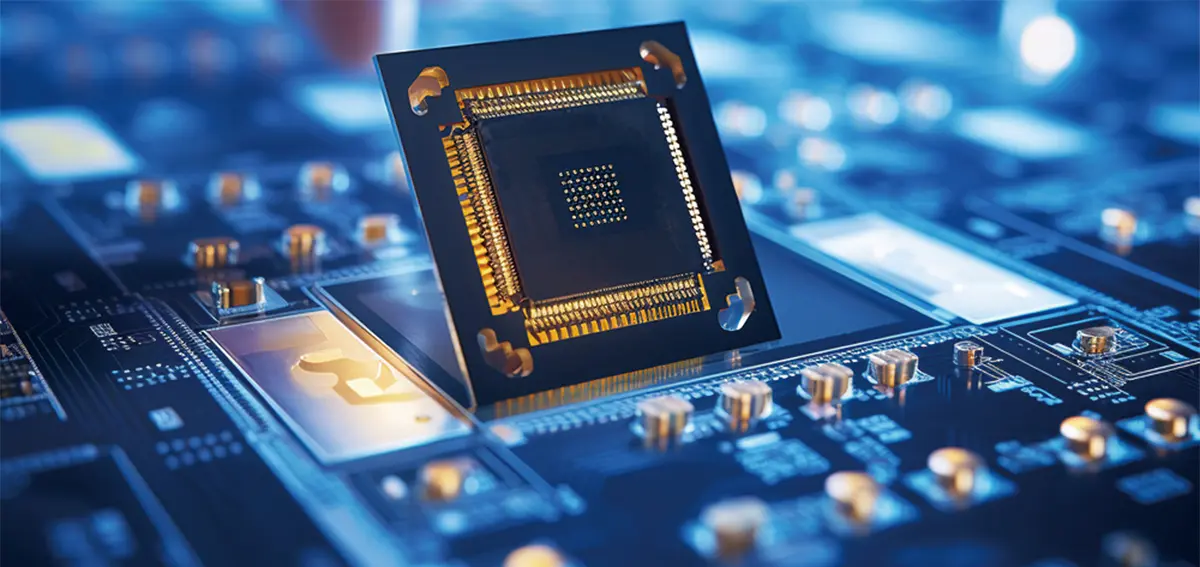
Over 30 technical engineers driving product development, with an annual investment of 15 million RMB in new designs and patents.
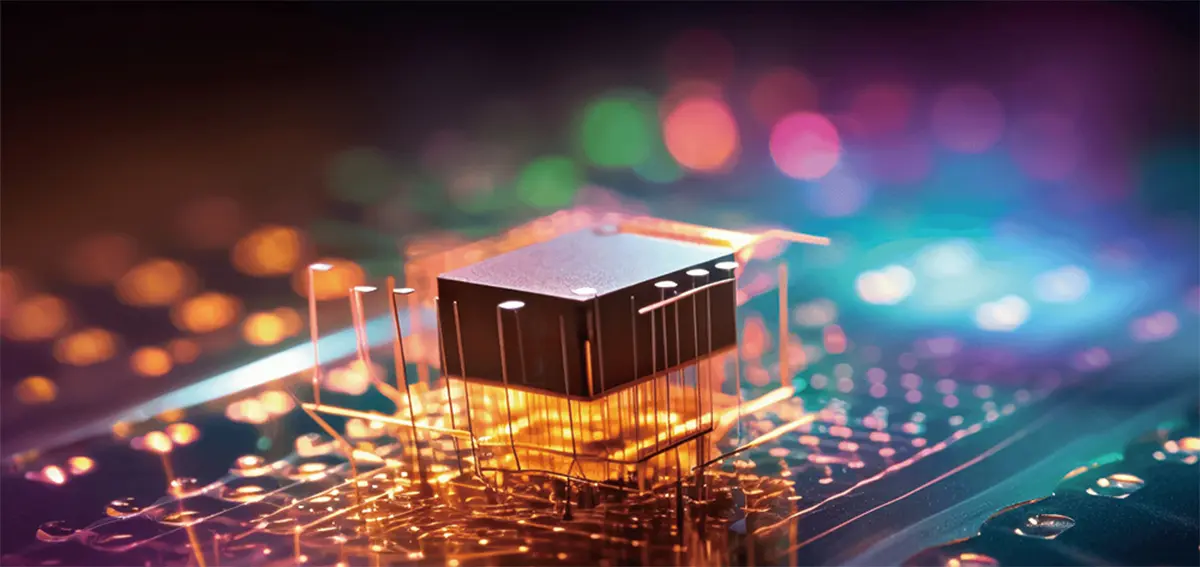
Comprehensive verification testing, from raw material validation to final physical stress tests, ensuring consistent field performance.

Automated insert molding, continuous stamping, and robotic assembly stations optimized for high-volume component manufacturing.
Submit your design specifications, CAD drawings, or compliance requirements. Our engineering team will review your project and respond within 24 hours.
Submit Design RFQ
 Stpete Electronics