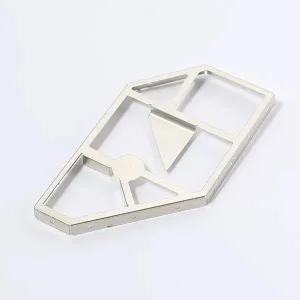
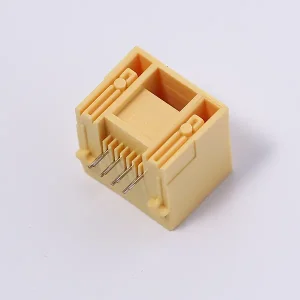
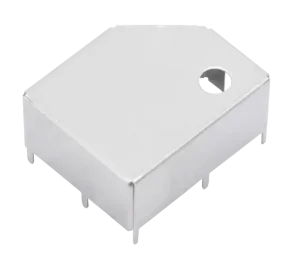
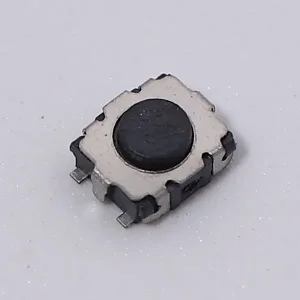
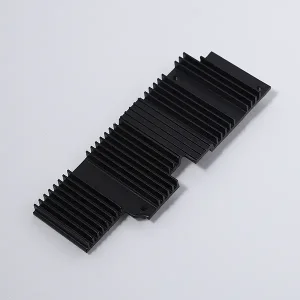
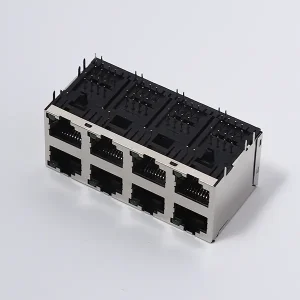
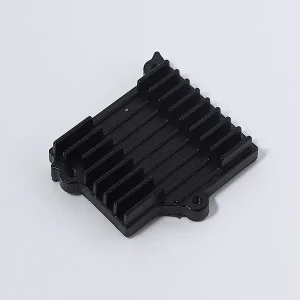
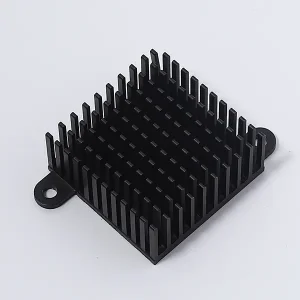
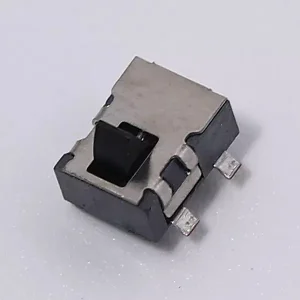
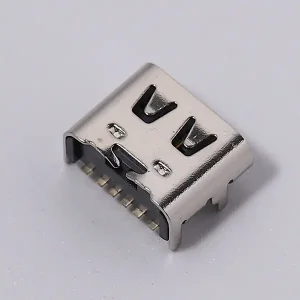
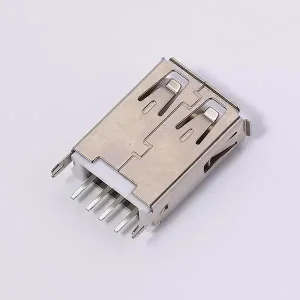
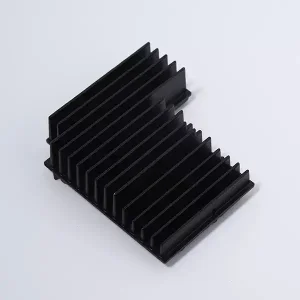
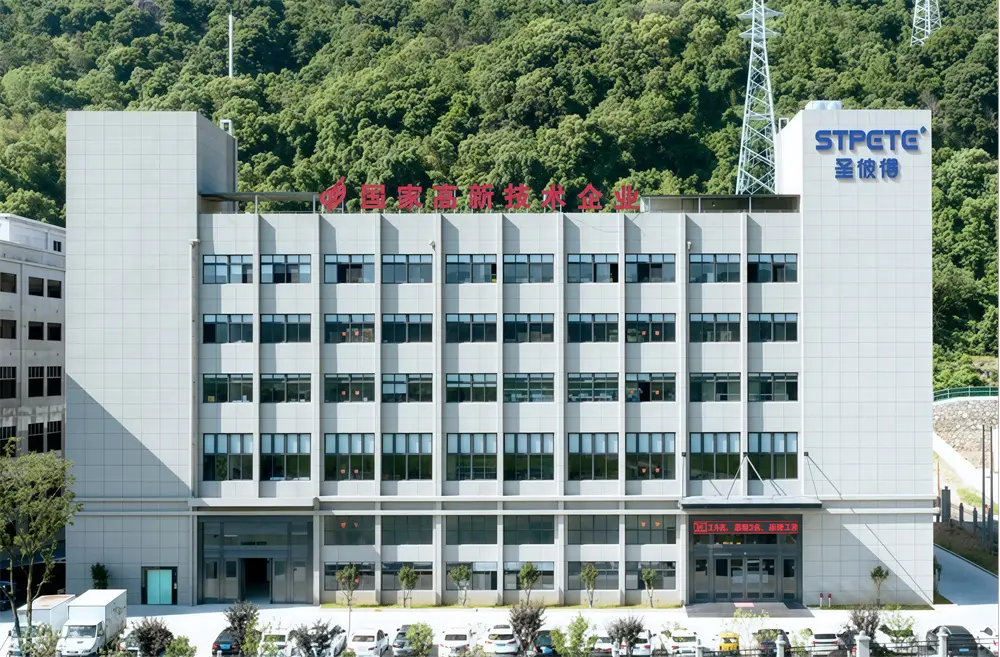
Founded in 2005, Wenzhou Stpete Electronics Technology Co., Ltd. has developed into a premier high-tech enterprise specialized in the integration of precision aluminum die casting, custom CNC machining, and high-frequency electronic connectors. Over the past two decades, we have established a strong reputation as an industry leader in supplying precision components to global giants including Huawei, Hisense, and other Fortune 500 equipment manufacturers.
By coupling our specialized alloy formulation and state-of-the-art high-pressure die casting (HPDC) equipment with advanced electronic design, Stpete provides an unmatched combination of structural reliability and electrical performance. We maintain complete vertical integration from design, simulation (using advanced mold-flow analysis tools), tool manufacturing, to high-volume production and automated surface finishes.

Sourcing die-cast parts from a specialized China factory yields major strategic advantages. Wenzhou’s advanced manufacturing zone provides a highly integrated industrial environment. From immediate sourcing of raw ingots to expert tool makers, our supply chain reduces typical lead times by 30-40% compared to Western manufacturers.
Our engineering capabilities allow us to construct high-durability H13 steel multi-cavity dies at a fraction of the cost in Europe or North America, enabling rapid ROI on new product introductions (NPI).
Using CNC machining centers alongside sand-casting mockups, we validate structural design concepts in 5 to 7 working days, facilitating agile development cycles.
Located close to Wenzhou and Ningbo ports, we utilize efficient sea, air, and rail transport corridors to ensure timely deliveries and low global shipping costs.
Modern applications require high-strength, lightweight materials with targeted thermal and electrical properties. Stpete provides precision casting services using high-grade aluminum alloys, tailored to client technical requirements:
Excellent castability, strong mechanical properties, and high dimensional stability. Widely used for complex electronics housings, brackets, and general component enclosures.
Provides an optimal balance of physical strength, corrosion resistance, and thermal conductivity. Best for automotive structural mounts, brackets, and engine components.
Engineered for high thermal load resistance and elevated temperature operations, this alloy is frequently specified for heavy industrial switchgear and LED heatsinks.
Features high silicon content, offering superb fluidity to cast very thin-wall sections (down to 0.8mm) for specialized telecom and RF shielding housings.
A high-quality cast component requires correct surface passivation to resist environmental corrosion and optimize thermal emission. We offer full in-house capabilities for the following treatments:
For international buyers, consistency and compliance are critical. Stpete operates under a rigorous quality management system to eliminate defects and ensure traceabilities across all production batches:
Our Quality Control laboratory is equipped with state-of-the-art metrology gear including Coordinate Measuring Machines (CMM), real-time X-Ray flaw detection, spectrometer analysis, and salt spray corrosion chambers to verify every batch before dispatch.
Our production facilities utilize automated casting lines, insert molding, and CNC machining centers to maintain high accuracy and process capability (Cpk > 1.33). Advanced equipment minimizes human handling errors and speeds up cycle times, allowing us to remain competitive on large volume orders.
By investing over 15 million RMB annually in R&D, our engineering team continuously refines thermal performance designs, optimizes gate positioning through mold-flow software, and implements robotic deflashing systems for cleaner, safer post-processing.

Precision aluminum die-cast housings and connectors are core components in critical modern industries, providing mechanical strength and structural security:
Lightweight RF filter bodies, transceiver enclosures, and outdoor base station heatsinks engineered to withstand high thermal loads and resist harsh weather.
Control module housings, ADAS sensor mounts, battery pack frames, and electric drive housings designed to meet demanding lightweighting requirements.
Variable frequency drive (VFD) enclosures, custom heavy-duty connectors, and robust interface boxes optimized for dusty and high-vibration manufacturing environments.
Technological innovation thrives in a cohesive, collaborative team environment. At Stpete, we believe that engineering excellence stems from strong communication and shared vision. Our company regularly hosts outdoor team-building activities, designed to strengthen teamwork and boost morale across all departments.
These exercises build mutual trust between our manufacturing teams, R&D personnel, and quality inspectors. This alignment helps keep our design-to-production workflows efficient and reliable, ensuring we deliver high-quality components to our clients worldwide.

Minimum wall thickness depends on the selected alloy and component dimensions. For small enclosures using high-fluidity alloys like AlSi12, we can cast wall thicknesses down to 0.8mm. For standard structural components using ADC12 or A380, we recommend a minimum wall thickness of 1.5mm to 2.0mm to prevent incomplete fills and minimize casting defects.
We manage porosity through mold-flow simulation during the tool design phase, optimizing gating systems and overflows. In production, vacuum-assisted die casting is used for critical structural parts. We also control key casting parameters such as shot velocity, holding pressure, and die cooling rates to prevent trapped air and shrinkage.
For standard H13 tool steel with NADCA-compliant heat treatment, tool life ranges between 80,000 and 120,000 shots, depending on part geometry and maintenance cycles. For higher volume projects, we offer premium steels like Dievar or QRO 90 to extend tool life beyond 150,000 shots.
Yes. While raw die castings meet standard tolerances (typically ISO 8062-3 DCT7), critical assembly features, bearing bores, and mating faces can be CNC machined to meet tighter tolerances down to ±0.01mm.
 Stpete Electronics