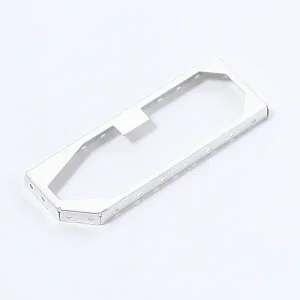
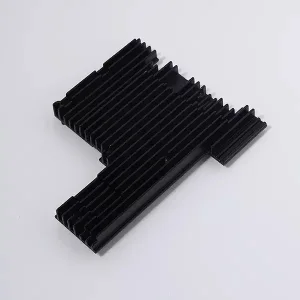
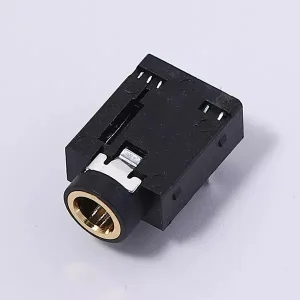
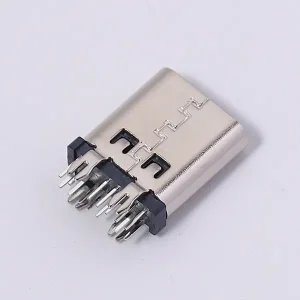
Premium OEM assemblies, connectors, and heat sink solutions engineered for industry-grade reliability.
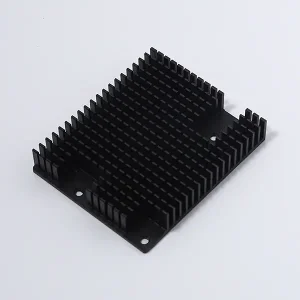
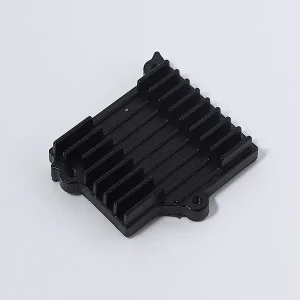
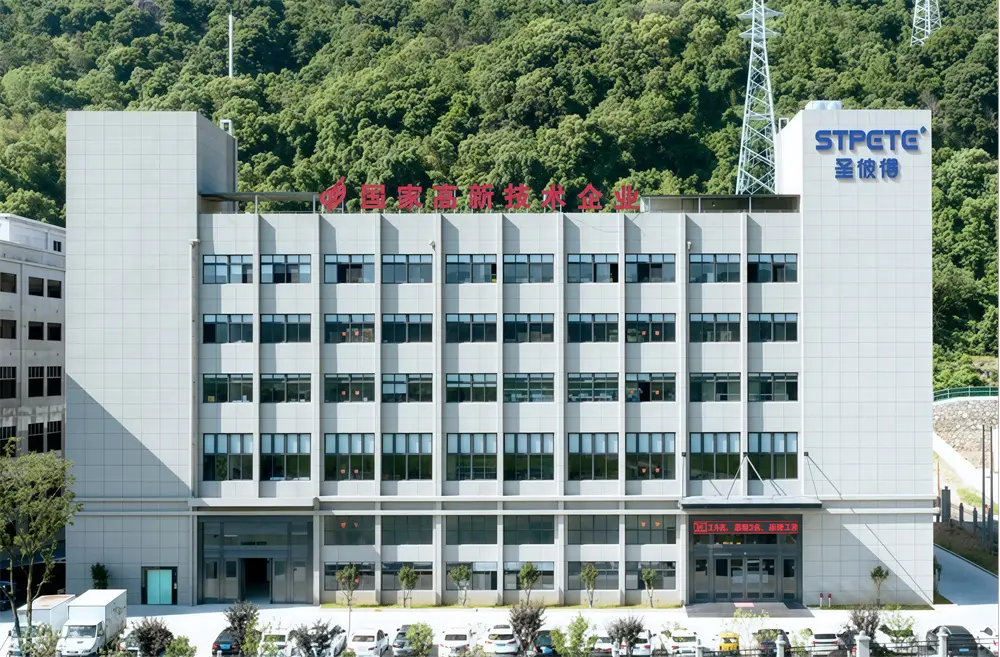
Established in 2005, Wenzhou Stpete Electronics Technology Co., Ltd. has developed into a premier, high-tech enterprise dedicated to the design, production, and sales of high-performance electronic connectors and thermal management solutions, including advanced continuous extruded heat sinks.
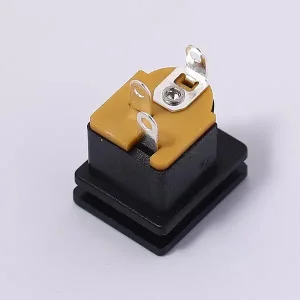
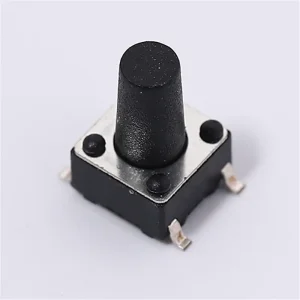
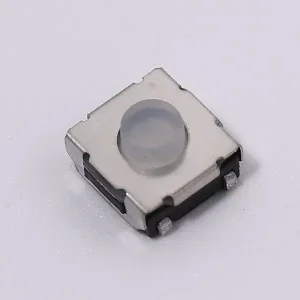
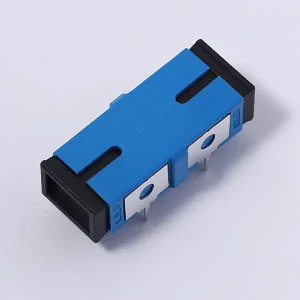
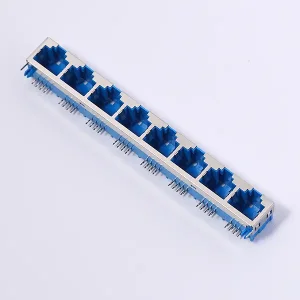
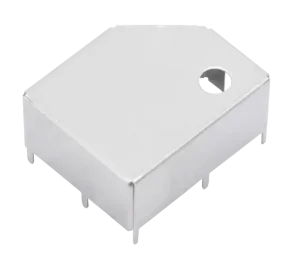
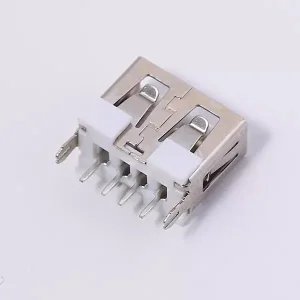
With a comprehensive production facility, we specialize in high-accuracy manufacturing processes. Our portfolio features IF radio-frequency terminals, FCB network jacks, DC power outlets, USB sockets, AV pin jack boards, and high-conductivity radiators. Leveraging top-tier high-speed punching presses and high-precision CNC machining centers, we serve major technology enterprises across mainland China and global hubs.

Analyzing thermal dissipation demands and metallurgical standards across modern international industries.
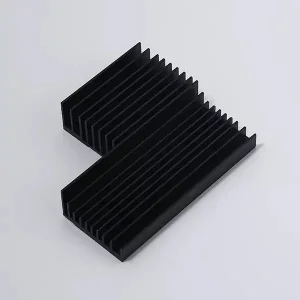
Continuous extrusion aligns the grain structure of the aluminum alloy parallel to the direction of heat flow, minimizing thermal resistance and maximizing the heat dissipation coefficient (W/m·K).
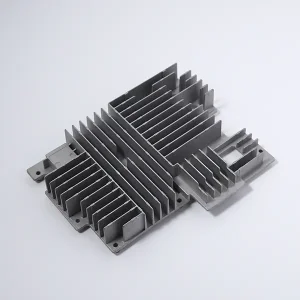
Complex fin geometries, including ultra-thin fins, high aspect ratio channels, and localized mounting bosses, are produced seamlessly in a single push without secondary assembly steps.
By producing continuous profile lengths that are cut to length and post-machined via CNC, material yield remains high, drastically lowering cost-per-watt values for large runs.
Global industrial procurement strategies rely heavily on Chinese supply chains. This is not just a matter of labor cost; it is the integration of advanced metallurgical refining, rapid tooling development, and precision post-processing.
1. Integrated Supply Chain Clusters: Wenzhou Stpete is situated inside one of China's most active electronics manufacturing hubs. This allows direct, high-volume access to premium raw aluminum ingots, surface anodizing chemicals, and logistics networks that reduce raw material lead times to just days.
2. High-Capacity Tooling Operations: Developing custom extrusion dies can take weeks in Western markets. Chinese manufacturers produce and test complex profile dies within 7 to 10 days, allowing quick iterations of prototype builds.
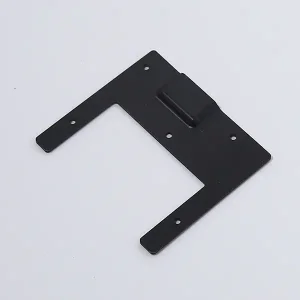
3. Secondary Precision Machining: Modern heat sinks require strict mounting planarity and thread tolerance. Our facility houses high-accuracy CNC milling, automatic deburring, and high-tonnage punching machinery to deliver components that are assembly-ready out of the box.
Continuous extruded heat sinks are deployed at the heart of mission-critical machinery.
Deployed in remote radio units (RRUs) and base stations. Extruded designs maintain structural integrity under extreme outdoor conditions while ensuring zero-maintenance passive cooling for RF transceivers.
Cooling IGBT modules in EV drivetrains. These heat sinks require ultra-flat contact zones (flatness ≤ 0.05 mm) to minimize thermal interface material thickness and maximize heat transition from the power chips.
Used to maintain safe running parameters in heavy-duty automated motor drives. These environments demand rugged profiles resistant to dust accumulation and mechanical vibrations.
Wenzhou Stpete's commitment to industrial excellence through raw material integrity and automated QA processes.
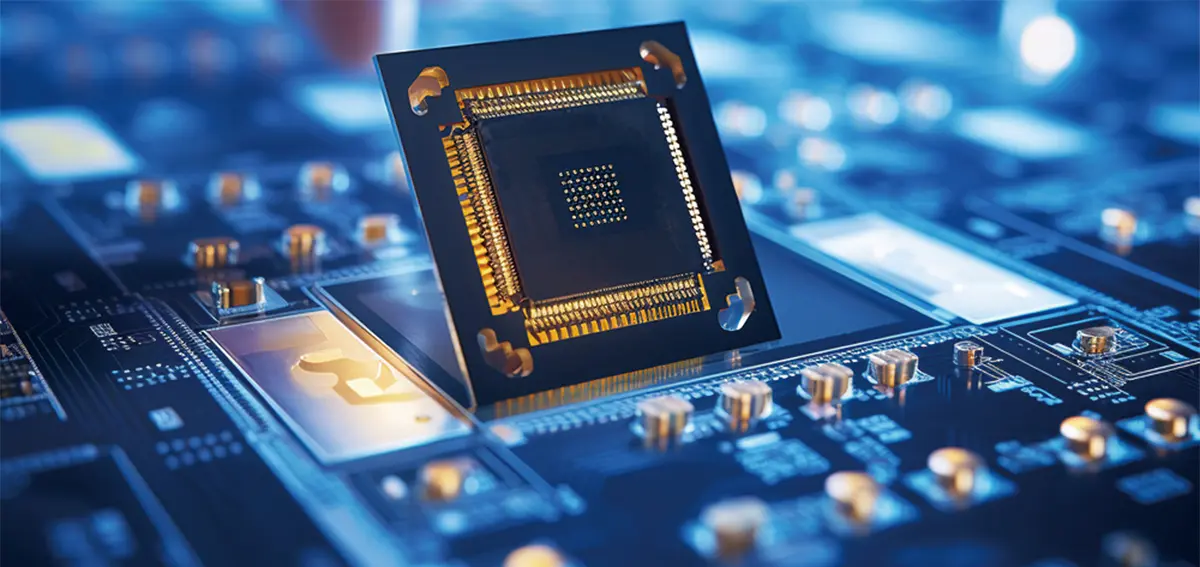
Over 30 technical R&D personnel driving product iterations, backed by an annual budget surpassing 15 million CNY and holding 21+ national utility patents.
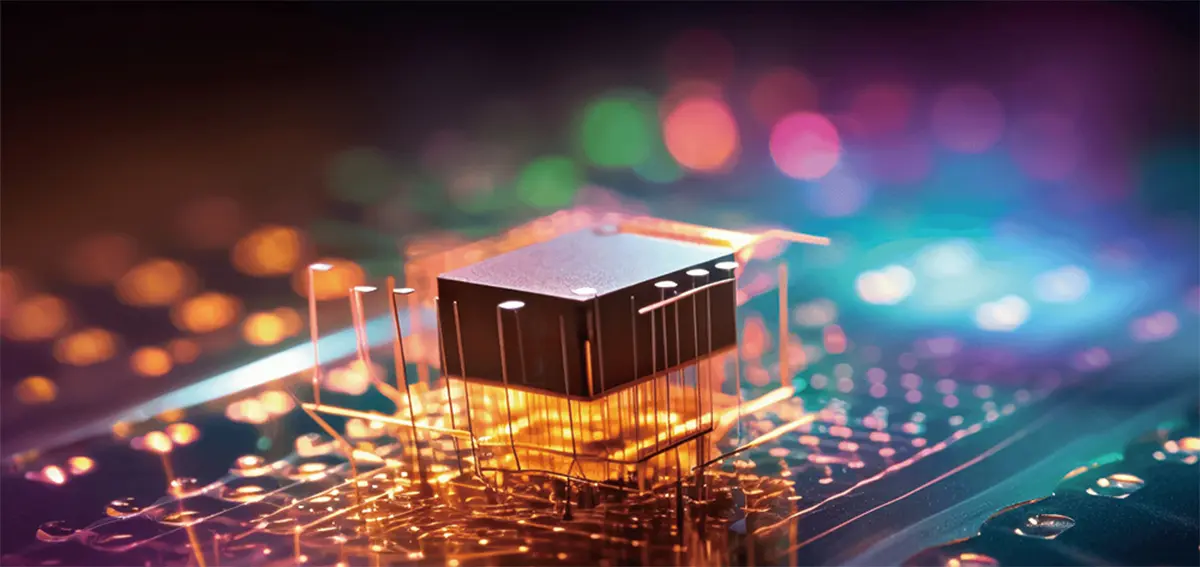
Every step, from ingot analysis to final salt spray testing, is verified under ISO 9001, ISO 14001, and ISO 18001 standards to meet strict international norms.

Equipped with automatic insert molding lines, multi-station stamping machines, and automated finish-assembly cells to ensure high volume capability.
We manufacture thermal management components under strict engineering parameters. Custom configurations are available upon technical drawing submittals.
| Parameter / Metric | Alloy 6063-T5 (Standard) | Alloy 6061-T6 (High Strength) | Custom Post-Processing Options |
|---|---|---|---|
| Thermal Conductivity | ~201 W/m·K | ~167 W/m·K | Pure Copper Cores (available upon request) |
| Max Extrusion Width | Up to 650 mm | Up to 500 mm | Modular Joined Friction Stir Welding (FSW) |
| Min Fin Thickness | 0.8 mm | 1.2 mm | Skived fin combinations for denser setups |
| Surface Coatings | Clear/Black Anodizing | Hard Anodizing | Electroless Nickel Plating / Powder Coating |
| Machining Tolerances | ISO 2768-m | ISO 2768-f (Fine) | High precision CNC coordinate drilling |
Where next-generation extrusion engineering meets thermal physics.
By joining multiple high-aspect-ratio extrusions via FSW, manufacturers can construct wide-format liquid cooling cold plates that exceed the dimensional limits of standard extrusion presses.
Extrusion shapes are being refined utilizing evolutionary algorithms to minimize bypass airflow, allowing system designers to lower fan power while maintaining constant junction temperatures.
Industrial demand is shifting towards low-carbon aluminum profiles. Sourcing extrusion scrap and melting it using clean energy reduces scope-3 emissions for multinational tech brands.

When sourcing continuous extruded heat sinks, global procurement managers must evaluate several technical performance variables to ensure continuous production run quality.
Expert answers addressing the design, metallurgy, and sourcing of industrial extruded heat sinks.
Explore our full list of exported items matching global standards.
 Stpete Electronics