Explore our high-performance electronic interfaces and mechanical structural solutions integrated across diverse global manufacturing lines.
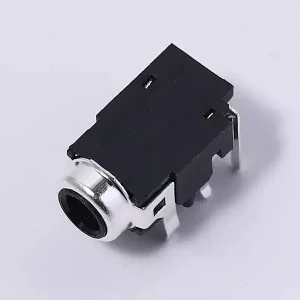
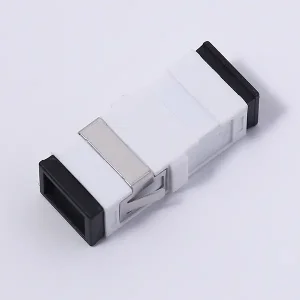
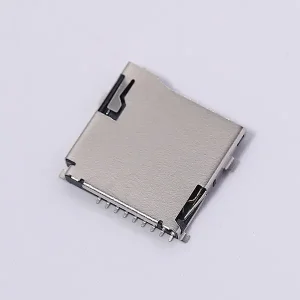
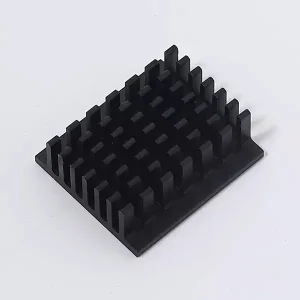
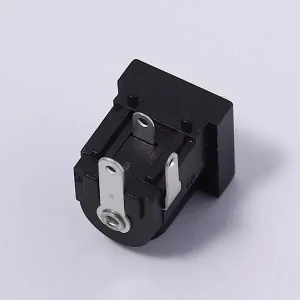
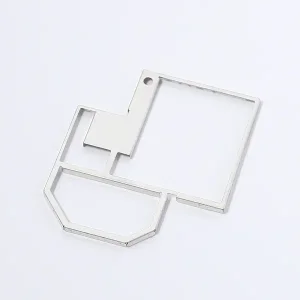
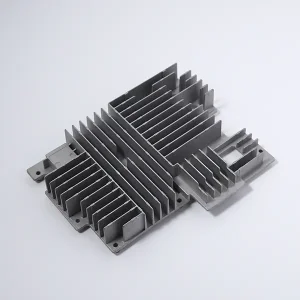
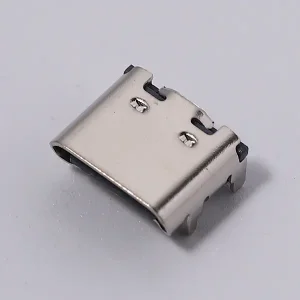
Established in 2005, Wenzhou Stpete Electronics Technology Co., Ltd. has developed into a premier, high-tech enterprise specializing in the design, development, production, and global sale of high-performance electronic connectors, customized die-cast radiators, and thermal management assemblies. Our focus centers on delivering high-precision components that integrate mechanical robustness and superior electrical conductivity.
Over nearly two decades, we have established a highly regarded market presence, supplying specialized solutions like RF terminals, fiber network jacks, custom DC power outlets, USB sockets, AV pin jack boards, and high-conductivity radiators (heat sinks) to international OEM and ODM clients. In a sector where performance integrity dictates product lifetimes, Stpete Electronics stands out as an engineering partner that matches state-of-the-art machinery with rigorous process control.

Thermal management is no longer just a structural afterthought; it is a critical limiting factor for next-generation telecommunications, automotive electronics, and high-frequency power modules. The selection of custom aluminum die casting for heat sinks addresses a complex engineering trade-off: balancing thermal conductivity, geometric complexity, mechanical strength, and manufacturing cost-efficiency at scale.
Unlike extrusion, which is limited to 2D profiles, die casting allows for complex 3D fin structures, including pin fins, flared fins, and elliptical geometries. This enhances turbulent air movement and increases effective surface area, yielding a 15% to 25% improvement in heat dissipation efficiency within compact footprints.
We utilize engineered aluminum alloys such as ADC12, A380, and AlSi10Mg. By carefully controlling the silicon (9.5%-12.0%) and copper content, we minimize thermal boundary resistance at the grain borders, achieving thermal conductivity levels exceeding 96-120 W/m·K while maintaining high casting fluidity.
Our vacuum-assisted die casting processes limit internal gas entrapment. Minimizing porosity is critical for structural stability and preventing local hot spots that disrupt conductive heat flow paths through the radiator fins.
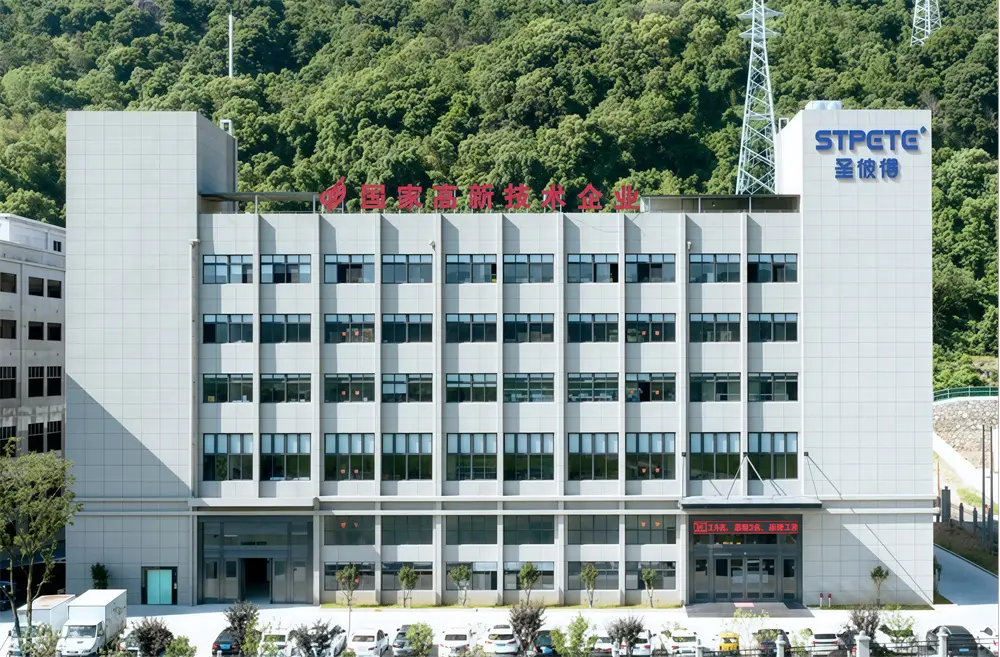
Quality assurance at Stpete Electronics is integrated into every phase of our manufacturing process. We maintain robust testing capabilities to process critical components like radio-frequency terminals, network connectors, and die-cast heat sinks. By deploying computerized CNC mills and specialized high-tonnage punching presses, we guarantee dimensional accuracy down to micrometric tolerances.
We have obtained international certifications including ISO 9001, ISO 14001, and ISO 45001. Stpete Electronics manages quality through advanced inspection methods, utilizing optical comparators, material spectrometers, and thermal profiling instruments to evaluate raw materials and finished goods. This structured process has positioned us as a reliable tier-1 partner for major Chinese technology brands, including Huawei and Hisense.
Our primary manufacturing facility operates with a focus on supply chain resilience and technical precision. By integrating insert molding, custom CNC machining, and automated product assembly, we achieve consistent execution. Our processes run on real-time feedback loops that monitor temperature, pressure, and cycle times, keeping product performance consistent across multi-million piece batches.
Our internal engineering teams work directly with client R&D personnel from the initial Design for Manufacturing (DFM) assessment to final validation. This collaborative framework ensures that complex designs are optimized for mass production, reducing mold-repair costs and shortening time-to-market.

As global markets demand higher manufacturing agility, Stpete Electronics has systematically upgraded its Wenzhou production hub. Through automation, direct material sourcing, and end-to-end trace systems, we offer a resilient supply model that insulates clients from global supply chain disruptions.
Backed by more than 30 professional R&D engineers, we invest over 15 million CNY annually in research. Our patent portfolio includes 21 proprietary innovations focused on high-density connectivity and thermal efficiency.
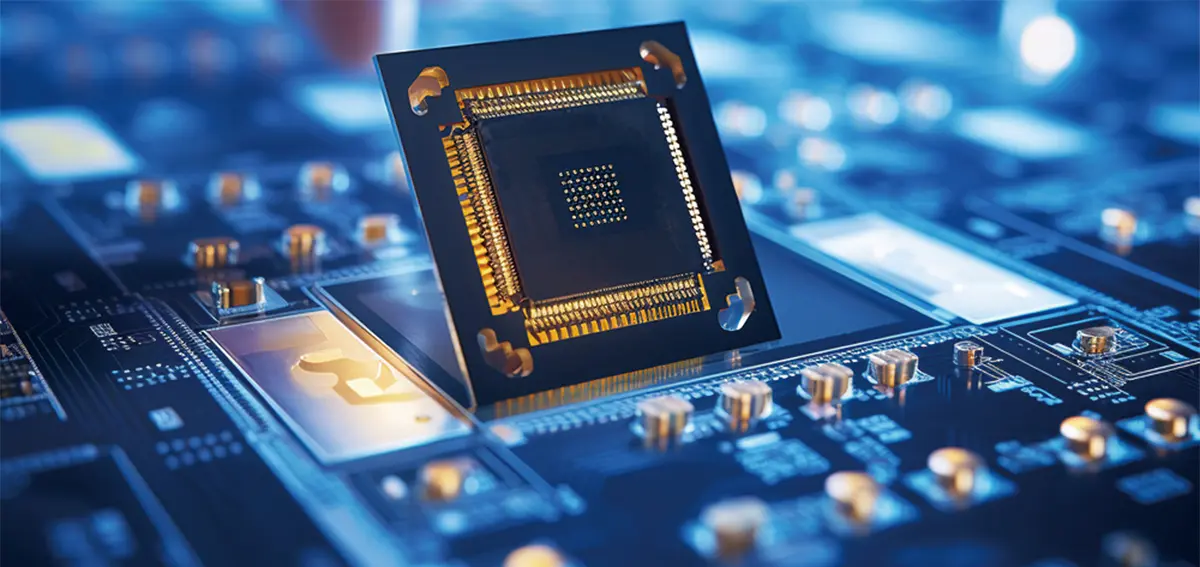
We verify quality from raw ingot chemistry to mechanical finishing. By screening incoming material lots, we prevent contamination issues, ensuring that our products meet exact specifications.
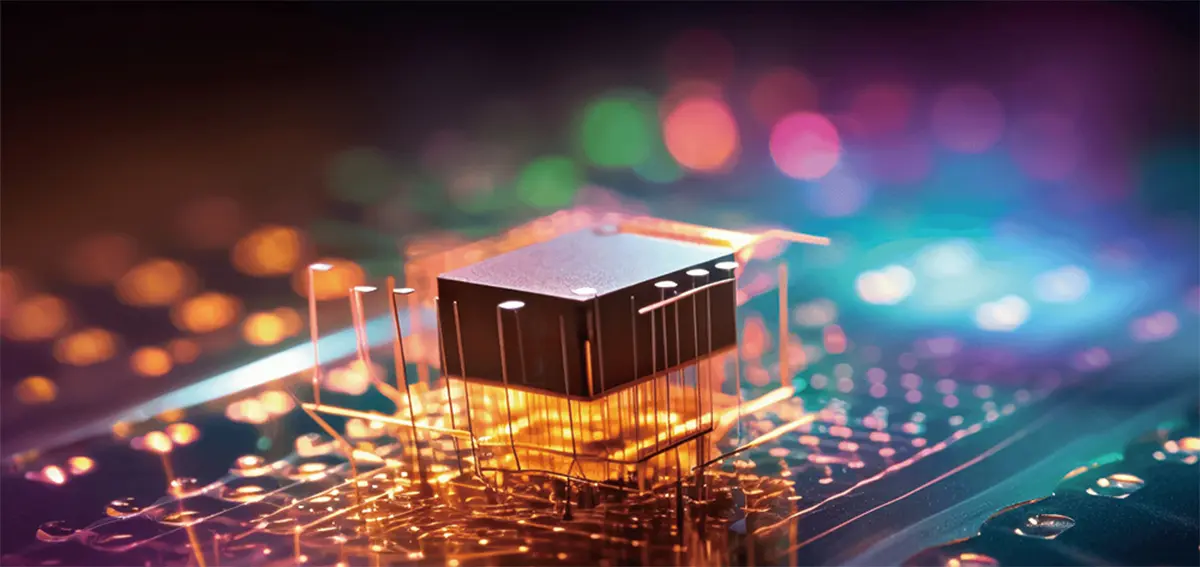
Our facilities are equipped with automated cold-chamber die-casting machines, multi-axis CNC machining centers, and automated insert-molding assemblies to maintain high yield rates.

As semiconductors shrink and power densities rise, traditional cooling techniques face physical limits. Stpete Electronics is continuously developing new process routes to address these evolving requirements.
Our R&D division is actively working on integration technologies that allow copper heat pipes and vapor chambers (VCs) to be directly co-cast into aluminum housings. By joining copper inserts with lightweight aluminum die-cast fins, we bypass the thermal bottleneck of typical thermal interface materials (TIMs), providing a direct conductive path from high-heat silicon to the convective fins.
Traditional die casting faces structural limits with fin thicknesses below 1.5mm due to fill-velocity constraints. Using vacuum-assisted injection and refined flow modeling, we are engineering casting dies capable of producing 0.8mm to 1.2mm ultra-thin fins with high aspect ratios, allowing for lighter and more compact heat sink designs.
For infrastructure deployed in coastal or industrial environments, base-station heat sinks must withstand salt spray and humidity. We offer advanced surface options, including non-conductive clear anodizing, electrophoretic paint coatings, and micro-arc oxidation (MAO) to provide long-term corrosion resistance without compromising thermal emissivity.
Procurement managers evaluating Chinese manufacturing partners require consistency, regulatory compliance, and clean logistics. Stpete Electronics aligns its operations to streamline global supply chains.
All raw materials and surface treatments used in our production conform to the latest EU and US environmental standards, including RoHS (Restriction of Hazardous Substances) and REACH (Registration, Evaluation, Authorisation and Restriction of Chemicals). We maintain records for material batches, ensuring complete traceability for global audit reviews.
Through long-standing freight partnerships, we support flexible delivery terms including FOB, CIF, DDP, and DAP. Our team handles customs compliance documentation to prevent port delays, and we work with regional warehouses to support Kanban and Just-In-Time (JIT) production schedules.
We provide comprehensive Design for Manufacturing (DFM) reports before tooling begins. Our engineers review draft angles, wall-thickness variations, and ejector-pin placements to eliminate manufacturing defects, shorten tooling turnaround, and reduce scrap rates.
Review technical and commercial information regarding our custom die-cast heat sinks and production capabilities.
Our comprehensive selection of connectors, switches, and components supporting global technology architectures.
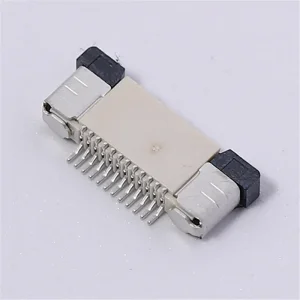
 Stpete Electronics