Explore our high-precision electronic connectors, fiber patch assemblies, and modular hardware optimized for structural reliability and optical signal alignment.
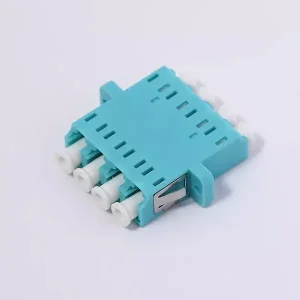
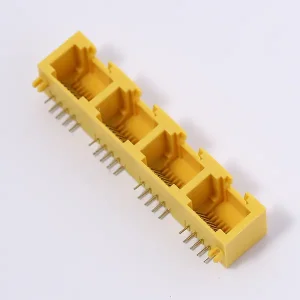
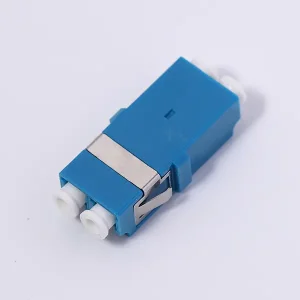
An authoritative analysis of optical transceiver mechanics, packaging structural demands, and material requirements in the 400G, 800G, and 1.6T era.
As hyperscale cloud computing centers, AI clusters, and telecom infrastructures migrate rapidly to 400Gbps, 800Gbps, and experimental 1.6Tbps networks, the physical packaging demands on optical transceiver assemblies have escalated. In high-frequency optical applications, the optical module housing serves not merely as a cosmetic protector but as an integrated, multi-functional chassis. It provides critical EMI/RFI shielding, acts as the primary heat sink for hungry DSPs and laser diodes, and maintains precise physical optical alignment (sub-micron scale) under variable thermal and mechanical stressors.
Modern system architects understand that a minor structural deflection or thermal expandability mismatch in a zinc-alloy casing can disrupt the alignment between the transmitter optical sub-assembly (TOSA) and the fiber ferrule, resulting in elevated insertion loss or signal dropout. Selecting an expert Chinese supplier capable of sub-micron precision toolmaking is paramount for global OEMs aiming to survive in the hyper-competitive datacenter equipment market.

Wenzhou Stpete Electronics Technology Co., Ltd. combines specialized precision tooling with a certified manufacturing workflow.
With an annual R&D investment exceeding 15 million RMB, our team of over 30 technical R&D personnel works tirelessly to pioneer novel electro-magnetic shielding geometries and materials. Our patents in high-speed connectivity interfaces stand as a testament to our ongoing design leadership.
We leverage high-level punching equipment and high-performance CNC setups to guarantee structural accuracy in every component. Our capability spans complex insert-molding, precision stamping, and automated micro-connector assembly tailored for high-reliability systems.
Operating under ISO 9001, ISO 14001, and ISO 45001 frameworks, we maintain rigorous incoming inspection and process controls. We eliminate defects at the source, supplying major international hardware enterprises with top-tier interconnects and structural parts.

The applications for high-speed optical communications demand highly customized mechanical designs. For instance, housings built for long-haul outdoor telecom towers require exceptional environmental protection against moisture ingress, salt spray, and extreme thermal cycling (-40°C to +85°C). Conversely, data center network switches require high-density structural housings (SFP28, QSFP56, QSFP-DD, OSFP) designed to maximize passive convective airflow and optimize surface area for integrated heatsinks.
Wenzhou Stpete Electronics Co., Ltd. tailors the alloy formulation and post-machining operations to the specific application domain. By partnering with industry leaders such as Huawei and Hisense, we have engineered customized housing solutions that mitigate thermal throttling in high-port-density switches and routers, securing optimal network uptime.
Whether you require standard multi-source agreement (MSA) form factors or fully custom structural interconnect geometries, our state-of-the-art facilities deliver rapid-turn prototyping to support your dynamic NPI (New Product Introduction) cycles.
From advanced material testing to automated tooling and structural finishing.
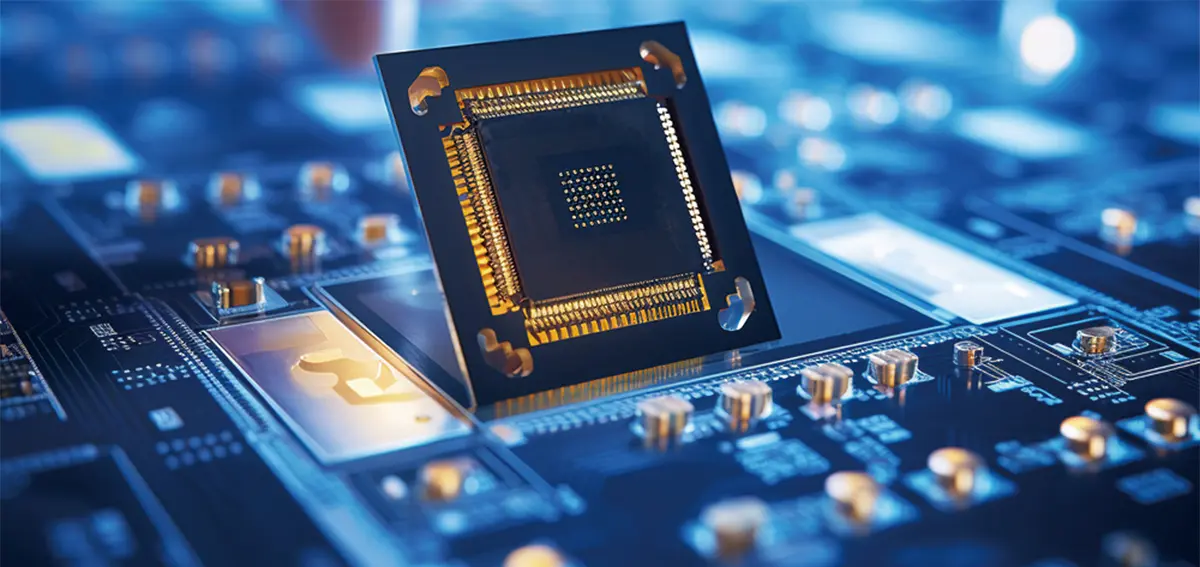
Equipped with modern 3D simulation software and thermal modeling suites, our engineering team refines geometries to minimize mechanical stress points and optimize convective heat loss prior to production launch.

Using Coordinate Measuring Machines (CMM), optical comparators, and automated pull-force gauges, we inspect dimensions at the micron level. Salt spray chambers test casing resilience under severe corrosive threats.

Automated insert molding and terminal insertion technologies reduce human variability, increasing yield rates for large-scale batches. Every step is logged to ensure full traceabilty.
Purchasing directly from a certified Chinese manufacturer like Wenzhou Stpete Electronics allows global telecom OEMs to bypass intermediate margins and gain direct access to our core design engineers. The cluster effect in Wenzhou's industrial parks offers us immediate access to raw alloys, specialized plating facilities, and cost-effective shipping networks, enabling us to deliver high-precision products with rapid turnaround times.
Behind our complex micro-electronics and optical packaging stands a dedicated, highly trained workforce. Wenzhou Stpete Electronics prioritizes collaborative organizational practices. We run regular outdoor team-building activities, designed to strengthen team spirit and improve horizontal communication pathways between our customer support, engineering, and manufacturing departments.
These exercises build trust, boost morale, and keep our staff motivated. By fostering a healthy, open-minded culture, we reduce turn-over and retain seasoned machinists and tooling experts who ensure that our quality and reliability remain consistent for our global clients.

Get authoritative answers to common engineering and sourcing questions regarding optical transceiver enclosures.
We primarily utilize high-density Zinc Alloys (such as Zamak 3 and Zamak 5) and advanced Aluminum Alloys for die-casting optical transceiver housings. Zinc is favored for its superb fluid mobility during die-casting, allowing thin wall structures (down to 0.4mm) with high dimensional stability. Additionally, it offers excellent inherent EMI shielding and electrical grounding characteristics, crucial for high-speed transceivers.
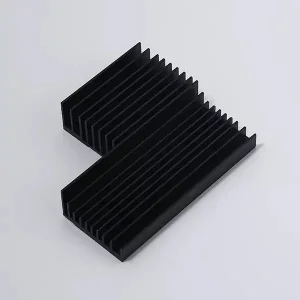
We integrate high-precision heat-sink fins directly onto the exterior casing geometry. By using custom-engineered zinc alloys with high thermal conductivity and refining the surface fin-density using advanced CNC machining tools, we maximize active and passive thermal energy transfer, ensuring critical chipsets remain within their optimal operating temperatures.
Yes. We offer several plating options including Electroless Nickel Plating, Electroplated Gold, and Passivated Gold over Nickel. These coatings improve electrical conductivity across contacts, lower EMI leakage, and guarantee resistance against moisture and salt-fog degradation (passing 48-hour to 96-hour salt-fog requirements based on B2B specifications).
All our tooling is calibrated to comply with Multi-Source Agreement (MSA) standards for optical transceiver form factors. By maintaining a strict dimensional tolerance matrix (±0.01mm to ±0.005mm depending on the feature block), we guarantee smooth latching mechanics, pluggability, and reliable thermal interfaces inside standard cage assemblies.
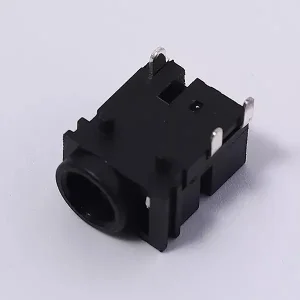
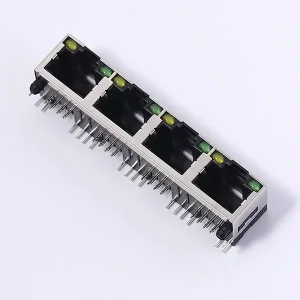
Discover our wider range of robust power plugs, network sockets, and custom interface boards for industrial automation and datacom networks.
 Stpete Electronics