Established in 2005, Wenzhou Stpete Electronics Technology Co., Ltd. has developed into an industry-leading, high-tech enterprise dedicated to the design, custom development, precision manufacturing, and global supply of advanced electronic connectors and electromagnetic interference (EMI) shielding solutions. Our long-term technical expertise makes us a premier choice among global China PCB Shield Suppliers.
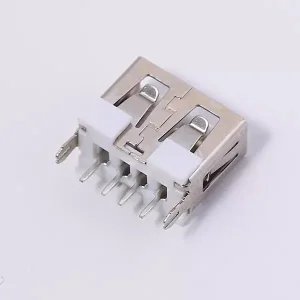
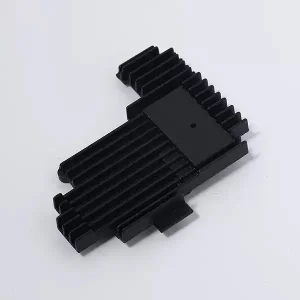
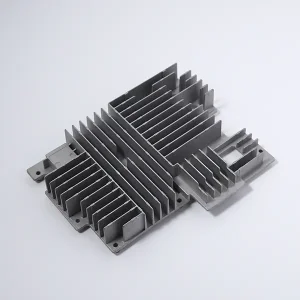
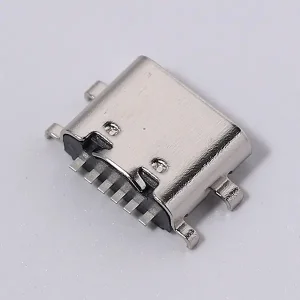
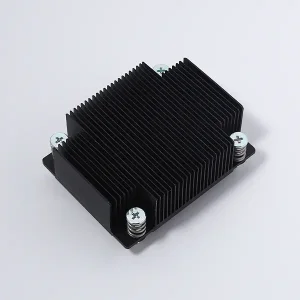
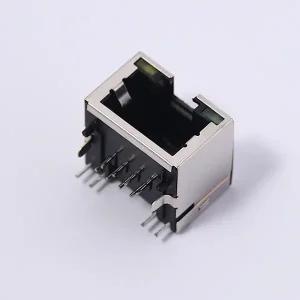
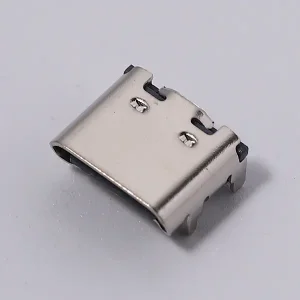
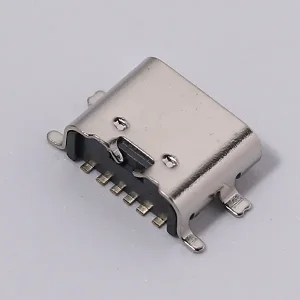
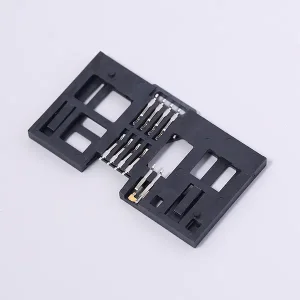
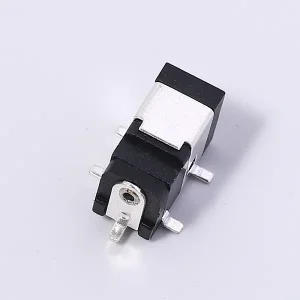
Over the past two decades, we have established robust partnerships with leading domestic and global enterprise brands, including technology pioneers like Huawei and Hisense. Our product range covers a massive portfolio including IF radio-frequency terminals, PCB network jacks, DC power outlets, USB sockets, AV pin jack boards, and high-performance radiator assemblies, all optimized for modern telecommunication and computing structures.

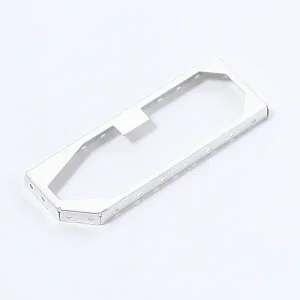
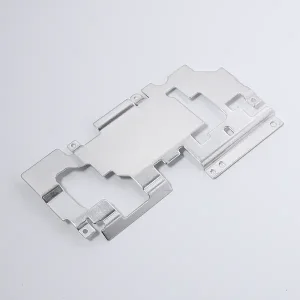
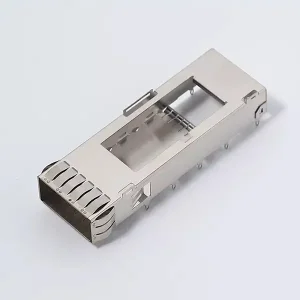
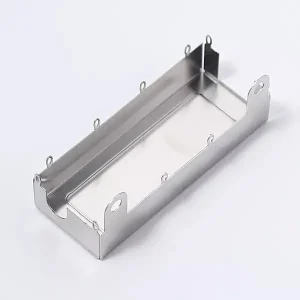
In modern high-speed circuit designs, electromagnetic interference (EMI) and radio frequency interference (RFI) represent massive bottlenecks that threaten signal integrity. As clock frequencies climb into multi-gigahertz thresholds and components are packed with increasing density, localized containment of stray radiation becomes mandatory. Board-Level Shielding (BLS)—commonly known as PCB shields or shielding cans—presents the most cost-effective and structurally sound methodology to isolate critical RF circuits, processors, and wireless chipsets.
Information Gain Concept: Unlike generic sheet metal covers, high-grade PCB shields must balance electromagnetic attenuation properties with mechanical requirements, such as SMT (Surface Mount Technology) coplanarity, reflow thermal profiles, and long-term solderability.
Selecting the optimal material dictates both the attenuation efficiency (in dB) and the atmospheric resistance of the shielding assembly. Stpete Electronics utilizes highly specialized alloys:
We provide two distinct configurations depending on our clients' testing and rework paradigms:
These are highly cost-effective shields soldered directly over components during the main SMT process. They offer the lowest profile and form factor, but require desoldering or mechanical cutting if component rework is needed.
Composed of an SMT-solderable perimeter frame and a snap-on lid. The cover can be repeatedly removed and reattached without heat exposure, simplifying debugging, calibration, and integrated component replacement.
Procuring PCB shields from an established Chinese manufacturer like Wenzhou Stpete Electronics provides global enterprises with deep strategic advantages. The industrial landscape in China is not merely about low-cost labor; it represents a highly evolved, vertically integrated ecosystem that accelerates time-to-market (TTM) and ensures high product consistency.
We control the entire process in-house: from 3D CAD modeling and DFM analysis to building progressive stamping dies. This cuts tooling lead times down to 10-15 working days, compared to 6-8 weeks in Western markets.
Located in the Wenzhou electronics manufacturing cluster, we have instant, daily access to specialized raw metal mills, surface treatment specialists, and carrier tape suppliers, ensuring uninterrupted production runs.
To maintain coplanarity limits within 0.08mm, our production floors run automatic high-speed punching presses and automated optical inspection (AOI) units, keeping unit costs down while eliminating defective escapes.

For international buyers—especially those in regulated industries like automotive electronics, medical hardware, and telecommunications—compliance is not optional. Stpete Electronics operates under strict control protocols. We hold verified certifications for ISO 9001:2015 (Quality Management Systems), ISO 14001:2015 (Environmental Management Systems), and ISO 45001 / OHSAS 18001 (Occupational Health and Safety Standards).
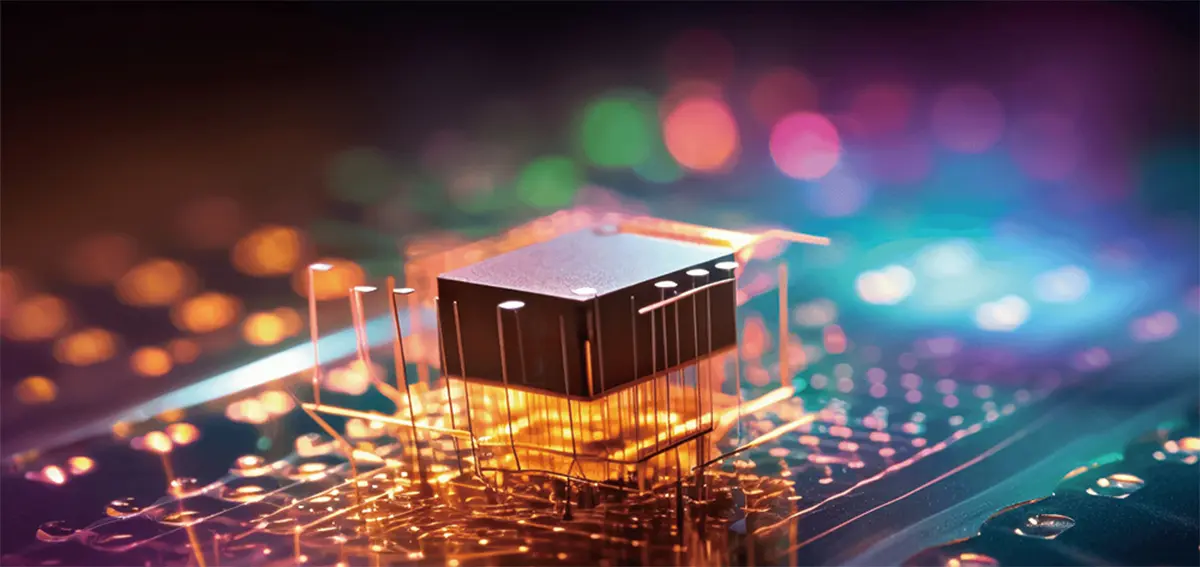
Quality begins with material intake. Every batch of copper, brass, and nickel silver comes with mill test certificates (MTC) showing alloy makeup. In our stamping process, we check flat-surface coplanarity and cross-tension. Our Quality Control department uses high-precision 2.5D optical measurement systems to check height, width, and draw depth. This process confirms that all shielding cans match the exact tolerances required for automated SMT nozzles, keeping pick-and-place failure rates under 15 PPM.
All PCB shields and connectors produced by Wenzhou Stpete comply fully with the European Union's RoHS Directive 2011/65/EU and its amendments. We ensure that heavy metals like lead, mercury, and cadmium are strictly controlled. Additionally, we run a zero-halogen process for components that require high eco-compatibility. Our shielding components are designed to withstand lead-free reflow soldering profiles, maintaining structural integrity up to a peak temperature of 260°C.
Procuring custom hardware globally poses clear communication, logistics, and engineering alignment challenges. Stpete Electronics solves this by pairing our manufacturing capacity in China with specialized technical support for overseas projects.
Our R&D team (30+ engineers) performs Design for Manufacturability (DFM) reviews on your shield drafts, suggesting optimal bend radii, vent hole layouts for heat escape, and solder pad footprints to prevent solder bridging.
To support high-speed automatic assembly, we supply our board-level shielding cans in standard EIA-481 carrier reels. This tape-and-reel packaging keeps parts protected during transit and ready for immediate pick-and-place use.
We offer multiple shipping terms including FOB, CIF, and DDP to clear customs smoothly. Our documentation covers certificates of origin and customs clearance records for markets across the USA, EU, and Southeast Asia.

As we transition into the era of 5G Advanced, Wi-Fi 7, and automated driving systems (ADAS), PCB shielding requirements are changing rapidly. High-frequency signals are highly susceptible to loss and noise, requiring shields with tighter fits, thinner profiles, and advanced thermal dissipation features.
With RF frequencies climbing above 28 GHz, standard single-cavity shields struggle to prevent internal resonance. Stpete Electronics is developing thin-wall, multi-cavity shields that isolate separate stages of the transceiver circuit. This keeps crosstalk to a minimum within a single, low-profile layout.
Autonomous vehicle computers, lidar systems, and onboard chargers (OBC) operate in harsh environments with constant vibration and temperature swings. Our automotive-grade PCB shields use reinforced solder pins or locking tabs to prevent physical separation under high-vibration conditions.
High-performance chipsets generate significant heat. Modern shield cans must work both as EMI barriers and thermal links. We design shields with custom patterns of ventilation holes, and incorporate high-conductivity thermal interface materials (TIMs) that link the chipset to the top cover of the shield, transforming the shield into a heat spreader.
At Wenzhou Stpete Electronics, we believe that technological innovation is fueled by strong teamwork. To strengthen cohesion, promote collaboration, and reduce work-related stress, our company regularly organizes outdoor team-building activities in beautiful natural settings. These events allow our engineering, production, and customer service teams to build trust, solve challenges together, and return to the office with renewed focus and energy.

Through these team-building activities, we strengthen the connection between our R&D teams and production staff. This close collaboration is key to translating complex designs into high-quality, stamped metal components on the factory floor, ensuring we consistently deliver reliable products to our customers.
 Stpete Electronics