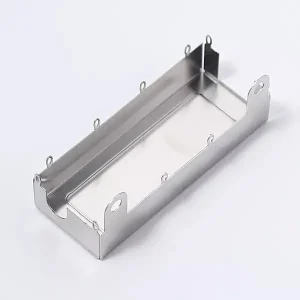
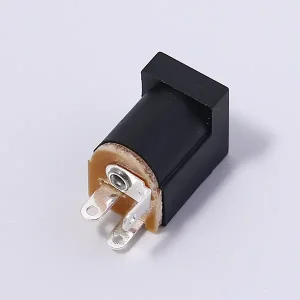
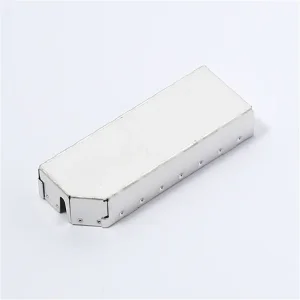
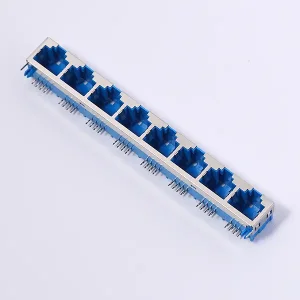
Explore our high-performance electronic connectors, adapters, switches, and precision assemblies manufactured in our state-of-the-art facilities.
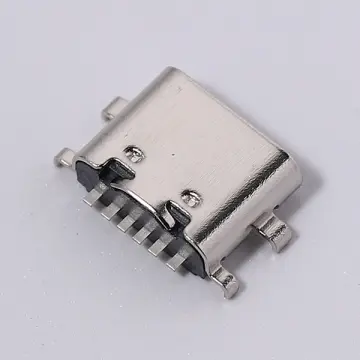
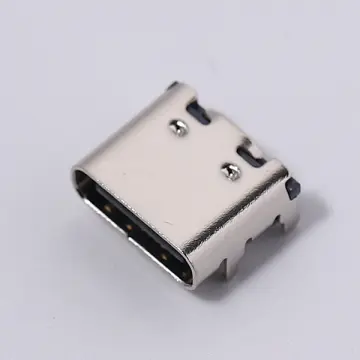
The global transition to USB Type-C receptacles represents a paradigm shift in data transmission speed, power delivery efficiency, and mechanical standardization across multiple industries. With the implementation of the European Union's common charger directive and the rapid adoption of USB Power Delivery (USB-PD) standards up to 240W (EPR), the demand for high-reliability USB Type-C interface components has skyrocketed.
Industrial-grade and consumer-grade USB Type-C interfaces demand strict compliance with the USB-IF specification. A typical 24-pin receptacle consists of high-speed differential signal pairs (TX/RX), legacy USB 2.0 channels (D+/D-), Configuration Channel pins (CC1/CC2) for orientation and power negotiation, and Sideband Use (SBU) lines. Designing these pins within a miniature 8.3mm x 2.5mm footprint requires extreme precision in insert molding and contact terminal positioning to avoid short-circuiting or impedance mismatch.
For enterprise buyers in telecommunications, automotive electronics, and smart home appliances, sourcing connectors is not simply a matter of unit price. Factors such as contact resistance (typically limited to ≤30mΩ), insulation resistance (≥100MΩ), mating cycle durability (up to 10,000 insertion/extraction tests), and compatibility with automated surface-mount technology (SMT) packaging are critical performance metrics.
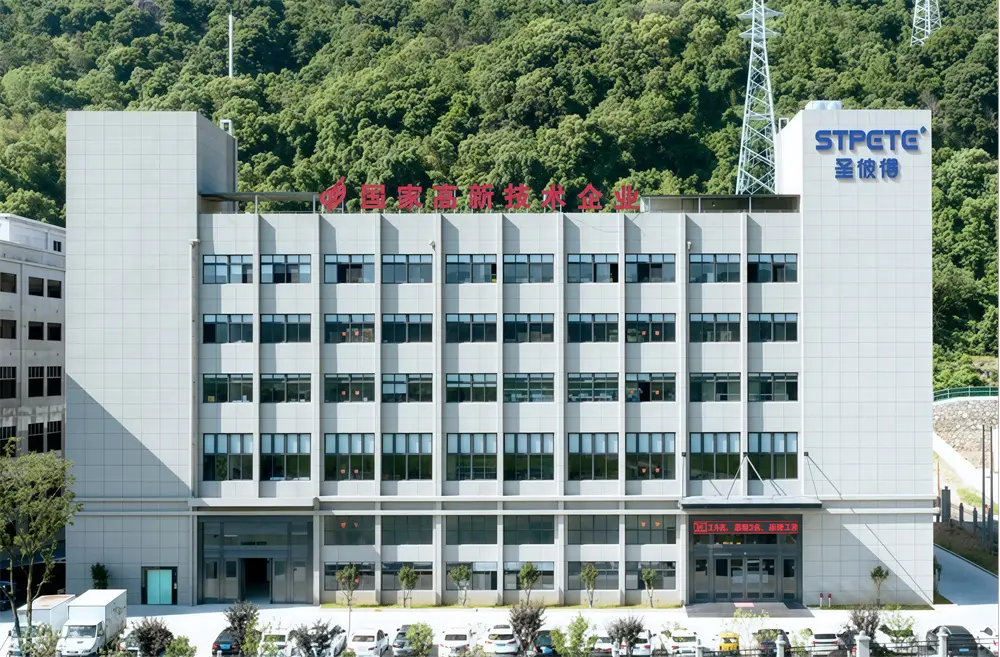
Established in 2005, Wenzhou Stpete Electronics Technology Co., Ltd. has evolved into a premier high-tech enterprise specialized in the R&D, advanced manufacturing, and global distribution of professional electronic connectors.
Over two decades of intense engineering focus has earned us an impeccable reputation among domestic and international OEMs. We specialize in producing custom and standard high-frequency connectors, coaxial interfaces, switches, and structural electro-mechanical hardware tailored to the demanding environments of modern IoT and communications gear.

Harnessing continuous technological investment and automation to scale production with precision and reliability.
From chemical composition screening of incoming materials to final product automated optical inspection (AOI), quality is our absolute priority.
Equipped with signal integrity labs, high-frequency network analyzers, and thermal chamber testing apparatus, our 30+ R&D specialists pioneer future-proof connectivity standards.
We implement multiple validation gates in our process flow. Using CNC precision verification, salt-spray testing, and life-cycle mechanical analysis, we eliminate defect propagation entirely.

By utilizing high-speed progressive die stamping, automatic wire-to-board insertion, and integrated robotic assembly lines, we achieve ultra-precise production tolerances and high throughput.
Wenzhou Stpete Electronics holds accredited certifications for ISO 9001:2015 (Quality Management System), ISO 14001 (Environmental Management System), and ISO 45001 / 18001 (Occupational Health & Safety).
Our components are utilized in critical industrial products and consumer segments, supporting market leaders and top tier technology brands like Huawei and Hisense.
Reference electrical, mechanical, and material specifications for Stpete standard and custom Type-C receptacles.
| Feature / Parameter | Technical Requirement / Standard Value | Quality Check Method |
|---|---|---|
| Nominal Voltage & Current | 20V - 48V DC | 3.0A to 5.0A depending on pinout configuration | Electronic load resistance test |
| Contact Resistance | ≤ 30 Milliohms (initial), ≤ 40 Milliohms (after durability test) | Four-terminal low-level resistance measurement |
| Insulation Resistance | ≥ 100 Megohms at 100V DC | Megohmmeter test between adjacent pin groups |
| Dielectric Withstanding Voltage | 100V AC RMS for 60 seconds (no flashover or puncture) | High-voltage leak current probe |
| Mechanical Insertion Force | 5N to 20N | Automated load cell extraction apparatus |
| Mechanical Withdrawal Force | 8N to 20N (initial), 6N to 20N (after 10,000 mating cycles) | Mating endurance simulation tester |
| Shell Material & Plating | Stainless Steel (SUS301/304) with selective Nickel/Tin plating | X-Ray fluorescence plating thickness measurement |
| Contact Copper Alloy | Phosphor Bronze (C5191) with selective Gold-Plating (1u" to 30u") | Micro-section mounting inspection |
| Insulator Housing | Liquid Crystal Polymer (LCP) high-temperature thermoplastic (UL 94V-0) | Reflow solder heat profile validation (up to 260°C) |
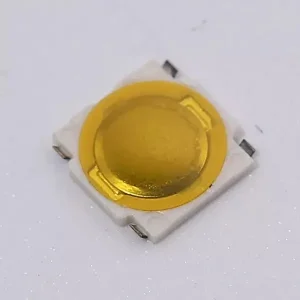
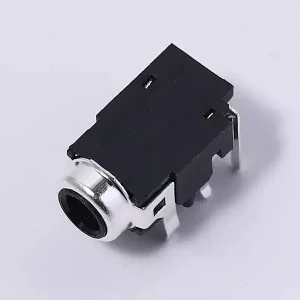
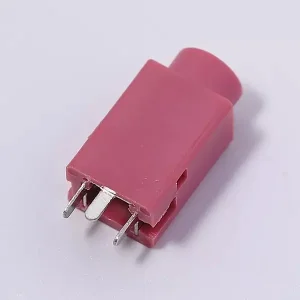
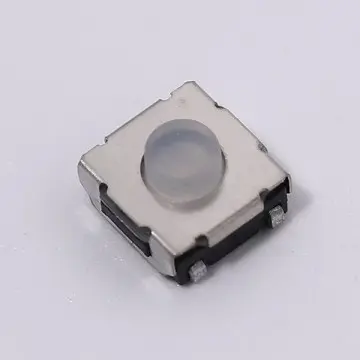
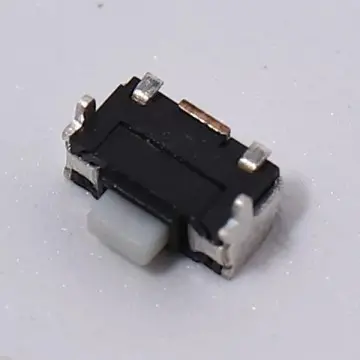
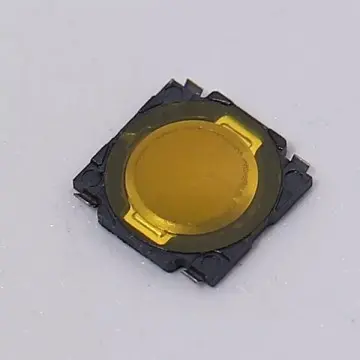
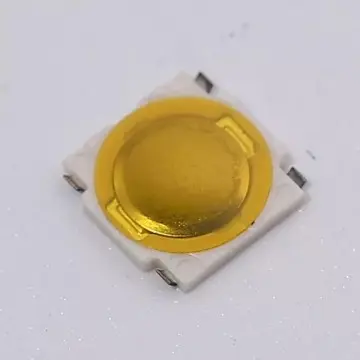
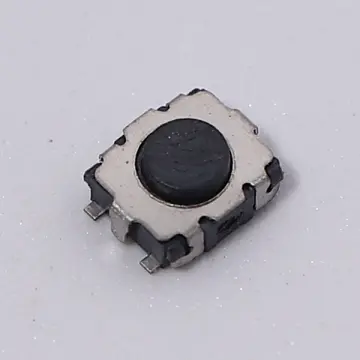
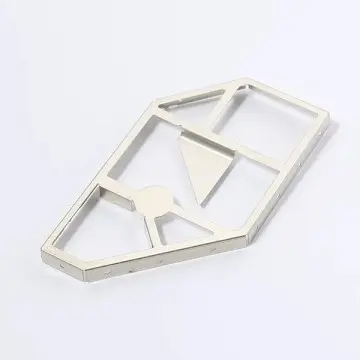
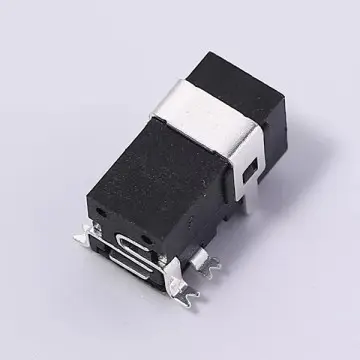
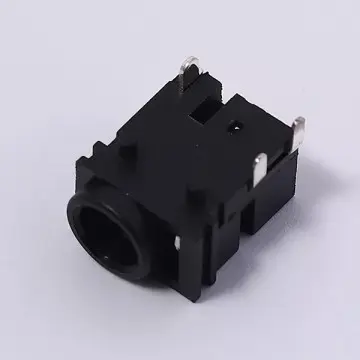
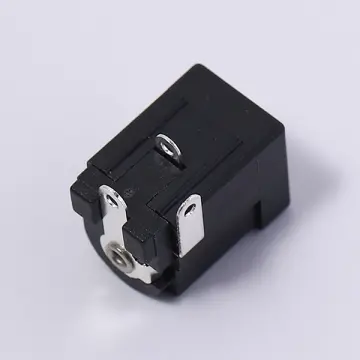
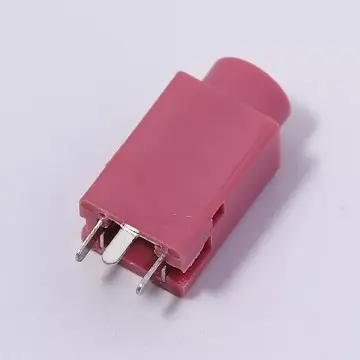
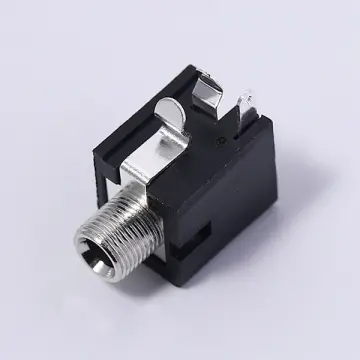
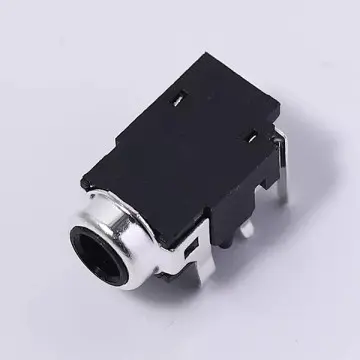
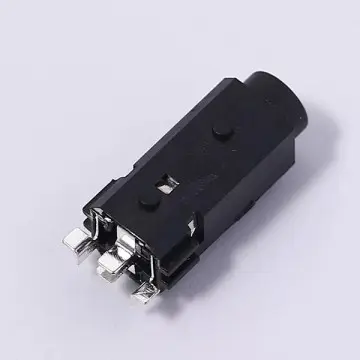
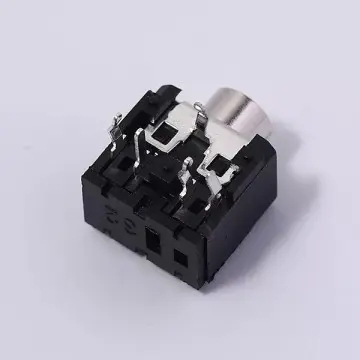
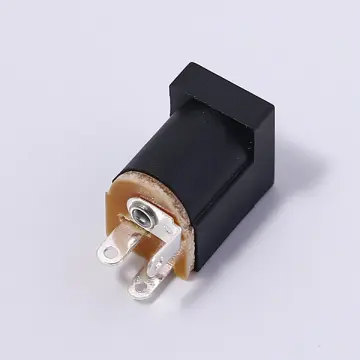
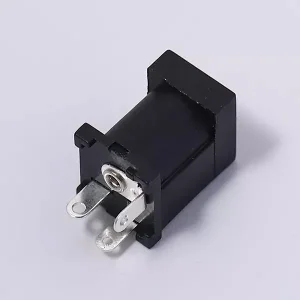
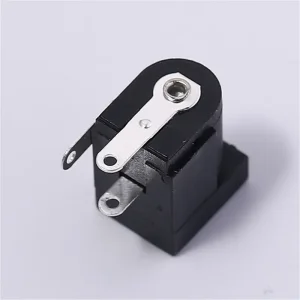
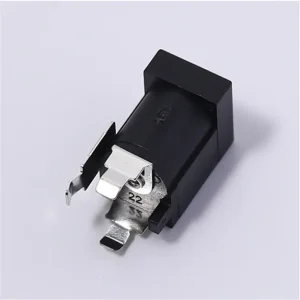
Stpete manufactures a diverse range of sub-miniature tactile switches, coaxial terminals, headphone jacks, and RF connectors.

A key pillar of Stpete Electronics' long-term industry success is our investment in team cohesion. Every summer, our management organizes dedicated outdoor team-building activities set in picturesque natural backdrops.
These initiatives focus on strengthening mutual trust, cross-departmental communication, and dynamic problem-solving mechanisms. By engaging in collaborative challenges outside the confines of the office, our engineers, production team, and customer success managers return with recharged energy, boosting overall corporate motivation and operational efficiency.
Critical engineering answers for supply chain managers and hardware design teams when sourcing USB-C receptacles.
High-quality copper fasteners, jacks, RF terminals, and certified connectors for robust commercial deployments.
For inquiries about our products or pricelist, please leave your contact info and specifications below, and our business development specialists will be in touch within 24 hours.
Request a Custom Quote Stpete Electronics