Explore our foundational range of precision interface components, specialized connectors, and thermal management architectures manufactured to strict CE & ISO certification baselines.
Analyzing the critical shift from standard air-cooling designs to specialized high-performance aluminum die-cast cooling systems across key global markets.
In modern electronic architectures, heat dissipation is no longer a peripheral layout choice but a primary performance bottleneck. As silicon designs move toward tighter nodes and sub-nanometer layouts, power density (measured in Watts per square millimeter) has escalated. This trend has created an urgent demand for advanced OEM aluminum alloy die-casting heat sinks capable of fast thermal transmission and long-term mechanical reliability.
Globally, the market for aluminum die-cast heat sinks is driven by three main sectors: high-speed telecom infrastructures (including 5G massive MIMO transceiver units), automotive drive units (power controllers, onboard chargers, and battery management nodes), and smart grid power supplies. Standard extrusions or folded fins are often insufficient for these systems due to geometric complexity, strict structural tolerances, and the need for structural integration (combining casings and brackets directly with the cooling structures).
High-pressure die casting (HPDC) provides a scalable solution by molding complex fins, pinning fields, and internal structural mounts in a single production step. This process reduces assembly thermal resistance interfaces, lowers weight, and decreases total unit costs compared to complex multi-step CNC milling profiles.
Expert selection of materials including ADC12, A380, and specialized high-conductivity aluminum alloys. This balancing act ensures high fluid castability while maintaining thermal conductivities upwards of 90-150 W/m·K.
Post-cast CNC machining ensures ultra-flat contact planes with surface tolerances down to ±0.02mm, minimizing Thermal Interface Material (TIM) thickness requirements.
Integrated inspections including X-ray porosity detection, Helium leak testing, and 3D coordinate coordinate measurements to verify structural integrity and dimensional stability.
Precision Electronics Connectivity & Thermal Engineering Excellence Since 2005
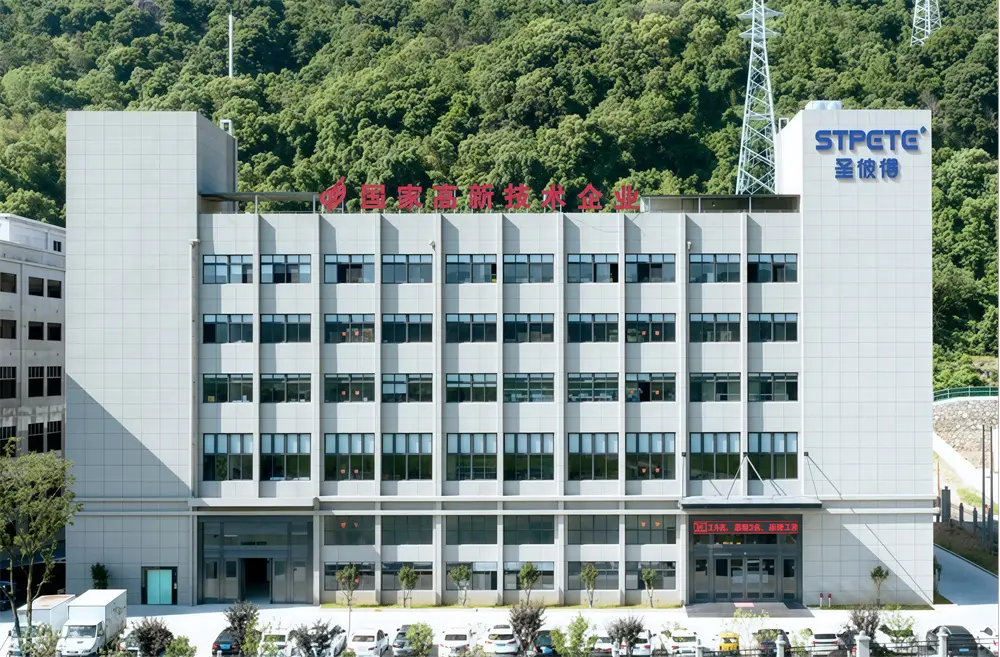
Wenzhou Stpete Electronics Technology CO., LTD was established in 2005. We are a high-tech enterprise specialized in the development, production, and sales of electronic connectors. Over the past two decades, we have built a strong reputation among domestic and international customers for high product quality and reliable trading services.
Guided by technical innovation and safety, our production line handles the complete manufacturing cycle. This includes raw material selection, insert molding, automated product assembly, and final testing. Our custom OEM thermal solutions and electronic connectors provide dependable operation in demanding operating conditions.

Our vertically integrated facility features advanced punching machines, high-precision CNC tooling, and comprehensive quality assurance protocols to guarantee product reliability.
How Wenzhou Stpete Electronics addresses rising power densities and demanding environmental conditions with advanced mechanical engineering.
Transitioning to high-conductivity aluminum alloys (AlSi10Mg, AlSi9Cu3, and customized high-pure alu variants) to increase base material heat transfer performance by up to 25%.
Deploying advanced CFD simulations and mold-flow dynamics to design complex fin structures, pin fields, and curved cooling channels that maximize air-exchange surfaces.
Developing structural assemblies that combine connector bays, shielding walls, RF cavities, and cooling fins into a single die-cast part to reduce thermal barriers.
Utilizing high-emissivity anodizing, electrophoretic coatings, and composite metallic platings to improve heat dissipation and protect against corrosion in coastal and industrial areas.
Wenzhou Stpete Electronics works closely with major brands like Huawei and Hisense. These collaborative projects allow us to adapt our products to high-frequency networking, RF communications, and multi-channel media interfaces.
Our facility manufactures RF terminals, FCB network jacks, DC power outlets, USB connectors, AV interfaces, and custom die-cast housings. By managing both connection and cooling engineering, we help customers resolve thermal-electrical issues within unified packaging designs.
Reviewing operational environments and design parameters for telecom, automotive power electronics, and high-frequency RF systems.
In telecommunication setups, RF power amplifier boards generate significant concentrated heat. Our aluminum alloy die-cast housings serve a dual purpose: they provide an IP67-rated enclosure and act as a high-capacity heat sink. The molded fins are designed with optimized draft angles and heights to maximize natural convection in outdoor environments, preventing thermal throttling in high-temperature conditions.
Electric vehicle subassemblies, such as DC-DC converters, OBCs, and drive controllers, operate under high vibration and thermal stress. The structural strength of our high-pressure die castings supports heavy components, while the precision-machined mating planes ensure tight contact with liquid-cooled plates or chassis structures, providing stable heat transfer paths.
For high-frequency optical communication interfaces (like SFP, SFP+, QSFP modules) and DC distribution blocks, mechanical tolerances must remain stable across different temperatures. The low thermal expansion of our selected aluminum alloys helps prevent connection signal loss, protecting critical data pathways in high-density server racks.
Automated assembly systems and precision inline testing guarantee consistent quality across high-volume production runs.
Behind our technological capabilities is a coordinated team of specialists. We organize regular team activities in outdoor environments to strengthen collaboration and build trust among our departments.
These team-building activities challenge our staff with trust-building exercises and collaborative problem-solving tasks. By encouraging our employees to work together outside the office, we improve internal communication and alignment.
A cohesive team allows us to respond quickly to custom OEM inquiries and technical requirements. This internal alignment translates directly into reliable product support and faster project delivery for our global customers.
For inquiries about our thermal products, custom casting capabilities, or connector options, please submit your requirements. Our engineering and support teams will contact you within 24 hours with a technical review and quote.
Email response time: < 24 Hours | Custom engineering drawings: 3-5 working days | Direct access to lead technicians.
Direct answers to common engineering questions regarding manufacturing tolerances, material selection, and optimization.
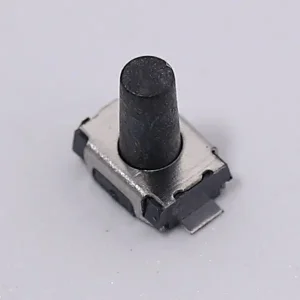
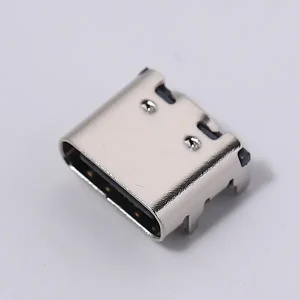
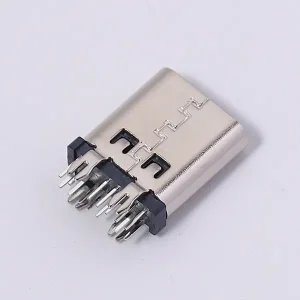
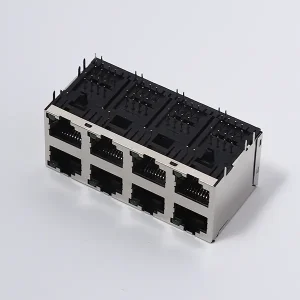
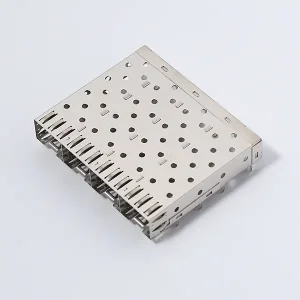
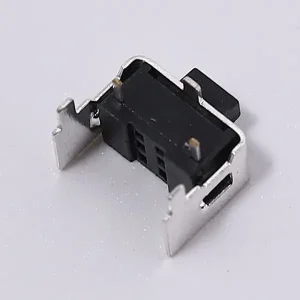
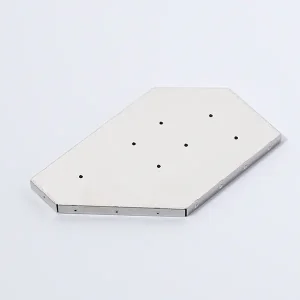
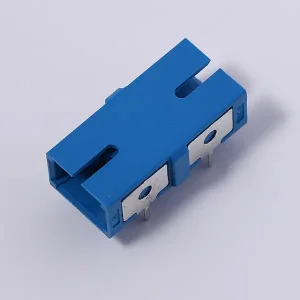
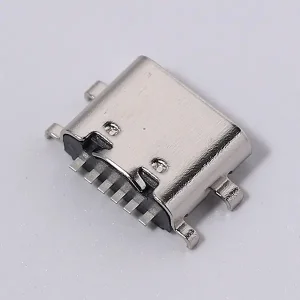
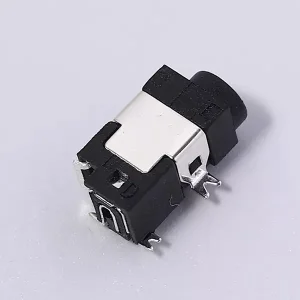
Complementary electronic connectors, headphone jacks, interface sockets, and tactile switches to complete your device layout.
 Stpete Electronics