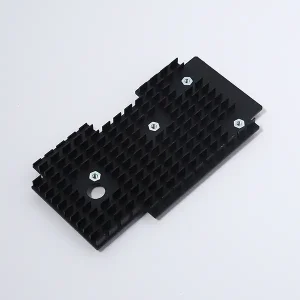
Explore our foundational range of electronic connectors and customized thermal dissipation components.
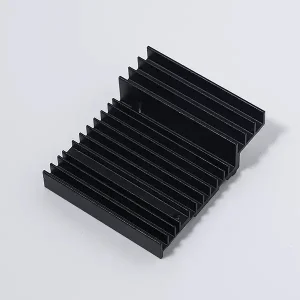
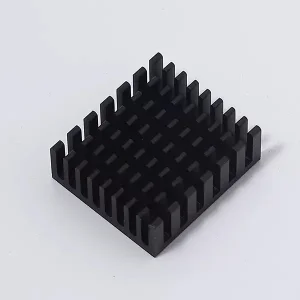
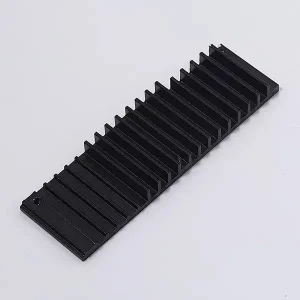
As thermal densities in modern semiconductor modules soar past traditional cooling threshold levels, selecting the optimal heat sink material and fabrication process is paramount. Wenzhou Stpete Electronics Technology Co., Ltd. presents this comprehensive industrial breakdown of aluminum alloy extruded heat sinks.
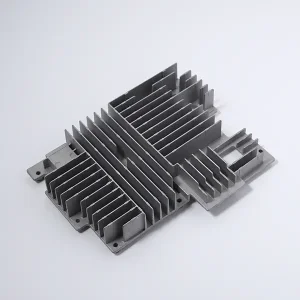
Aluminum alloy remains the industry standard for thermal management due to its high thermal conductivity-to-weight ratio, exceptional structural stability, and structural malleability when undergoing hot extrusion. By forcing preheated aluminum billets through custom-designed steel dies under intense pressure, manufacturers can achieve intricate cross-sectional profiles with maximized surface area—the defining metric of convective thermal transfer.
Understanding the microstructural evolution of alloys like 6063-T5 and 6061-T6 during extrusion allows engineering teams to balance thermal performance against mechanical requirements. Proper metallurgical tempering determines not only yield strength but also surface finish options critical for anodization and electrical insulation.

Strategic insights for procurement directors handling high-performance hardware designs.
Global procurement teams must ensure that extrusion chemistry conforms rigidly to ASTM or EN specifications. A mere 0.5% deviation in copper or silicon impurities can result in a 10% degradation in bulk thermal conductivity, compromising system lifespan.
Understanding die life expectancy is critical. Traditional H13 steel toolings exhibit wear after 1000-1500 extrusion cycles. For large-scale multi-year rollouts, negotiating die replacements upfront mitigates hidden custom manufacturing fees.
As sustainability regulations intensify, compliance with RoHS 3.0, REACH, and conflict-free minerals protocols is no longer optional. Leading exporters must provide full material declarations (IMDS) with every container shipped.
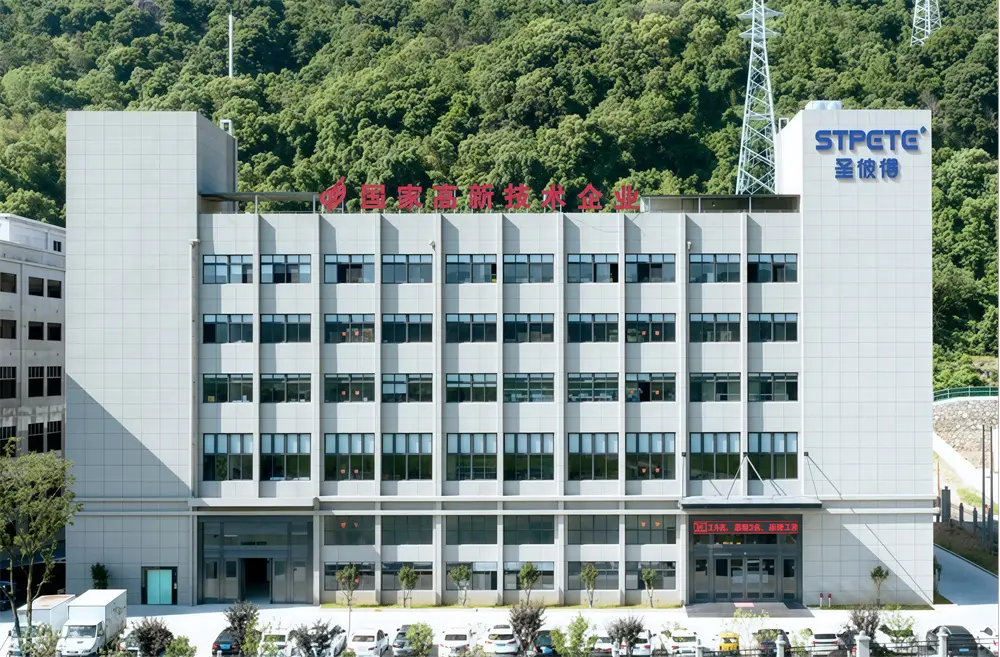
At Wenzhou Stpete Electronics Technology Co., Ltd. (established in 2005), quality control is an engineering discipline, not a checklist. Our testing facility is equipped with automated optical inspection systems, coordinate measuring machines (CMM), and digital durometers to check hardness metrics of heat sinks post-tempering.
During the extrusion phase, flow rates must remain consistent to prevent micro-fissures or structural void propagation in the fins. The cooling profile, usually a combination of forced air and water quenching, is calculated to match the specific wall thickness of the product. This avoids warp and ensures strict flatness tolerances across the primary component contact surface.
We run continuous quality checkpoints: inspection of incoming ingot purity, real-time pressure testing during die-forming, and high-frequency thickness verification using custom calibrators. Our systems meet ISO 9001:2015, ISO 14001, and ISO 45001 benchmarks, ensuring compliance with global tier-one supply chains.
Wenzhou Stpete Electronics Co., Ltd. provides customized structural parts for telecommunication and server platforms.
Operating with over 30 technical R&D specialists, Stpete Electronics allocates over 15 million RMB annually to research. Our patent library holds 21 registered design patents, pushing the boundaries of miniaturized connectivity and thermal engineering.
From initial high-purity ingot selection to hot extrusion, CNC processing, and surface validation, our quality framework guarantees that structural components meet rigorous specs required by top partners like Huawei and Hisense.

By leveraging automated stamping, vertical machining centers, CNC drilling, and insert molding technologies, we minimize operational cycle times while maintaining a tight concentricity and dimensional tolerance of ±0.02mm.
How specialized extrusion technologies address cooling challenges in key growth markets.
High-frequency RF transceivers generate concentrated heat flux. Stpete's customized aluminum profiles offer optimized fin density and thickness ratios, reducing thermal resistance to ensure uninterrupted data transmissions under extreme outdoor conditions.
Solar inverters and wind converters require massive radiators to cool IGBT power modules. We supply high-profile, wide-base aluminum heat sinks that support natural convection cooling and forced-air environments, extending component operational lifespans.
Automotive electronics require lightweight, high-strength chassis components that serve dual purposes: protective enclosures and thermal transfer paths. Stpete designs integrated solutions to meet EV structural and thermal requirements.
An organization's capacity to deliver zero-defect manufacturing services rests on internal alignment and shared engineering values. Wenzhou Stpete Electronics Technology Co., Ltd. conducts regular cross-departmental alignment training programs to maintain shared operational goals.
During our summer team-building activities, R&D teams, quality verification technicians, and export logistics coordinators collaborated outside of the office. These activities simulate complex project challenges, building trust and communication pathways that reflect directly in our production line management.
By bridging departmental silos, our teams coordinate product handoffs quickly. This ensures custom designs move efficiently from CAD files, through die manufacturing, to global shipping docks.

Our modern production floor runs multi-axis CNC milling centers, high-pressure aluminum profile extruders, automated surface treatment lines, and precision stamping cells.
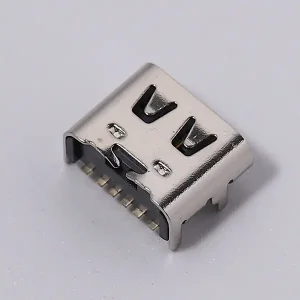
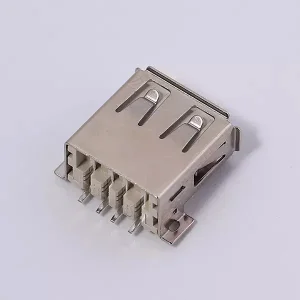
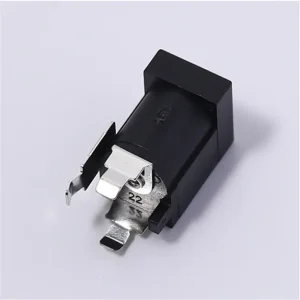
These facilities allow us to process a wide range of electronic connector formats, network jacks, DC power sockets, USB boards, and complex thermal profiles. By managing the supply chain in-house, we control mechanical tolerances, mechanical finish options, and cost structures to benefit our global OEM partners.
How we are preparing Wenzhou Stpete Electronics Technology Co., Ltd. for next-generation thermal challenges.
Developing ultra-thin wall extrusion methodologies to reduce unit weight while expanding effective cooling areas. Ideal for next-generation portable electronics and localized hotspot management.
Integrating copper vapor chambers and heat pipes directly into extruded aluminum bases. This technique balances the rapid heat spreading of copper with the lightweight convection properties of aluminum.
Experimenting with graphene coatings and carbon nanotube infusions during post-extrusion surface treatment to boost radiant heat transfer coefficients in natural convection settings.
Get direct answers to common engineering and sourcing questions regarding extruded aluminum components.
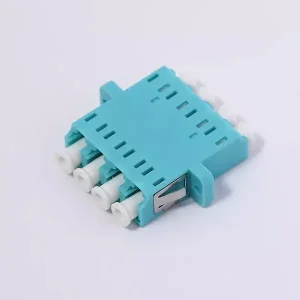
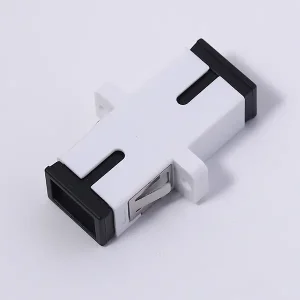
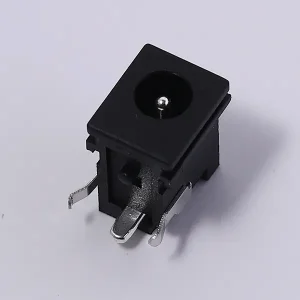
Complete your sourcing specifications with our certified electronic components and interface adapters.
 Stpete Electronics