Explore our highly demanded range of high-quality electronics connectors, interface components, and custom-molded parts engineered for global tech hubs.
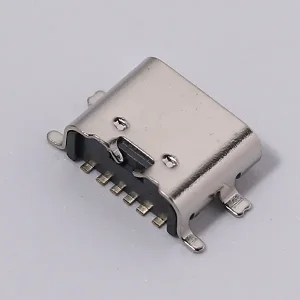
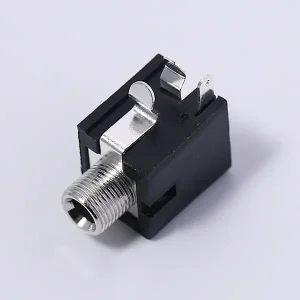
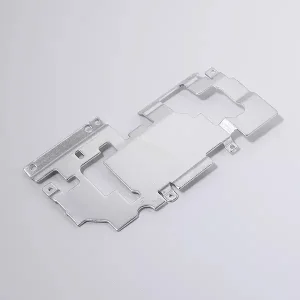
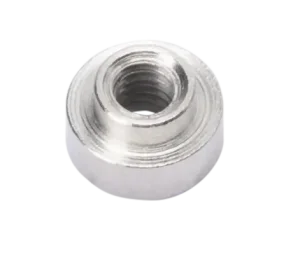
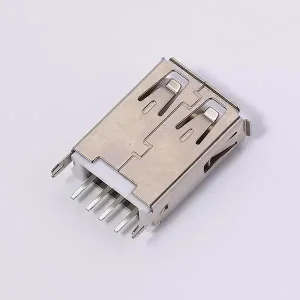
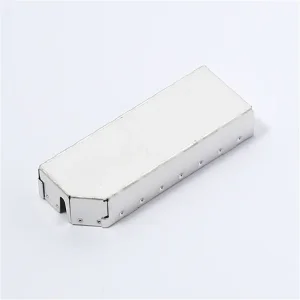
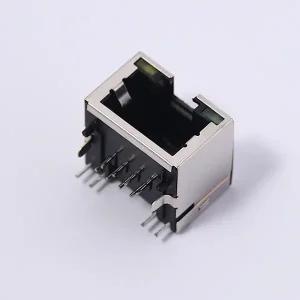
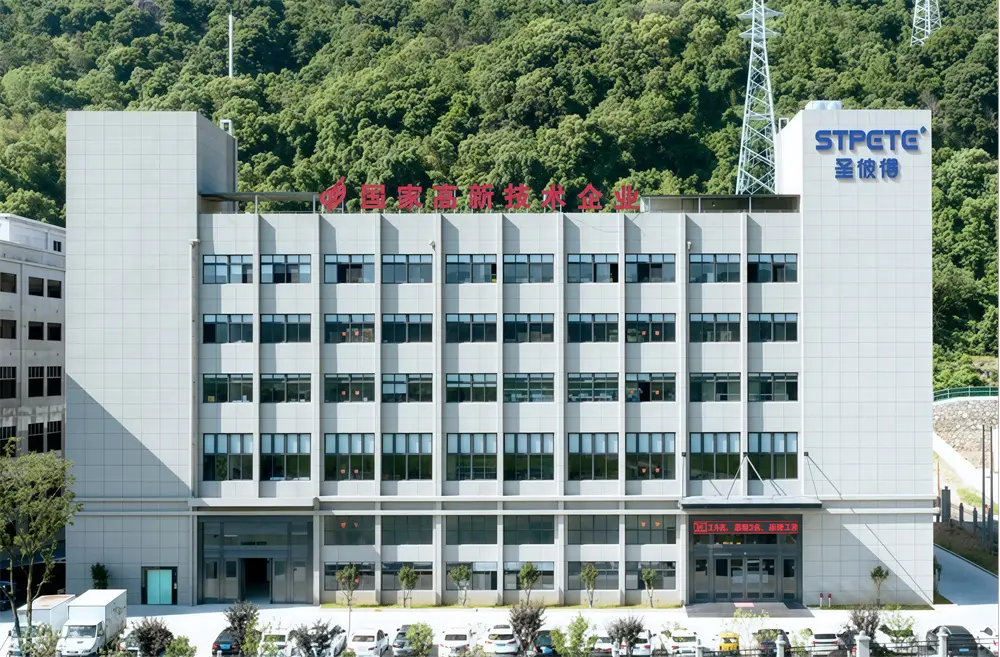
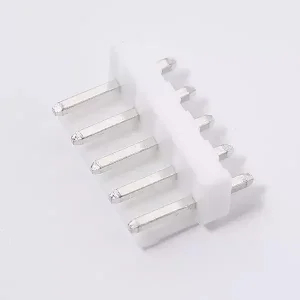
Established in 2005, Wenzhou Stpete Electronics Technology Co., Ltd. is a recognized high-tech enterprise specializing in the design, development, production, and sales of cutting-edge electronic connectors and thermal management profiles. Over the past two decades, we have established a solid reputation among domestic and international customers for our excellent product quality, high reliability, and efficient cross-border trade operations.
Equipped with state-of-the-art high-tonnage punching machinery and multi-axis CNC machines, we ensure exceptional accuracy and consistent production metrics. We are certified under ISO 9001, ISO 14001, and OHSAS 18001 standards, holding numerous national utility and invention patents.

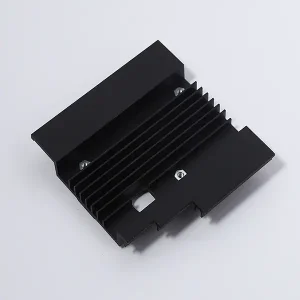
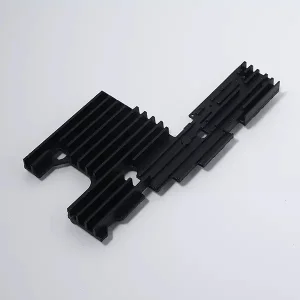
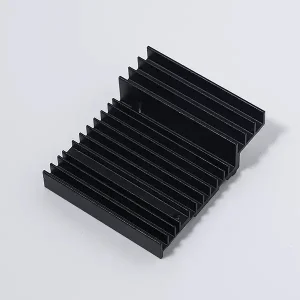
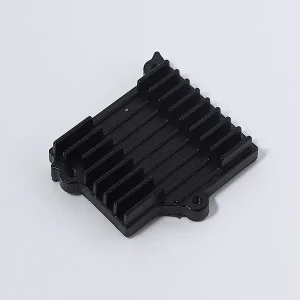
In modern electronic packaging, thermal energy dissipation remains the single most critical constraint for performance scaling and device reliability. As silicon densities push thermal design power (TDP) thresholds to unprecedented levels, passive cooling mechanisms must achieve near-optimum heat transfer coefficients. OEM customized profile radiators stand at the center of this thermal solution paradigm, serving as high-conductivity interfaces that protect core semiconductor units in telecom base stations, electric vehicle powertrains, high-power LED systems, and server power distribution boards.
Choosing the correct customized profile radiator manufacturer is not merely an exercise in mechanical sourcing; it requires a deep alignment of material physics, precise mechanical tolerances, extrusion engineering, and advanced surface finishes. For procurement executives and system architects, understanding the macro-industry solutions and manufacturing limitations represents a substantial step toward ensuring competitive pricing and technological superiority.
Over 30 technical R&D personnel working in synergy to execute bespoke heat sink simulations and advanced packaging configurations. We invest over 15 Million RMB annually in R&D.
Our processes are guided by strict quality controls, beginning at raw aluminum alloy assessment (density, elemental verification) down to CNC geometric dimension verification.
Utilizing insert molding, robotic finished product assembly, and custom CNC extrusion-fin slicing. Our infrastructure minimizes human error and guarantees repeatable tolerances.
Global industrial purchasing metrics have shifted from simple transaction-oriented cost models to dynamic supply security and technology collaboration frameworks. Large-scale tech enterprises, industrial equipment integrators, and infrastructure builders are evaluating profile radiator suppliers based on several parameters:
The manufacturing roadmap of custom profile radiators is governed by structural alloy limitations. The industry utilizes specific heat-treatable aluminum alloys, predominantly within the 6000-series family, due to their excellent balance of thermal conductivity, mechanical strength, and extrudability.
| Alloy Grade | Thermal Conductivity (W/m·K) | Yield Strength (MPa) | Primary Industrial Applications |
|---|---|---|---|
| AL6063 | 200–210 | > 170 | Highly complex profiles, high-density fins, base plates, general electronics |
| AL6061 | 160–170 | > 240 | High structural load applications, EV enclosures, military-grade enclosures |
| AL1060 / 1050 | ~ 230 | < 50 | Cold-forged pin fin heat sinks where maximum heat transfer is required, low load |
To transition raw extruded shapes into high-efficiency radiators, manufacturers must integrate a series of secondary machining steps. The material must undergo precision sawing, multi-axis CNC drilling, slot milling, and sometimes friction stir welding (FSW) for ultra-wide cooling configurations.
Additionally, the surface treatment applied to the profile radiator determines its long-term reliability and convective capacity:
Industrial design engineers confront complex environments that mandate highly focused solutions. Our R&D team addresses these requirements through specialized design configurations tailored to modern operating environments:
Remote radio units (RRUs) and active antenna units (AAUs) are deployed outdoors, exposing components to fluctuating ambient conditions and high solar loads. Custom profile radiators in these systems require thick baseplates to absorb thermal transients, combined with optimized vertical fin configurations that maximize natural airflow without accumulating dust or debris.
EV onboard chargers (OBC), DC-DC converters, and traction inverters generate high heat loads within compact volumes. Custom radiators often integrate liquid cooling channels or are mounted directly to cold plates with high-density skived fins to ensure the junction temperature of the silicon-carbide (SiC) MOSFETs remains within safe parameters.
Variable frequency drives (VFD) and wind/solar converters depend on heavy-duty IGBT stacks. Here, the radiator profiles are designed with specialized interlocking channels or high-aspect-ratio fins, which can only be achieved via sophisticated extrusion tooling, ensuring the module operates under low-fatigue thermal cycling conditions.
Backed by 20 years of manufacturing excellence, Wenzhou Stpete Electronics utilizes specialized equipment and deep engineering expertise to guarantee production precision.
Building a global supply partnership demands more than technological capability; it requires operational agility and a unified organizational culture. In our quest to maintain global supply chain efficiency, Wenzhou Stpete Electronics places equal emphasis on manufacturing excellence and team cohesion.
Every year, our organization hosts strategic team-building activities designed to strengthen inter-departmental communication between R&D engineers, production foremen, quality control technicians, and international sales specialists. By cultivating trust, creative problem-solving, and shared values outside the laboratory environment, our staff operates as a single unit. This cohesion directly benefits our clients through reduced engineering lead times, accelerated prototype cycles, and highly responsive support when adjusting to dynamic design changes or tight project deadlines.
Furthermore, our localized engineering support and customer service desk guarantee response times of under 24 hours. We recognize that design cycles wait for no one. Providing direct access to our engineering team helps minimize communications loops, ensuring that design modifications can be translated to CNC machine instructions within hours of approval.
Get authoritative answers on design specifications, material capabilities, and customization options for profile radiators.
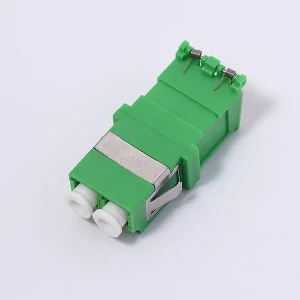
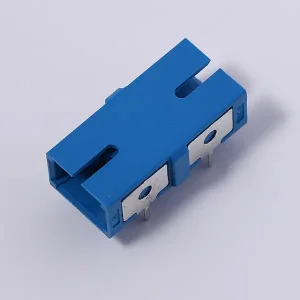
Discover more of our high-quality components, fiber optic connectors, and custom electronic interfaces designed for zero-defect integration.
 Stpete Electronics