Direct from Wenzhou Stpete Electronics Technology's automated production lines. Certified reliable designs for consumer systems, networks, and communication interfaces.
As modern technology environments demand higher processing performance within increasingly constrained spatial structures, the demand for Flexible Flat Cable (FFC) connectors has transitioned from a basic passive component requirement to a highly specialized technological engineering priority. An FFC connector acts as a crucial bridge, carrying high-density signal pathways over flexible, paper-thin ribbon structures that withstand physical bending, vibrations, and thermal extremes. For B2B procurement managers and system architects, sourcing through proven OEM FFC connector factories and direct exporters is not simply a purchase decision—it is a partnership focused on reliability, mechanical integrity, and long-term cost optimization.
Understanding these intricacies requires a deep dive into the engineering capabilities of suppliers. From pitch precision (ranging down to ultra-fine 0.3mm variants) to the raw metallurgy of phosphorous bronze contacts and gold plating options, every parameter directly affects electrical impedance, contact resistance, and ultimate wear cycles. Partnering with a comprehensive manufacturer that bridges high-volume production with custom prototyping ensures that performance tolerances are met consistently across high-scale distributions.
Corporate procurement in the B2B electronic component sector is characterized by strict quality-to-cost parameters, lead-time predictability, and regulatory compliance. Flexible Flat Cables and matching connector sockets face a highly specialized set of purchasing requirements. Globally distributed industrial markets require connectors that perform optimally in extreme environments, while consumer electronics buyers demand highly competitive cost-per-pin structures.
Maximizing signal pathways within micro-scale electronic designs, achieving pitches from 0.3mm to 1.25mm without compromising insulation resistance or adjacent signal stability.
Integration of electromagnetic interference (EMI) shields, grounded terminals, and high-impedance matched materials (e.g., 100-ohm differential signals for LVDS networks).
High wear cycle capabilities matching ZIF (Zero Insertion Force) or LIF (Low Insertion Force) configuration parameters, minimizing interface abrasion during assembly and maintenance.
Mitigating logistical bottlenecks through supply chain redundancy, local stocking partners, and optimized export/customs facilitation protocols.
To address these needs, OEM manufacturers are increasingly adopting advanced automation in their assembly processes. Automated optical inspection (AOI) and real-time continuity testing systems ensure that every FFC/FPC connector shipped conforms to original engineering tolerances. By automating stamping, plating, and pin insertion, direct exporters can provide highly stable quality metrics, reducing incoming component failure rates at customer integration sites to virtually zero.
Established in 2005, Wenzhou Stpete Electronics Technology Co., Ltd. is a high-tech enterprise specialized in the research, development, custom manufacturing, and global export of advanced electronic connectors. Over nearly two decades, Stpete has established itself as a reliable technical partner for Tier-1 technology brands and global electronics distributors.
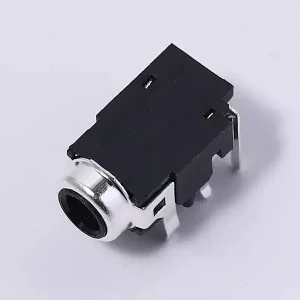
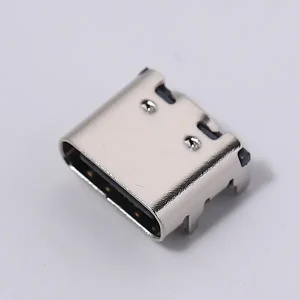
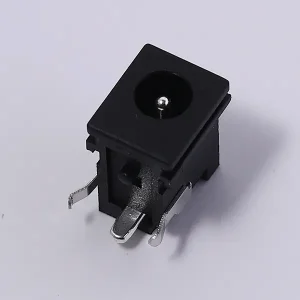
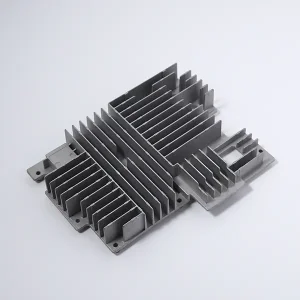
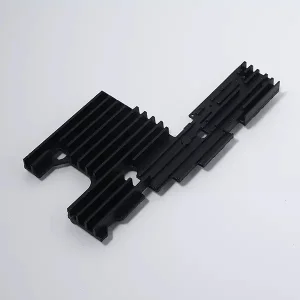
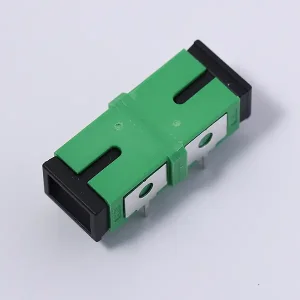
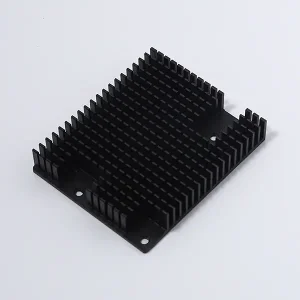
Operating out of a highly automated, ISO-certified manufacturing facility, the company manufactures high-precision components, including: IF radio-frequency terminals, FCB network jacks, DC power outlets, USB sockets, AV pin jack boards, heat dissipation radiators, and specialized micro-pitch FFC systems. We utilize high-level punching machines and precision CNC machinery to ensure exact tolerances and consistent mechanical fit.
Our collaborative partnerships with industry leaders like Huawei and Hisense underscore our dedication to meeting strict performance standards. By integrating early-stage design consultation with rapid prototyping and high-volume manufacturing, Stpete delivers reliable, high-yield solutions that fit seamlessly into high-speed digital architectures.

FFC connectors are key components across a wide range of industries, handling critical data, control paths, and power signals. Our specialized engineering services adapt flat flex topologies to match the specific needs of diverse applications.
Used widely in Smart TVs, OLED displays, UHD panels, laptops, and smart home appliances, where flexible 0.5mm pitch FFC systems connect motherboard layers to high-definition display panels without signal interference.
Automotive grade ZIF connectors support high-temperature polymer materials to endure thermal cycling. Ideal for instrument cluster connections, steering column interfaces, GPS, and radar modules.
Robotic arms and automated sorting lines require dynamic flex properties. High-durability FFC setups support multi-million cycle dynamic bends, keeping critical sensor signals intact.
High-resolution imaging devices, patient monitoring units, and chemical testing systems benefit from the low-noise, high-density characteristics of gold-plated, shielded FFC interfaces.
Modern electronic engineering requires constant refinement of component specifications. Our R&D division focuses on material developments, electromagnetic shielding, and high-temperature polymers to meet the challenges of next-generation device architectures.
| Performance Vector | Standard Technical Specifications | Advanced Custom Options (OEM/ODM) | Primary Testing Standards |
|---|---|---|---|
| Pitch Configurations | 0.5mm, 1.0mm, 1.25mm, 2.54mm | Ultra-fine 0.3mm pitch | JIS C5402 / IEC 60512 |
| Contact Resistance | ≤ 20 mΩ Max initial | ≤ 15 mΩ Max initial | MIL-STD-202 Method 307 |
| Voltage & Amp Ratings | 50V AC/DC, 0.5A per pin | 125V AC/DC, Up to 1.2A per pin | UL 1977 / CSA C22.2 |
| Mating Cycles | 20 to 30 insertion cycles | Up to 100 cycles (reinforced ZIF contacts) | EIA-364-09 |
| Insulation Base Material | PET (Polyethylene Terephthalate) | PI (Polyimide) for high-thermal applications | UL 94V-0 Flammability |
| EMI Protection options | Unshielded ribbons | Aluminum foil, conductive tape, silver paste | CISPR 25 / ISO 11452 |
As transmission frequencies increase, standard FFC ribbons can suffer from high signal attenuation and cross-talk. To address this, Stpete’s engineering team is developing impedance-controlled FFC systems. By introducing micro-stripline structures, grounded coplanar lines, and high-performance shielding films, these next-generation connectors support data rates exceeding 10 Gbps. They are ideal for high-definition video interfaces like eDP (Embedded DisplayPort), HDMI 2.1, and high-frequency LVDS protocols.
At Stpete, quality is built into every step of the process. We manage quality through strict material inspections, production monitoring, and outbound product verification. Our quality assurance framework meets the requirements of ISO 9001:2015, ISO 14001:2015, and ISO 45001:2018 standards.
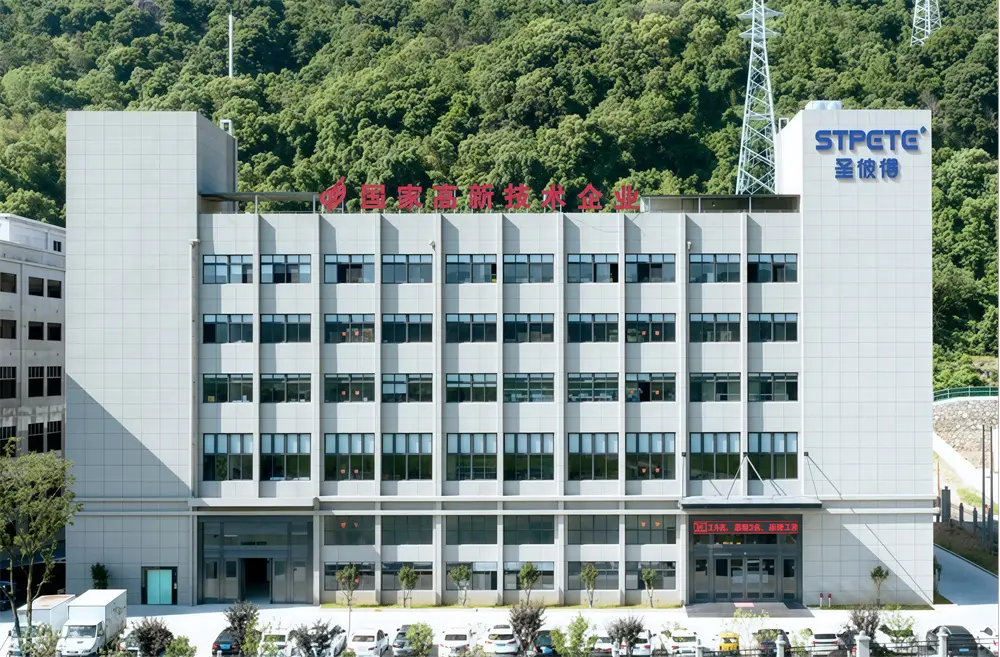
Our quality control laboratory is equipped with precision testing tools to verify structural, electrical, and environmental performance. Our equipment includes high-accuracy CNC measuring units, vision projection measurement systems, micro-ohm resistance meters, and environmental test chambers (for thermal shock, salt spray resistance, and relative humidity analysis).
Every batch of raw metal alloy and polymer compound undergoes incoming quality checks (IQC) to ensure compliance with flame retardancy and composition standards. Process parameters are tracked continuously across stamping, plating, and final assembly stages, minimizing variance and product defects.
Our team-building activities and collaborative workspaces are designed to build unity and cooperation among our employees. Through interactive challenges that build trust and encourage communication, our team members refine their problem-solving skills outside the office environment. This strong internal alignment helps us respond rapidly to custom customer requests and handle high-volume export orders efficiently.
Our organizational focus on safety, continuous training, and shared goals supports high employee retention. This helps maintain consistent craftsmanship and operational knowledge across our production lines.

Stpete manages raw materials to finished products internally, using a vertically integrated production structure that protects intellectual property and controls final product costs.
Supported by 30+ technical R&D personnel and over 15 million RMB in annual research investments. Stpete holds 21+ design patents and utility model registrations for electronic connector products.
Using advanced punch machines and CNC equipment, we form metal terminals with high dimensional accuracy. This ensures stable mating interfaces and consistent contact pressure.

Our assembly lines integrate insert molding, robotic terminal insertion, and automated packaging. This approach improves productivity and keeps manufacturing quality consistent across high-volume production runs.
Sourcing components from international suppliers requires compliance with regional environmental and safety regulations. Stpete ensures that all exported electronic connectors meet strict international standards, allowing for direct integration into systems sold in the European Union, the Americas, and the Asia-Pacific region.
All component materials are analyzed to ensure they contain no heavy metals, polybrominated biphenyls, or phthalates, meeting EU Directive 2011/65/EU guidelines.
Our connector portfolios meet European Union safety, health, and environmental requirements, and are tested under recognized UL safety standards.
We work with international logistics partners to coordinate sea, air, and express shipments. With optimized customs handling, we ensure predictable delivery times to global warehouses.
Additionally, we offer localized technical support. Our application engineers provide remote design assistance, electrical simulations, and custom terminal configurations. This helps B2B system developers quickly resolve integration questions and shorten product development cycles.
Key technical answers compiled by our application engineering team to assist B2B purchasers and design engineers during connector selection.
We apply specialized electromagnetic shielding to the flat cables, such as aluminum foil wrap, conductive adhesive tapes, or silver paste print layers. This shielding is connected to ground terminals within the connector socket to provide an path for electromagnetic noise, keeping signals clean in sensitive designs.
ZIF (Zero Insertion Force) connectors use a mechanical locking lever or slider. When opened, the cable slides in with no friction, preventing wear on the contacts. Closing the lever applies high contact pressure. LIF (Low Insertion Force) connectors do not have a lever; the cable relies on friction insertion, which is a cost-effective solution for systems with low mating cycles.
Gold plating is ideal for low-voltage, low-current signals that require low contact resistance and high corrosion protection over many mating cycles. Tin plating is a cost-effective alternative for static, higher-current systems with fewer mating cycles, provided operating temperatures remain moderate.
Yes. We manufacture ZIF variants with active side-locks that secure the FFC tab in place. This prevents the cable from backing out under continuous vibration. Additionally, we use high-temperature insulation films (such as Polyimide) to ensure reliable operation in demanding automotive environments.
Depending on configuration complexity and volume, standard lead times for custom tooling and production range between 2 to 4 weeks. Standard catalog items can be processed and shipped from our warehouse facilities more quickly.
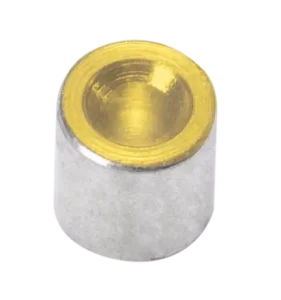
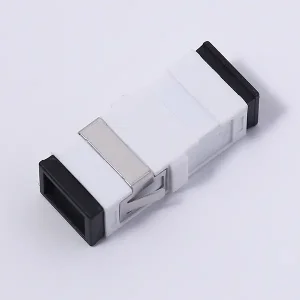
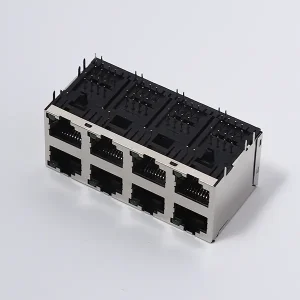
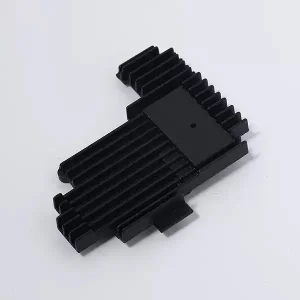
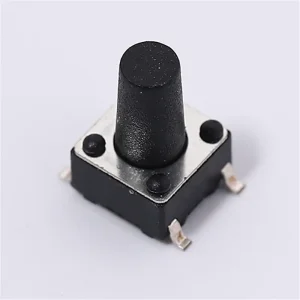
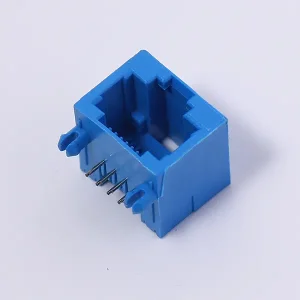
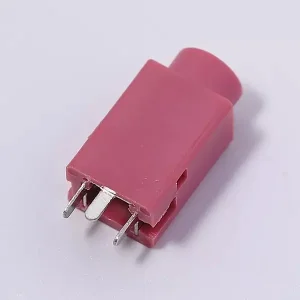
Below is our secondary selection of electro-mechanical components, network interfaces, and audio jacks. All manufactured under strict QA parameters for global distribution.
Looking for custom pitch configurations, high-speed differential signal structures, or volume price lists? Leave us a message and we will respond with a detailed technical proposal within 24 hours.
Send Engineering Inquiry Stpete Electronics