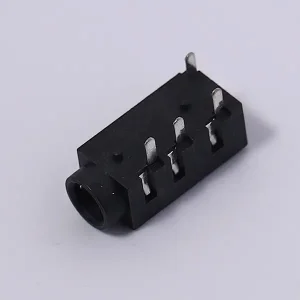
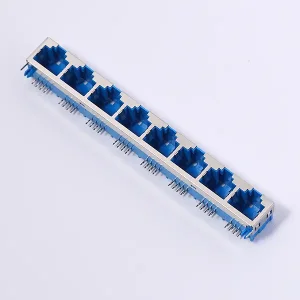
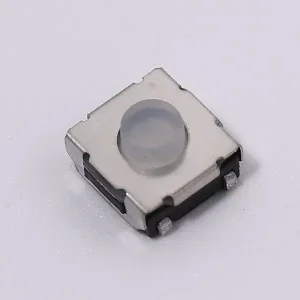
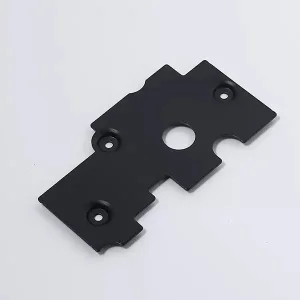
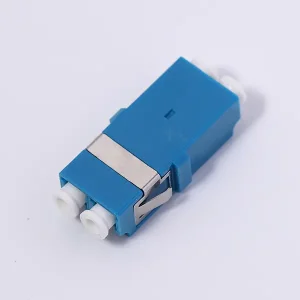
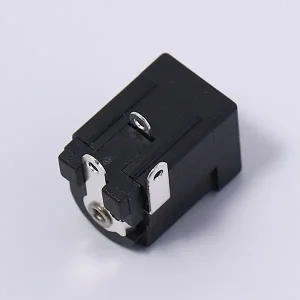
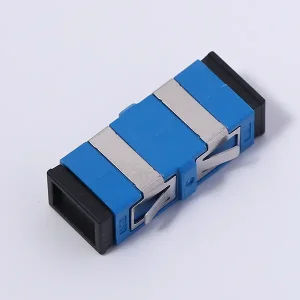
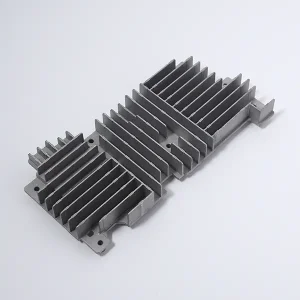
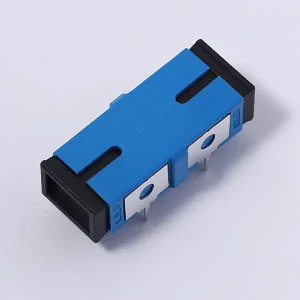
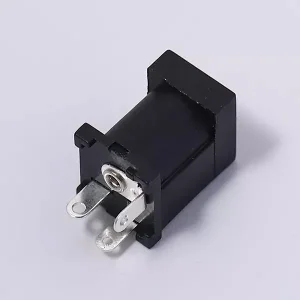
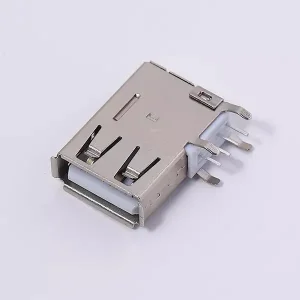
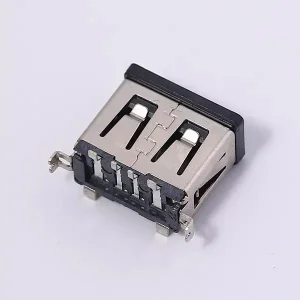
Explore our state-of-the-art catalog of connectors, switches, and high-performance hardware manufactured under strict ISO quality standards.
A deep technical dive into how advanced aluminum alloys resolve the most demanding heat dissipation challenges in modern high-power assemblies.
As micro-electronic systems compact and power densities rise exponentially, managing heat generation is the single most critical challenge to system longevity and reliability. Operating as an established player since 2005, Wenzhou Stpete Electronics Technology Co., Ltd. has developed refined competencies in thermal substrates, connectivity solutions, and precision hardware integration.
High thermal conductivity aluminum sheets are the bedrock of reliable thermal design. Whether integrated as a simple heat spreader or engineered as the base metal cladding for a Metal Core PCB (MCPCB), the pure thermal transfer efficiency of these components determines system headroom. By utilizing advanced aluminum alloys, we ensure that thermal resistance is minimized while mechanical stability, structural weight-saving, and cost-efficiencies are maximized.

Understanding the physical and thermodynamic properties of common high thermal conductivity aluminum alloys used in electronic systems.
| Alloy Grade | Thermal Conductivity (W/m·K) | Tensile Strength (MPa) | Elongation (%) | Primary Industrial Applications |
|---|---|---|---|---|
| 1060 / 1050 (Pure Al) | 220 - 230 | 75 - 105 | ≥ 10% | LED Heat Sinks, MCPCB substrates, low-stress busbars. Excellent thermal performance but soft. |
| 3003 (Al-Mn alloy) | 160 - 190 | 140 - 180 | ≥ 8% | EV Battery cooling plates, radiator tubes, heat exchangers. Great corrosion resistance and weldability. |
| 5052 (Al-Mg alloy) | 138 - 150 | 190 - 250 | ≥ 7% | Enclosures, structural brackets, marine grade electronic boxes. High strength and vibration fatigue resistance. |
| 6061 (Al-Mg-Si alloy) | 150 - 170 | 260 - 310 | ≥ 10% | CNC Machined heat sinks, structural frame mounts, high-stress electronic hardware. Heat treatable. |
| 6063 (Al-Mg-Si extrusion) | 200 - 210 | 180 - 230 | ≥ 8% | Extruded profiles, fin-style heat spreaders, telecom enclosures. Balances structural strength and thermal transfer. |
*Note: The choice of alloy must balance thermal performance against mechanical stress requirements. Our engineering team assists global clients in evaluating whether high thermal output (1000-series alloys) or higher structural yield strength (6000-series alloys) is required for their specific designs.
Since 2005, we have combined state-of-the-art technology with rigid engineering practices to serve global electronics leaders.
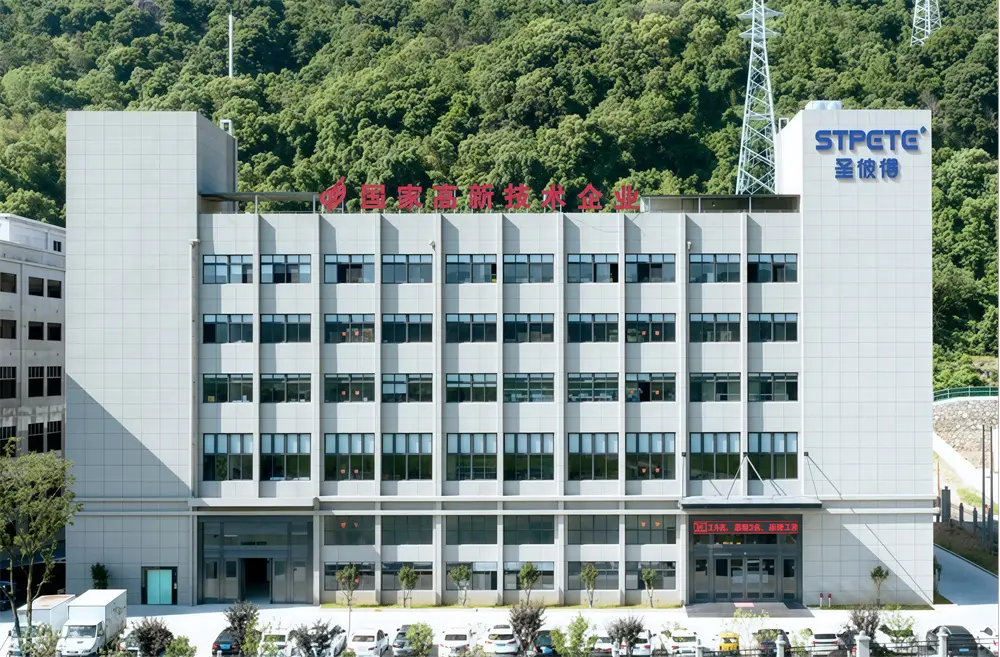
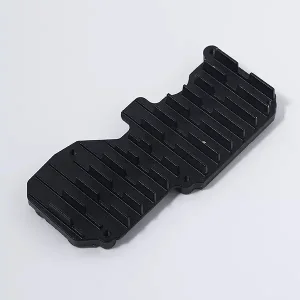
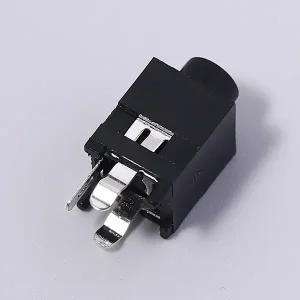
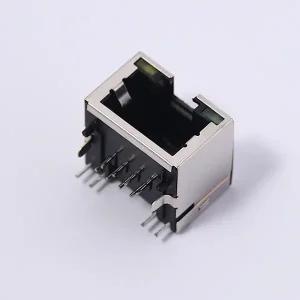
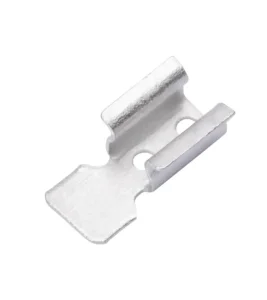
We boast a complete suite of precision equipment for advanced component manufacturing, enabling us to deliver reliable electronic connectors, switches, RF terminals, DC power outlets, USB sockets, and custom radiator panels. Our manufacturing floor includes high-level punching machines and automated CNC milling units to ensure micron-level tolerances.
Quality assurance is embedded in our DNA. We perform incoming material testing, in-process inspection checkpoints, and detailed finished-goods assessments to prevent defects from reaching our clients. With certificates of ISO 9001, ISO 14001, and OHSAS 18001, we have earned the trust of elite tier-1 brands, working as collaborative manufacturing partners for technological leaders including Huawei and Hisense.
Providing tailor-made thermal infrastructure across modern high-reliability industrial domains.
Modern battery electric vehicles require massive heat management capacity. Our high-thermal-conductivity plates act as structural heat spreaders for lithium-ion battery packs and cooling baseplates for IGBT power modules, preventing thermal runaway and maximizing charging efficiency.
High-frequency antennas and distributed unit hardware generate tremendous localized heat loads. Aluminum sheeting integrated into the chassis and RF amplifier shield-cans aids passive dissipation, keeping internal silicon junction temperatures well within safety limits.
Uninterruptible Power Supplies (UPS), solar inverters, and heavy motor drives rely on aluminum-clad substrates to pull thermal energy away from switching transistors, enhancing active power throughput and avoiding mechanical strain from thermal fatigue cycles.
How our manufacturing footprint optimizes yield rate, secures raw material pipelines, and minimizes production lead times.
Operating a modernized facility in Wenzhou's high-tech industrial hub, Stpete Electronics utilizes automated manufacturing systems alongside strict traceability protocols. Our raw materials are sourced from Tier-1 domestic smelters, guaranteeing stable composition matrices, consistent thermal attributes, and compliance with high dimensional tolerance limits.
By shifting to "Factory 4.0" automation paradigms, we integrate automatic sheet feeding, optical laser cutting, precision progressive stamping dies, and computer-controlled chemical clean-and-finish lines. This automation reduces human error, guarantees surface cleanliness (essential for bonding with thermal adhesives or dielectric insulation prepregs), and lowers production overhead.

Addressing critical procurement variables, technical parameter checks, and engineering custom requirements.
Equipped with advanced CNC machining and stamping presses, we guarantee thickness tolerances down to ±0.05mm and surface flatnesses exceeding industry standards, reducing micro-gaps at interfaces.
We provide multiple finish options to match distinct assembly needs: anodizing, nickel plating, chemical conversion coating, and organic solderability preservatives (OSP) for protection and electrical grounding.
For high-power PCB backings, we integrate dielectric coatings with the aluminum base, supporting voltages up to 6kV while maintaining thermal resistance under 0.05 °C-in²/W.
Mitigating global supply risk through international quality compliance certifications.
To successfully integrate with global electronics assembly supply chains in North America, Western Europe, and East Asia, strict compliance with environmental and technical directives is non-negotiable. Our products meet RoHS (Restriction of Hazardous Substances) and REACH (Registration, Evaluation, Authorisation and Restriction of Chemicals) directives, ensuring zero lead, mercury, or cadmium content.
Additionally, Wenzhou Stpete Electronics ensures all packaging, shipping certifications, and customs documentations are compiled for smooth customs clearing. We support multiple commercial terms (FOB, CIF, DDP) and interface with global courier services and freight networks. Working alongside our global clients, we facilitate localized warehouse support strategies to offer stable delivery and safety stocks close to assembly hubs.
Developing next-generation cooling technologies to support high-density semiconductor assemblies.
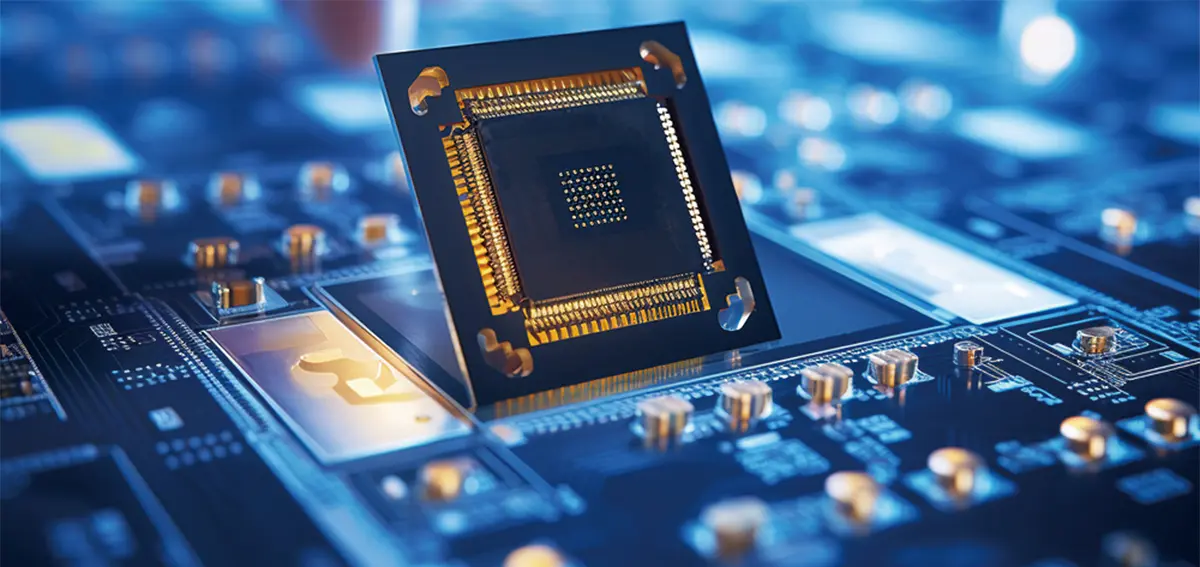
The electronics landscape is shifting rapidly. With the rise of Wide Bandgap (WBG) semiconductors like Gallium Nitride (GaN) and Silicon Carbide (SiC), operating temperatures are climbing higher, pushing traditional thermal management components to their absolute material limits.
Our long-term R&D roadmap focuses on two high-priority pathways:
Get authoritative answers to technical and procurement questions concerning high thermal conductivity aluminum sheets.
The main bottleneck is often the contact resistance at the joint interface. Even highly polished aluminum surfaces contain microscopic air voids. Using high-performance thermal grease, phase change materials (PCM), or elastic thermal pads is critical to fill these gaps and ensure efficient heat transfer.
1060 aluminum contains more than 99.6% pure aluminum, offering a thermal conductivity of roughly 225 W/m·K. In comparison, 6061 alloyed with silicon and magnesium drops to approximately 160 W/m·K. Choose 1060 for maximum heat transfer, and 6061 only when structural strength, load-bearing capability, or complex CNC milling is required.
Anodizing grows a controlled oxide layer on the aluminum. While this layer acts as an electrical insulator and improves surface emissivity (radiant cooling), a thick anodized layer increases conductive thermal resistance. We optimize anodization depth to achieve the ideal balance between protection, heat radiation, and conduction.
Our QC laboratory utilizes Laser Flash Analysis (LFA) and transient plane source methods to measure thermal diffusivity and calculate thermal conductivity. Each production run comes with a matching material test report (MTR) confirming chemical composition and thermal limits.
Building strong engineering solutions through solid team communication and shared vision.
At Stpete Electronics, we believe that technical excellence is built on a foundation of communication and shared values. Every season, our organization hosts interactive group outings and structural team-building initiatives designed to break down communication barriers between our R&D engineering staff, factory floor operators, and global sales professionals.
By fostering trust, shared responsibility, and effective communication, we ensure that project requirements pass seamlessly from customer request to final production output. This internal synergy directly translates to improved quality control, faster response times, and reliable product execution for our partners worldwide.
Complete your systems with our certified line of heavy-duty connectors, high-speed interfaces, and audio jacks.
Send your engineering drawings (DXF/STEP formats), target alloy grades, and expected production volumes to our engineering desk.
*We typically reply with full DFM suggestions and price quotes within 24 hours of receiving your RFQ details.
 Stpete Electronics