Explore our world-class, certified electronic connector systems, gaskets, and thermal dissipation systems designed to guarantee extreme signaling performance.
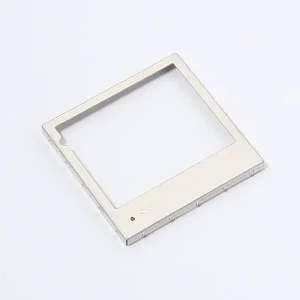
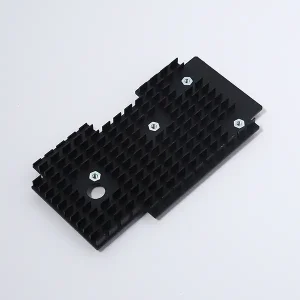
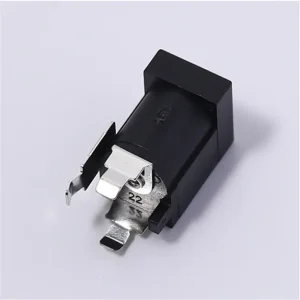
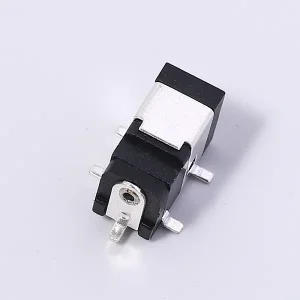
In the hyper-accelerated era of global digital infrastructure, hyperscale data centers, generative artificial intelligence compute clusters (AI workloads), and 5G/6G communication networks demand unprecedented bandwidth. This technical shift has catapulted the requirements for optical transceivers from traditional 100G/200G paradigms into ultra-high-speed 400G, 800G, and next-generation 1.6T OSFP/QSFP-DD coherent optical communications systems. At these astronomical bandwidth levels, the optical module casing ceases to be a simple physical protective metal container. Instead, it becomes a crucial, multi-functional engineered component responsible for electromagnetic interference (EMI) shielding, micro-precision alignment, sub-micron tolerances, and severe thermal dissipation management.
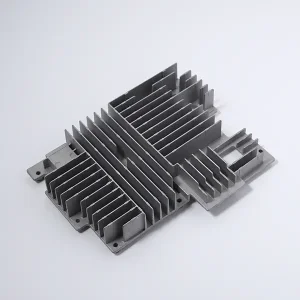
As transceivers scale up to 800G and 1.6T, energy density spikes. High-precision aluminum and zinc alloy casings act as integrated structural heat sinks, channeling thermal energy away from delicate optoelectronic chipsets to prevent performance degradation or total component failure.
High-frequency data lanes are highly sensitive to electromagnetic interference. Custom-designed OEM module housings feature integrated surface metallic coatings and gasket interfaces to effectively cage signal radiation, securing absolute link integrity.
Optical fibers require flawless spatial alignments down to single-digit micrometers. Our advanced tooling ensure that all structural bays, snap-on locks, and laser guide channels align precisely with the optical carrier components, minimizing coupling losses.
Procurement directors and product design engineers at global tier-1 network equipment manufacturers (NEMs) analyze several strict parameters when sourcing OEM casing components. These components must perform consistently across diverse environmental configurations, from cold subsea fiber stations to blazing hot edge computing clusters located in arid regions.
Must withstand severe salt spray environments (up to 48 or 96 hours of ASTM B117 standards) without corrosion. Standard-compliant coatings like nickel plating over zinc alloys or chemical conversion coatings on aluminum must not flake or peel under multi-insertion stress.
Optical casings must endure hundreds of hot-plug cycles without losing structural integrity or damaging the gold fingers on the host board interface. Smooth latching, bail actuation forces, and ejector mechanisms must operate within 0.1mm accuracy limits.
Full conformance to environmental standards is non-negotiable. Modern global enterprises mandate RoHS 3 (Restriction of Hazardous Substances), REACH (Registration, Evaluation, Authorisation and Restriction of Chemicals), and UL-94 V0 flammability classifications.
Established in 2005, Wenzhou Stpete Electronics Technology Co., Ltd. has spent two decades pioneering the design, development, and mass-scale production of high-performance electronic connectors, RF terminals, and custom radiator interfaces.
We operate at the intersection of high-precision material engineering and automated supply chain architectures. By integrating state-of-the-art multi-stage automatic stamping dies, modern CNC milling clusters, and customized surface plating processes, we deliver high-reliability hardware casings directly to optical transceiver manufacturers worldwide. Our strategic engineering team works side-by-side with tech titans like Huawei and Hisense, providing robust answers to their complex custom interface challenges.

Every high-speed optical module casing and electronic connector we engineer undergoes a hyper-rigorous multi-stage qualification protocol. From molecular analysis of raw alloys to dynamic insertion tests, we eliminate microscopic defects before shipment.
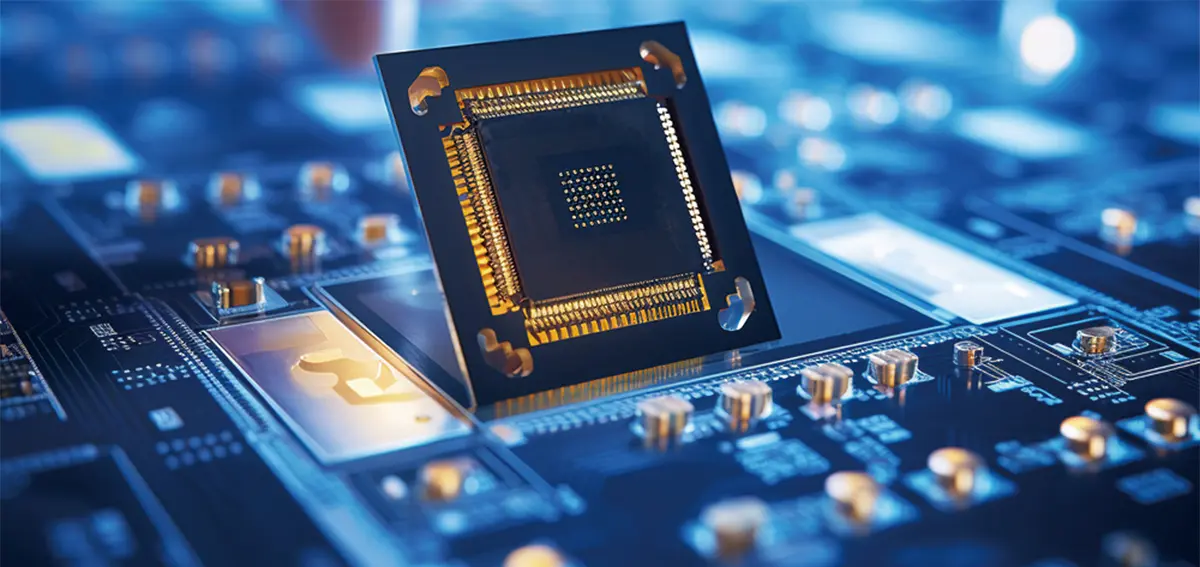
Backed by 30+ core technical R&D personnel, an annual development investment exceeding 15 million RMB, and holding over 21 proprietary invention and utility patents. We design and mock up complex components using advanced computerized simulation systems to model thermal convection and EMI leakage before tool-making.

To guarantee that all components are structurally perfect, our physical testing laboratory is equipped with high-precision optical comparators, X-ray plating thickness analyzers, and raw material spectroscopes. We maintain certified quality management architectures under ISO 9001, ISO 14001, and ISO 45001.

Leveraging advanced automated high-speed stamping presses and dynamic CNC lines, our production floors run continuous insert molding, finished connector assemblies, and high-efficiency automated testing programs. This vertical integration drastically reduces lead times and minimizes manufacturing variations.
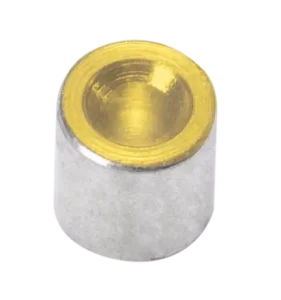
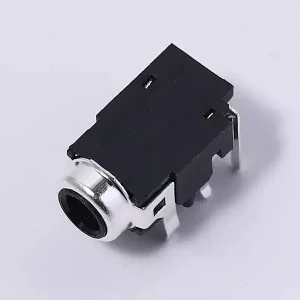
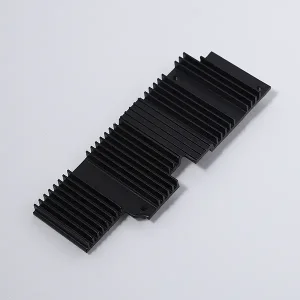
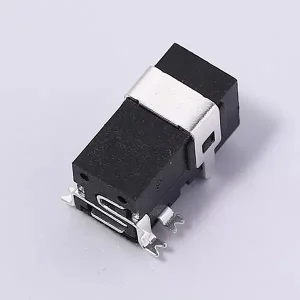
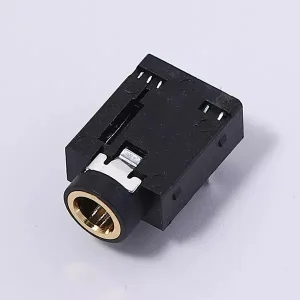
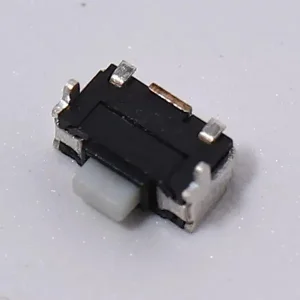
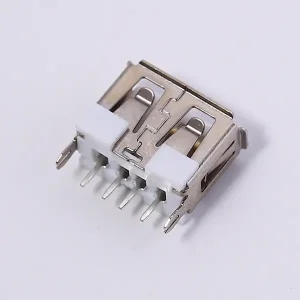
Stpete houses a complete, high-efficiency machining setup to manufacture IF Radio-Frequency Terminals, FCB Network Jacks, DC Power Outlets, USB Sockets, AV Pin Jack Boards, and Precision Radiators. By controlling the production flow of both the module’s structural casing and its internal connector sockets, we solve compatibility issues before they reach your assembly floor.
Our custom OEM optical module casings and related precision micro-hardware are engineered to adapt seamlessly across multiple high-stakes operating environments around the world.
In enterprise setups with thousands of servers running continuous deep learning workloads, 800G transceiver casings must maintain heat dissipation continuously, ensuring sub-micron alignment of optical lenses over decade-long lifespans.
Long-haul coherent optical transceivers operate in environments with varying temperatures. Our zinc alloy and extruded copper-aluminum casings keep the internal laser diodes thermally stable, protecting signal integrity across thousands of kilometers.
Industrial edge computing hubs require physical hardware that is resistant to shock, chemical exposure, and electromagnetic field disruptions. Stpete casings deliver robust physical caging for such demanding deployments.

At Stpete, we believe that absolute mechanical precision is driven by a highly coordinated team of experts. To foster open communication, mutual trust, and dynamic collaborative spirit, we regularly step out of the high-stress factory environment.
Our company organized a dynamic outdoor team-building event set in a beautiful natural landscape. Through challenging problem-solving exercises, our technicians, research engineers, and administrative teams learned to synergize their individual strengths toward common goals.
This event helped build strong personal trust and a unified perspective. This synergy translates directly to our daily work floor, driving our motivation to maintain zero-defect standards for every optical module housing we construct.
Get answers to common technical queries about the metallurgy, precision requirements, and custom sourcing of high-speed transceiver housings.
Zinc alloys possess exceptional flowability, thin-wall strength, and superior dimensional stability. This enables complex micro-features, such as internal locks and alignment channels, to be cast with high accuracy. Additionally, zinc’s density provides natural electromagnetic shielding (EMI), a crucial feature for data rates of 400G and above.
Our casings are designed with overlapping mechanical joints and precision recesses that house conductive elastomer gaskets or metal fingers. This structural fit prevents high-frequency electromagnetic radiation from escaping and interfering with neighboring transceiver channels.
We provide multiple plating configurations based on application requirements. These include bright nickel, semi-bright nickel, gold-over-nickel, and chemical passivations. These finishes enhance wear resistance, corrosion protection, and maintain low contact resistance over the lifecycle of the component.
Yes. Our core business is built around OEM and ODM customization. Our R&D team can import and analyze your CAD/STEP files, suggest mold optimizations for die-casting, and build prototype molds to verify dimensions before starting full-scale production.
Designing and machining custom die-cast tooling typically takes 25 to 35 days, depending on geometry complexity. Once tooling is validated and approved, our automated manufacturing systems can produce from tens of thousands to millions of units per month.
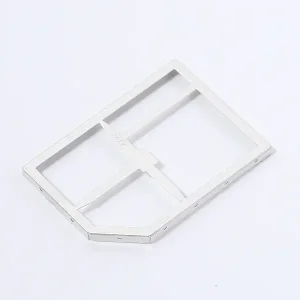
Explore our catalog of custom TYPE-C couplers, heavy-duty DC jacks, headphone inputs, and heat sink assemblies.
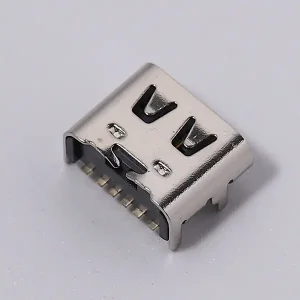
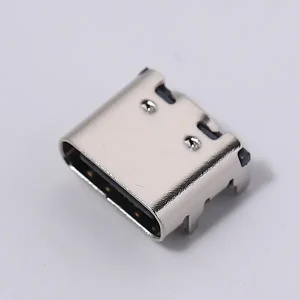
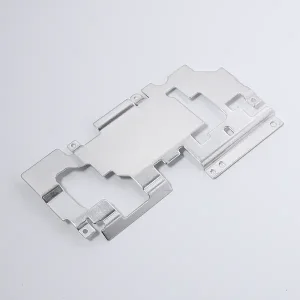
For inquiries about custom specifications, volume pricing, and custom die-cast tooling capabilities, send us your requirements. Our engineering team will respond with a complete analysis within 24 hours.
 Stpete Electronics