Explore our industrial-grade components, certifications, and advanced thermal solutions.
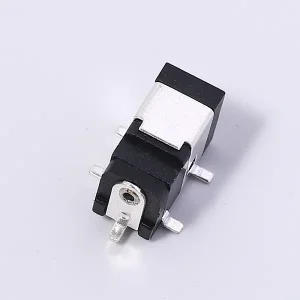
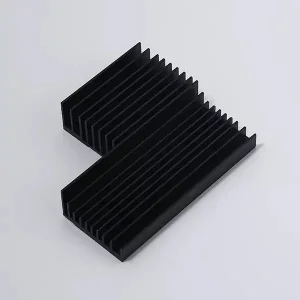
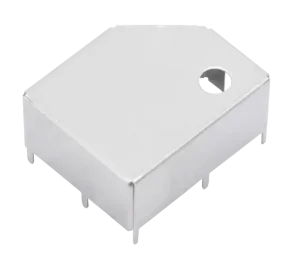
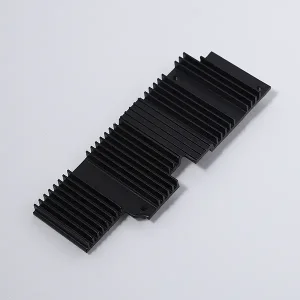
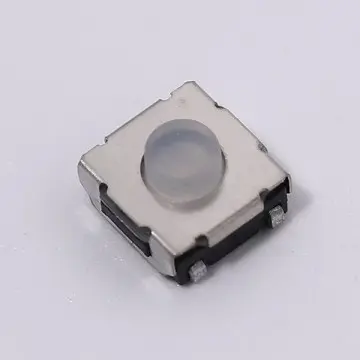
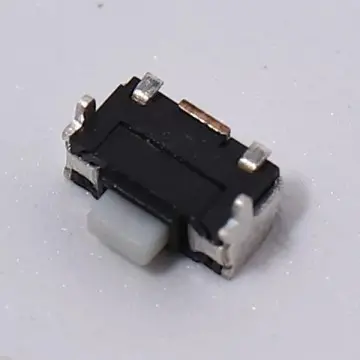
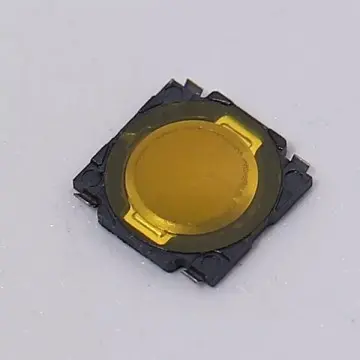
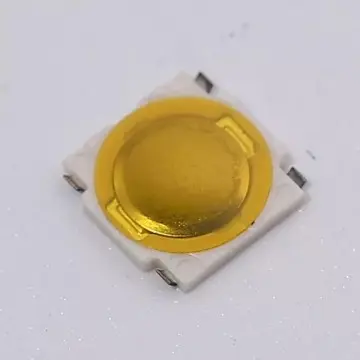
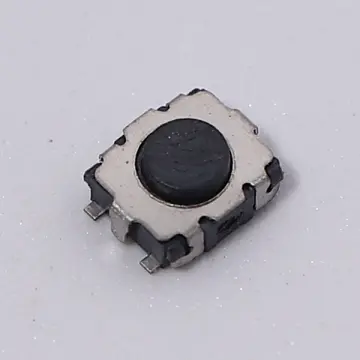
In modern electronic design, the tactile interface stands as the primary touchpoint between human intent and digital execution. The term Press Type Tactile Switch refers to a sub-category of momentary switches designed to provide distinct mechanical haptic feedback upon actuation. As a premier OEM Press Type Tactile Switch manufacturer and factory, Wenzhou Stpete Electronics Technology Co., Ltd. addresses the global industrial demand for highly reliable, tactile interfaces that withstand environmental challenges while maintaining critical electrical characteristics.
The surge in automated industrial systems, smart consumer appliances, high-frequency telecommunication devices, and automotive electronic control units (ECUs) has transformed simple contact mechanics into a field of precision materials science. Modern OEM sourcing processes demand switches that operate without signal degradation across millions of actuation cycles. Through this whitepaper, we present an in-depth analysis of the technologies, manufacturing techniques, quality testing protocols, and future roadmaps governing tactile switch fabrication.
Strict mechanical calibration ensures snap ratios are optimized for tactile distinction, avoiding accidental triggers or soft feedback.
IP67/IP68 dust and water resistance ratings are available through specialized elastomer seals and ultrasonic welding technologies.
Engineered for standard Pick-and-Place machinery with robust SMT (Surface Mount Technology) and THT (Through-Hole Technology) footprints.
A tactile switch consists of a multi-layer assembly where each material choice directly dictates performance thresholds. To achieve long-term reliable contact, engineers must evaluate three primary variables: dome alloy composition, terminal plating thickness, and stem housing ergonomics.
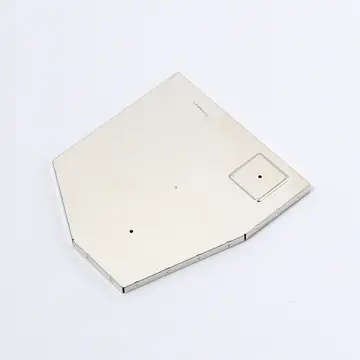
1. The Cover/Shield: Acts as the protective ceiling, generally formed from stainless steel or high-durability nickel-silver alloy to ensure structural integrity and grounding protection against Electrostatic Discharge (ESD).
2. The Actuator/Stem: The mechanical interface that transfers force from the user. Materials range from high-temperature nylon (PA46/PA9T) to polyoxymethylene (POM) depending on SMT reflow profile requirements (typically reaching peak temperatures of 260°C).
3. The Contact Dome: The core spring mechanism. Its geometry determines the tactile snap force. We utilize premium imported stainless steel or phosphor bronze plated with silver, providing a sweet spot for "snap ratio" (typically calculated as (Operating Force - Terminal Force) / Operating Force).
4. The Base & Terminals: Engineered from liquid crystal polymer (LCP) or high-temp thermoplastic to prevent melting during soldering. Terminals are precision stamped and receive silver or gold cladding to minimize contact resistance.

| Parameter Type | Standard Specification | High-Reliability Specification | Testing Standard/Methodology |
|---|---|---|---|
| Actuation Force (OF) | 100gf - 160gf ± 30gf | 250gf - 350gf ± 50gf | Mechanical Load Gage Testing |
| Contact Resistance | ≤ 100mΩ initial | ≤ 30mΩ initial | 4-wire Kelvin Sensing (1A at DC 5V) |
| Bounce Time | ≤ 10ms | ≤ 5ms (custom options < 2ms) | Oscilloscope Contact Waveform Analysis |
| Electrical Rating | 50mA, 12V DC max | 100mA, 36V DC max | Dielectric Breakdown Voltage Verification |
| Mechanical Lifespan | 100,000 cycles | 1,000,000 to 5,000,000 cycles | Pneumatic Actuator Cycling at 60 cpm |
Established in 2005, Wenzhou Stpete Electronics Technology Co., Ltd. has evolved into a premier high-tech enterprise dedicated to the design, production, and distribution of premium electronic connectors and tactile systems. With nearly two decades of domain expertise, our facility operates as a high-volume manufacturing center supplying global OEMs and tier-1 system integrators.
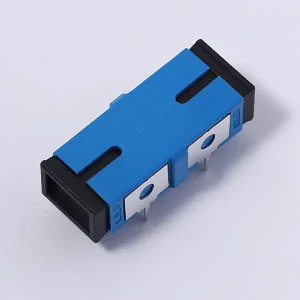
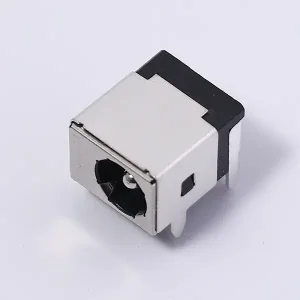
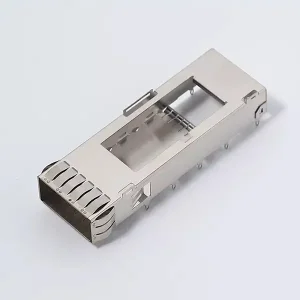
Our production capabilities cover a broad range of products, including IF Radio-Frequency Terminals, PCB Network Jacks, DC Power Outlets, USB Sockets, AV Pin Jack Boards, and Extruded Radiators/Heatsinks. Our capacity to execute vertical integration—from raw material analysis and high-speed precision stamping to automated assembly—ensures our clients receive components with tight tolerance control.

To maintain structural consistency and rapid turnaround times, Stpete Electronics maintains high-speed mechanical punching equipment and high-precision CNC machining centers. Our quality verification relies on automated optical inspection (AOI) instruments, coordinate measuring machines (CMM), and specialized electrical test rigs to ensure that only 100% compliant switches depart our facility.
With a dedicated team of over 200 professional employees and more than 30 technical R&D personnel, we continuously invest in intellectual property and manufacturing automation. Our yearly R&D budget exceeds 15 million RMB, driving the development of next-generation tactile switches, connector assemblies, and bespoke interface systems.
The request for custom tactile configurations is driven by distinct application requirements across various market sectors. Stpete Electronics collaborates with global technical brands, including leaders like Huawei and Hisense, to develop localized switch solutions that meet precise environmental and mechanical profiles.
Modern vehicle interiors utilize tactile switches for steering wheel controls, HVAC units, and console panels. These environments demand reliable performance from -40°C to +85°C, high vibration tolerance, and low contact resistance. Our switches undergo thermal shock and mechanical sweep testing to ensure in-cabin reliability.
Smart TVs, white goods, and wearable technology require low-profile designs with crisp mechanical feedback. We offer ultra-thin SMT options (heights down to 0.35mm) that support automatic SMT assembly, helping consumer brands maintain slim product profiles.
Industrial machinery, heavy instrumentation, and network switches operate in environments exposed to moisture, airborne dust, and physical impacts. Our IP67-rated tactile switches use silicone gaskets and mechanical shields to maintain operational integrity in demanding conditions.
Every market sector requires distinct actuation properties. For medical devices, design engineers prioritize a soft tactile click with low audio output to reduce noise in clinical settings. Conversely, industrial control pendants require a distinct click with high actuation force (up to 300gf) to prevent accidental operation by workers wearing heavy safety gloves.
Stpete Electronics offers complete customization of travel distances (from 0.15mm to 0.5mm), actuation profiles, mounting geometries, and terminations (SMT, Radial Lead, Right-Angle).

To ensure reliability in critical components, Wenzhou Stpete Electronics operates under strict quality management frameworks, including ISO 9001:2015 (Quality Management), ISO 14001:2015 (Environmental Management), and ISO 45001:2018 (Occupational Health and Safety).
Our raw materials are sourced from validated global suppliers, with batch verification of metals, high-temperature plastics, and plating chemicals. We inspect SMT reels for dimensional accuracy and check contact domes for elasticity and fatigue resistance before they enter production.
Our automated stamping and assembly lines feature real-time sensors to track press alignment and contact spacing. Automatic optical inspection (AOI) checks for proper mechanical alignment, and automated test stations verify electrical continuity and tactile feel on every unit.
All products are certified lead-free and conform to EU RoHS and REACH environmental requirements. We also perform flame-retardant testing (UL94 V-0 ratings) on plastic housings to meet strict fire safety regulations.
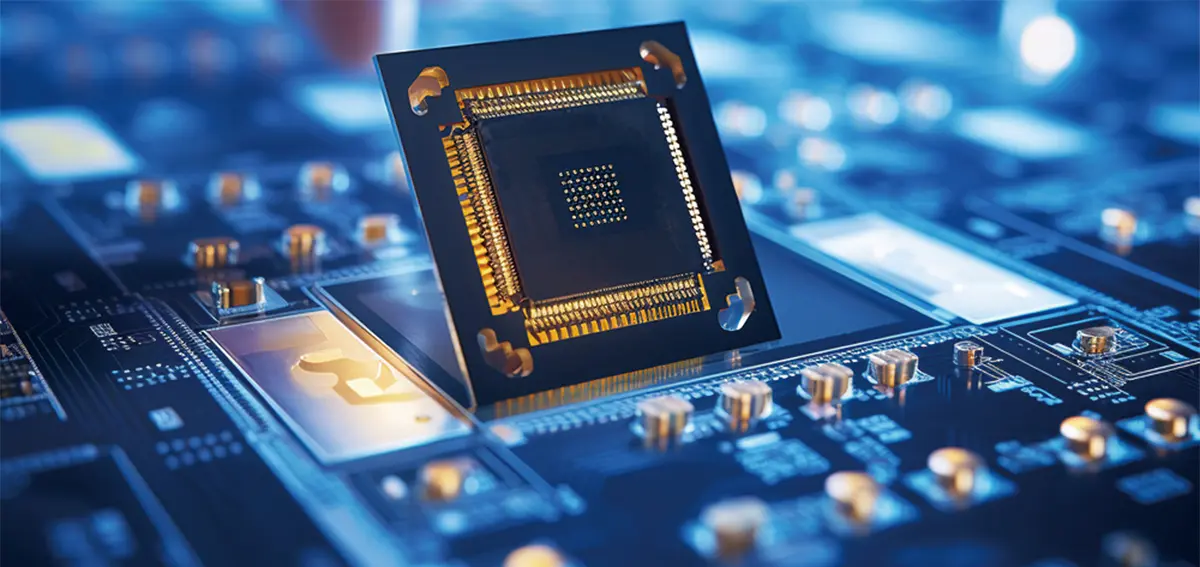
Continuous testing of material formulations and wear patterns to push the limits of switch performance.
Environmental simulation chambers check switch performance under high humidity, thermal cycling, and salt fog exposure.

High-speed assembly lines reduce human handling error, ensuring consistent alignment and mechanical tolerance.
As device form factors shrink and demands for haptic clarity increase, tactile switch design is moving toward integration, miniaturization, and advanced material structures. Stpete Electronics is investing in three key technology directions:
1. Ultra-Low Profile Integration: Developing SMT tactile switches with profiles under 0.3mm to fit inside ultra-thin mobile designs, wearable biosensors, and smart access cards, while maintaining a clear mechanical click.
2. Hybrid Elastomer Interfaces: Combining metallic domes with liquid silicone rubber (LSR) actuators to create soft-actuation switches with silent operation, IP68 protection, and long operational life.
3. Smart Integrated Haptics: Researching switches that combine a mechanical contact with sensor elements to measure actuation force, enabling adaptive, software-controlled haptic feedback.
Explore our main product line-up, featuring tactile switches and low-resistance connectors.
At Stpete Electronics, we believe technical innovation relies on a collaborative and aligned organization. To support team communication and dynamic problem-solving, our team regularly participates in outdoor alignment and development activities.
These programs help team members from different departments, including engineering, assembly, and quality assurance, build strong communication channels. This internal alignment supports our ability to execute complex custom projects and maintain quality standards across our entire product line.
For technical inquiries, custom tactile specifications, or price quotes, please submit your request. Our engineering team will review your application requirements and reply within 24 hours.
Email: [email protected] | Tel: +86-577-XXXXXXXX
 Stpete Electronics