Years of Engineering Experience
Successful Projects Completed
Professional Technical Employees
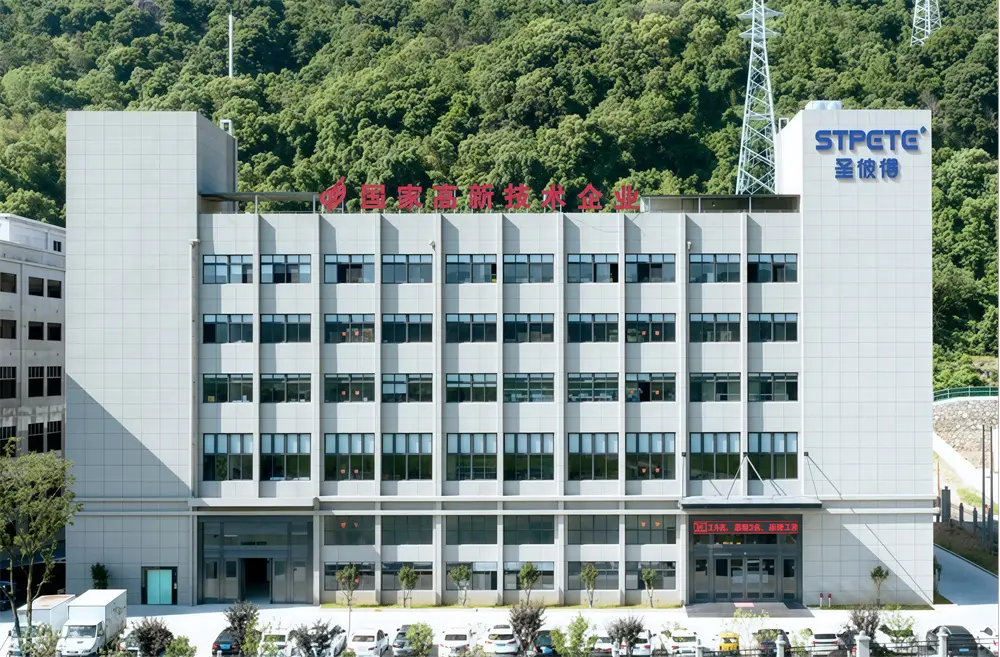
We are a high-tech enterprise specialized in the development, production, and sales of high-performance electronic connectors, board-level shielding systems, and complex electro-mechanical assemblies. Established in 2005, Wenzhou Stpete Electronics Technology Co., Ltd. has spent over two decades building a global reputation for superior product quality, fast turn-around engineering services, and efficient trade support. By focusing heavily on research and development, we serve as an essential tier-1 supplier to top-tier technological enterprises such as Huawei, Hisense, and other prominent industry leaders.

With massive infrastructure optimized for precision metal stamping, plastic injection molding, and high-speed automated assembly, we handle high-volume demands without compromising on microns of tolerance. Our facility houses high-precision CNC equipment, automated stamping lines, and advanced quality validation laboratories. We hold international standards including ISO 9001, ISO 14001, and ISO 45001, alongside numerous national design patents for electronic connector architecture and EMI shielding design.
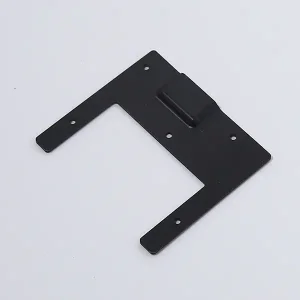
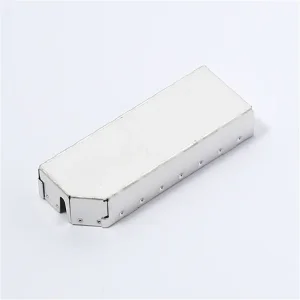
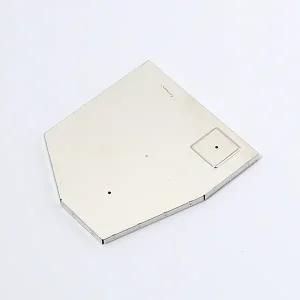
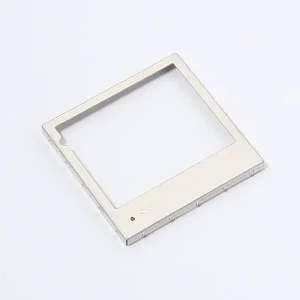
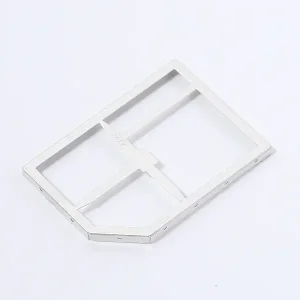
In modern electronic devices, the rapid integration of high-frequency components has made Electromagnetic Interference (EMI) and Radio Frequency Interference (RFI) a critical concern for system designers. A Tinplate Steel Shielding Cover (often termed an EMI Shielding Can or Board-Level Shield) acts as a physical Faraday cage. It isolation-protects delicate components on the PCB (such as RF modules, microprocessors, wireless chips, and power management units) from ambient electromagnetic fields while containing radiation generated within the module itself.
Did you know? Tinplate Steel (SPTE) is widely regarded as one of the most reliable and cost-effective materials for board-level shielding. Tin-plated steel offers high mechanical strength, superb magnetic permeability for low-frequency attenuation, and excellent solderability directly onto the PCB ground plane without the need for secondary surface platings.
Tinplate steel is a low-carbon steel sheet coated on both sides with thin layers of pure tin. This composite structure yields unique benefits:
Global procurement specialists increasingly look to Chinese factories, particularly in high-precision manufacturing hubs like Zhejiang and Guangdong, to source tinplate steel shielding covers. The reasons extend far beyond direct labor cost advantages:
Our facility in Wenzhou operates in one of the world's most dense electronics manufacturing ecosystems. We enjoy direct, immediate access to high-grade cold-rolled steel coils, precise chemical plating suppliers, local toolmakers, and specialized logistics providers. This network enables us to compress tool development timelines to a fraction of the time required by Western competitors.
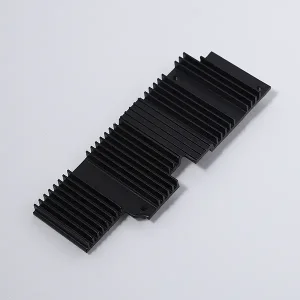
The cost of a shielding cover is heavily influenced by tool efficiency. Stpete Electronics designs and manufactures high-speed progressive dies in-house. This allows us to stamp complex geometries with features like pick-up dimples, ventilation holes, thermal interface cutouts, and spring contacts directly within a single high-speed production line, lowering unit cost and boosting consistency.
To assure SMT compatibility, the flatness (coplanarity) of a shielding cover must be maintained within a tight tolerance, typically less than 0.08mm. Our quality assurance labs are equipped with 2D/3D optical scanners, digital thickness testers, salt spray testing cabinets, and solderability testers. This equipment guarantees that every shipment is 100% compliant with standard IPC-A-610 requirements.
As microprocessors push into gigahertz frequencies and consumer devices become increasingly thin, the shielding industry is evolving rapidly. We monitor and implement several key technological trends:
Tinplate steel shielding covers are ubiquitous across various electronic domains. Depending on the industry and operational environment, we customize the physical specifications to maximize performance:
In smartphones, tablets, and wearable smartwatches, shielding cans protect GPS, Wi-Fi, and Bluetooth modules from high-speed CPU clock noise, preserving signal-to-noise ratios.
Under the hood and in-cabin electronics must survive extreme vibration and heat. Our heavy-duty tinplate shields provide rugged mechanical protection while blocking RF noise in advanced driver assistance systems (ADAS).
Base stations, routers, and industrial IoT gateways operate continuously in electrically noisy environments. Customized shielding covers help maintain stable data throughput across long distances.
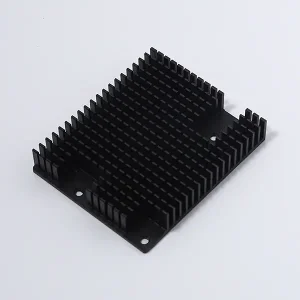
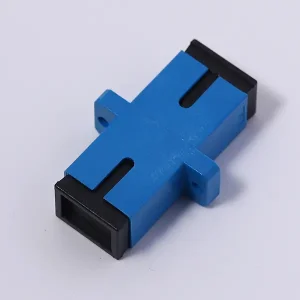
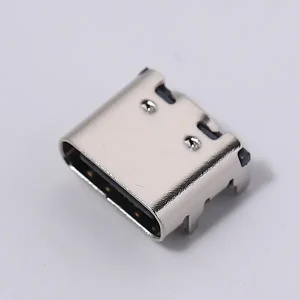
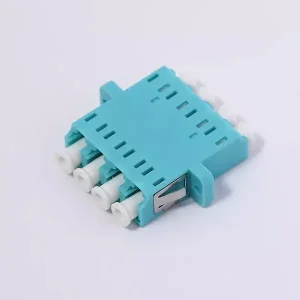
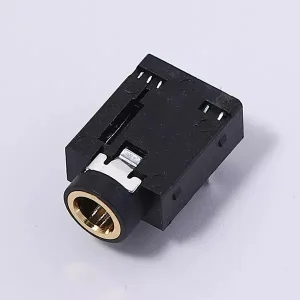
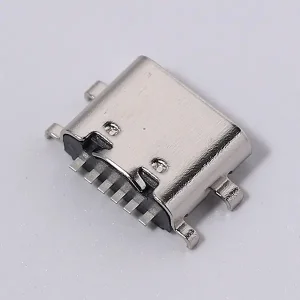
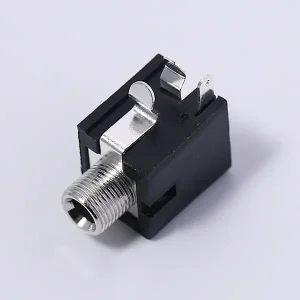
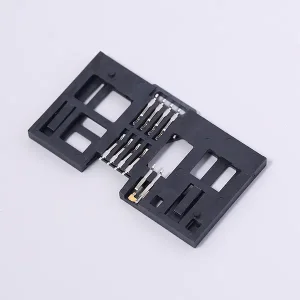
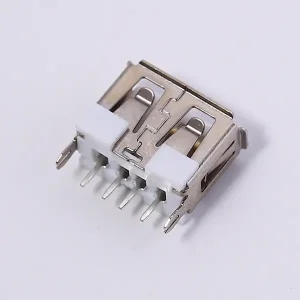
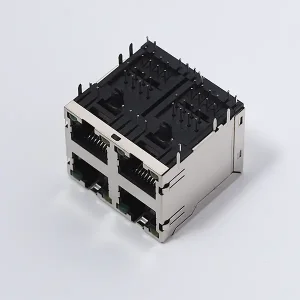
Wenzhou Stpete Electronics Technology Co., Ltd. does not just supply metal cans; we deliver end-to-end EMI shielding and connection solutions. Beyond shielding covers, we manufacture high-performance components including:

Our engineering division partners directly with hardware developers from the early prototyping stage. We simulate RF attenuation properties and mechanical stress points before tooling begins. Our research and development department comprises over 30 technical R&D specialists backed by an annual budget allocation exceeding 15 million RMB. This ensures that we remain at the forefront of interconnect and shielding technologies globally.
Quality is the foundation of Stpete. Our inspection process begins with rigorous incoming material inspection of raw tinplate steel coils (evaluating thickness accuracy, tin coating density, and tensile strength). During production, automated sensors within our stamping presses monitor stroke pressure in real-time, instantly rejecting pieces with minor deviations. Finished shielding covers undergo mechanical dimensional scans, visual surface defect inspections, and high-temperature reflow simulations to confirm that they will not discolour or fail during assembly at client factories.
In this summer, our company organized an outdoor team-building activity to strengthen cohesion and foster teamwork. The event took place in a picturesque natural setting, providing a perfect backdrop for enhancing team spirit and collaboration. The team-building activity was designed to promote unity and cooperation among the employees. Through a series of challenging and fun exercises, the participants had the opportunity to work together, communicate effectively, and problem-solve as a team. It was a great chance for everyone to bond, both personally and professionally, outside the confines of the office environment.
One of the highlights of the day was a series of team-based challenges that required trust, coordination, and quick thinking. These activities encouraged individuals to step out of their comfort zones, build trust in their colleagues, and see the value of working together towards a common goal. As a result, the event not only improved teamwork but also boosted morale and motivation within the company. Furthermore, the outdoor setting provided a refreshing change of scenery, allowing everyone to unwind and connect with nature. This change of environment helped in reducing work-related stress and promoting a sense of well-being among the participants. It was a great opportunity for the team to relax, recharge, and return to work with renewed energy and enthusiasm.
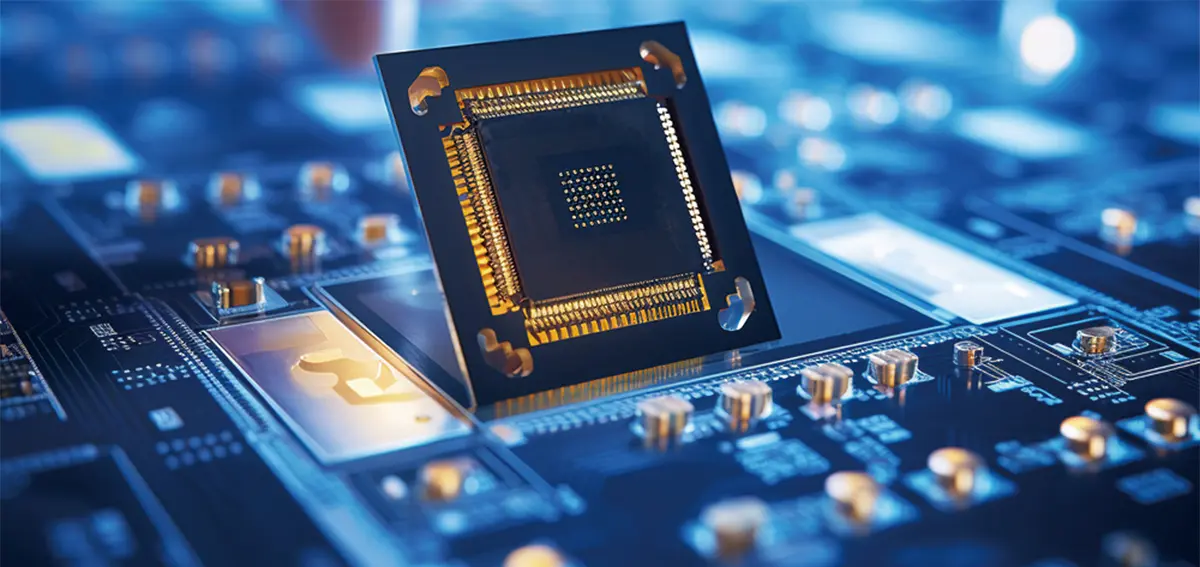
30+ technical R&D personnel; Annual R&D investment of 15 million yuan+; 21 research and development patents+.
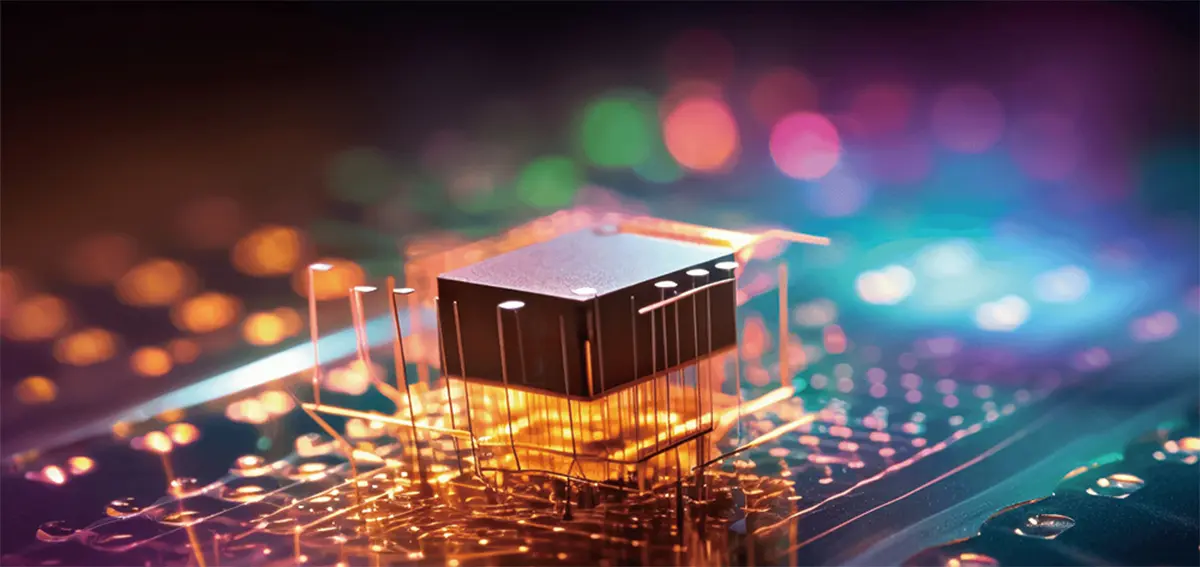
Guided by technology and based on safety, every step from raw material selection to line processing and testing is highly meticulous, ensuring robust reliability.

Insert molding, finished product assembly, and automated production technology are driven by continuous technological innovation and state-of-the-art equipment.
When selecting an OEM supplier for shielding cans, purchasing teams must analyze technical and supply metrics. Keep this checklist in mind:
 Stpete Electronics